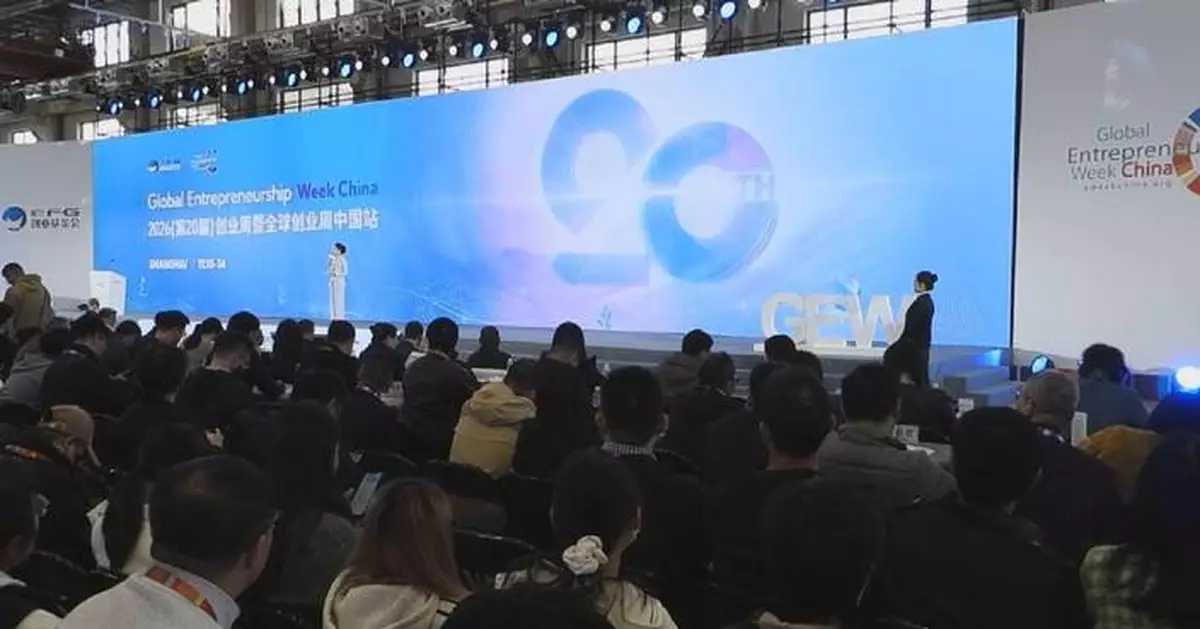
The 20th Global Entrepreneurship Week China 2026 ran from Tuesday to Saturday on Shanghai's Fuxing Island, a hub for innovation, startups, and urban experimentation, providing a diverse platform for in-depth exchanges among entrepreneurs.
This year's event brought together more than 100 heavyweight guests from around the world, representatives of nearly 500 cutting-edge sci-tech enterprises and professional investment institutions, and over 1,500 entrepreneurs.
More than 50 entrepreneurship-themed events were held during the week, where entrepreneur representatives from various countries shared their entrepreneurial ideas and experience. Leading sci-tech innovation enterprises showcased their innovative achievements and built a diversified platform for entrepreneurs to connect with entrepreneurial resources.
In addition, activities including an embodied AI training camp and a sci-tech innovation incubation camp were held on Fuxing Island throughout the week. Robots were trained on the island's streets, testing how they navigate and interact with people, with the aim of driving iterative upgrades in robotic capabilities through real-world training and advancing embodied AI from the laboratory to urban applications.
Fuxing Island, once an industrial site along the Huangpu River, was transformed into a global maker hub last year to support technological innovation, business incubation, and scenario development, attracting a cluster of innovative enterprises and talent.
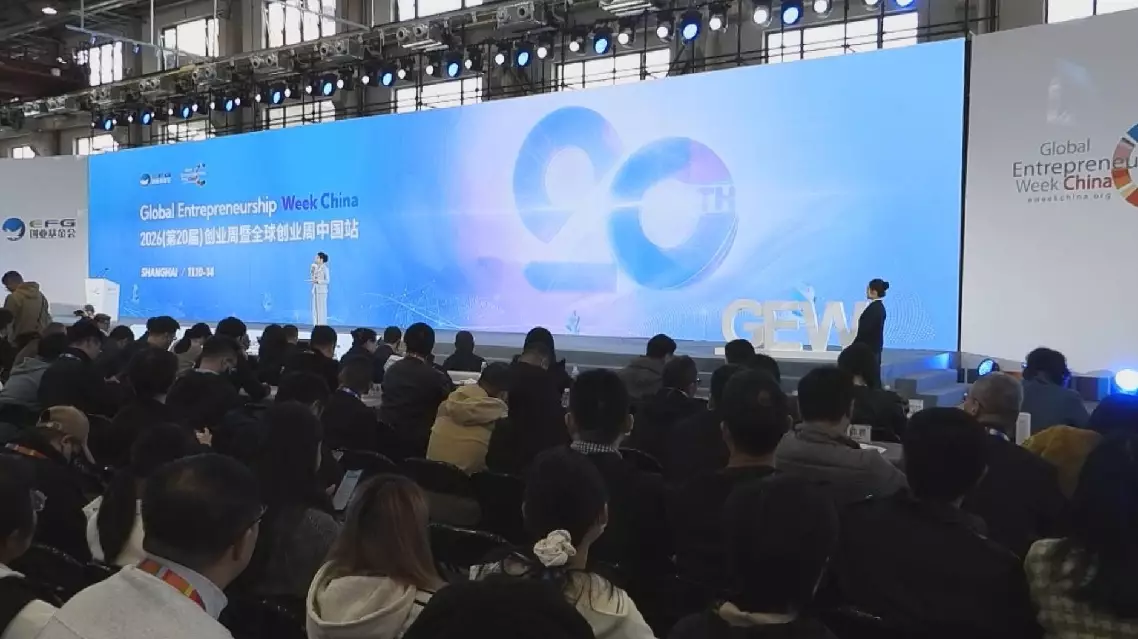
20th Global Entrepreneurship Week China 2026 held in Shanghai
The annual number of global candidates taking the Hanyu Shuiping Kaoshi (HSK), or the Chinese Proficiency Test, surged to a record high of one million in 2026, according to the 2026 World Chinese Language Conference, which kicked off on Friday in Beijing.
The HSK now has more than 1,500 test sites in 169 countries -- more countries than any other language exam -- and has served over nine million test-takers cumulatively.
The global scale of Chinese learning keeps expanding, with 210 million people overseas learning and using the language.
"Our adult classes at our office in New York really exploded over the last couple of years, and the explosion has gone from not just beginners and first-time Mandarin students to more like HSK 5, HSK 6 and beyond students who are looking for that next level. Then they go on to more -- maybe private tutoring -- and [ask], 'How do I do this specific sector?' We're actually seeing that increased a lot as well," said Jamie Keyte, co-founder of Manhattan Mandarin, a Chinese learning center in Manhattan, New York.
"Language will certainly bring you many benefits. You can make friends in Chinese. Many countries want to cooperate with China, and you can help them better understand Chinese culture," said Graciela Barrantes, a Costa Rican student at the Beijing Normal University.
As demand for Chinese learning diversifies, how Chinese language education can be combined with vocational skills training has become a hot topic at this year's World Chinese Language Conference. During the event, the Chinese Education Ministry's Center for Language Education and Cooperation, together with multiple institutions, launched the "Chinese+" industry-education integration partnership initiative, aimed at helping other countries and regions cultivate local talent skilled in both Chinese language and culture and professional expertise.
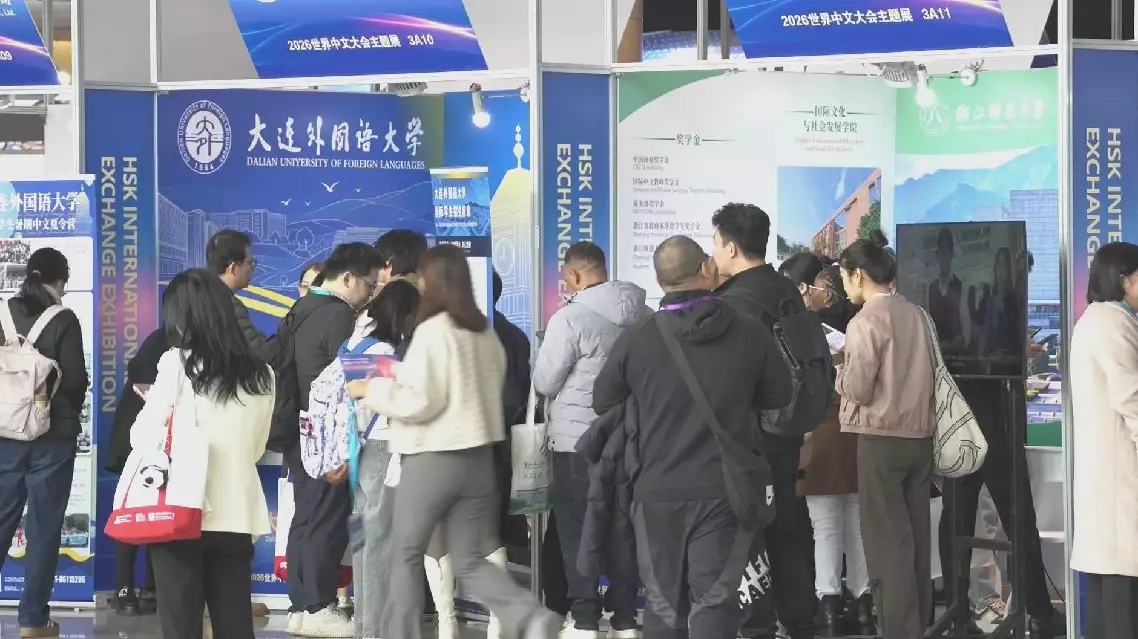
Chinese language proficiency test hits annual record of 1 million