Skip to Content Facebook Feature Image

Shenzhen APEC|Smart Studio for Solo Operation: Fijian Journalist Hails Chinese Tech as His "Great Work Partner"

China

China

China

Shenzhen APEC|Smart Studio for Solo Operation: Fijian Journalist Hails Chinese Tech as His "Great Work Partner"

2026-11-18 18:04 Last Updated At:18:24

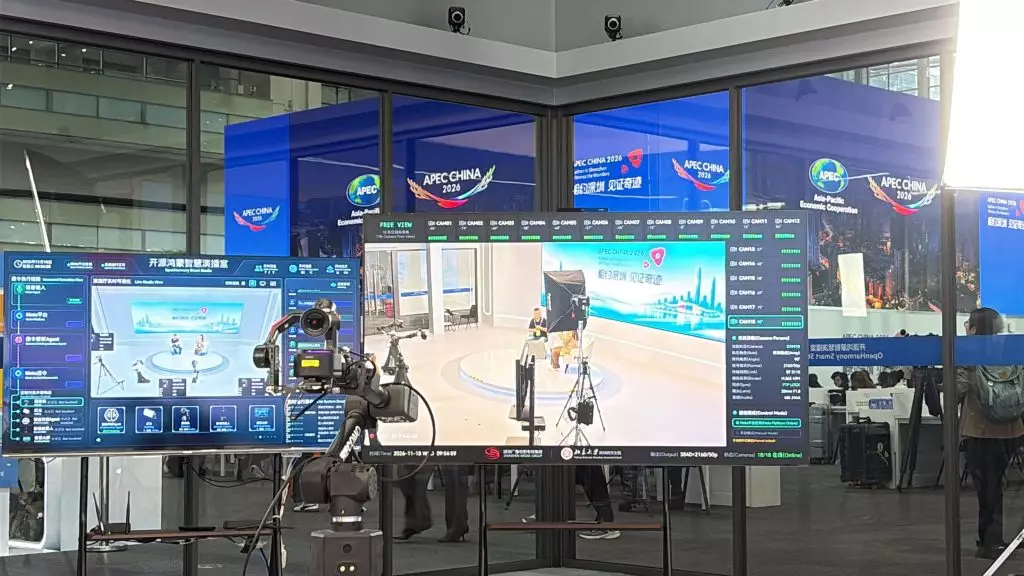
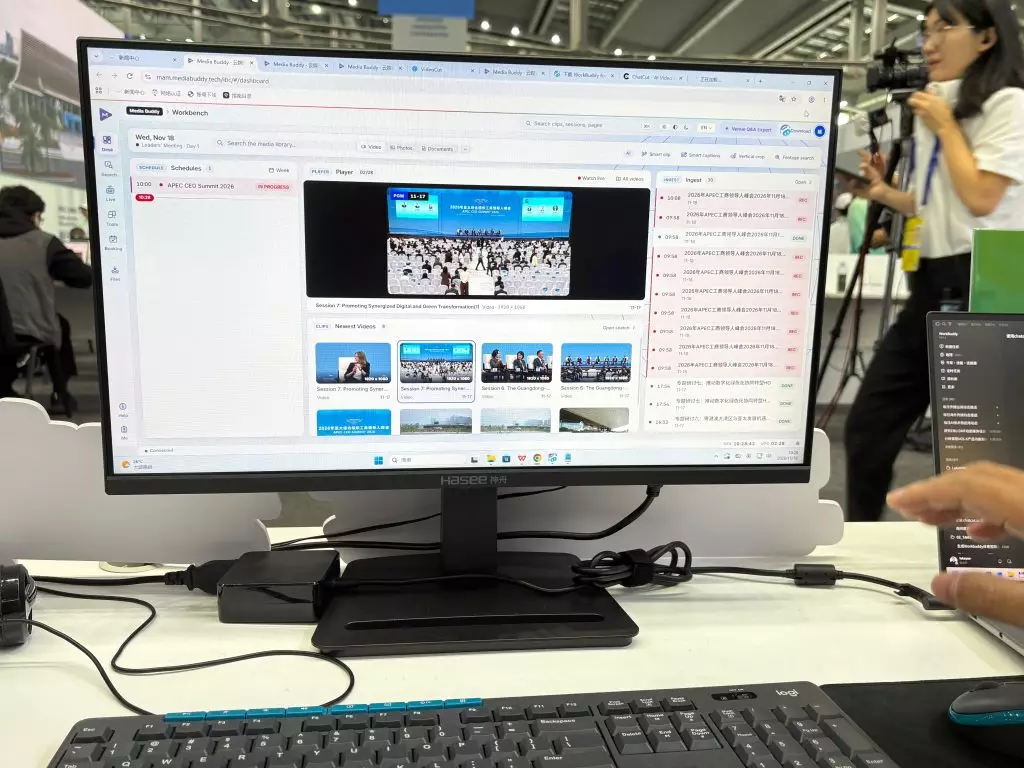
At the APEC Media Center in Shenzhen, high-end reporting and production equipment has become standard gear for Chinese and foreign journalists. Inside the OpenHarmony Smart Studio, reporters can record programmes independently in a short time without support from specialist technicians. Powered by XR virtual studio technology, journalists staying inside the Media Center can switch their virtual backdrop to the entrance of the Xiangmihu venue, enabling news broadcasts across physical distances. WorkBuddy for APEC, an on-site intelligent media agent, further cuts production time and supports subtitle generation and voice dubbing in 29 languages.
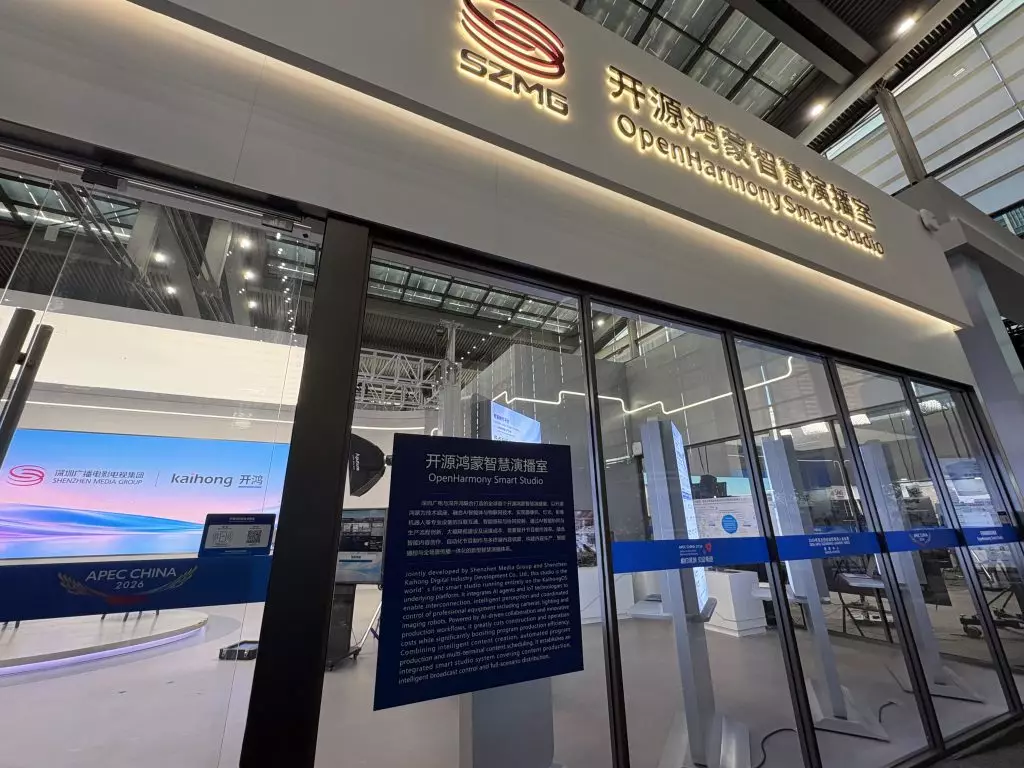
The OpenHarmony Smart Studio. Photo by Bastille Post
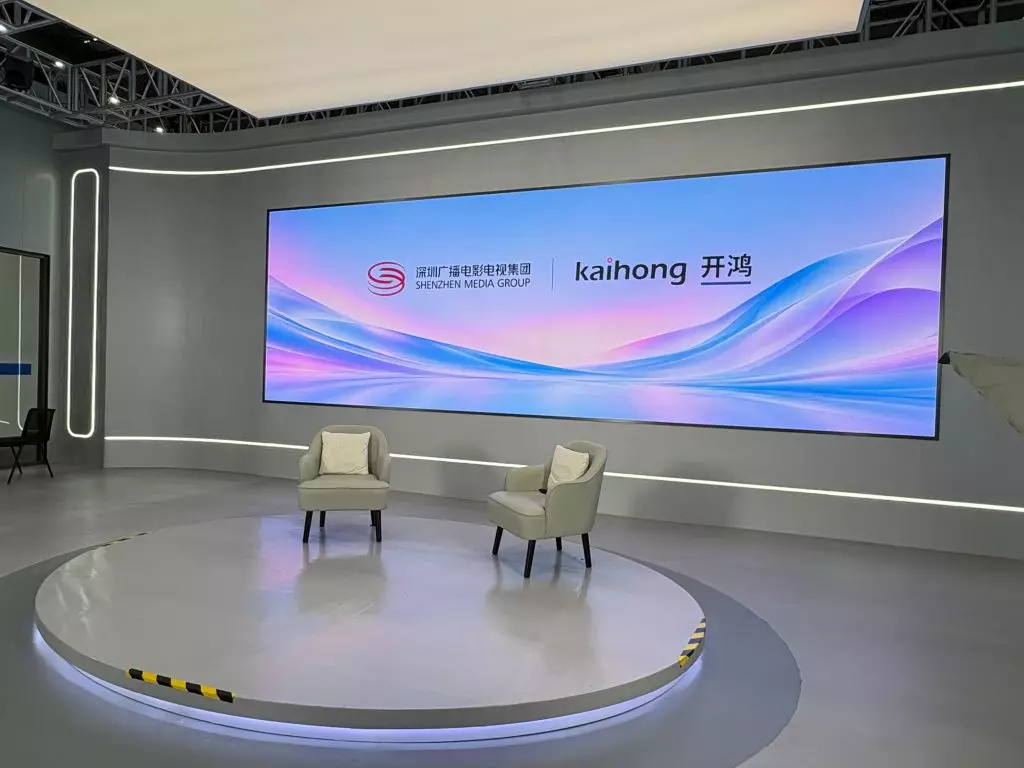
The OpenHarmony Smart Studio. Photo by Bastille Post
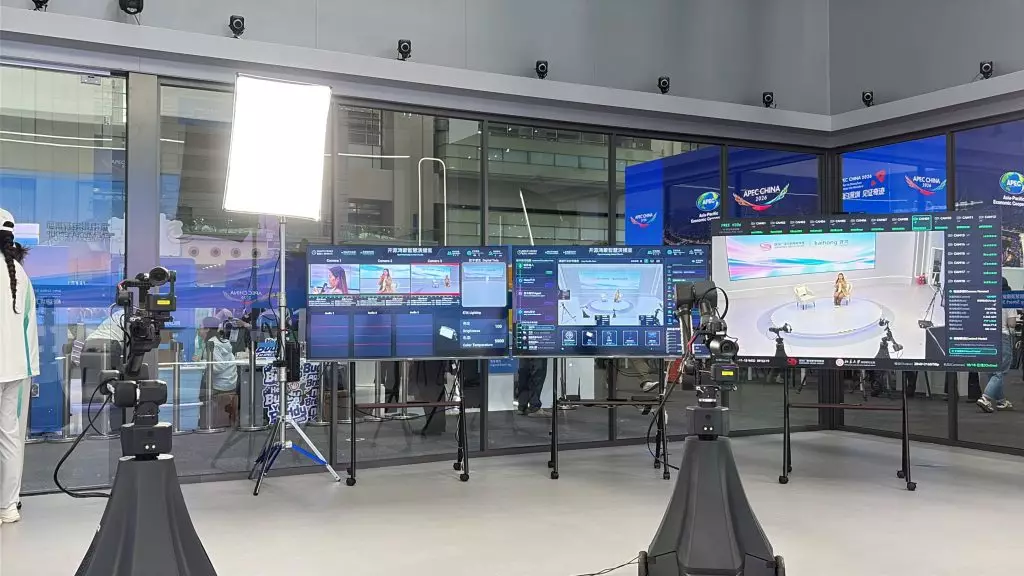
The OpenHarmony Smart Studio. Photo by Bastille Post
The OpenHarmony Smart Studio. Photo by Bastille Post
The OpenHarmony Smart Studio. Photo by Bastille Post
The OpenHarmony Smart Studio. Photo by Bastille Post

Self-service Programme Production with Interconnected Devices

More Images
The OpenHarmony Smart Studio. Photo by Bastille Post

The OpenHarmony Smart Studio. Photo by Bastille Post

The OpenHarmony Smart Studio. Photo by Bastille Post

The OpenHarmony Smart Studio. Photo by Bastille Post

The OpenHarmony Smart Studio. Photo by Bastille Post

The OpenHarmony Smart Studio. Photo by Bastille Post

The OpenHarmony Smart Studio. Photo by Bastille Post

The OpenHarmony Smart Studio. Photo by Bastille Post

The OpenHarmony Smart Studio. Photo by Bastille Post

The OpenHarmony Smart Studio. Photo by Bastille Post

Apart from programme production, the intelligent agent also assists with story ideation and automated editing on the OpenHarmony platform. Finished content can be shared with one click across broadcast live streams, short-video platforms, video streaming channels, and broadcast terminals. Photo by Bastille Post
Apart from programme production, the intelligent agent also assists with story ideation and automated editing on the OpenHarmony platform. Finished content can be shared with one click across broadcast live streams, short-video platforms, video streaming channels, and broadcast terminals. Photo by Bastille Post

WorkBuddy for APEC. Photo by Bastille Post
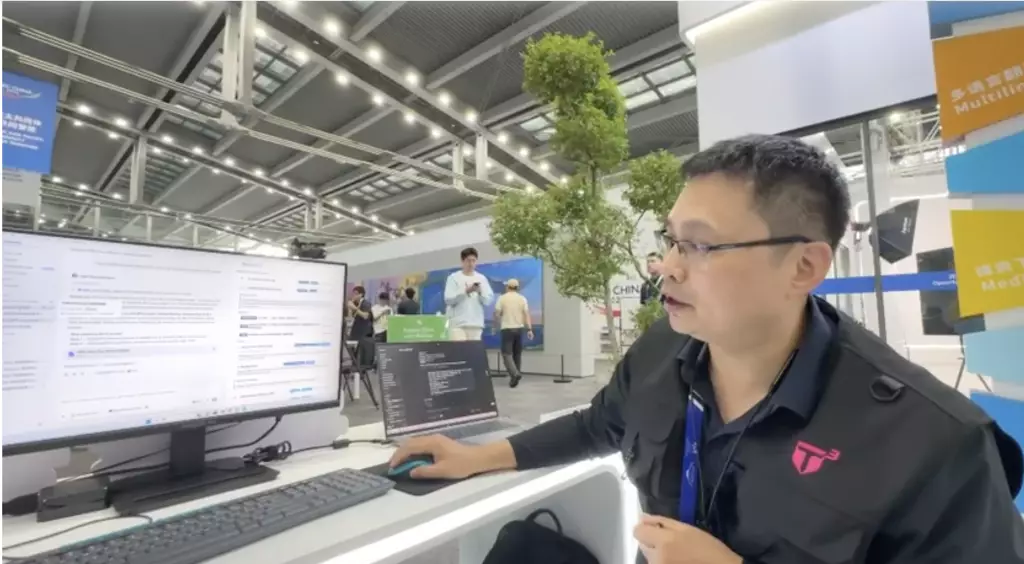
WorkBuddy for APEC. Photo by Bastille Post

Yao Qinghui, Senior Smart Media Architect of Tencent Cloud. Photo by Bastille Post
Yao Qinghui, Senior Smart Media Architect of Tencent Cloud. Photo by Bastille Post

WorkBuddy for APEC. Photo by Bastille Post
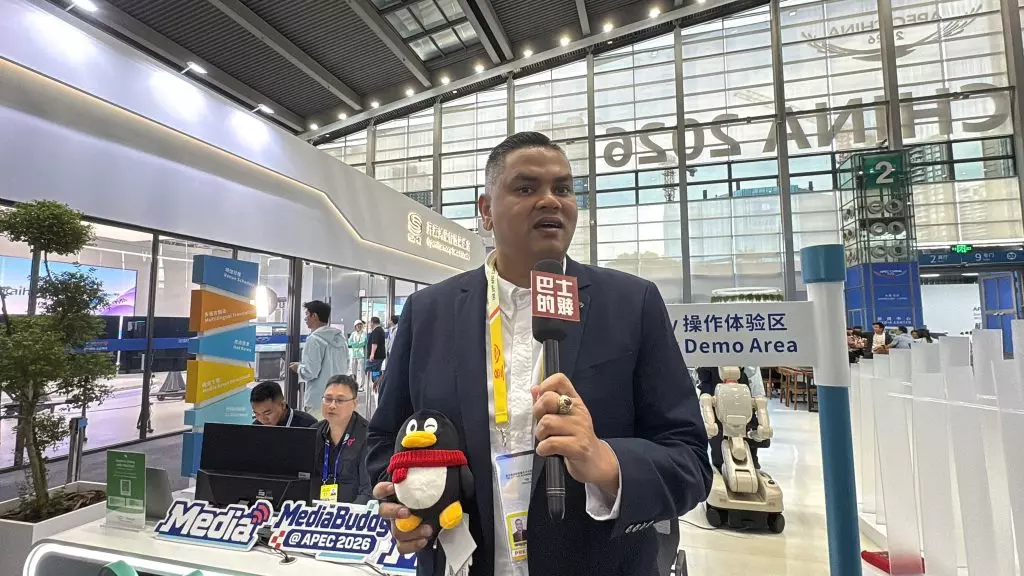
WorkBuddy for APEC. Photo by Bastille Post

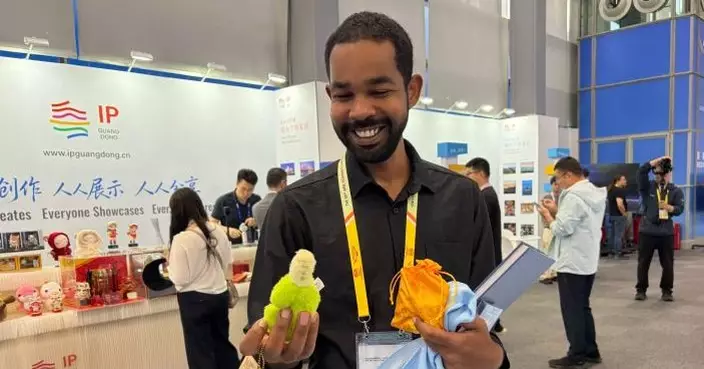
Reginald Ritesh Chandar, a journalist from Fiji Live in Fiji. Photo by Bastille Post
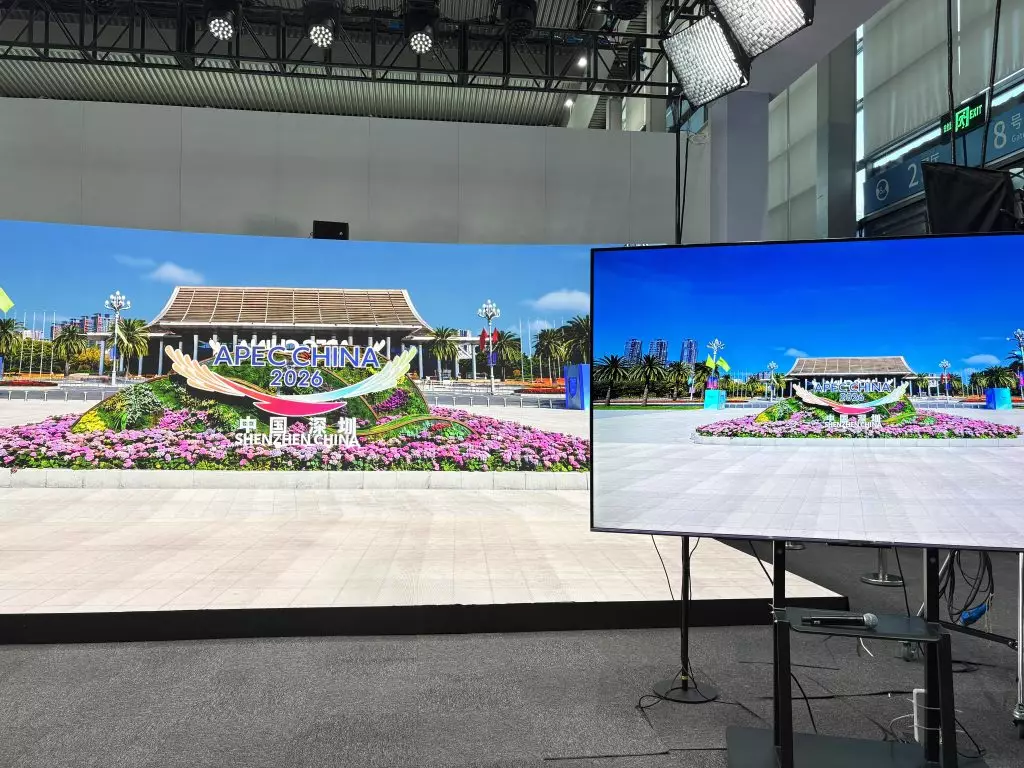
Reginald Ritesh Chandar, a journalist from Fiji Live in Fiji. Photo by Bastille Post

The XR virtual studio. Photo by Bastille Post

The XR virtual studio. Photo by Bastille Post

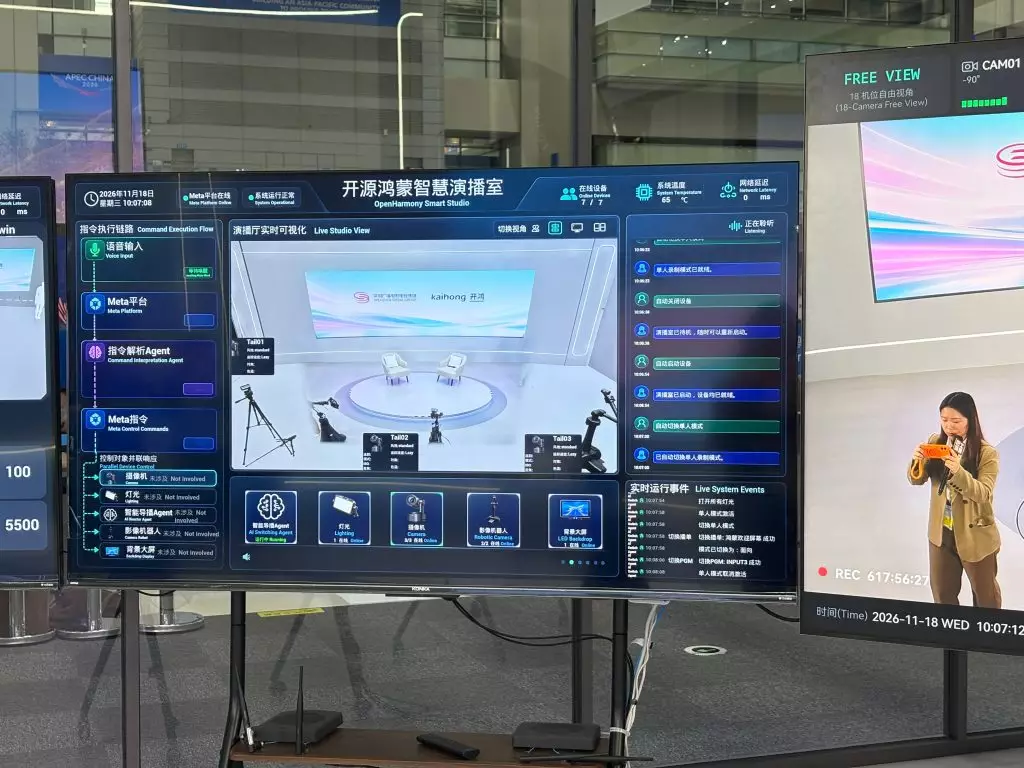
Producing a recording in a conventional studio requires large teams, expensive gear, and lengthy preparation. Making its debut at the APEC Media Center, the OpenHarmony Smart Studio is jointly built by Shenzhen Media Group and Shenzhen Kaihong Digital Industry Development Co., Ltd. It redefines traditional production workflows, built on the OpenHarmony technical foundation, integrating AI agents and the Internet of Things (IoT) technology. Lighting, cameras, and other studio devices are interconnected to form an all-in-one smart production system covering content creation, intelligent broadcast control, and multi-scenario distribution.

The OpenHarmony Smart Studio. Photo by Bastille Post

The OpenHarmony Smart Studio. Photo by Bastille Post

Mr. Hao, a staff member of the OpenHarmony Smart Studio, explained that the studio adopts fully domestic technologies. Preparation kicked off earlier this year for its premiere during the APEC meeting. “Our smart studio helps cut labour costs, slashes pre-production setup and calibration time, streamlines workflows and boosts overall efficiency,” he said.

Mr. Hao invited our reporter for a trial. Stepping into the studio, three cameras detect human presence. They automatically switch between single-person and two-person shooting modes based on the number and position of personnel, and simulate director-led shot switching according to speakers, all with no manual intervention. Beyond smart cameras, the studio is equipped with an intelligent teleprompter. A simple voice command of “Start prompting” activates the system, which automatically scrolls and adjusts to match the speaker’s pace and pauses.

The OpenHarmony Smart Studio. Photo by Bastille Post

The OpenHarmony Smart Studio. Photo by Bastille Post

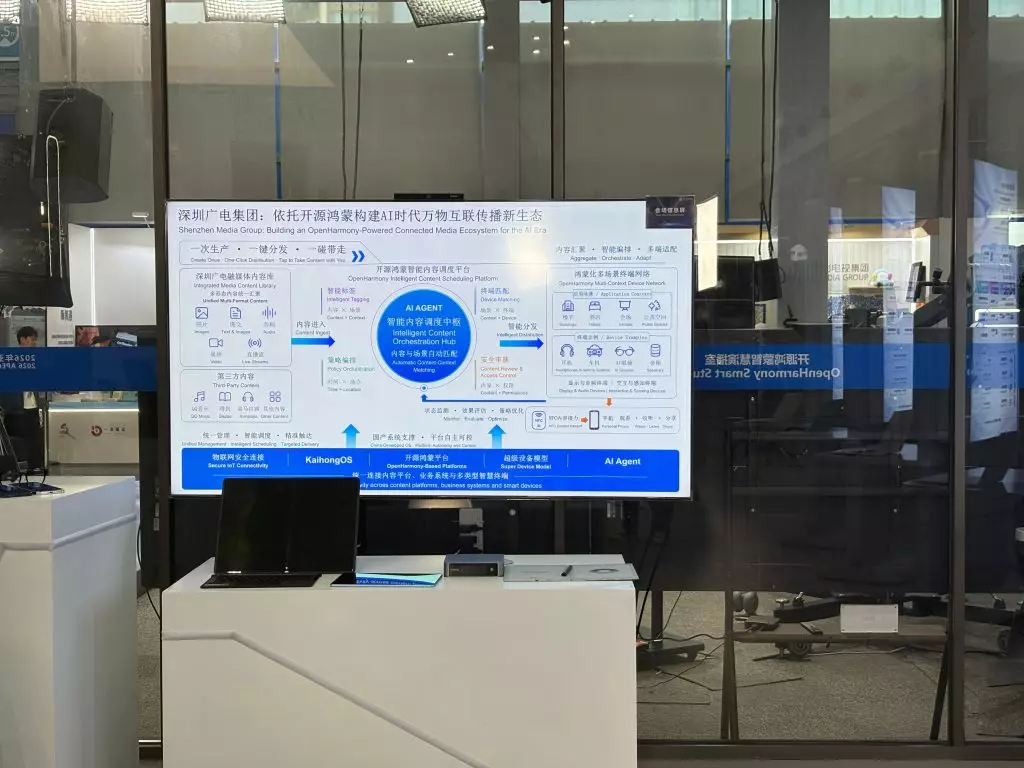
Mr. Hao said that since the APEC Media Center opened, journalists from multiple Chinese and international media outlets have tested the studio. Those who tried it said it has upended traditional workflows and simplified recording. Apart from programme production, the intelligent agent also assists with story ideation and automated editing on the OpenHarmony platform. Finished content can be shared with one click across broadcast live streams, short-video platforms, video streaming channels, and broadcast terminals.

Apart from programme production, the intelligent agent also assists with story ideation and automated editing on the OpenHarmony platform. Finished content can be shared with one click across broadcast live streams, short-video platforms, video streaming channels, and broadcast terminals. Photo by Bastille Post

Apart from programme production, the intelligent agent also assists with story ideation and automated editing on the OpenHarmony platform. Finished content can be shared with one click across broadcast live streams, short-video platforms, video streaming channels, and broadcast terminals. Photo by Bastille Post

End-to-End Multilingual Content Delivery for Reporting Scenarios

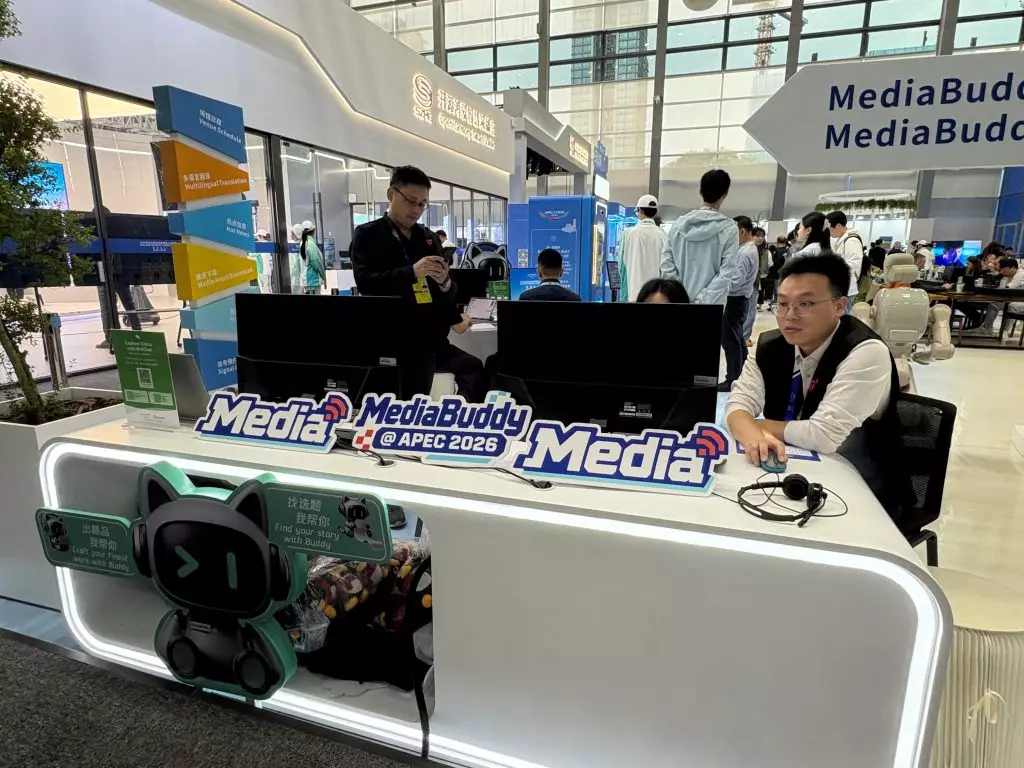
To streamline APEC coverage, Tencent Cloud and Shenzhen Media Group have rolled out WorkBuddy for APEC, a unified AI assistant for global journalists. By entering prompts in the dialogue box, reporters can access official news footage and lines, completing the full reporting cycle from research and drafting to video editing and multilingual delivery.

WorkBuddy for APEC. Photo by Bastille Post

WorkBuddy for APEC. Photo by Bastille Post

Yao Qinghui, Senior Smart Media Architect of Tencent Cloud, noted that this venue-exclusive version of WorkBuddy for APEC runs on an isolated network and is not accessible via the public internet, serving only on-site conference participants. Tencent has provided ample complimentary tokens for the APEC meeting, sufficient to meet most media production demands. Tencent Cloud and Shenzhen Media Group have packaged this capability into the MediaBuddy platform, which will be deployed for more major news events in the future.

Yao Qinghui, Senior Smart Media Architect of Tencent Cloud. Photo by Bastille Post

Yao Qinghui, Senior Smart Media Architect of Tencent Cloud. Photo by Bastille Post

WorkBuddy for APEC. Photo by Bastille Post

WorkBuddy for APEC. Photo by Bastille Post

Reginald Ritesh Chandar, a journalist from Fiji Live in Fiji, used WorkBuddy for APEC during the APEC meeting. It was his first experience with Chinese AI tools. Reginald shared that WorkBuddy helped him overcome language barriers and raise productivity throughout the conference, calling it his reliable “great work partner.” There is a four-hour time difference between Fiji and China, and the tool allowed him to upload and download news footage rapidly to align with working hours back home.

Reginald Ritesh Chandar, a journalist from Fiji Live in Fiji. Photo by Bastille Post

Reginald Ritesh Chandar, a journalist from Fiji Live in Fiji. Photo by Bastille Post

Reginald said his trip to China has been rewarding. “We do not have advanced AI technology at home, but here in China I have experienced and learned so many new things.” He praised China’s AI innovations: “When I return, I will tell my colleagues and peers about these advanced Chinese technologies. I hope such tools can reach Fiji and help us work more efficiently.”

Breaking Geographical Limits to Adapt to Dynamic Reporting Needs

Not all media teams are granted access to the main venue for on-site coverage during APEC. To satisfy broadcasters’ demand for venue footage, Shenzhen Media Group built the XR virtual studio. It combines professional filming hardware, camera tracking systems, XR LED displays, and real-time 3D rendering technology to seamlessly merge live talent with virtual environments. On-site staff said the studio offers nearly ten APEC-themed virtual scenes. Journalists can “be present” at the venue and finish their reports without leaving the Media Center.

The XR virtual studio. Photo by Bastille Post

The XR virtual studio. Photo by Bastille Post
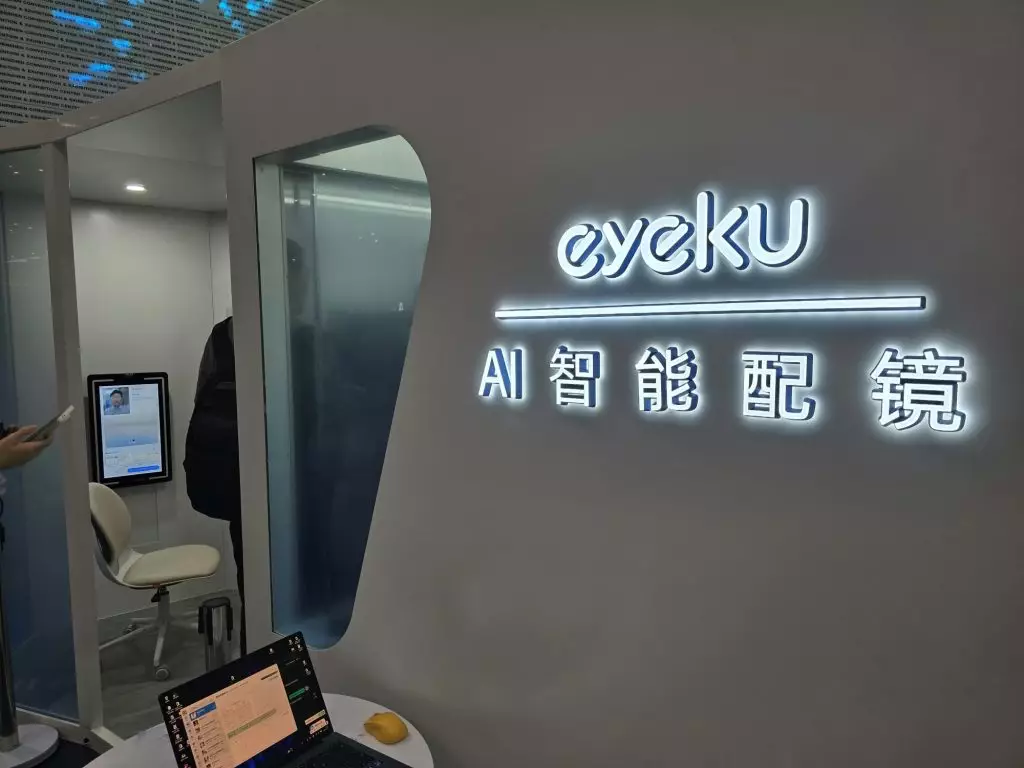
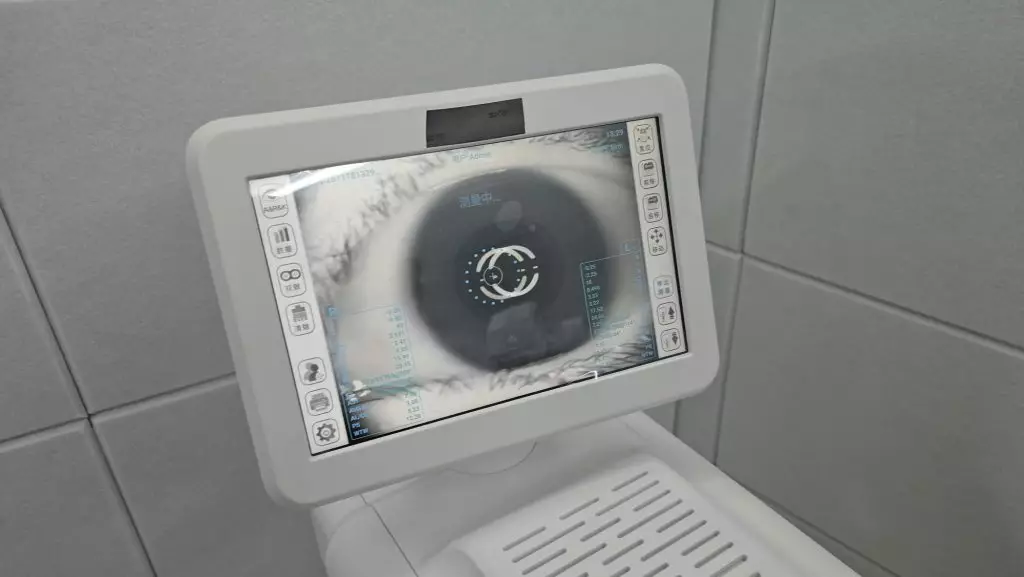
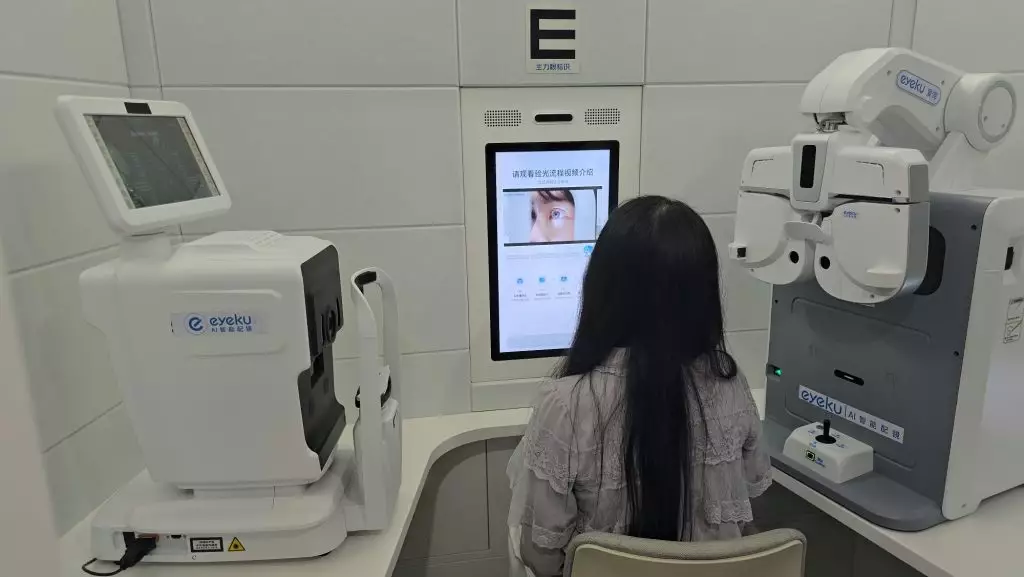
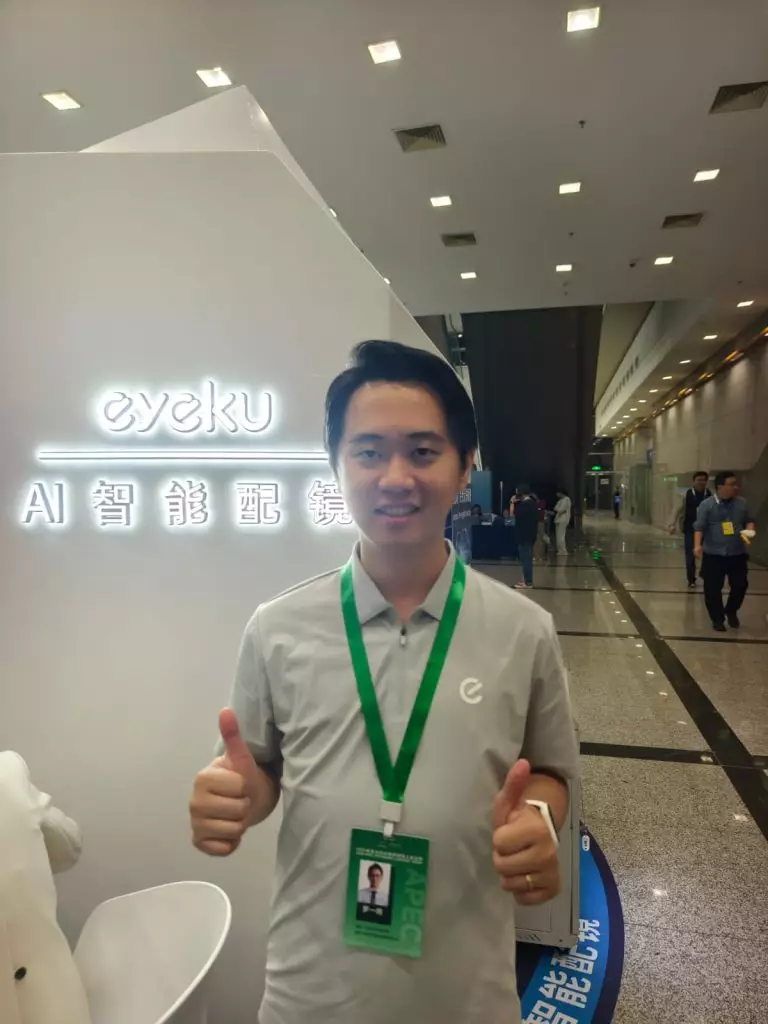
Traditional optical dispensing has long been plagued by industry challenges: a shortage of qualified optometrists, inconsistent service quality across practitioners, and lengthy, cumbersome workflows. At the APEC Media Center in Shenzhen, a tech firm has showcased its AI-powered optical dispensing pod. Our reporter tested the full workflow on-site: through an interactive questionnaire taking 5 to 10 minutes, the system captures a complete set of optometric data and automatically generates a full optometry report, with no manual assistance required throughout the process.

EYEKU. Photo by Bastille Post
EYEKU. Photo by Bastille Post
Photo by Bastille Post

Photo by Bastille Post

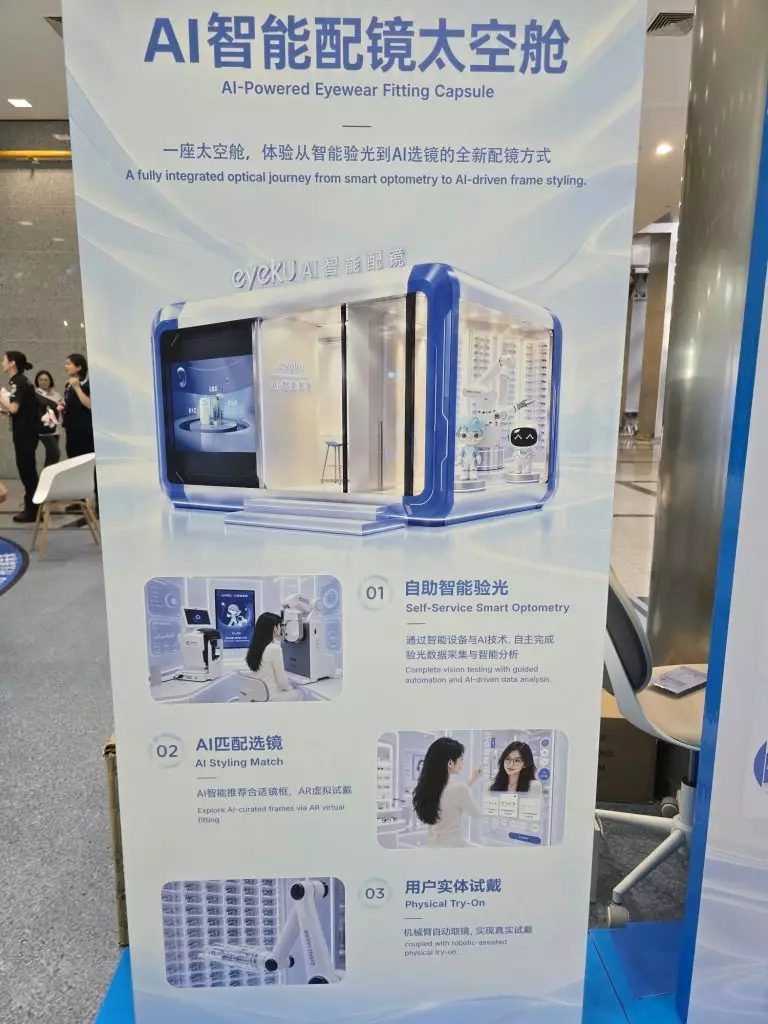
EYEKU, the vision-tech innovation project, incubated by Huiming Eyewear Group, leverages artificial intelligence, machine vision, and robotic automation to revamp the entire workflow of eye testing, frame selection, and try-on. Our reporter observed on-site that the interactive process supports two operating modes: voice control and joystick. Once the eye test is completed, the system scans the user’s 3D facial profile. Combining facial features, refractive parameters, and aesthetic preferences, the AI automatically recommends suitable frames and displays virtual try-on previews on screen for quick selection of preferred styles.

Photo by Bastille Post

Photo by Bastille Post

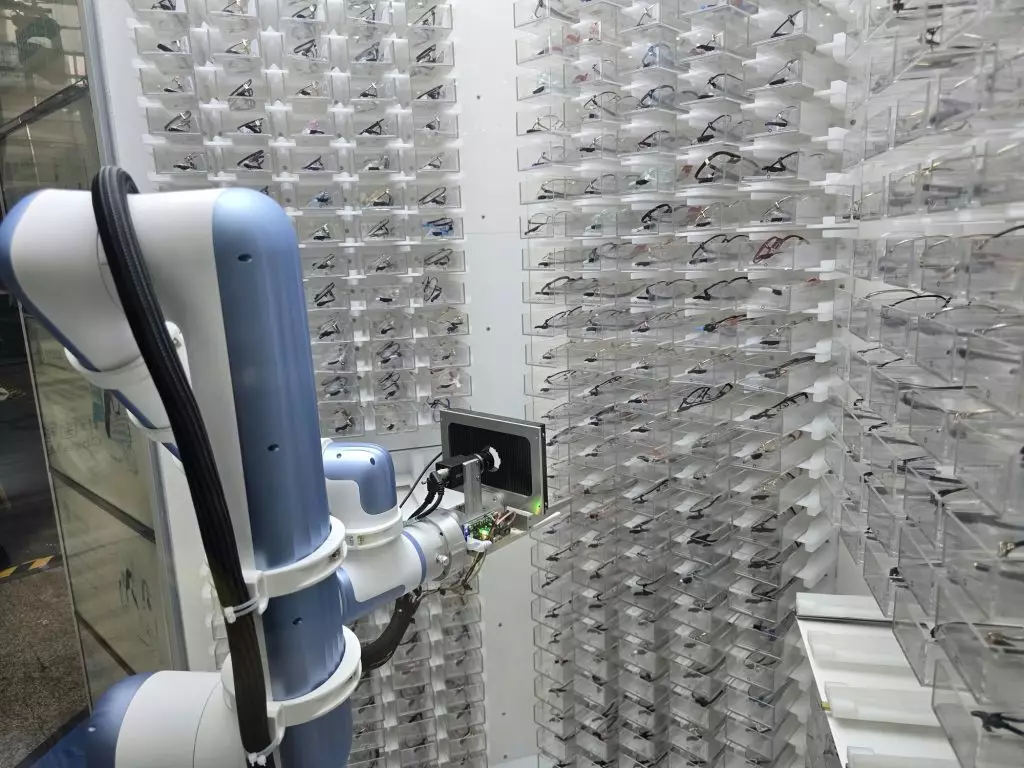
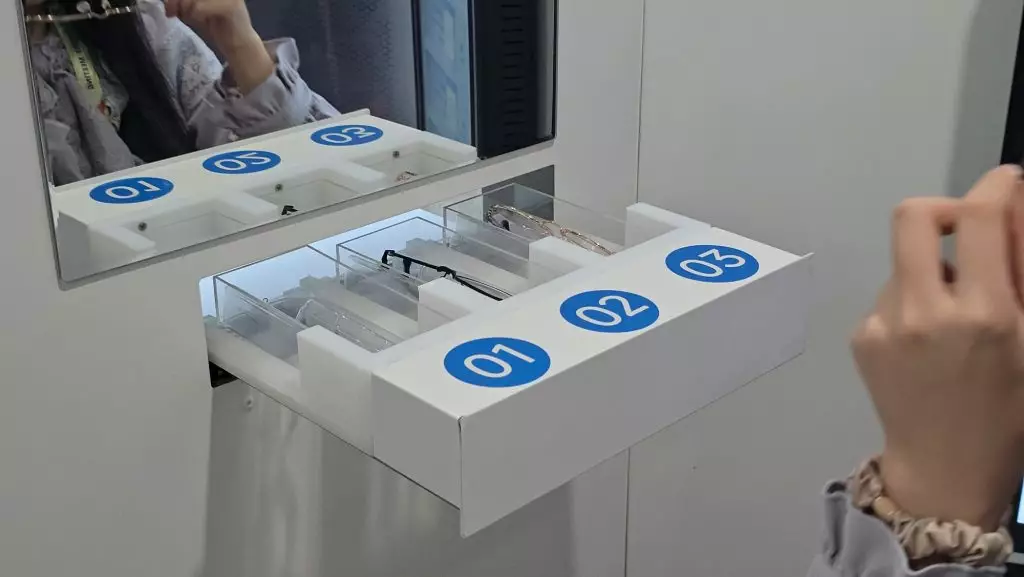
What struck the reporter most is the next step after frame selection. A robotic arm inside the pod retrieves the chosen frame from the storage compartment for users to try on physically on the spot. This seamlessly pairs AI-generated recommendations with real-life wearing comfort. Compared with the conventional experience of rummaging through frame after frame in optical shops, the whole process is far smoother.

Photo by Bastille Post

Photo by Bastille Post

Photo by Bastille Post

Photo by Bastille Post

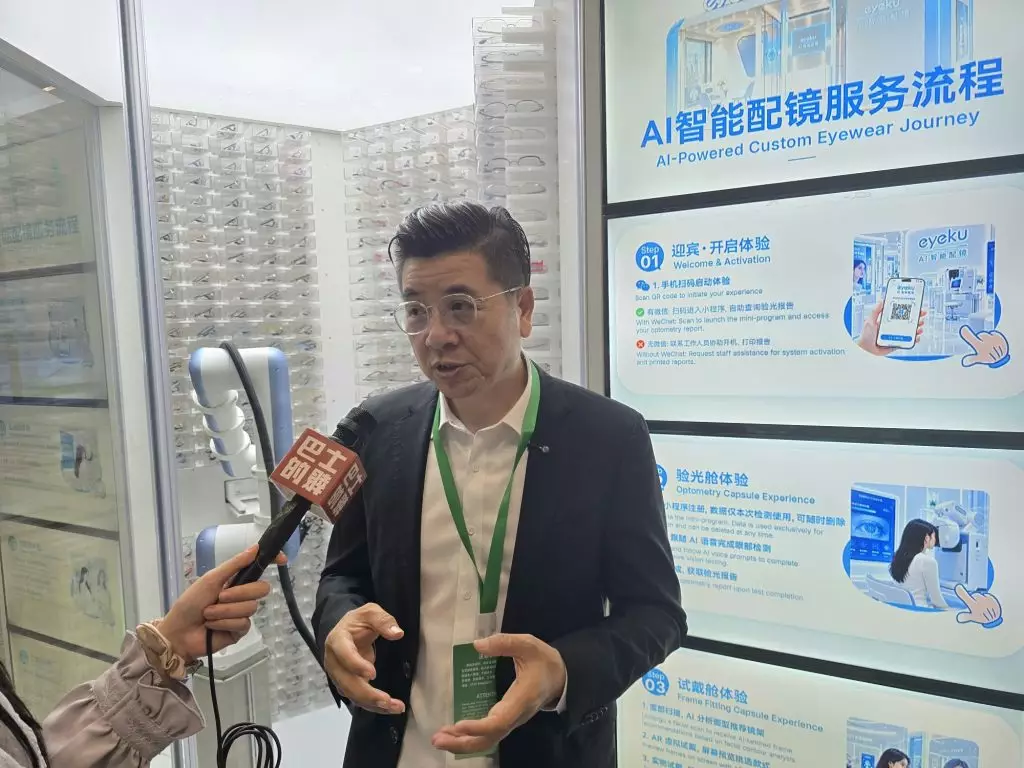
Luo Yiming, Technical R&D Manager of Huiming Eyewear Group, explained that national standards for optometric practice in China were formally introduced in 2017. The sector faces a large gap in qualified optometry talent, and many practitioners are trained via master-apprentice mentorship, which can lead to measurement errors and potential risks for consumers from inaccurate prescriptions. Trained on a large library of expert knowledge, this AI optometry system delivers finer, more accurate, and more efficient results than manual eye exams. It covers myopia, hyperopia, astigmatism and presbyopia, alongside screening for strabismus, stereopsis and other visual functions.

Luo Yiming, Technical R&D Manager of Huiming Eyewear Group. Photo by Bastille Post

Luo Yiming, Technical R&D Manager of Huiming Eyewear Group. Photo by Bastille Post

Luo emphasized that AI only provides refractive measurements and is not tied to mandatory eyewear sales. Pricing for glasses after the AI exam matches regular retail rates with no premium for the AI service. The technology is set to be opened up to empower industry peers in the future, lifting overall optometry standards across the sector.

The introduction of the AI optical pod. Photo by Bastille Post

The introduction of the AI optical pod. Photo by Bastille Post

Li Jin, General Manager of the EYEKU Smart Terminal Division, added that the system was initially calibrated to match the proficiency of an optometrist with eight years of experience. Through continuous self-learning over six to twelve months of training, it now performs at the equivalent skill level of a practitioner with a decade of hands-on experience. He pointed out that a core advantage of AI is its immunity to fatigue, eliminating human error caused by back-to-back customer consultations. Despite its capabilities, the platform retains a three-layer safeguard framework: objective cross-verification of data, subjective interactive correction, and final human review. On-site staff only need basic training to guide users through the process, while complex cases are validated remotely by senior optometrists to guarantee wear comfort.

Li Jin, General Manager of the EYEKU Smart Terminal Division. Photo by Bastille Post

Li Jin, General Manager of the EYEKU Smart Terminal Division. Photo by Bastille Post

As for the platform users, beyond introverted users who prefer self-service, the system caters to efficiency-focused IT professionals, university students, tech enthusiasts, and high-myopia wearers with stringent requirements for dispensing precision.

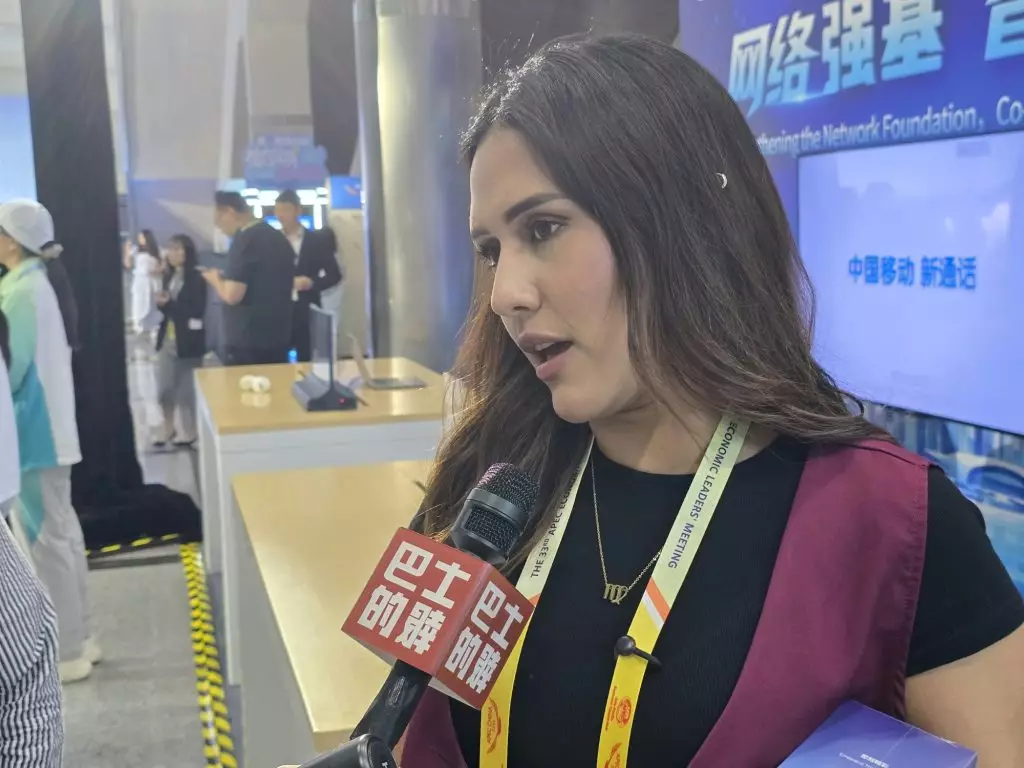
Josselyn Dayanna Correia Zerpa, a journalist from Venezuela, shared that she had struggled for years with discomfort from ill-fitted prescription glasses. She marvelled at how technology enables such thorough examinations, noting she had never undergone a comparable eye assessment before.

Josselyn Dayanna Correia Zerpa, a journalist from Venezuela. Photo by Bastille Post

Josselyn Dayanna Correia Zerpa, a journalist from Venezuela. Photo by Bastille Post

Recommended Articles