China's Song Li, a doctor with decades of experience in the field of women's and children's health, is among seven candidates who made their case to lead the World Health Organization (WHO) at a two-day forum in Geneva, Switzerland.
The forum, running from Wednesday to Thursday, is the first of two public forums before member states elect a successor to Tedros Adhanom Ghebreyesus, who has led the organization since 2017.
At the forum, delegations wishing to question the candidates are selected by lot.
The WHO's Executive Board will put forward up to three finalists when they meet at the end of January next year. Member states will then choose the next director-general by secret ballot at the 80th World Health Assembly in May.
"In the end, it will depend on a vast variety of factors, on what they bring as individuals, I want to hope, but in good part also on the political messages. Don't forget that unlike in the past, now it's the health assembly that decides. In the past, if you got 18 votes in the executive board, you won the elections. Now you need to get 18 votes in the executive boards and a majority in the health assemblies. That changes the politics radically," said Gian Luca Burci, Senior Fellow of the Global Health Center under the Geneva Graduate Institute.
Song, trained as an obstetrician and gynecologist, has two decades of experience in public health, including in maternal and child health policy and international cooperation.
In her speech at the forum, Song highlighted that she will prioritize efficiency, ever-readiness, equity and empowerment if elected.
WHO officials have emphasized that the organization's next chief will need to oversee crucial disease prevention work. This will include providing vaccines to the people who need them, including in vulnerable conflict-hit zones.
"If we have an infectious disease entering Gaza, or we had anything close to cholera entering Gaza, that would be really spreading like wildfire, we unfortunately have to say. And this is something we want to avoid since months and years. We have a ceasefire, but it needs to be implemented. People need to get the help they deserve and live in the dignity, the last piece of dignity that remains for them," said Christian Lindmeier, a WHO spokesman.
The race formally opened in April 2026, when the WHO invited governments to submit nominations. Submissions closed on Sept 24 and the agency announced the seven candidates on Oct 29.
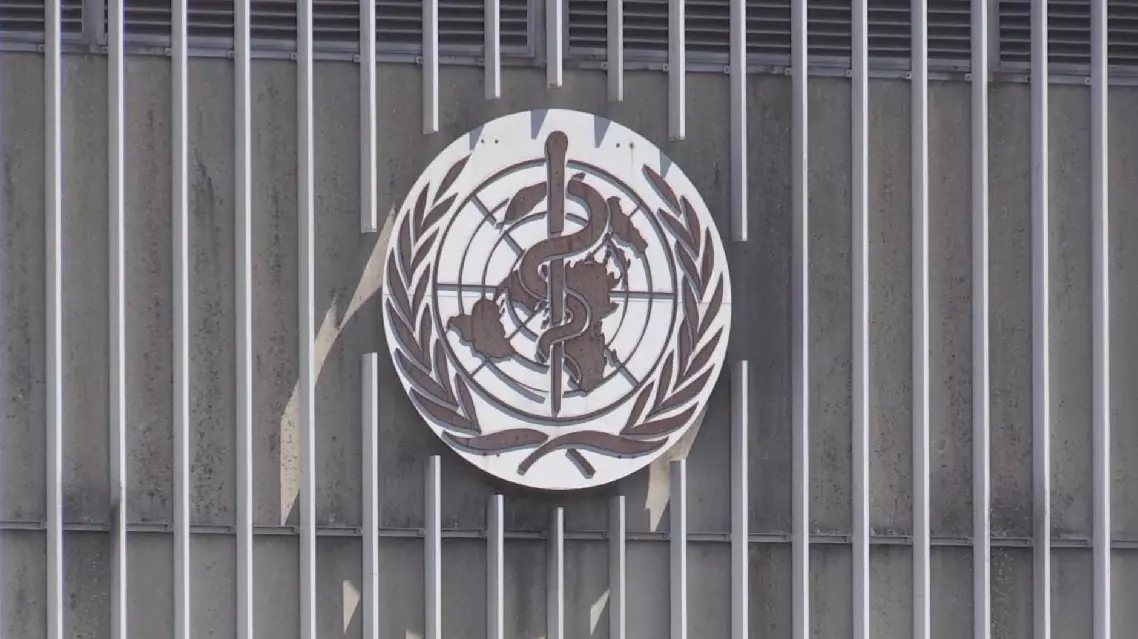
China's Song Li among candidates vying to lead WHO
The summit between Chinese President Xi Jinping, Russian President Vladimir Putin and U.S. President Donald Trump on Thursday has sent a positive signal to the international community and can help bring more certainty and stability to the world, according to scholars from various countries.
The historic sit-down, chaired by Xi in Shenzhen of south China's Guangdong Province, marked the first-ever face-to-face meeting between the Chinese, Russian and U.S. heads of state.
It came after all three had attended the 33rd Asia-Pacific Economic Cooperation (APEC) Economic Leaders' Meeting, which concluded in Shenzhen the same day.
The trilateral summit saw the three leaders share an in-depth exchange of views on the current international situation and commit to maintaining strategic stability and international security.
Giving their reaction to the monumental meeting in interviews with the China Media Group (CMG), scholars from around the world underscored the significance of the three-way talks and believe it could pave the way for more constructive dialogue in the future.
"Today, it is important to show the world that the leaders of the three countries are both willing and able to engage in dialogue. Their readiness to listen to one another and exchange views is especially significant. This sends a very positive signal to the whole world, to global markets and to political leaders that they are prepared for a constructive dialogue," said Alexey Maslov, head of the Institute of Asian and African Studies at Moscow State University.
Others are confident the outcomes of the summit could help address global concerns, support a more stable international system, and encourage greater certainty, coordination and cooperation.
"It was a unique opportunity that the three global leaders met together and they discussed several issues. The three leaders, they represent each other's, each one's own country, but they have discussed the common interests of the whole entire humankind," said Zamir Awan, founding chair of the Global Silk Route Research Alliance, a Pakistani think tank.
"We need major countries to sit at the table and define those parameters, because those parameters then help create a stable global system," said Sourabh Gupta, a senior fellow at the Institute for China-America Studies.
"The fact that the three leaders met and talked can help prevent conflict among their countries and contribute to resolving regional issues, which is something the international society hopes to see. I believe cooperation is fundamental to resolving conflicts. What the world wants is certainty, coordination and cooperation," said Carlos Aquino Rodriguez, a professor at the Center for Asian Studies under San Marcos National University in Peru.
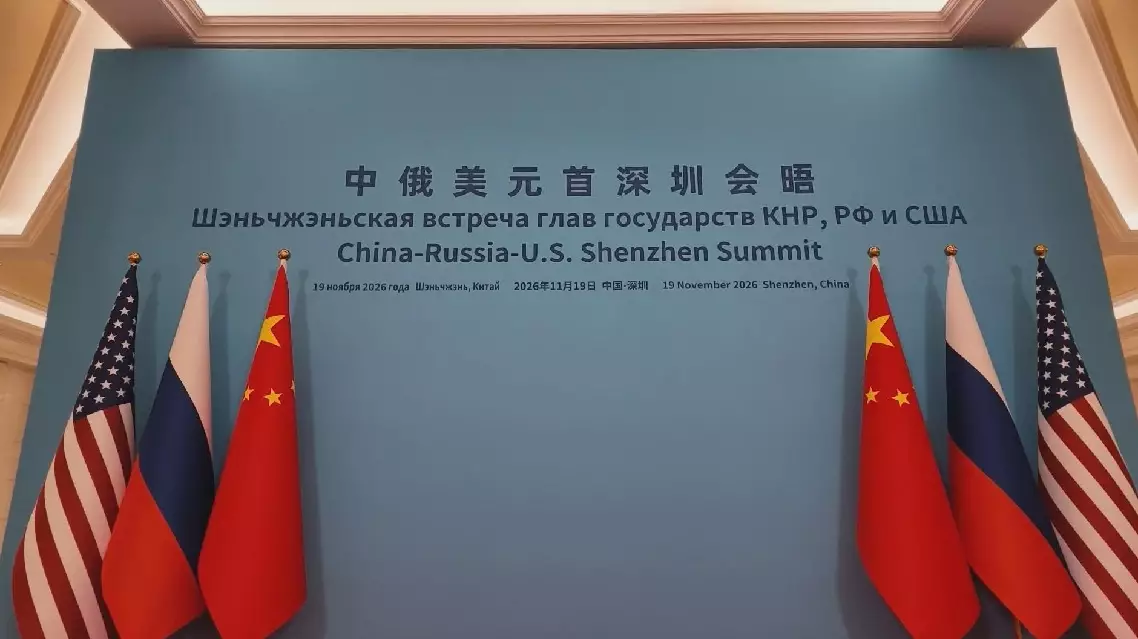
China-Russia-US summit sends positive signals to world: Int'l scholars
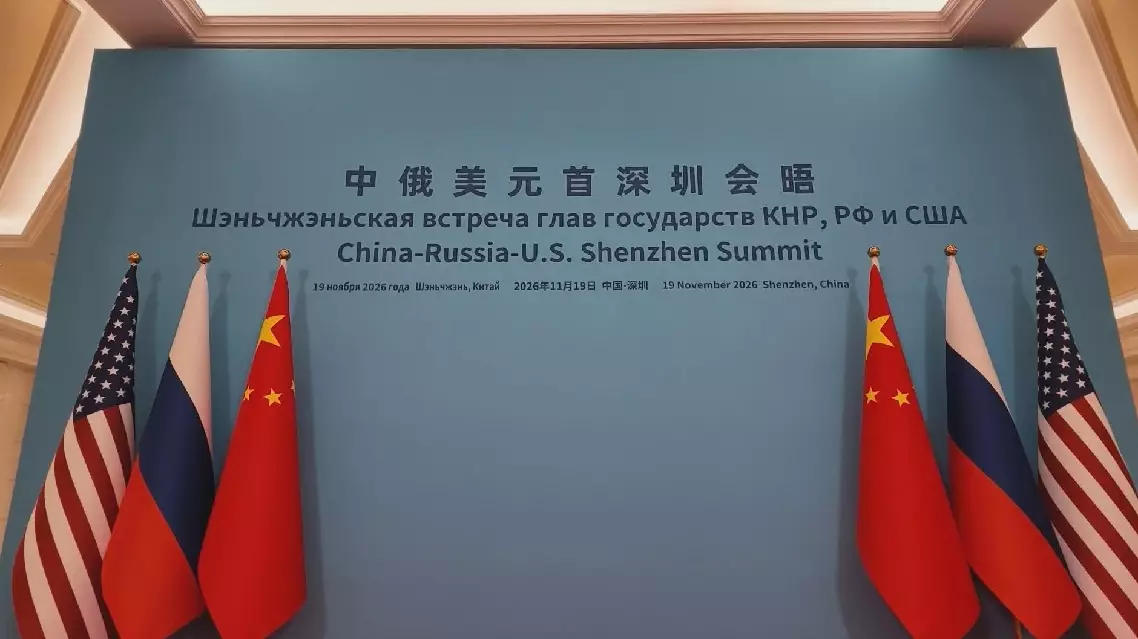
China-Russia-US summit sends positive signals to world: Int'l scholars