COP31 presidency Türkiye released second draft cover decision on Thursday, focusing on the shift from consensus to concrete actions by highlighting funding arrangements and implementation pathways.
In terms of emission reduction, Türkiye put forward that electricity ought to be increased to 35 percent in global final energy consumption by 2035.
To achieve the goal, the draft proposes expanding installed capacity of renewable energy, improving energy efficiency, modernizing the power grid, and developing energy storage systems. Meanwhile, carbon capture, utilization, and storage (CCUS) was also identified as a key priority.
Climate adaptation and financial support are another focal point of the draft. It calls for increasing global climate adaptation finance to at least three times its current level by 2035, especially to those Africa and small island developing states (SIDS).
In addition, the draft outlines plans to expand early warning system coverage to everyone by 2027 and strengthen countries' capacity to respond to climate-related disasters such as droughts and floods.
It is worth noting that climate finance is not only about the amount of funding available, but also about whether it can be translated into actual investment and tangible projects.
For developing countries that face high climate risks and have limited capacity to respond, the effectiveness of their climate adaptation efforts depends directly on whether funding is invested in infrastructure development and stronger disaster preparedness systems.
Bridging the gap between financial commitments and actual needs remains a key challenge for this year's conference.
COP31 President of Negotiations Minister Chris Bowen said the presidency would use the latest draft as the basis for intensive consultations with negotiating groups, with the aim of building consensus among all parties.
Overall, the second draft sets out specific targets and timelines for emissions reduction, climate adaptation, and financial support. However, it remains a basis for negotiations, and the proposed measures still require further coordination among the parties.
The challenge now is not only to reach agreement on paper, but also to establish an implementation mechanism that is practical and backed by adequate funding.
Whether climate commitments lead to tangible action, funding is delivered, and projects are implemented will be important measures of COP31's outcomes.
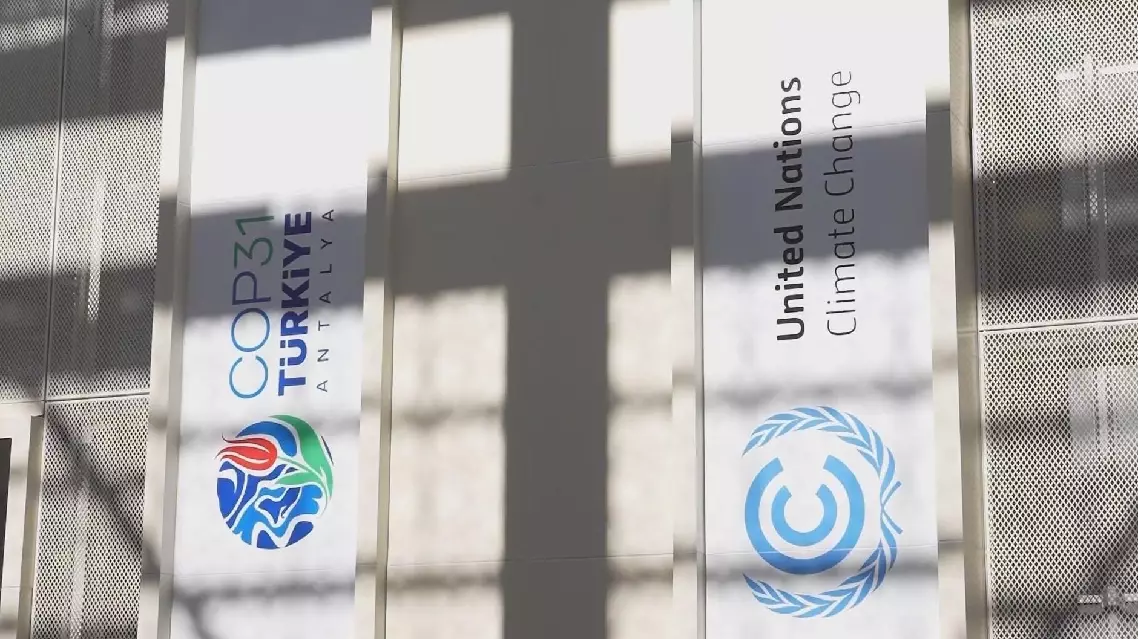
COP31 unveils second draft cover decision focusing on practicality
Iran is willing to end the current state of "neither war nor peace" through negotiations with the United States, and its proposed two-day plan to reopen the Strait of Hormuz remains on the table, Iranian Foreign Minister Seyed Abbas Araghchi has said.
In a recent interview with Iranian media, Araghchi said that Tehran seeks a lasting agreement through diplomacy that would safeguard its national interests and prevent another war, on condition that the United States clearly expresses its willingness to reach an agreement and takes necessary confidence-building measures.
Iran's proposed plan to cease hostilities and reopen the strait initially envisaged a seven-day implementation period, which was later shortened to two days.
According to Araghchi, the plan stipulates that Washington fulfills its commitments on the first day, including lifting recently imposed sanctions against Iran, and Tehran will reopen the strait and begin negotiations with Washington on the second day.
Washington did not respond positively to the submitted plan, Araghchi said, adding that the proposal remains valid if the United States is genuinely serious about reaching an agreement.
Iran's seven conditions for reopening the strait must be fulfilled, but Tehran is prepared to discuss their implementation and timetable, even if the two-day period is further shortened, he said.
Iran is also ready to hold expert-level talks with the United States on the details of the proposal, provided that Washington first revises its position and takes the necessary confidence-building measures, he added.
Regarding regional mediation efforts, Araghchi said that Qatar and Pakistan continue to convey messages, exchange views and put forward proposals between Iran and the United States, and that the existing communication channels remain active. Iran currently sees no reason to replace the mediators or add new ones, he said.
Araghchi stressed that lasting regional peace must be inclusive, and that it is impossible for some countries to enjoy peace and development while others continue to face sanctions, economic pressure and insecurity.
U.S. President Donald Trump said Friday that Iran is interested in reaching an agreement with the United States but remains unwilling to accept terms Washington considers acceptable.
"Iran wants to make a deal, but they don't want to make a deal that's acceptable to me," Trump told reporters at a White House press conference.
Trump's special envoys Steve Witkoff and Jared Kushner met with senior Qatari officials in Berlin on Thursday to discuss mediation efforts, U.S. online news outlet Axios reported.
In a telephone interview with Axios on Thursday, Trump suggested he would not make a decision on his next steps regarding Iran until the new year.
Iran's Parliament Speaker Mohammad Baqer Qalibaf said Monday that peace will not be restored to the West Asia region without ending the war in Lebanon.
Iranian FM says Tehran ready for talks with U.S. on plan to reopen Strait of Hormuz