With rising energy prices, many institutions in Germany have sped up their pace in energy transition by reducing reliance on fossil fuels and increasing usage of photovoltaic power.
A kindergarten in Dusseldorf is one of the epitomes in this trend. In the past, the kindergarten depended on fuel oil for heating. But nowadays, it began to explore more independent solutions, such as solar panels and energy storage units.
The kindergarten installed 60 solar panels on its building roof, along with power storage units. This system's peak power output can reach about 30 kW, and it is expected to produce about 28,000 kWh of electricity annually.
"We also have battery storage units that can be charged with surplus electricity, allowing us to store power over the weekend for use during the kindergarten's regular operating hours. This provides a good amount of electricity for our building," said Peter Soliman, principal of ISR International Kindergarten Dusseldorf.
Installing the solar equipment has not only made the kindergarten's energy supply more reliable, but also cut costs and reduced carbon emissions.
The kindergarten says Chinese solar and energy storage solutions are highly competitive in the German market. After comparing several suppliers, it chose the Chinese products, and plans to replicate the model at a nearby new campus.
"First, Chinese solar products have already proven themselves in the German market. For German customers, the ability to deliver is even more important. Here today, for example, we're showing the customer how to use and debug our products as part of our service offering," said Cao Zhicheng, technical director of a German photovoltaic installation company.
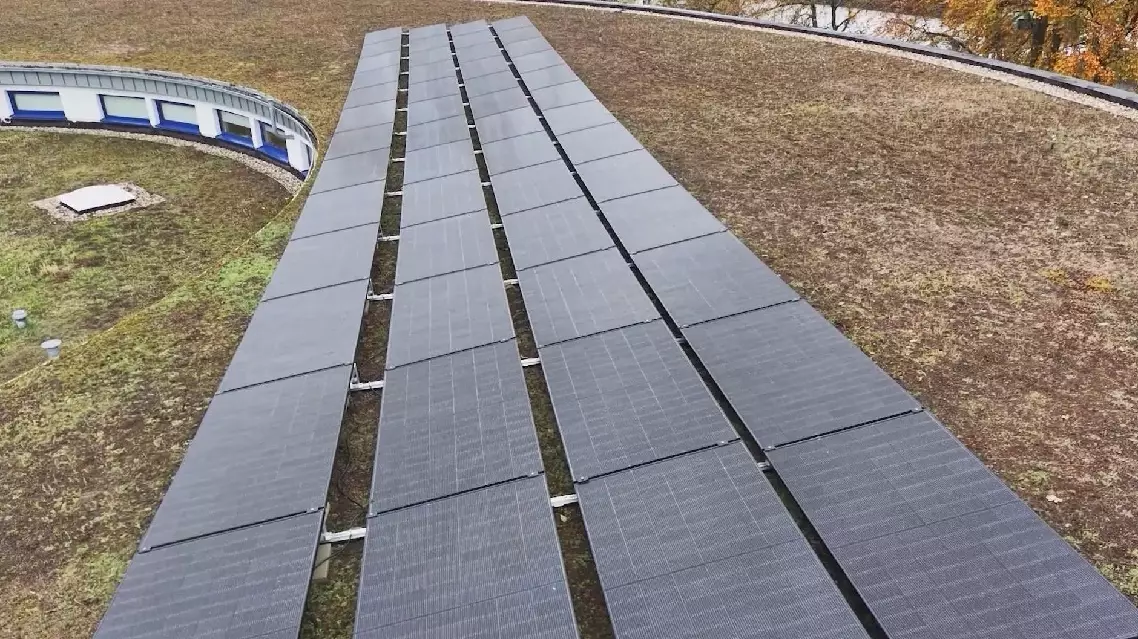
Germany speeds up energy transition with photovoltaic power application
The agriculture sector in Mauritius is reeling from the effects of El Nino-driven heat and drought this year, which slashed crop yields and raised irrigation costs and food prices.
The dry spell has severely tightened water supplies since September, sending levels at the Mare aux Vacoas, the country's largest reservoir below 40 percent, well down from a year earlier.
In a field on the outskirts of Port Louis, sustained high temperatures have continued to stunt vegetable growth.
"Since three months currently since the start of this issue in Mauritius. So we have an impact around the loss of 40 percent in our production. So if this continues, it's going to be increased of course," said Dharshini Anishta, the head of a local agricultural company.
The impact has extended beyond open fields, with rising temperatures also damaging vegetables grown inside greenhouses.
"And the weather, the temperature outside and inside have increased like two or three degrees more. That's why these peppers get burned like that," said Seesurrun Madhan, a local farmer.
In response, the government has rolled out measures to enhance agricultural production, including developing drought resistant crops and installing water storage facilities.
"Our research center is producing drought resistant seeds and we're working with financial institutions; World Bank, IMF, now they are coming to terms and give recognition to the specificity of small island development," said Arvin Boolell, the minister of Agro-Industry, Food Security, Blue Economy and Fisheries of Mauritius.
Alongside seed research and international support, local organizations are also pushing for practical, low cost water storage solutions to cope with prolonged dry spells.
"Because now with the El Nino and the climate change, this condition will go for long. [We need to] create a reservoir. It's easy to manage and it doesn't cost a lot of money. We hope this can be done," said Nundkeswarsing Bossoondyal, the CEO of United Nations Association of Mauritius.
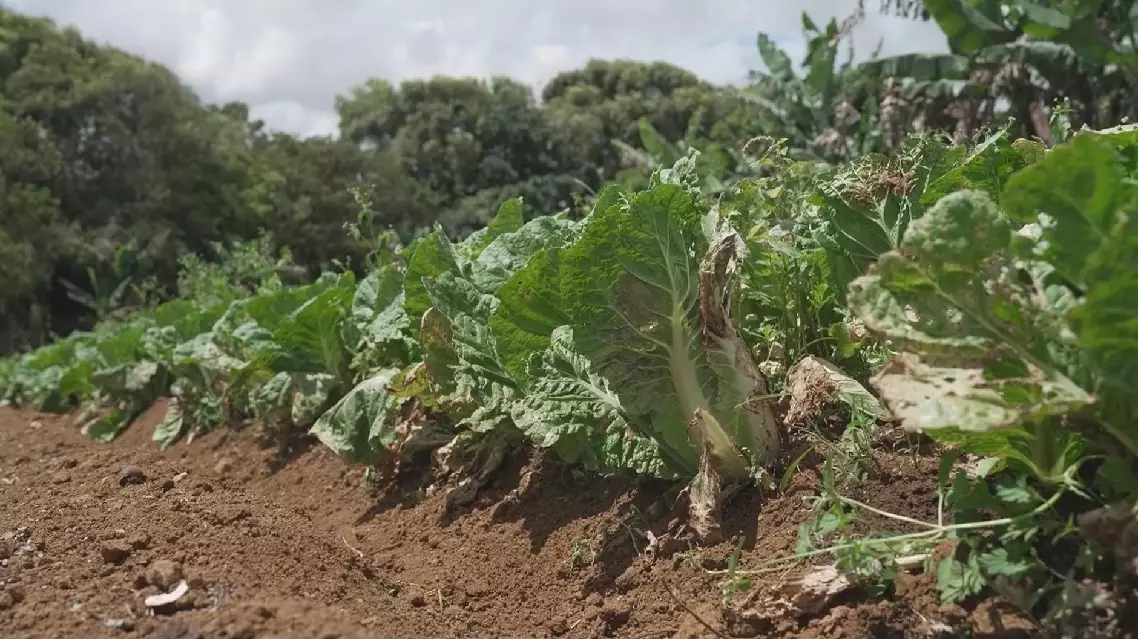
Severe drought strains Mauritius agriculture, pushing up food prices