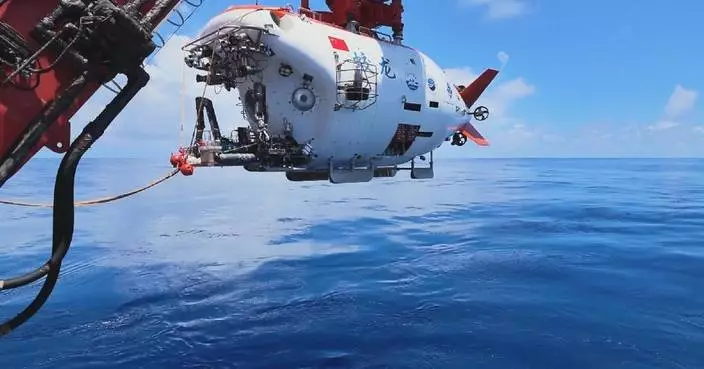
Chinese and Vietnamese navies concluded their 41st joint patrol in the Beibu Gulf on Saturday.
The two-day operation comprising four vessels covered a total distance of 351 nautical miles over 32 hours.
The two sides rotated command authority in stages, exchanged information such as course and speed, and maintained real-time situational awareness at sea.
They also conducted a joint search and rescue drill simulating a scenario where one fishing boat from each country was in distress in the Beibu Gulf. The exercise effectively demonstrated their capabilities in command and emergency response under complex conditions.
Following the agreed-upon procedures for alternating command, the joint patrol fleet carried out a series of maneuvers to shift and maintain formations, during which the two sides maintained close and effective communication and coordination.
Since the signing of the Agreement on Joint Patrols by the Navies of China and Vietnam in the Beibu Gulf in 2005, these patrols have served as a stable platform for communication, helping both sides deepen cooperation and enhance strategic mutual trust.
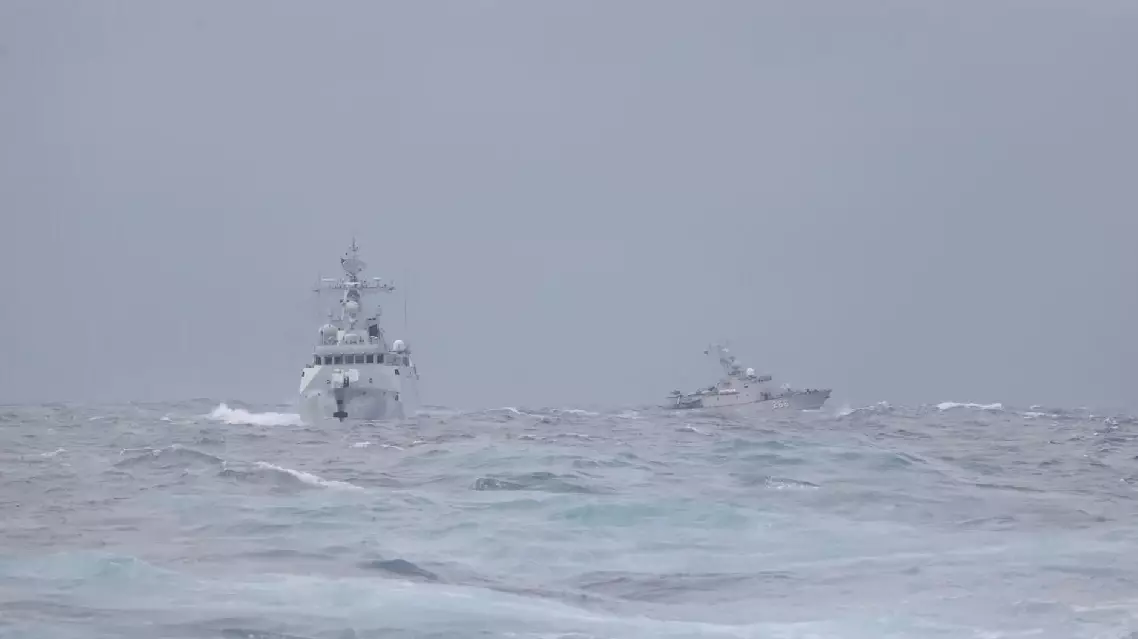
China, Vietnam conclude 41st Beibu Gulf joint patrol
The war in Gaza has forced tens of thousands of Palestinian children out of school and into hard labor to help support their families, leaving many struggling to survive amid widespread displacement and devastation.
The conflict has driven a deepening humanitarian crisis that leaves children without the basic rights to life, education, health, and safety that United Nations member states are committed to upholding.
Among them is 15-year-old Ahmed Al-Zabda, struggling to make a living amid the devastation. He spends his days chipping cement away from stones and tiles salvaged from destroyed homes.
Displaced from Gaza City's Shujaiya neighborhood, Ahmed was forced to leave school to help provide for his family. His experience reflects the growing hardship facing children whose families have lost both their homes and their livelihoods.
"I go to work at seven in the morning and stay until after sunset. I have no choice because I need to earn a living and help my family with expenses. At night, I can't sleep because my back, legs and hands hurt. I face many difficulties doing this work," said Ahmed.
For Ahmed, school has been replaced by hard labor, reflecting how the war has disrupted the lives of children across Gaza.
"Anyone my age should never have to do this kind of work. They should be studying at school or playing and enjoying their freedom. But here, at this age, we have no freedom. Either you work, or you have nothing to eat," he said.
As the family endures increasingly difficult living conditions, Ahmed's mother struggles to provide for her children while holding on to the hope of a better future for her son.
"I don't want to see him work. I wanted him to continue his education because he was an excellent student, one of the top in his class. But his siblings are still young, and he helps us cover their expenses," she said.
UNICEF estimates that around 800,000 displaced children in Gaza are living in dire conditions, many sheltering in tents or damaged buildings without access to basic necessities.
For children like Ahmed, the struggle to survive has come at the cost of their education and childhood, as the burden of supporting their families falls on shoulders far too young to bear.
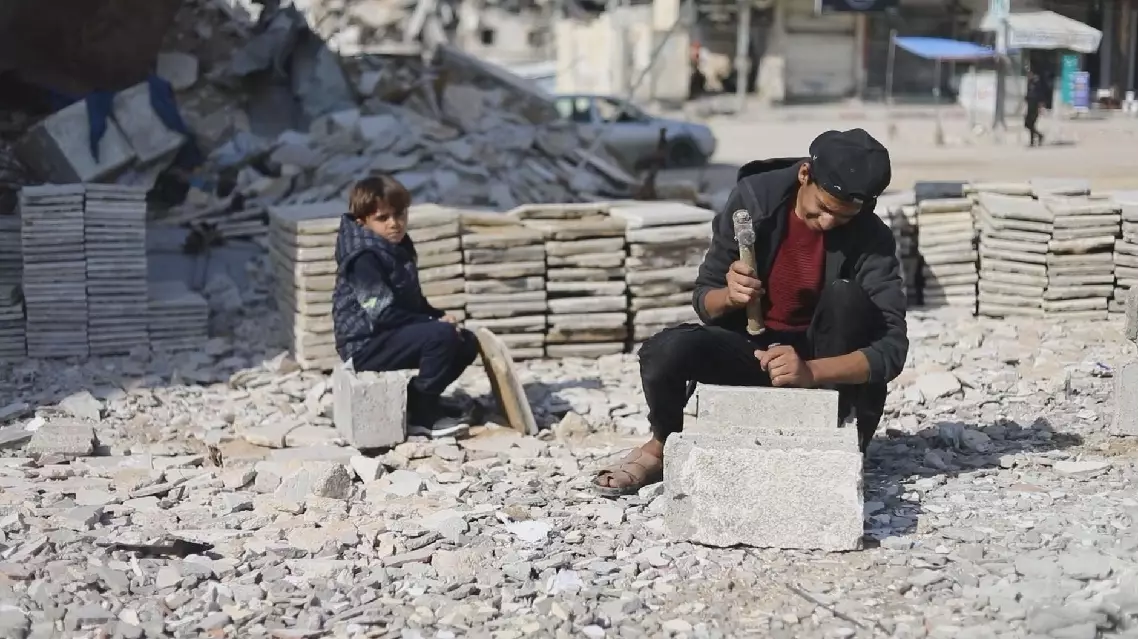
Gaza’s humanitarian crisis forces children out of school, into hard labor