European Council President Antonio Costa on Saturday proposed a revised long-term European Union (EU) budget for 2028-2034, cutting about 44 billion euros more than an earlier plan put forward by Ireland, the current holder of the EU Council presidency, in an effort to break a deadlock among member states.
The Irish presidency's earlier compromise would have reduced the European Commission's original proposal by around 141 billion euros, but it drew resistance from opposing camps and failed to break the deadlock at an October summit. Costa's new proposal cuts further, in an attempt to bridge the gap.
Costa's proposal was opposed by the European Parliament on the day it was announced. Lead lawmakers handling the budget negotiations said the cuts were too deep and could undermine EU investment in defense, innovation and regional development, leaving the bloc ill-prepared for future needs.
Sharp divisions over the budget remain within the EU. EU leaders are due to meet for a special summit in Brussels, Belgium on Thursday and Friday to discuss Costa's proposal.
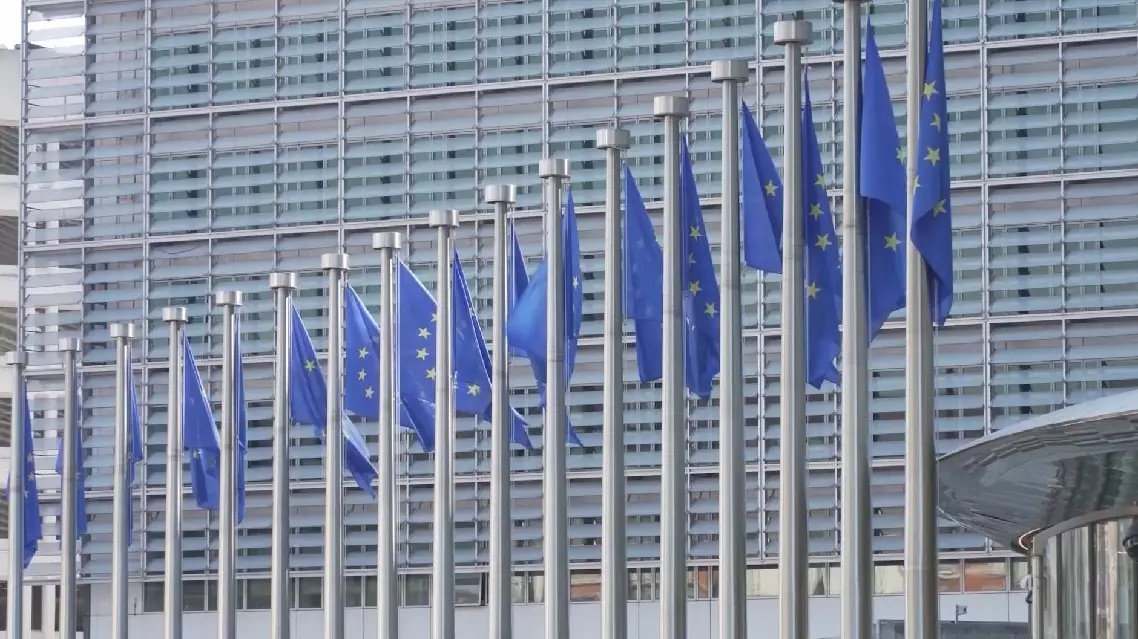
European Council president proposes deeper budget cut, drawing pushback
The war in Gaza has forced tens of thousands of Palestinian children out of school and into hard labor to help support their families, leaving many struggling to survive amid widespread displacement and devastation.
The conflict has driven a deepening humanitarian crisis that leaves children without the basic rights to life, education, health, and safety that United Nations member states are committed to upholding.
Among them is 15-year-old Ahmed Al-Zabda, struggling to make a living amid the devastation. He spends his days chipping cement away from stones and tiles salvaged from destroyed homes.
Displaced from Gaza City's Shujaiya neighborhood, Ahmed was forced to leave school to help provide for his family. His experience reflects the growing hardship facing children whose families have lost both their homes and their livelihoods.
"I go to work at seven in the morning and stay until after sunset. I have no choice because I need to earn a living and help my family with expenses. At night, I can't sleep because my back, legs and hands hurt. I face many difficulties doing this work," said Ahmed.
For Ahmed, school has been replaced by hard labor, reflecting how the war has disrupted the lives of children across Gaza.
"Anyone my age should never have to do this kind of work. They should be studying at school or playing and enjoying their freedom. But here, at this age, we have no freedom. Either you work, or you have nothing to eat," he said.
As the family endures increasingly difficult living conditions, Ahmed's mother struggles to provide for her children while holding on to the hope of a better future for her son.
"I don't want to see him work. I wanted him to continue his education because he was an excellent student, one of the top in his class. But his siblings are still young, and he helps us cover their expenses," she said.
UNICEF estimates that around 800,000 displaced children in Gaza are living in dire conditions, many sheltering in tents or damaged buildings without access to basic necessities.
For children like Ahmed, the struggle to survive has come at the cost of their education and childhood, as the burden of supporting their families falls on shoulders far too young to bear.
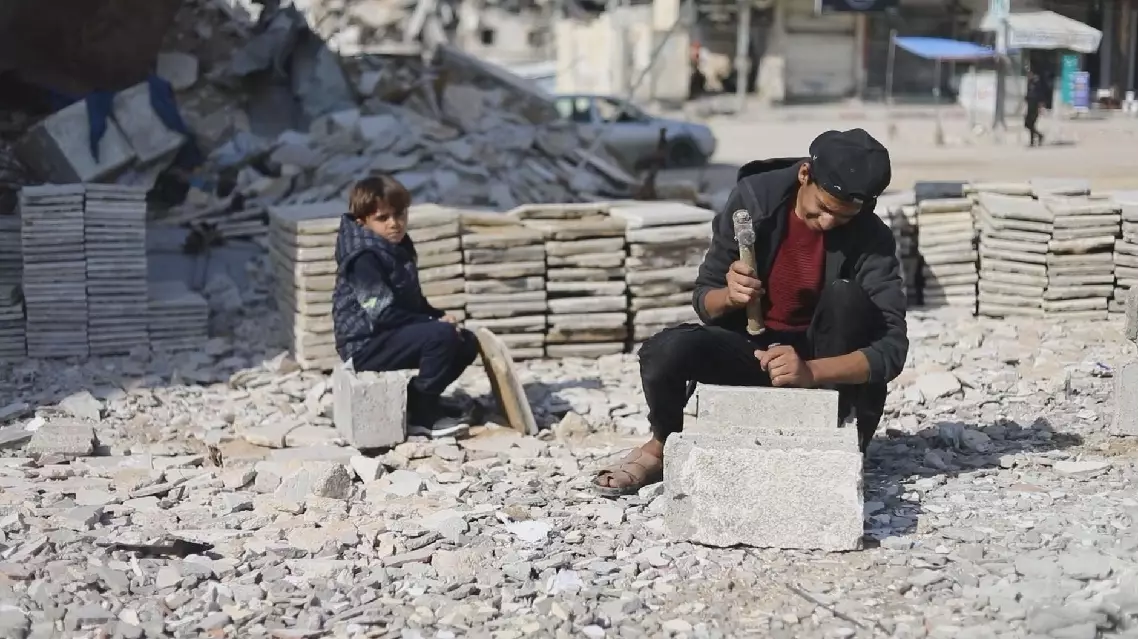
Gaza’s humanitarian crisis forces children out of school, into hard labor