Iran's Islamic Revolution Guard Corps (IRGC) unveiled a new missile base and a two-missile launch system, state-run IRIB news agency reported on Saturday.
The base and the new launcher were unveiled during a visit by Commander-in-Chief of the IRGC Ahmad Vahidi and Chief Commander of the IRGC's aerospace division Seyed Majid Mousavi, the report said.
According to IRIB, the base is home to the IRGC's upgraded and new-generation missiles, which have longer ranges and higher pinpoint precision, and can be guided by domestically developed systems operating independently of the global positioning system.
The new launcher is capable of carrying and firing two liquid-fuel missiles simultaneously, it added.
Mousavi said the capabilities of the IRGC's aerospace division have expanded during the period between the two wars waged by the United States and Israel against Iran, and the organization has developed "surprising and highly effective products designed to intimidate and deter."
Earlier this month, the IRGC's aerospace division unveiled another missile base housing solid- and liquid-fuel ballistic missiles and cruise missiles, according to IRIB.
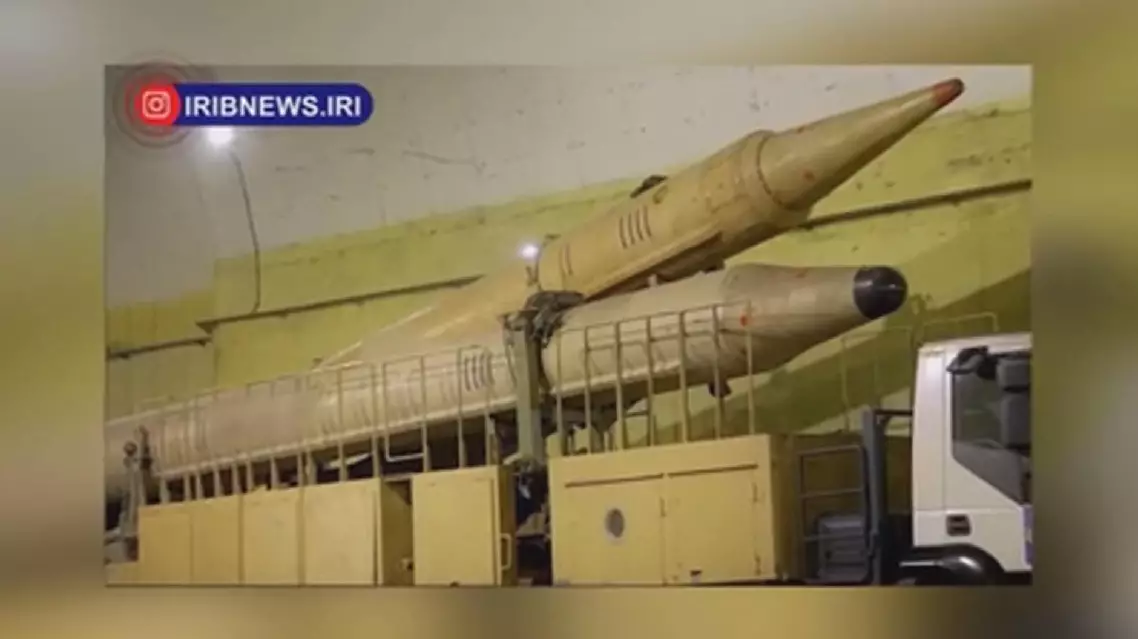
Iran's IRGC unveils new missile base, twin-missile launcher
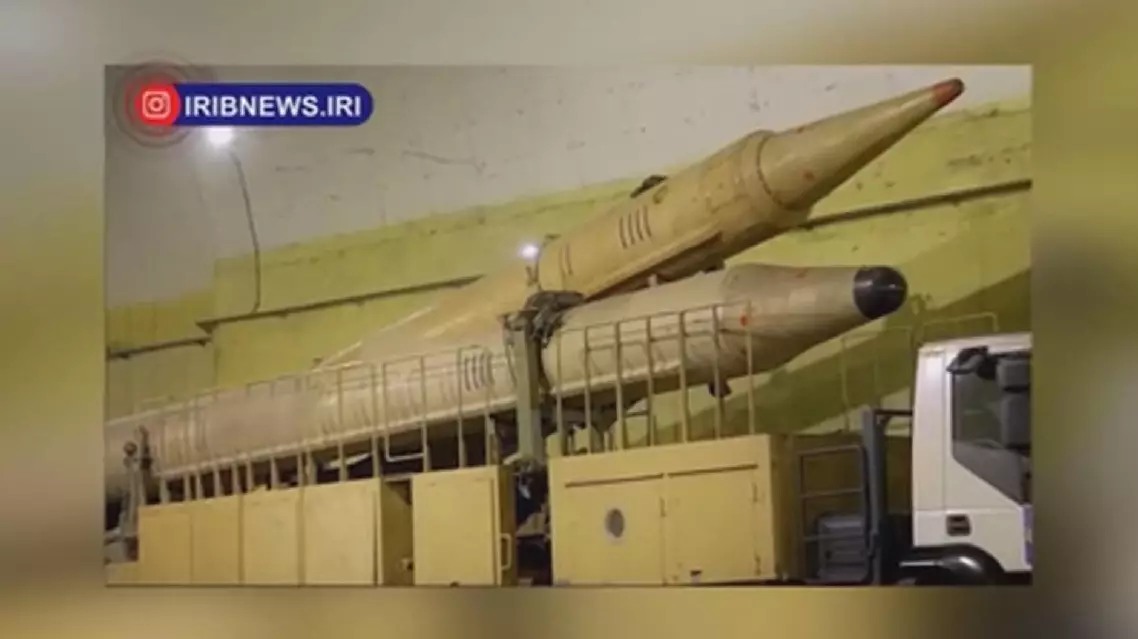
Iran's IRGC unveils new missile base, twin-missile launcher
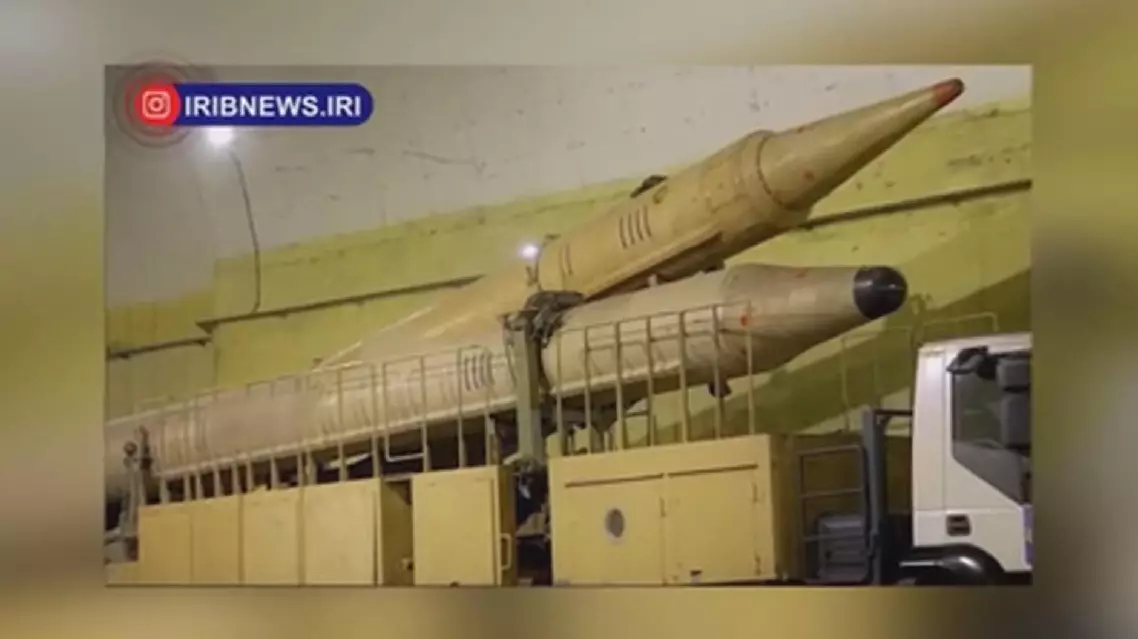
Iran's IRGC unveils new missile base, twin-missile launcher
As Christmas markets light up Budapest, Hungary, the high cost of living caused by inflation is weighing on households.
The holiday season is shining a spotlight on whether the country's fragile economic recovery, after three years of stagnation, will bring relief to ordinary families.
The lights, food and the festive atmosphere of Hungary's Christmas markets bring many people together. But behind the decorations, the rising costs of living is changing how families approach the holidays.
For Marta Petrus, a mother of six, every purchase is a financial calculation.
"We honestly hoped things would get easier, but they haven't. Prices are extremely high, and everything keeps getting more expensive," said Marta.
Marta is a teacher and a school social worker. Her husband works too, while together they also run a business. Yet supporting six children means even basic groceries take a significant share of their income.
"For our family, one kilogram of chicken breast is nowhere near enough. And that already costs more than six U.S. dollars," she said.
For families like Marta's, the lights, food and gifts available at the Christmas market are all part of the magic.
But some things are out of reach. A traditional Hungarian meal in Budapest can cost around 17 dollars, while a traditional cake starts at about nine dollars, reflecting a 36-percent rise in food prices over six years.
"We honestly don't go to the Christmas markets to spend money. We usually just look around. Maybe we'll have a hot chocolate, but that's about it," said Marta.
At Budapest's main Christmas market, vendors have also experienced a financial hit this year.
"Everything is expensive. We also have to pay high rental fees for our stalls, and those costs are reflected in the prices we charge customers," said Zora, a vendor.
Hungary's inflation peaked this year at 2.1 percent, and while prices have since stabilized, economists say a full recovery after around three years of stagnation is both fragile and in the early stages.
At Budapest's Central Market Hall, where people shop for their everyday meals, the cost of putting food on the table is a reminder that the pressure on household budgets doesn't end with Christmas.
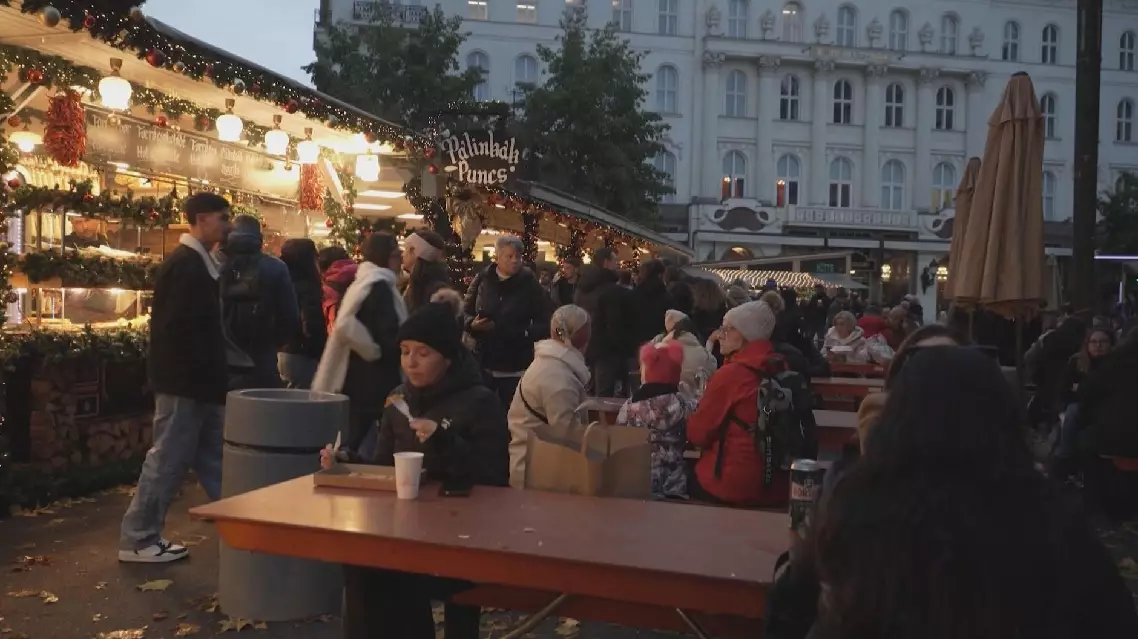
High prices triggered by inflation dampen Hungarian families' Christmas spirit