A new marine wildlife rescue and rehabilitation center has been launched in Peru to help seabirds hit by food shortages triggered by El Nino-driven coastal ocean warming.
Affected by El Nino, sea surface temperatures along Peru's coast keep rising, shifting the habitat and cutting off the main food supply for local seabirds. Since the start of 2026, warm waters have pushed nearshore fish stocks further out to deeper seas, making it far harder for pelicans and Humboldt penguins to hunt and adding further strain to wildlife rescue efforts.
"Many birds are losing weight. They are migrating to other areas in search of food, and some, like pelicans, are even approaching human settlements to find sustenance. We are only just beginning this period of intense heat, and already 5,000 birds have been affected," said Walter Silva, veterinarian at Peru's National Forest and Wildlife Service.
Officially inaugurated on November 17, the specialized center is designed to mitigate the El Nino's impact on Peru's coastal marine ecosystems.
At present, 30 seabirds are under care at the facility, including 24 pelicans, four Humboldt penguins, one booby, and one cormorant. Staff will carry out comprehensive health assessments before releasing the recovered birds in phases.
Experts warn the ongoing El Nino event is projected to persist through winter, signaling tougher tests for marine wildlife protection along Peru's coastline in the months to come.
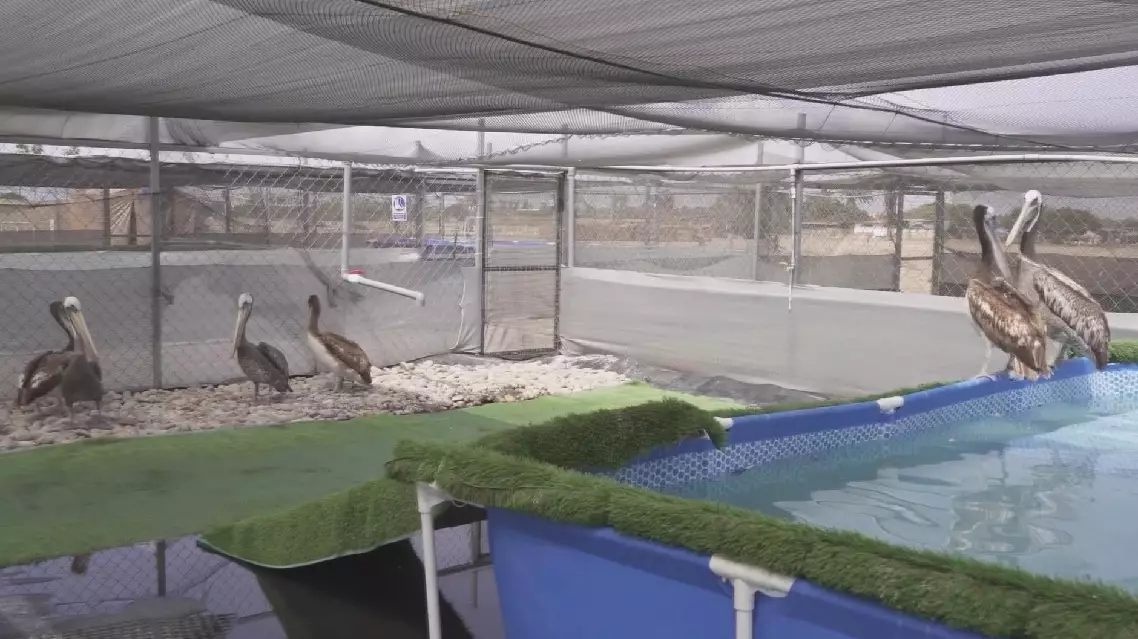
Peru inaugurates seabird rescue center to mitigate El Nino impact
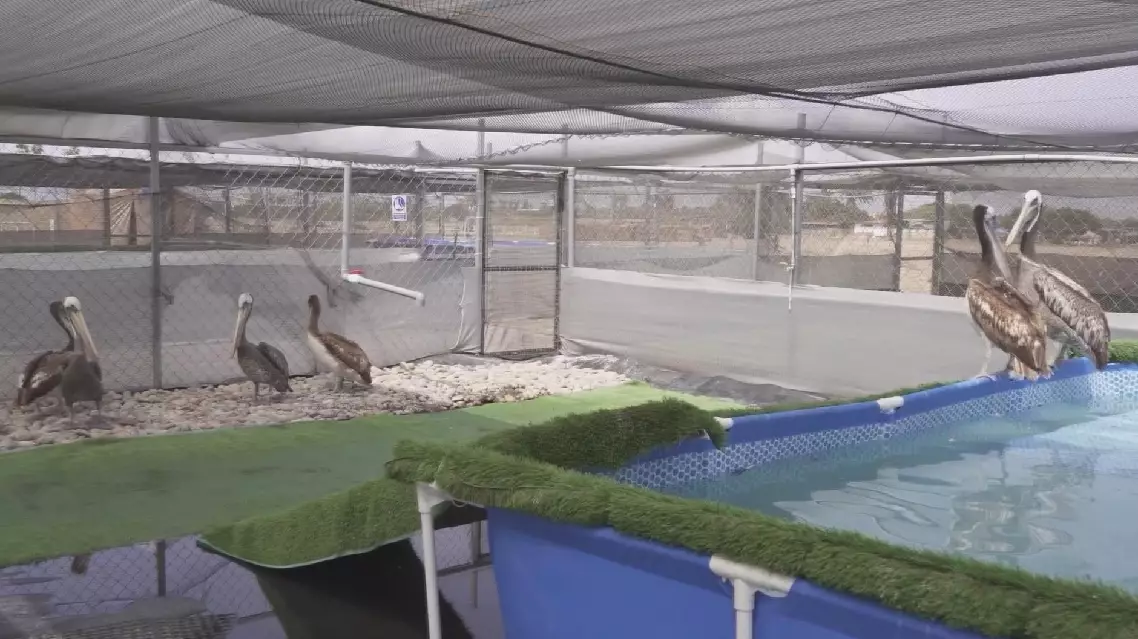
Peru inaugurates seabird rescue center to mitigate El Nino impact
As Christmas markets light up Budapest, Hungary, the high cost of living caused by inflation is weighing on households.
The holiday season is shining a spotlight on whether the country's fragile economic recovery, after three years of stagnation, will bring relief to ordinary families.
The lights, food and the festive atmosphere of Hungary's Christmas markets bring many people together. But behind the decorations, the rising costs of living is changing how families approach the holidays.
For Marta Petrus, a mother of six, every purchase is a financial calculation.
"We honestly hoped things would get easier, but they haven't. Prices are extremely high, and everything keeps getting more expensive," said Marta.
Marta is a teacher and a school social worker. Her husband works too, while together they also run a business. Yet supporting six children means even basic groceries take a significant share of their income.
"For our family, one kilogram of chicken breast is nowhere near enough. And that already costs more than six U.S. dollars," she said.
For families like Marta's, the lights, food and gifts available at the Christmas market are all part of the magic.
But some things are out of reach. A traditional Hungarian meal in Budapest can cost around 17 dollars, while a traditional cake starts at about nine dollars, reflecting a 36-percent rise in food prices over six years.
"We honestly don't go to the Christmas markets to spend money. We usually just look around. Maybe we'll have a hot chocolate, but that's about it," said Marta.
At Budapest's main Christmas market, vendors have also experienced a financial hit this year.
"Everything is expensive. We also have to pay high rental fees for our stalls, and those costs are reflected in the prices we charge customers," said Zora, a vendor.
Hungary's inflation peaked this year at 2.1 percent, and while prices have since stabilized, economists say a full recovery after around three years of stagnation is both fragile and in the early stages.
At Budapest's Central Market Hall, where people shop for their everyday meals, the cost of putting food on the table is a reminder that the pressure on household budgets doesn't end with Christmas.

High prices triggered by inflation dampen Hungarian families' Christmas spirit