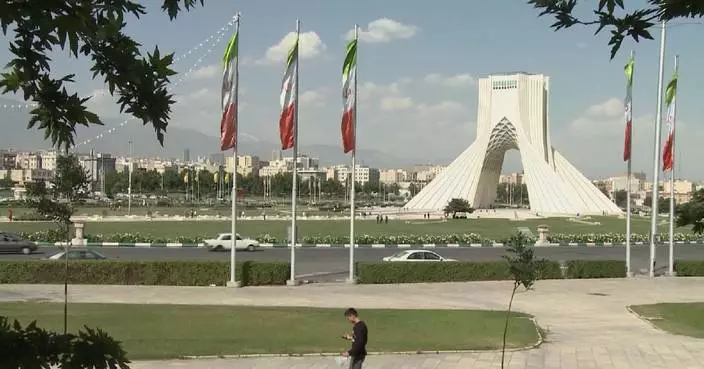
Iran held talks with a visiting Qatari delegation for resolving the conflicts with the United States, Iranian Deputy Foreign Minister for Legal and International Affairs Kazem Gharibabadi said on Saturday.
A Qatari delegation arrived in Tehran on Friday night. The two sides held consultations for about two hours, Gharibabadi told reporters in the Iranian capital.
He said that Iran remains in contact with mediators, including Qatar, in an effort to resolve the conflict through diplomatic channels.
The two-day plan to cease hostilities and reopen the Strait of Hormuz is the sole proposal put forward by Iran, and it is still on the table, Gharibabadi said.
He added that whenever the United States meets the requirements for implementing the plan, "we can move forward with confidence."
Iran conveyed to the United States a seven-day proposed plan in September to cease hostilities and reopen the Strait of Hormuz. The country later voiced its readiness to reduce the proposal's implementation period to two days should the United States meet Iran's conditions.
The deputy foreign minister also said on Saturday that Iran considers the U.S.-imposed economic blockade an "act of war" and will take every necessary measure to break it.
On Feb. 28, Israel and the United States launched joint attacks on Tehran and other Iranian cities. Iran responded with waves of missile and drone attacks targeting Israel and U.S. bases and assets in the region, and tightened its grip on the Strait of Hormuz.
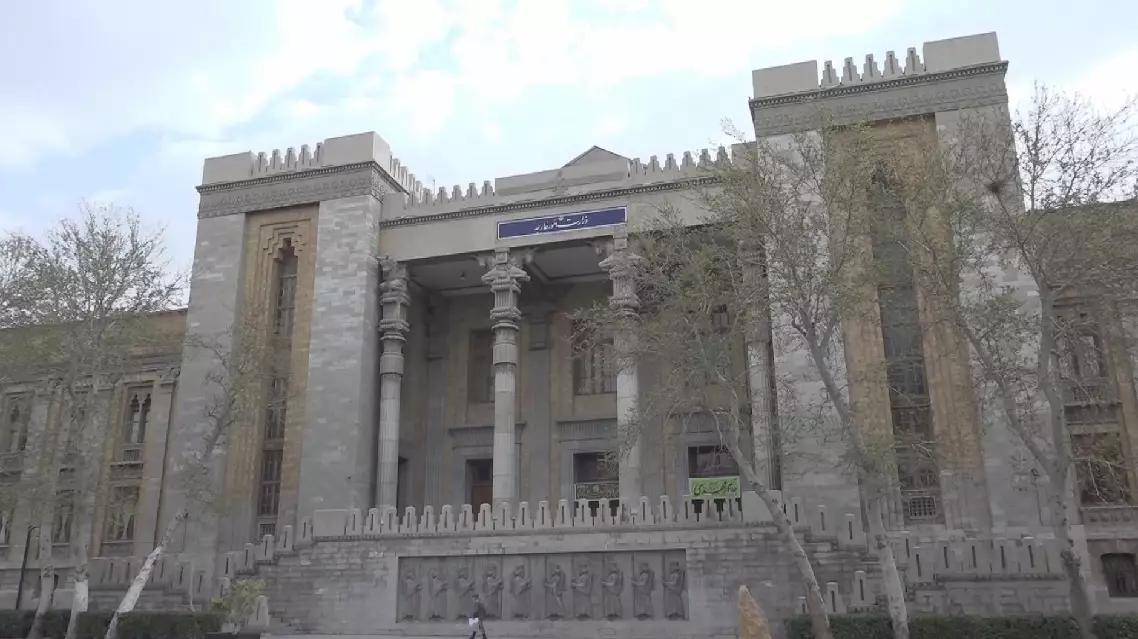
Iran says holding talks with visiting Qatari mediators
Local communities and global visitors gathered in Kenya's Maasai Mara region for the annual Maa Cultural and Tourism Festival to celebrate Maasai heritage and expand cultural tourism in the area.
By connecting traditional customs with modern enterprise, the event serves as a key platform for boosting local livelihoods and promoting cross-cultural exchange.
The festival drew both local residents and foreign guests eager to engage directly with Maasai customs, with many visitors adopting traditional dress as part of the experience.
"I am dressed as a Maasai because it's the Maa festival, and I thought it was important to embrace the culture, and to be fully there and to also understand the culture here," said an international tourist.
For exhibitors, the festival offered an opportunity to exchange ideas, build networks and explore tourism possibilities.
"There are so many booths here. We've come with innovations from our university, and this is where we can meet different people because the people we meet here are from diverse places," said a university student.
For many first-time foreign guests, personal connections to the community proved to be the biggest draw.
"This is my first time to come here for the event. Because My friend Peter, he told me this is very important for the Maasai people and Maasai culture, so he wanted me to see and experience the culture here, the Maasai culture. We are from all over the world," said another international tourist.
Through the endless performances, and cuisine, it remains clear that the Maasai people still have so much to offer the outside world. The festival has brought tradition and new opportunities together and its bigger promise lies in an even bigger global appetite for the cultural gems within the Maasai community.
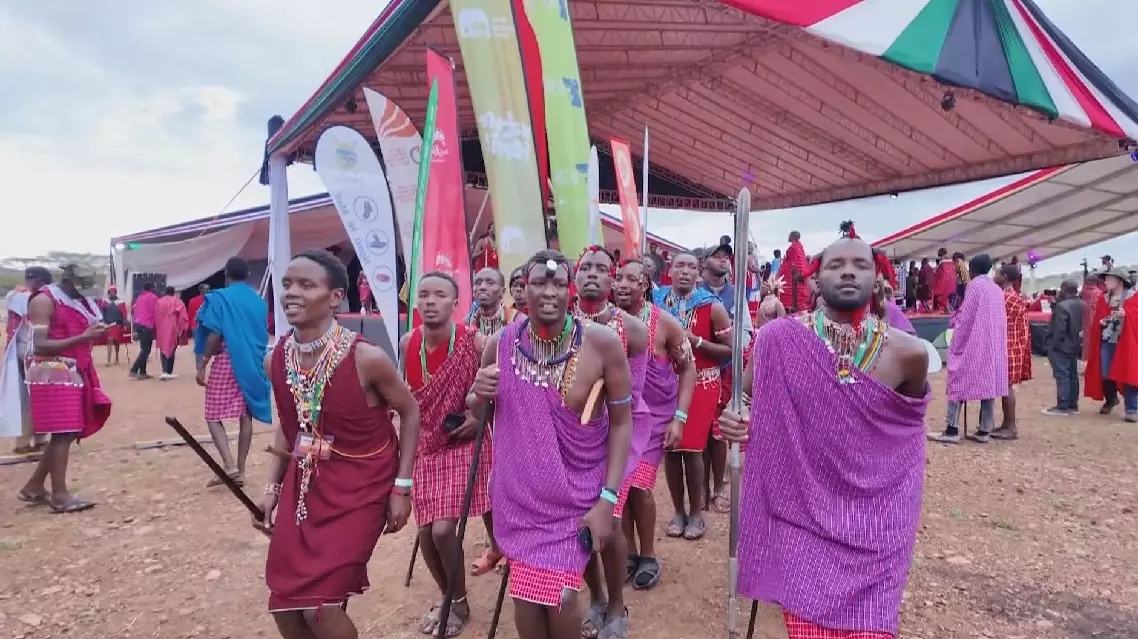
Annual cultural festival showcases Maasai heritage, boosts tourism in Kenya