The 31st United Nations Climate Change Conference (COP31) has run over time after delegates failed to reach a final agreement on several core issues, notably the phasing out of fossil fuels and binding financial commitments to support poorer countries in coping with the escalating impacts of climate change.
Originally scheduled to conclude on Friday, the summit was still ongoing as of late Saturday evening, with no official closing time yet announced.
Highlighting the urgency and complexity of the negotiations, Darragh O'Brien, Ireland's Minister for Climate, Energy and the Environment and Minister for Transport, emphasized the gravity of the situation.
He stressed that fossil fuels' impact must be clearly and unequivocally recognized. Acknowledging the efforts of the summit's leadership, he noted that a final deal remains elusive.
Frustration over the slow progress was echoed by Vanuatu's Environment Minister, Ralph Regenvanu, who said that while the talks began on a promising note, momentum has unfortunately stalled.
Despite mounting tensions and delays, COP31 President Murat Kurum, also Turkish Minister of Environment, Urbanization and Climate Change, has urged patience and perseverance.
He said that while UN climate conferences frequently encounter deadlocks, they are convened precisely to overcome them. He expressed hope that this summit could break the pattern.
Hosted in Antalya, Türkiye, the two-week conference has brought together representatives from nearly 200 countries and regions, with a focus on translating the promises of previous summits into actionable, quantifiable outcomes.
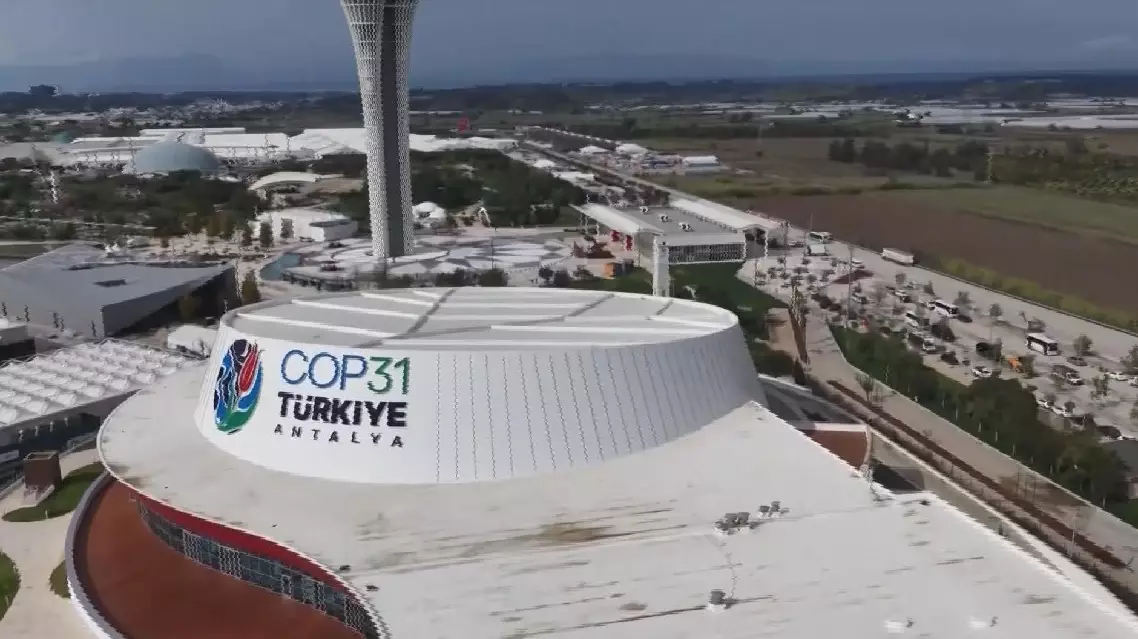
COP31 runs into overtime as countries remain deadlocked on final deal