BEIJING, Nov. 24, 2026 /PRNewswire/ -- Pingshun County in Changzhi City in north China's Shanxi Province is stepping up efforts to upgrade its Lu Dangshen industry through germplasm cultivation, standardized planting, deep processing and brand building, turning resource advantages into industrial growth.
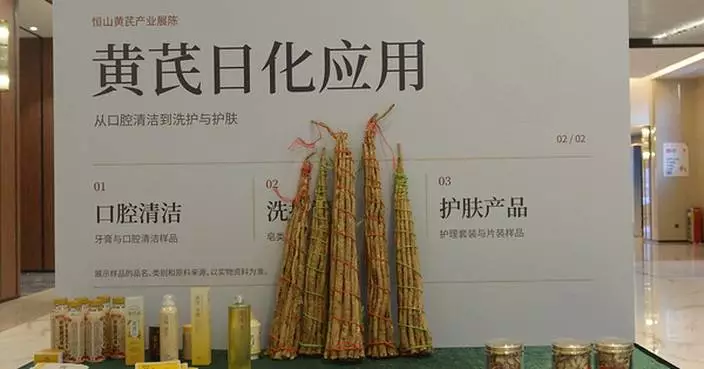
As the origin of Lu Dangshen, also known as Lu codonopsis, a traditional Chinese medicine, Pingshun's southeastern mountainous areas, at elevations of 800 to 1,500 meters, feature large temperature variations between day and night and fertile, loose soil, nurturing the herb's distinctive appearance known as "tiger head, phoenix tail and a chrysanthemum-shaped core." Lu Dangshen contains 18 amino acids and seven essential trace elements, with its extract content exceeding 60 percent, above the national standard.
Technology is driving the development of the entire industrial chain in Pingshun. In recent years, the county has worked with research institutions, including the China Academy of Chinese Medical Sciences, on germplasm conservation, improved variety cultivation and standardized planting, while upgrading processing technologies and boosting production.
The county now has 40 medicinal herb processing enterprises producing more than 40 varieties, including Lu Dangshen slices, concentrated granules and oral liquids. New products such as Lu Dangshen-made tea, liquor, and snacks are also emerging. A quality traceability platform assigns each piece of Lu Dangshen root a digital ID, enabling tracking from field to table.
To further explore market potential, Pingshun is building an online-offline marketing network, using unified branding, promotional campaigns and e-commerce to bring Lu Dangshen beyond the mountains to broader markets.
The county has registered the geographical indication trademark "Pingshun Lu Dangshen" and organized Lu Dangshen cultural festivals to showcase the herb's quality and cultural heritage.
Beyond Lu Dangshen, Pingshun is home to hundreds of medicinal plants. The county is also developing platforms for trading, testing, information sharing and research to build a regional hub for medicinal herbs. Its medicinal herb industry generated 2.037 billion yuan (about 306 million U.S. dollars) in output value in 2025.
Under Changzhi's 2025-2027 action plan for the Lu Dangshen industry, by 2027, the city aims to expand Lu Dangshen cultivation to more than 100,000 mu (about 6,700 hectares), achieve output of over 11,000 tonnes, generate agricultural output value of more than 1.1 billion yuan (about 165 million U.S. dollars) and processing output value exceeding 2 billion yuan (about 300 million U.S. dollars).
Original link: https://en.imsilkroad.com/p/353153.html
** This press release is distributed by PR Newswire through automated distribution system, for which the client assumes full responsibility. **

Xinhua Silk Road: Shanxi's Pingshun County accelerates upgrading of Lu Dangshen industry
At Singapore FinTech Festival, Bybit's Chief Legal & Compliance Officer highlighted the importance of practical use cases, regulatory alignment and operational safeguards.
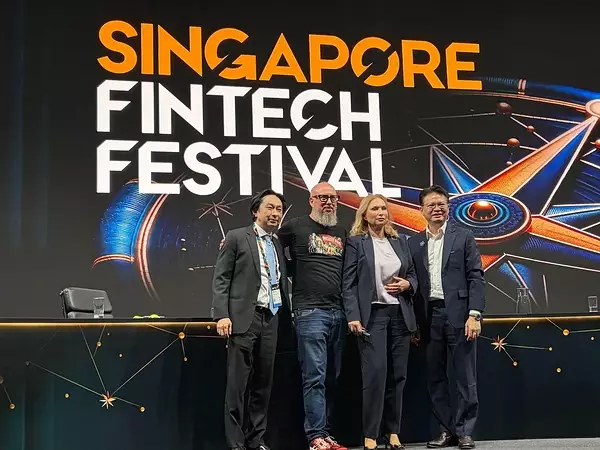
DUBAI, UAE, Nov. 24, 2026 /PRNewswire/ -- Programmable money must address real-world needs, backed by clear regulatory standards and strong operational safeguards, said Peter Loo, Chief Legal & Compliance Officer at Bybit, during a panel discussion at Singapore FinTech Festival on November 19.
Speaking at the SFF Future Matters Stage session, "Building Trusted Hubs for Programmable Money," Peter shared his views on the challenges facing programmable finance, including the need to establish clear user demand, improve coordination across regulatory frameworks and build trust through sound operational practices.
Real-world demand should drive innovation
Peter said the development of programmable money and tokenisation should start with a clear understanding of the problems they aim to solve. Technology alone is not a reason to develop a new financial product. Firms should first establish whether a solution meets a genuine market need, offers practical benefits to users and delivers something that existing financial services cannot.
Regulatory alignment can improve the payment experience
Peter highlighted the complexity of payment transactions, which can involve four to six regulated entities operating under different regulatory frameworks. Each institution may have its own risk appetite, transaction monitoring requirements and fraud prevention measures. These differences can create delays or interruptions, even when the payment process appears straightforward to users.
He called for greater clarity on standards across the payment chain, covering technical requirements, on-chain and off-chain activities, transaction values, monitoring practices and fraud controls. A risk-based approach remains important, but better alignment could help reduce friction while maintaining appropriate safeguards.
He also noted that users may find it difficult to understand why a transaction is restricted when the decision comes from a third-party service provider. Clearer responsibilities among participating institutions would help address this challenge.
Smart contracts offer potential for automated savings products
Peter also discussed how programmability could support savings-related products. Smart contracts, for example, could automate the distribution of yield generated by underlying assets through the issuance of additional token units. This could reduce manual processes and make the distribution of returns more efficient.
Trust comes down to execution
Drawing on his experience as a former regulator, Peter said firms must demonstrate that their actual practices match the policies and commitments they present to regulators and customers.
He highlighted clear responsibilities to customers, sound wallet and treasury management, secure infrastructure and operational resilience as essential requirements. These expectations apply to both digital asset businesses and traditional financial institutions.
Peter also stressed that governments and regulators need to understand the intended use cases of programmable money and assess how regulatory frameworks support the needs and interests of end users.
The discussion highlighted the importance of balancing financial innovation with practical utility, regulatory clarity and sound risk management as programmable money continues to develop.
Disclaimer: Bybit is not licensed by the Monetary Authority of Singapore (MAS) and does not offer its products or services to users in Singapore.
About Bybit
Bybit is The New Financial Platform.
We believe every person should have access to every financial opportunity on earth. That's why we're building the first intelligent platform that connects anyone, anywhere to the world's finance.
Trusted by more than 90 million users worldwide, Bybit brings together investing, trading, payments, and wealth-building in a single secure and intelligent ecosystem. Through the combination of AI-powered technology, deep global liquidity, robust security, and transparent operations, Bybit makes global finance more accessible, efficient, and empowering for everyone.
Built for everyone. Powered by intelligence. Open to the world.
Learn more at Bybit.com.
For more details about Bybit, please visit Bybit Press
For media inquiries, please contact: media@bybit.com
For updates, please follow: Bybit's Communities and Social Media
Discord | Facebook | Instagram | LinkedIn | Reddit | Telegram | TikTok | X | YouTube
** This press release is distributed by PR Newswire through automated distribution system, for which the client assumes full responsibility. **
Bybit's Peter Loo: Trust is Key to the Future of Programmable Money