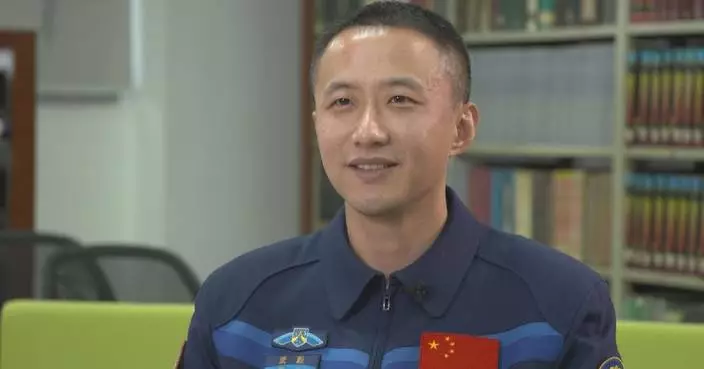
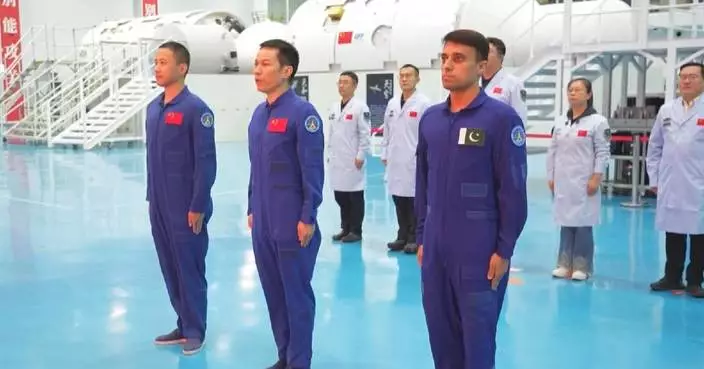
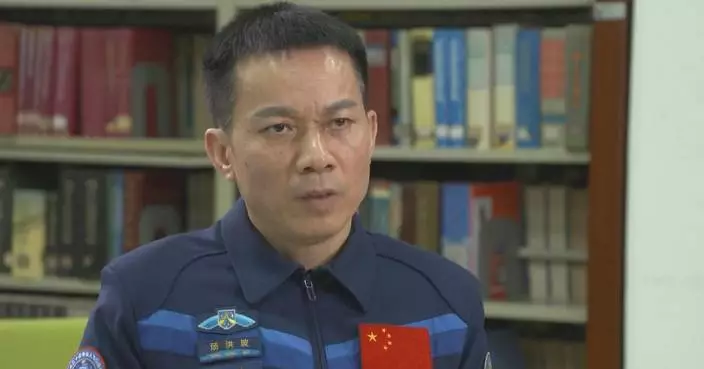
The Shenzhou-24 crewed mission will conduct four scientific experiments in collaboration with Pakistan aboard the Chinese space station, including two new life science experiments.
Pakistani astronaut Muhammad Zeeshan Ali, selected as a payload specialist to join the Shenzhou-24 spaceflight mission, will conduct in-orbit scientific experiments.
The four experiments span life sciences and materials science, with two life science studies focusing on the photosynthetic microorganism cyanobacteria and the specialty grain crop quinoa.
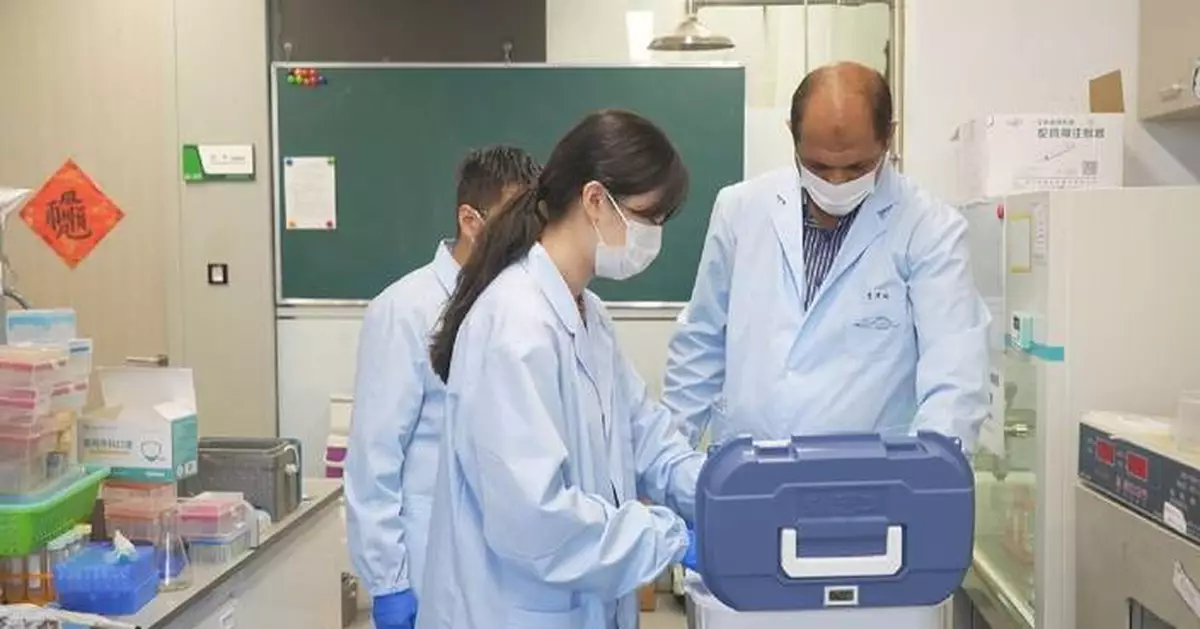
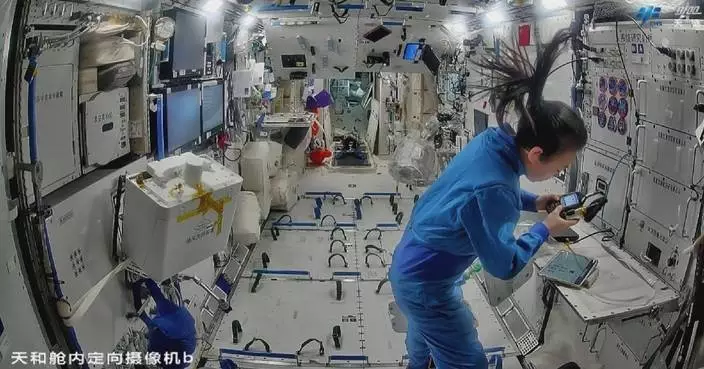
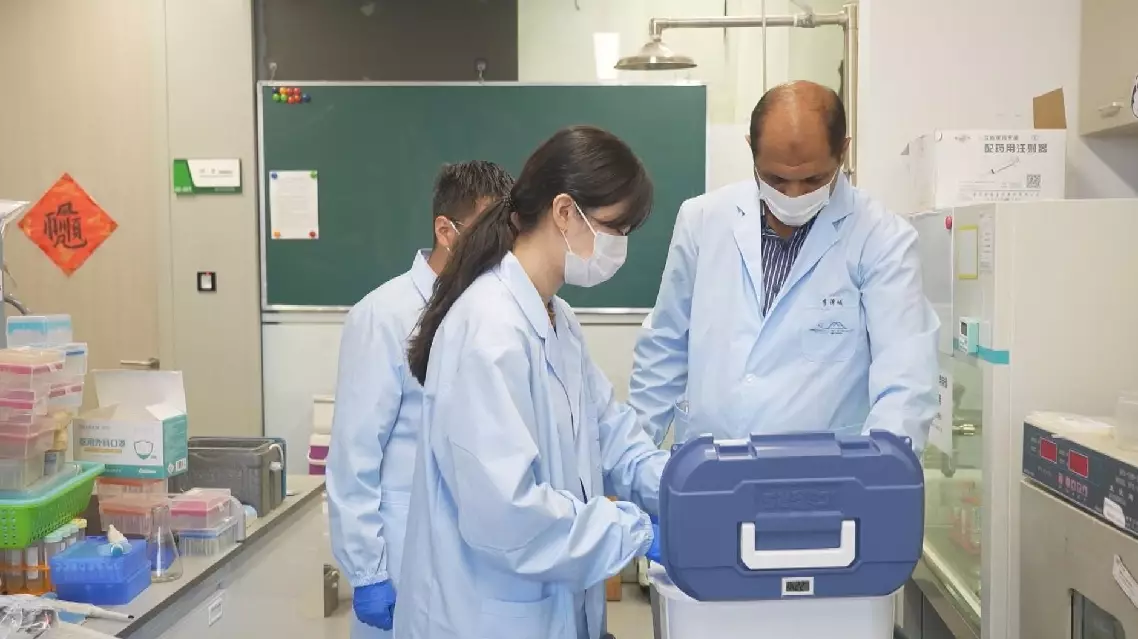
The experiment of building a green micro-factory to support sustainable life in space, proposed by Pakistan's Space and Upper Atmosphere Research Commission, will utilize the general-purpose biological cultivation module in the life and ecology experiment cabinet of the Wentian lab module of the Chinese space station.
It will focus on space cultivation experiments with cyanobacteria to study changes in their photosynthetic efficiency, growth rate and carbon sequestration capacity under the combined effects of microgravity and space radiation.
"Cyanobacteria are highly nutritious and are also known as 'green factories' as they can fix carbon dioxide and release oxygen. They can serve as high-energy nutritional supplements and can also be used on Earth as 'biological purifiers.' This is a vision for future applications envisioned by Pakistani scientists," said Chen Mengyun, director of international cooperation projects at the Technology and Engineering Center for Space Utilization under the Chinese Academy of Sciences.
The experimental project led by Pakistan's University of Agriculture Faisalabad, examining effects of microgravity and cosmic radiation during spaceflight on the viability and nutritional traits of quinoa seeds, will expose 32 quinoa seed samples to space radiation and microgravity outside the spacecraft.
The project aims to study the stress resistance and viability of quinoa germplasm in space and screen for superior varieties based on the findings. This marks the addition of a new crop for experimentation on the Chinese space station, following previous experiments with plants such as rice and Arabidopsis.
"Quinoa is a distinctive food crop characterized by its tolerance to saline-alkali soil, drought and low temperatures. It is also a crop with high nutritional value. The Pakistani side selected quinoa as one of the experimental subjects primarily in the hope that they will be able to cultivate this type of food crop suitable for growth on the ground in the future," said Chen.
China's Shenzhou-24 crewed spaceship is scheduled to be launched at 08:18 (Beijing Time) Wednesday from the Jiuquan Satellite Launch Center in northwest China, the China Manned Space Agency announced on Tuesday.
Pakistani astronaut Muhammad Zeeshan Ali will become the first foreign astronaut to board China's Tiangong space station, the agency said.
China's space station to carry out two new life science experiments during Shenzhou-24 mission
Chinese Vice Premier Ding Xuexiang visited Singapore from Sunday to Monday and co-chaired bilateral cooperation mechanism meetings.
During his visit, Ding, also member of the Standing Committee of the Political Bureau of the Communist Party of China (CPC) Central Committee, had separate meetings with Singaporean Prime Minister Lawrence Wong, Singapore's Senior Minister Lee Hsien Loong, and Singaporean Deputy Prime Minister Gan Kim Yong.
During the meetings, Ding said that under the care and guidance of leaders of both countries, the practical cooperation between China and Singapore has achieved remarkable results, reflecting the all-round high-quality future-oriented nature of bilateral relations.
China stands ready to work with Singapore to translate the leaders' aspiration and consensus on deepening cooperation into concrete actions and outcomes, he said.
China has remained firmly committed to deepening reform comprehensively, pursuing opening up, and promoting independent innovation, so as to firmly hold the future of the country's development in its own hands, Ding said.
In the face of the complex and turbulent international situation, the two sides should continue to follow the right strategic direction, maintain close communication and coordination, and promote steady and sustained progress in bilateral cooperation, he said. The Singaporean leaders said the country attaches high importance to developing ties with China. They also expressed the hope that the two sides would form greater synergy between their development strategies, push for more cooperation outcomes, and continue to consolidate and expand the all-round high-quality future-oriented partnership. They said the development of artificial intelligence (AI) bears on the future of both countries and the world, and Singapore looks forward to strengthening cooperation with China.
Singapore will assume the ASEAN chairmanship next year and is willing to use this as an opportunity to actively advance ASEAN-China cooperation in various fields, they said.
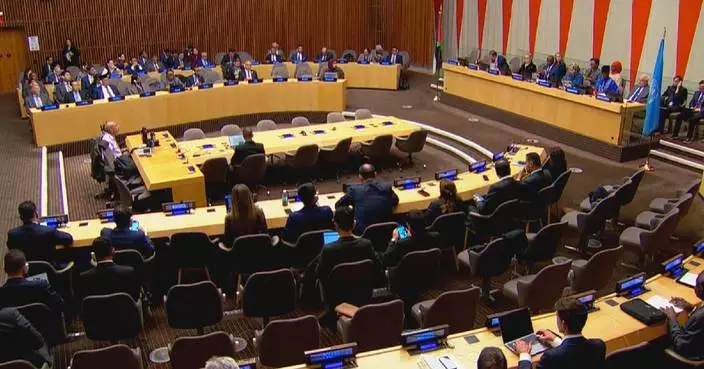
Ding and Gan co-chaired the 22nd China-Singapore Joint Council for Bilateral Cooperation Meeting, the 27th China-Singapore Suzhou Industrial Park Joint Steering Council Meeting, the 18th China-Singapore Tianjin Eco-City Joint Steering Council Meeting, and the 10th China-Singapore (Chongqing) Demonstration Initiative on Strategic Connectivity Joint Steering Council Meeting.
The two sides reviewed the implementation of high-level consensus and progress in cooperation in key areas, and had in-depth exchanges on deepening Belt and Road cooperation and cooperation in economy and trade, sustainable development, innovation among others.
Both sides agreed to leverage the exemplary and leading role of intergovernmental cooperation, upgrade cooperation in traditional areas, expand cooperation in emerging fields such as sci-tech innovation, the digital economy, AI and green industries.
The two sides also agreed to expand people-to-people exchanges and produce more cooperation outcomes in education, culture and tourism, health, media and human resources, to bring the two peoples closer.
After the meetings, Ding and Gan jointly witnessed the display of China-Singapore cooperation outcomes.
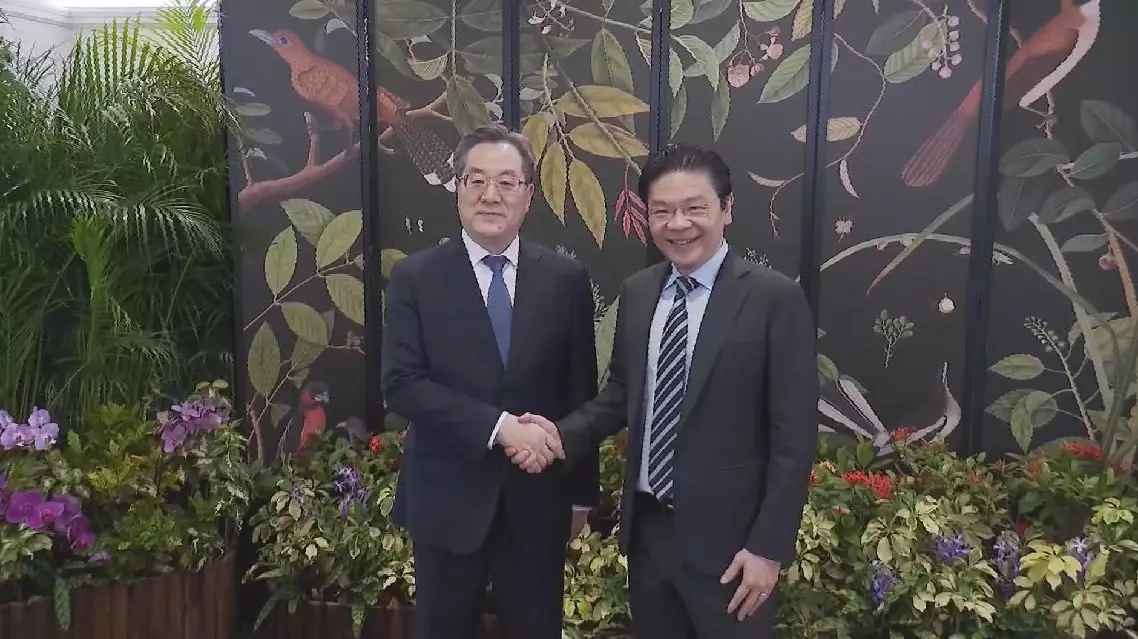
Chinese vice premier visits Singapore, co-chairs bilateral cooperation mechanism meetings