Chinese Premier Li Qiang will hold the "1+10" Dialogue in the city of Xiamen, east China's Fujian Province, on the morning of Dec 2, Chinese foreign ministry spokesman Guo Jiakun said on Friday.
Guo made the announcement at a regular press briefing in Beijing.
"Chinese Premier Li Qiang will hold the '1+10' Dialogue in Xiamen City, Fujian Province, on the morning of Dec 2, with President of the New Development Bank Dilma Rousseff, President of the World Bank Ajay Banga, Managing Director of the International Monetary Fund Kristalina Georgieva, Director-General of the World Trade Organization Ngozi Okonjo-Iweala, Acting Secretary-General of the United Nations Conference on Trade and Development Pedro Manuel Moreno, Assistant Director-General of the International Labour Organization Laura Thompson, Secretary-General of the Organization for Economic Co-operation and Development Mathias Cormann, General Manager of the Bank for International Settlements Pablo Hernandez de Cos, Chair of the Financial Stability Board Andrew Bailey, and President of the Asian Infrastructure Investment Bank Zou Jiayi," Guo said.
"The theme of the dialogue is 'Driving Sustained Growth Through Innovation, Promoting Common Development Through Openness,'" he said.
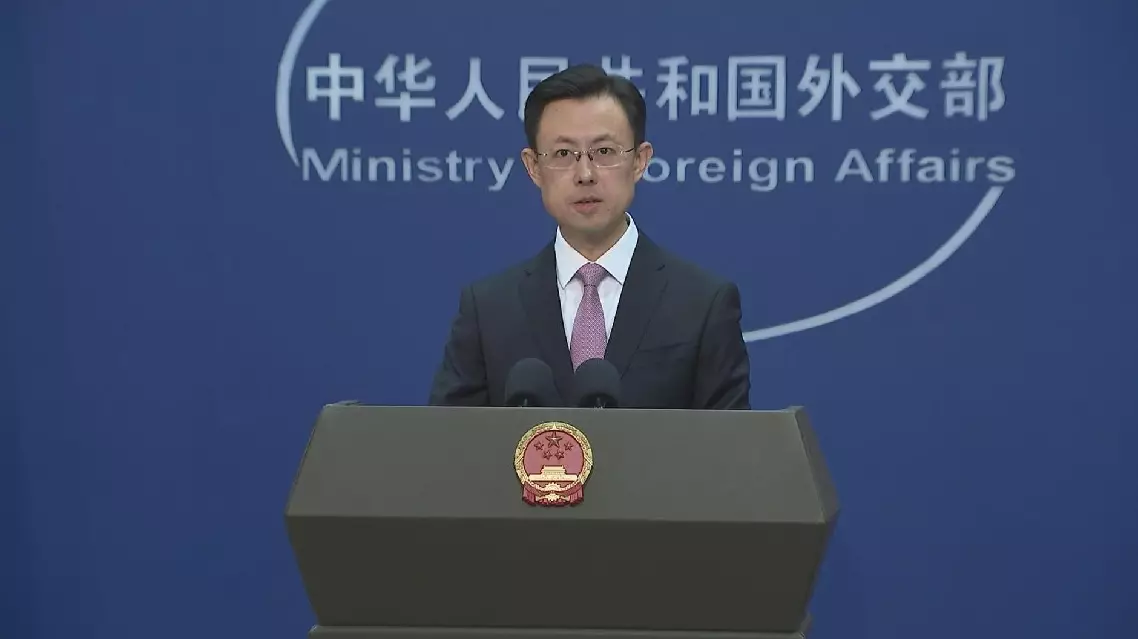
Chinese premier to hold "1+10" dialogue with heads of major international economic organizations
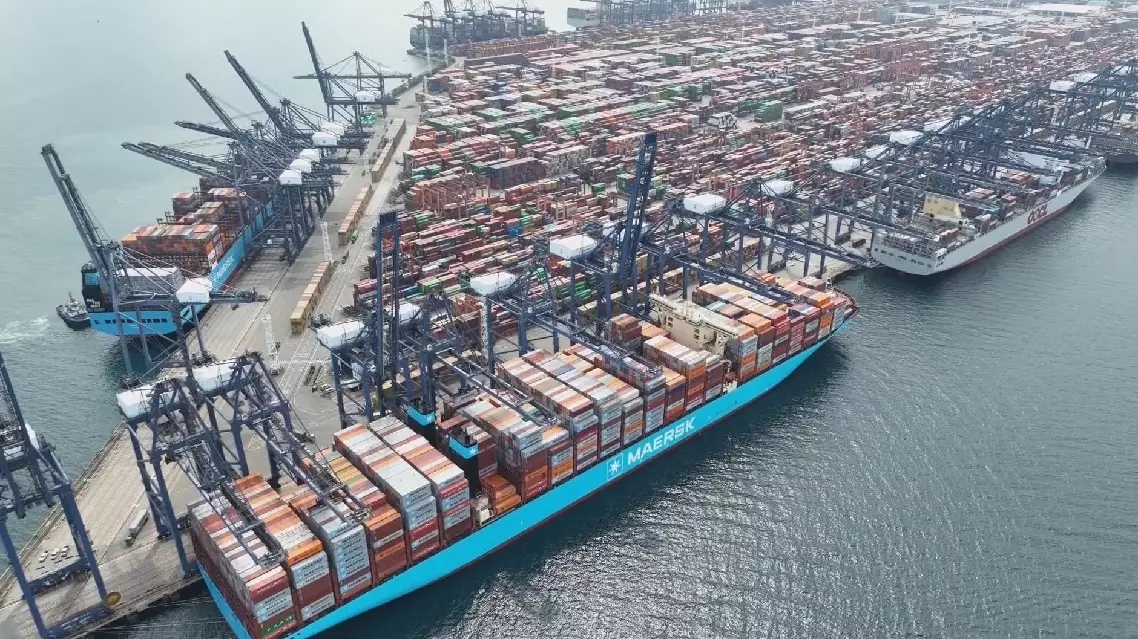
China's business community has expressed firm opposition to a proposed U.S. tariff measure over allegations of "overcapacity," according to the China Council for the Promotion of International Trade (CCPIT) on Friday.
The Office of the United States Trade Representative on Wednesday local time announced the results of its Section 301 investigation into alleged "overcapacity," proposing to impose additional Section 301 tariffs on 14 economies, including China.
The so-called 'overcapacity' is a false narrative, and the Chinese business community opposes the U.S. side using it as a pretext to interfere with normal China-U.S. economic and trade exchanges, said the CCPIT.
In judging the supply and demand situation of an industry, one should comprehensively assess factors including global market demand, technological progress and investment cycle, it said.
Trade surplus is affected by many factors, including the international division of labor, market demand and the macro economy, and trade surplus alone is not enough for concluding that there is structural overcapacity, said the CCPIT, noting that tariff wars and trade wars serve no one's interests, and large-scale additional tariffs will push up procurement costs for downstream U.S. companies, increase the burden on consumers and disrupt global industrial and supply chains.
The Chinese business community has called on the U.S. side to withdraw the proposed tax increase measure, solve relevant issues with China through consultations on the basis of equality, respect and mutual benefit, and jointly maintain the stable and positive development of bilateral economic and trade relations, the CCPIT said, adding that it will continue to pay attention to the demands of Chinese and U.S. enterprises, and promote enhanced communication and practical cooperation among the business communities of China, the United States and other countries.
China's business community opposes US tariffs over "overcapacity"