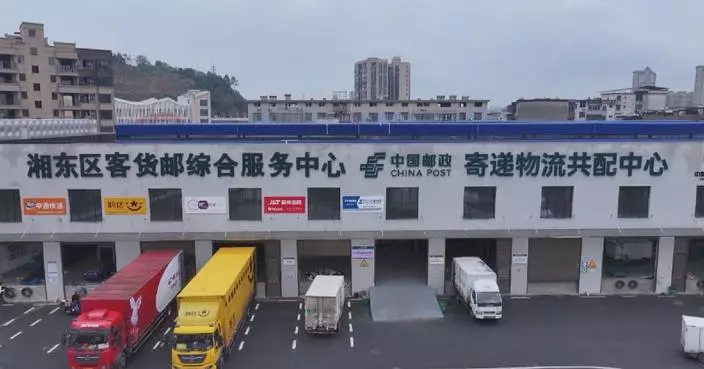
Water quality in China has significantly improved 10 years after the full implementation of the river chief system, a major policy for tackling the country's water problems.
The system assigns local Party and government officials as "river chiefs", with each river having a designated person in charge. They are tasked with resource protection, pollution prevention and control, and ecological restoration. The river chiefs are held accountable for environmental damage in water areas under their supervision.
After the full rollout of the policy, the share of national surface water sections with good water quality has jumped from 67.8 percent in 2016 to 91.4 percent in 2025, according to data from Chinese Ministry of Ecology and Environment.
Compared with 2015, the area experiencing severe groundwater over-exploitation has been reduced by 88,300 square kilometers, a decrease of 51 percent.
The entire mainstreams of the Yangtze and Yellow rivers, China's two longest rivers, have maintained Grade II or second best water quality for six and four consecutive years, respectively.
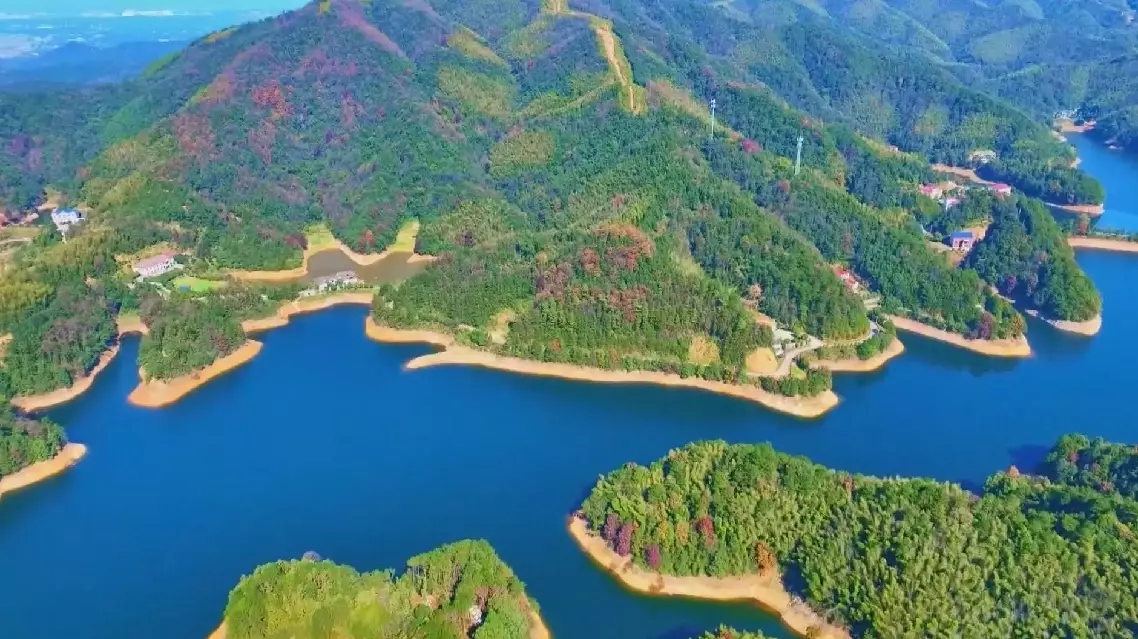
Water quality significantly improves 10 years after China implements river chief system
Changchun, capital of northeast China's Jilin Province, has built a three-dimensional weather monitoring network to safeguard the 33rd Winter Universiade and promote broader public participation in winter sports.
Starting in December 2025, Beidahu and Songhua lakes were the first venues to deploy nine basic automatic weather stations.
Subsequently, 38 high-precision monitoring units, 27 observation devices, four weather radars, and eight traffic weather stations were installed across the four competition venues and along the Changchun-Jilin Expressway, ensuring full coverage of the venues and connecting routes.
"We have set up a three-dimensional monitoring system that covers the core competition venues, surrounding transit routes, and mobile emergency units. Based on the real time monitoring data, it delivers 100-meter, minute-by-minute objective forecasts and high impact weather warnings," said Pang Peilin, an expert of Jilin Provincial Meteorological Bureau.
Beyond supporting the Winter Universiade, the entire weather monitoring network has been integrated into the province's permanent observation station registry. After the Games, it will continue to provide precise, safety focused meteorological services for public skiing, winter educational programs, and outdoor snow and ice activities.
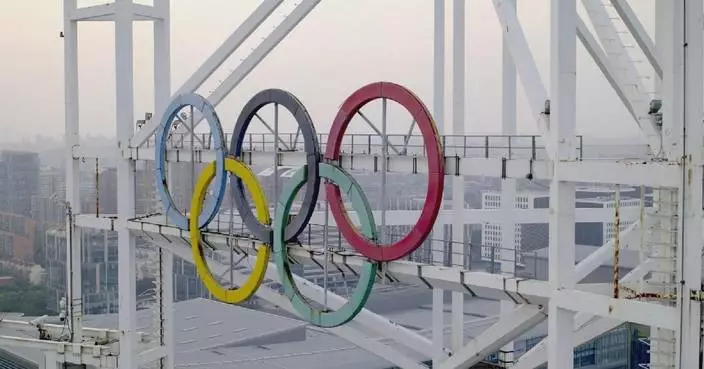
The 33rd Winter Universiade will run from January 15 to 25, 2027. It will be the first Winter Universiade held in China since Harbin in 2009, following the Beijing 2022 Winter Olympics and the 2025 Harbin Asian Winter Games.
Changchun 2027 will feature 97 events across 12 sports. Freestyle skiing will be the only snow sport staged in both Winter Universiade host cities.
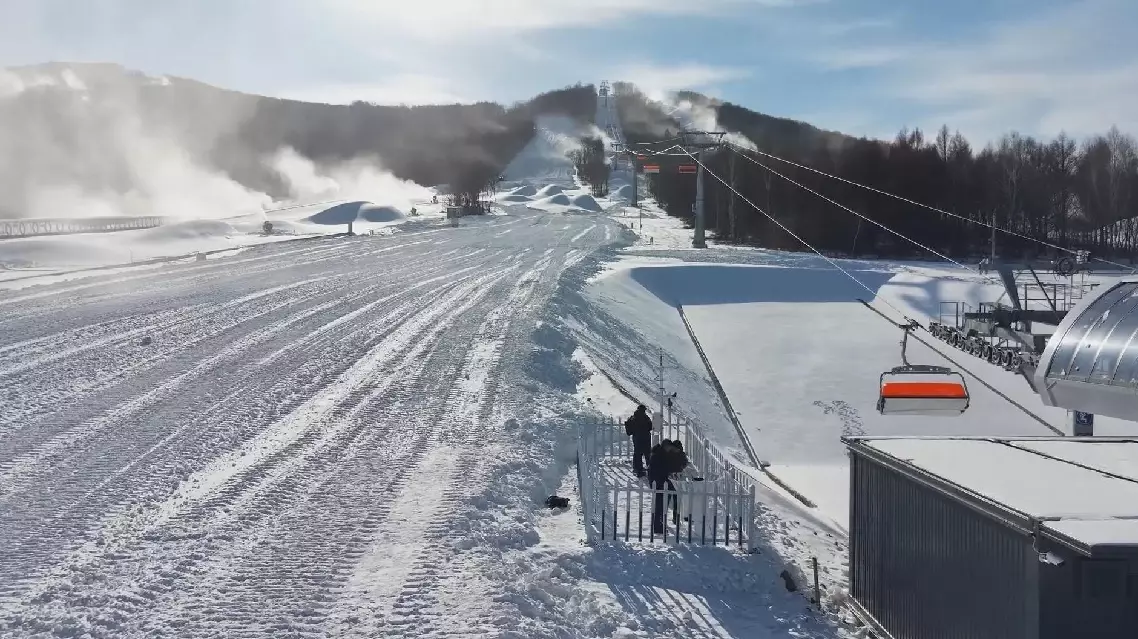
Changchun sets up 3-dimensional meteorological monitoring system for Winter Universiade