Federal regulators seized and shut down United Fidelity Bank, saying the bank with branches in four states and the U.S. Virgin Islands was at risk of being unable to meet depositors' demands. The move marks the country's largest bank failure in more than two years.
The Federal Deposit Insurance Corp. said First Citizens Bank would take over all of Evansville, Indiana-based United Fidelity's deposits and assets. The closed bank's 22 branches in Indiana, Illinois, Florida, Colorado, and the Virgin Islands will reopen as First Citizens branches by Monday, and customer accounts will be transferred automatically, the FDIC said.
“We believe this transaction is both financially and strategically compelling, and we look forward to welcoming our new customers, earning their trust and positioning our company for continued success,” Frank B. Holding, Jr., chairman and CEO of Raleigh, North Carolina-based First Citizens Bank, said in a statement Friday.
United Fidelity had approximately $5.9 billion in total assets and $5.4 billion in total deposits as of the end of September, according to the FDIC. All deposits are safe and insured up to $250,000, the agency said.
The Office of the Comptroller of the Currency, the U.S. Treasury division that regulates banks, said in a statement Friday that it concluded the failed bank was in “unsafe or unsound condition to transact business.”
The seizure marks the largest U.S. bank failure by assets since 2024, when Philadelphia-based Republic First Bank foundered with roughly $6 billion in assets.
The FDIC estimated that United Fidelity's failure will cost the agency’s Deposit Insurance Fund, which is financed by banks and protects insured deposits when a bank fails, $1.83 billion.

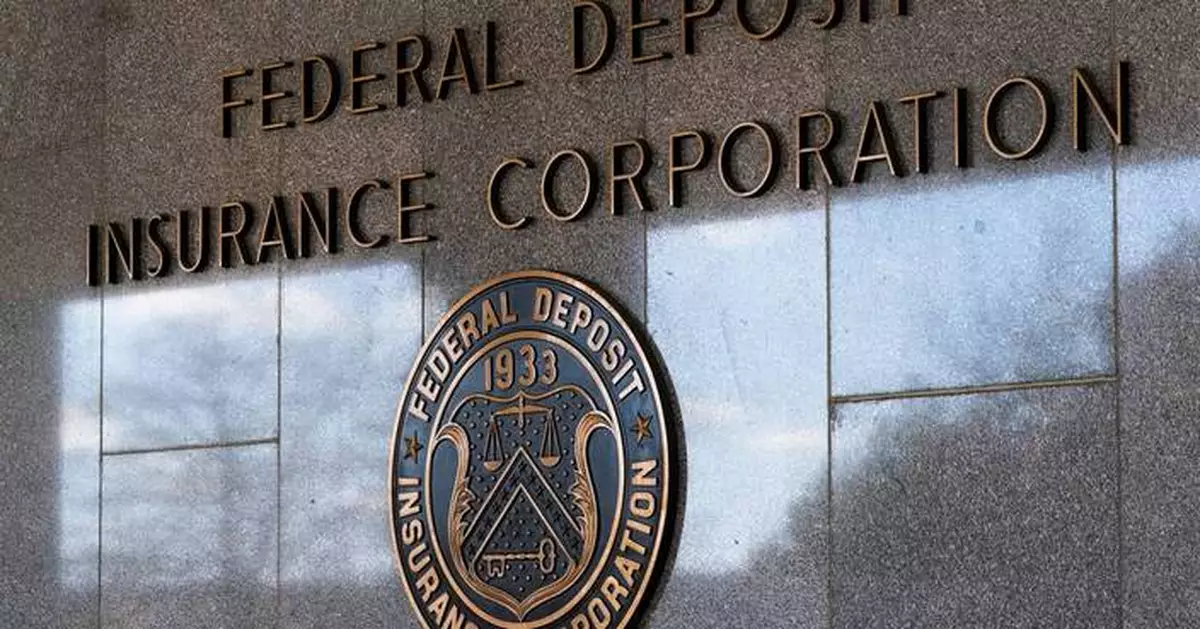
FILE - The Federal Deposit Insurance Corporation seal is shown outside its headquarters, March 14, 2023. (AP Photo/Manuel Balce Ceneta, File)
Initial laboratory results indicate the controlled detonation of five tons of dangerous lead azide in southeastern Iowa has not caused a rise in the heavy metal in the bodies of water that supply drinking water to the area, the U.S. environmental agency said Saturday.
Test results from sampling done following the U.S. Army’s detonation of an aging stockpile of lead azide in Iowa were released by the Environmental Protection Agency.
The EPA said about 300 people spent Thursday in the field sampling schools, playgrounds, churches and homes across the region. More than 1,500 samples were taken of air, water, soil and dust before the detonation and hundreds of samples, including from homes, parks and drinking water, afterward.
“The EPA monitored for the presence of airborne lead for 30 consecutive hours after the controlled detonation using the Xact air monitoring systems. We will continue to provide updates in the coming days as new lab results for over 3,200 air, soil, dust and water samples … return and get validated,” the EPA said in a post on X.
The mayor of Muscatine, Iowa, a small city about 50 miles north of Middletown, the tiny town where the Army stockpile was held, said that EPA’s initial test results showing no elevated lead in drinking water or in the air were encouraging.
Mayor Brad Bark said in an email statement that the findings are a “reassurance for communities” and that the city will continue to collaborate with government agencies.
“Our priority remains the health and safety of our residents. We will continue to follow the recommendations and stay in close coordination with the EPA, the Army, state and county partners,” said Bark.
Lead is a heavy metal that’s especially dangerous to children and pregnant women. The Army has said the safest option was to detonate the stockpile right away because it was degrading and might explode uncontrollably at any time as the weather got colder.
But the detonation has spurred widespread concerns about potential environmental contamination as well as questions about how and when the federal government communicated its plans.
Residents and some elected officials have criticized the Army for not being more transparent and providing more notice when it first determined the stockpile was unstable.
Middletown residents knew of the plans, but few others did — and the warnings largely failed to register with elected officials and the broader public until days before the planned detonation.
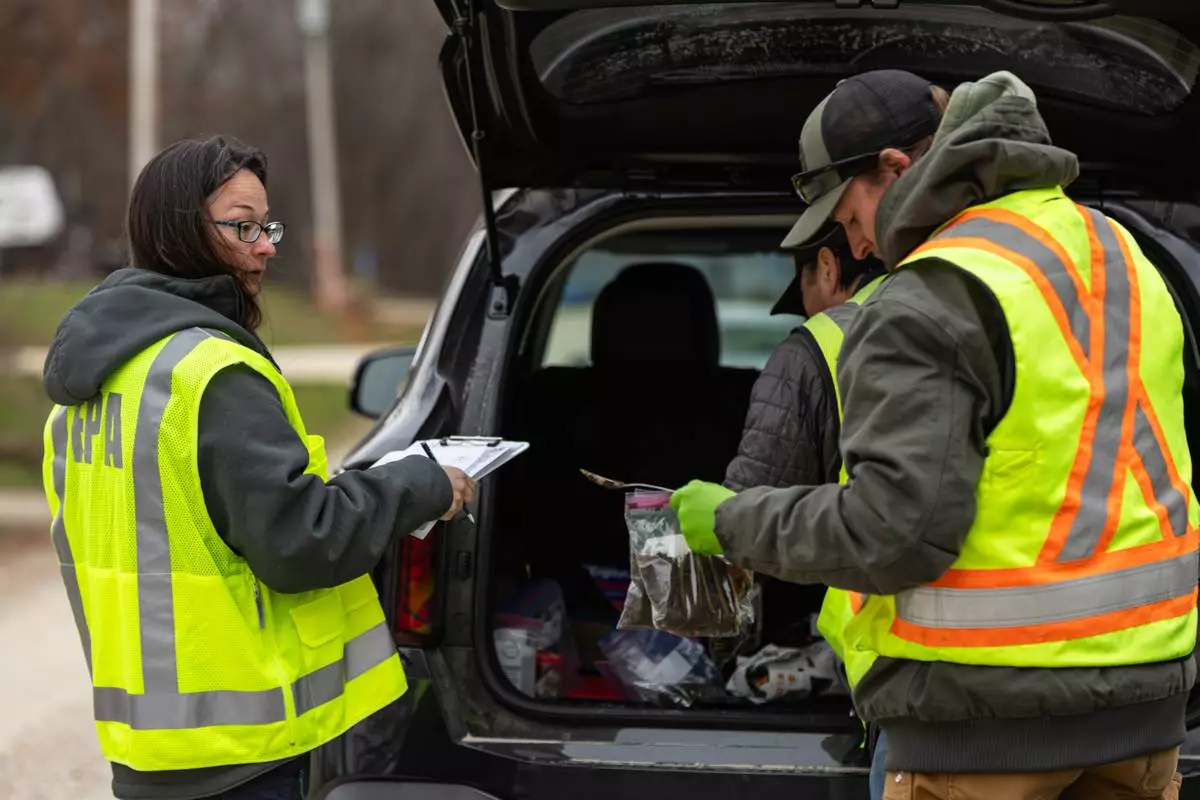
Environmental Protection Agency On-Scene Coordinator Sharon Kennedy, left, catalogs soil samples collected by her hired contractors in Augusta, Iowa, Wednesday, Nov. 25, 2026. Augusta lies along the perimeter of the Iowa Army Ammunition Plant, where earlier that day the U.S. Army detonated a stockpile of lead azide. (AP Photo/Austin Johnson).
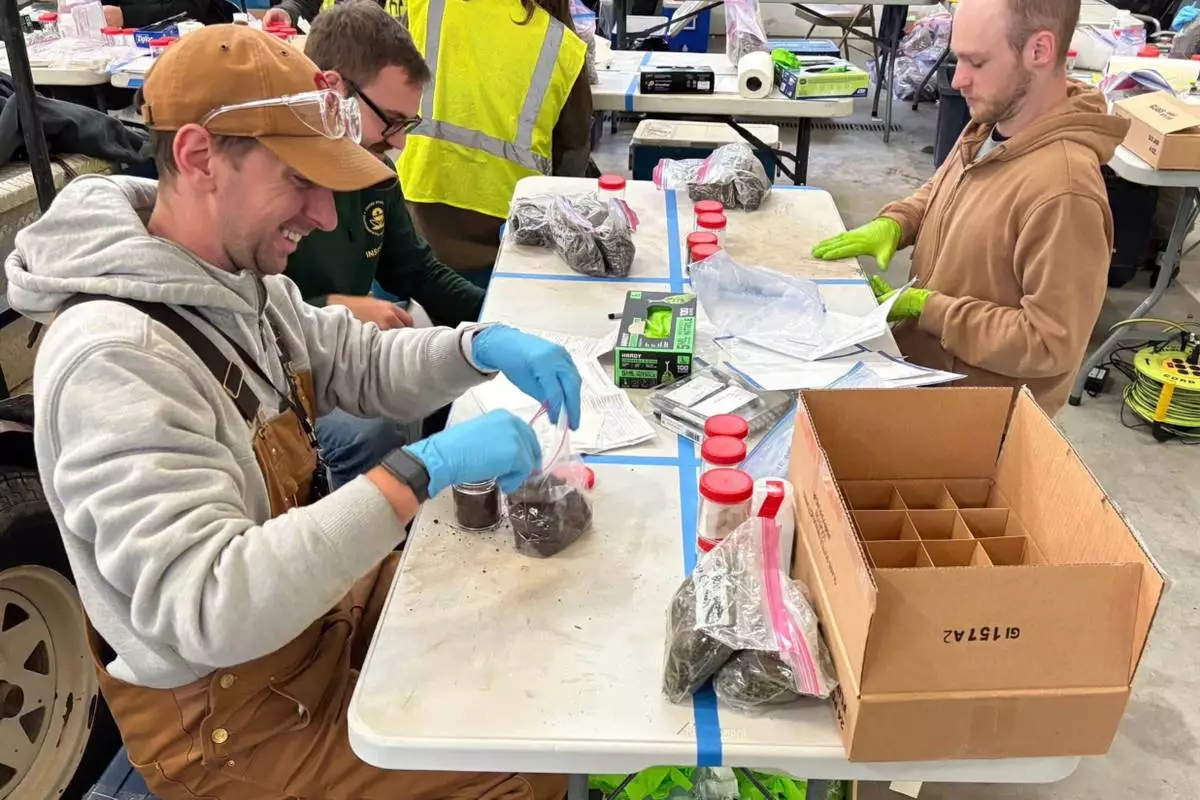
This image provided by the U.S. Environmental Protection Agency (EPA) shows workers in Middletown, Iowa, preparing soil samples to be shipped to laboratories for testing on Thursday, Nov. 26, 2026. (EPA via AP)
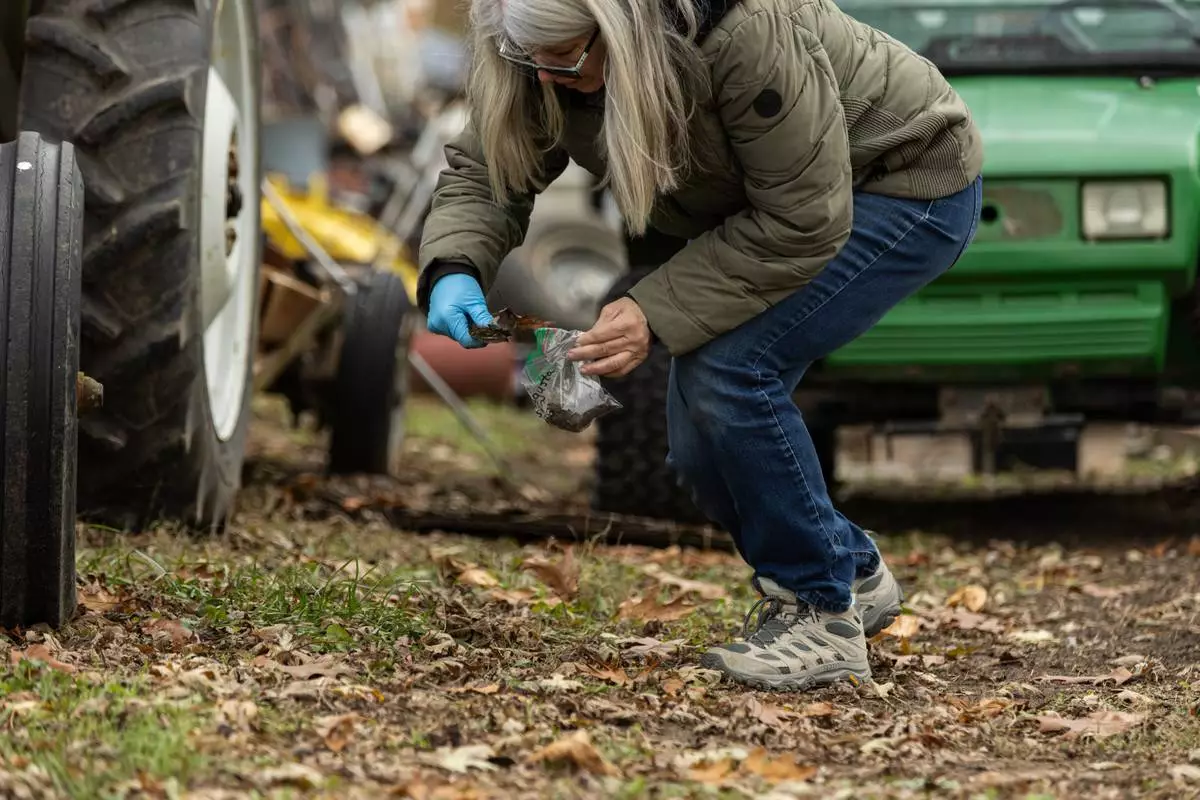
Environmental Protection Agency Supervisor Susan Fisher collects soil samples in Augusta, Iowa, Wednesday, Nov. 25, 2026. Augusta lies along the perimeter of the Iowa Army Ammunition Plant, where earlier that day the U.S. Army detonated a stockpile of lead azide. (AP Photo/Austin Johnson).