Skip to Content Facebook Feature Image

Medical team prepares for Shenzhou-23 return

China

Medical team prepares for Shenzhou-23 return
China

China

Medical team prepares for Shenzhou-23 return

2026-11-29 10:47 Last Updated At:13:47

A medical team is preparing for the return of China's Shenzhou-23 spaceship with Chinese astronauts Zhang Zhiyuan and Li Jiaying and Pakistani astronaut Muhammad Zeeshan Ali on board.

The team consists of 14 medical specialists, who will be responsible for the first aid, real-time medical monitoring, and transfer and evacuation for the astronauts after the spaceship returns to the landing site.

"I carry the heaviest equipment of the team, weighing about 15 kilograms, and most of my tasks will be carried out at night in an environment where the temperature is extremely low and the terrain is complex. The team has customized my training plan. Now both my physical fitness and skills can meet the task requirements," said Zhang Xiaoyun, a member of the medical team.

"We've constantly adjusted and optimized the support equipment. We've updated the portable negative pressure spinal fixation device, which can quickly shape the spine on site and reduce the risk of spinal injury to protect the life safety of every astronaut," said Wang Jiaxu, another team member.

The medical team has also prepared a special emergency plan for the Pakistani astronaut to ensure accurate communication, precise analysis and prompt response.

"Foreign-language conversations were added in this drill, involving common medical terms used for first aid inquiries, injury descriptions, patient feeling addressing, transfer and handover. Through repeated drills, the team members have mastered relevant skills to fully ensure efficient and accurate communication at the mission site," said Gao Yu, a team member.

The returning astronauts have finished all their scheduled tasks. They are expected to return to the Dongfeng landing site in north China aboard the Shenzhou-23 spacecraft in the coming days, according to the China Manned Space Agency.

At present, the landing site and all systems involved are busy putting the final touches on preparations to welcome the astronauts home.

Medical team prepares for Shenzhou-23 return

Medical team prepares for Shenzhou-23 return
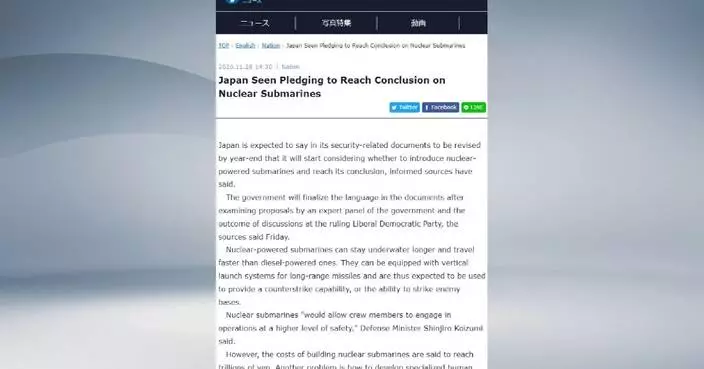
Parts of Africa and Central America have been added to the list of hunger hotspots amid El Nino concerns, and their acute food insecurity is expected to worsen significantly between December 2026 and May 2027, according to a report released Friday by UN food agencies.

The Food and Agriculture Organization (FAO) and the World Food Programme (WFP) warned in the latest Hunger Hotspots report that as El Nino continues to strengthen, drier and hotter weather disrupts crop planting in southern Africa, leaving three million people in Zimbabwe, 2.6 million in Malawi and 1.8 million in Mozambique vulnerable to high levels of acute food insecurity.

Central America faces similar threats. In Guatemala alone, 3.2 million people are projected to face high levels of acute food insecurity between October 2026 and February 2027.

Meanwhile, increased rainfall raises the risk of flooding in eastern Africa.

"We have real challenges that are happening right now with this mega El Nino event and phenomenon that's manifesting itself globally and it's also impacting these hunger hotspots. It impacts them in different ways. In many of the areas, the primary manifestation is a lack of rain, and so concern about drought, access to water for livestock, access to water for crops, vegetables to be able to plant in a timely fashion where we have rainfed agriculture as a main strategy. But in other areas, flooding is a real challenge," said Rein Paulsen, Director of the Office of Emergencies and Resilience at FAO.

The FAO and the WFP called for urgent, targeted assistance -- including anticipatory action taken before disasters strike -- to protect agricultural production, livelihoods, and essential food consumption, thereby preventing famine and further loss of life, especially as humanitarian funding shrinks and access for aid remains restricted.

FAO, WFP warn El Nino to worsen food insecurity in Africa, Central America

FAO, WFP warn El Nino to worsen food insecurity in Africa, Central America

Recommended Articles