
Skip to Content Facebook Feature Image

Biting a patient’s ear canal, an eight-legged parasite was pulled out together with human flesh by a doctor

News

Biting a patient’s ear canal, an eight-legged parasite was pulled out together with human flesh by a doctor
News

News

Biting a patient’s ear canal, an eight-legged parasite was pulled out together with human flesh by a doctor

2017-09-05 16:44 Last Updated At:16:44

A video of removing a parasite has gone viral. A black parasite was removed with a pair of tongs, but with human flesh attached to it, as the parasite was tightly holding onto the patient’s ear canal.
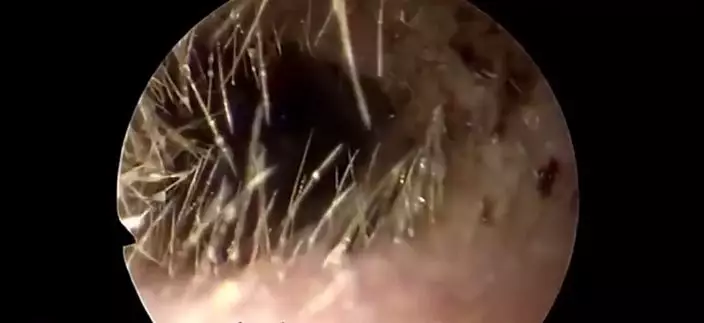
The video was first uploaded to a Vietnamese website, and shows that a black parasite was hiding inside a patient’s ear. The doctor tried to use a pair of tongs to remove it, but it was biting so hard that it could not be immediately taken out. Finally, the doctor chose to remove it together with some of the flesh. The video shows the patient bled when the insect was pulled out.
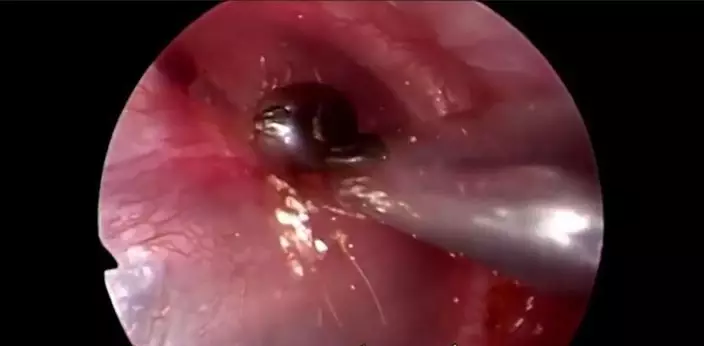
The video was first uploaded to a Vietnamese website, and shows that a black parasite was hiding inside a patient’s ear. The doctor tried to use a pair of tongs to remove it, but it was biting so hard that it could not be immediately taken out. Finally, the doctor chose to remove it together with some of the flesh. The video shows the patient bled when the insect was pulled out.The parasite was found to have eight legs and flesh-eating. The situation would have deteriorated if it had not been removed. The cause for this incident is still unknown. However, if you feel unwell in your ears, it’s better to seek medical advice.


The parasite was found to have eight legs and flesh-eating. The situation would have deteriorated if it had not been removed. The cause for this incident is still unknown. However, if you feel unwell in your ears, it’s better to seek medical advice.
MEXICO CITY (AP) — Mexico activated emergency controls Monday after detecting a new case of New World screwworm in cattle in the northern border state of Nuevo Leon state, the closest case to the U.S. border since the outbreak began last year.

The animal, found in the town of Sabinas Hidalgo, came from the Gulf state of Veracruz, Mexico's National Health for Food Safety and Food Quality Service said. The last case was reported July 9 in Veracruz, prompting Washington to suspend imports of live Mexican cattle.

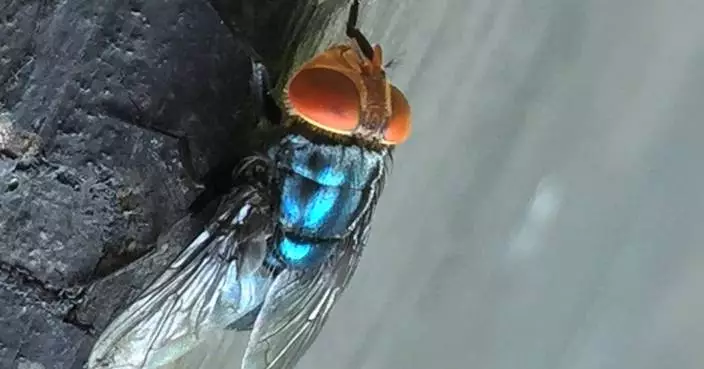
The parasite, a larva of the Cochliomyia hominivorax fly, attacks warm-blooded animals, including humans. Mexico has reported more than 500 active cases in cattle across southern states.

The block on cattle imports has spelled trouble for Mexico's government, which has already been busy trying to offset the brunt of U.S. President Donald Trump's tariff threats this year.

The government and ranchers have sought to get the ban lifted. If it stays in place through the year, Mexico's ranching federation estimates losses up to $400 million.

Mexico's Agriculture Secretary Julio Berdegué said in a post on X that Mexico is "controlling the isolated case of screwworm in Nuevo Leon,” under measures to fight the pest agreed with the U.S. in August.

U.S. Agriculture Secretary Brooke Rollins said Washington will take “decisive measures to protect our borders, even in the absence of cooperation" and said imports on Mexican cattle, bison and horses will remain suspended.

“We will not rely on Mexico to defend our industry, our food supply or our way of life,” she said.

FILE - Cattle feed at a ranch that exports livestock to the U.S., in Zamora, northern Mexico, July 29, 2025, with the U.S. border closed to Mexican cattle imports over screwworm concerns. (AP Photo/Fernando Llano, File)

FILE - Cattle feed at a ranch that exports livestock to the U.S., in Zamora, northern Mexico, July 29, 2025, with the U.S. border closed to Mexican cattle imports over screwworm concerns. (AP Photo/Fernando Llano, File)

Recommended Articles