
Skip to Content Facebook Feature Image

In China, Xi'an-Chengdu high-speed train service offers new choice for tourists

China

In China, Xi'an-Chengdu high-speed train service offers new choice for tourists
China

China

In China, Xi'an-Chengdu high-speed train service offers new choice for tourists

2017-12-06 12:58 Last Updated At:12:58

High-speed trains linking Xi'an, capital of Shaanxi Province, and Chengdu, capital of Sichuan Province, will begin operation on Dec. 6, authorities said Sunday.

Photo taken on Dec. 6, 2016 shows giant panda Mei Huan at the Research Base of Giant Panda Breeding in Chengdu, southwest China's Sichuan Province. (Xinhua/Xue Yubin)
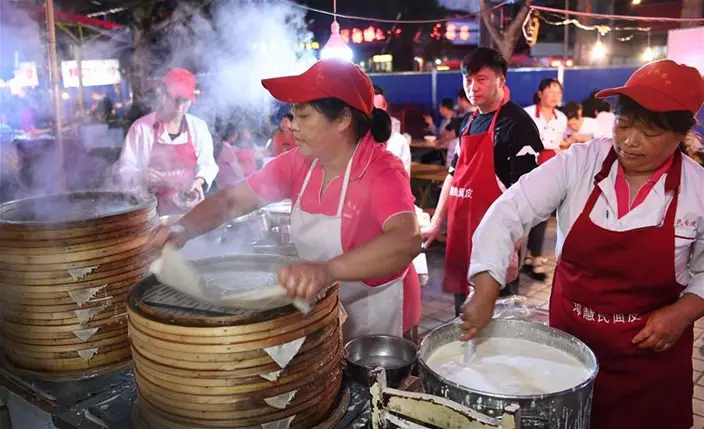
Photo taken on Dec. 6, 2016 shows giant panda Mei Huan at the Research Base of Giant Panda Breeding in Chengdu, southwest China's Sichuan Province. (Xinhua/Xue Yubin)

Chefs cook "mianpi", a famous local snack, at a night market in Hanzhong, northwest China's Shaanxi Province, May 18, 2017. (Xinhua/Tao Ming)

Chefs cook "mianpi", a famous local snack, at a night market in Hanzhong, northwest China's Shaanxi Province, May 18, 2017. (Xinhua/Tao Ming)

Photo taken on Oct. 1, 2014 shows the Wild Goose Pagoda, a landmark in Xi'an, northwest China's Shaanxi Province. (Xinhua/Tao Ming)

Photo taken on Oct. 1, 2014 shows the Wild Goose Pagoda, a landmark in Xi'an, northwest China's Shaanxi Province. (Xinhua/Tao Ming)

With a new train diagram to be put into operation at the end of this year, travel time between the two cities will be slashed by about 7 hours to just 3 hours and 27 minutes.

More Images
Photo taken on Dec. 6, 2016 shows giant panda Mei Huan at the Research Base of Giant Panda Breeding in Chengdu, southwest China's Sichuan Province. (Xinhua/Xue Yubin)

Photo taken on Dec. 6, 2016 shows giant panda Mei Huan at the Research Base of Giant Panda Breeding in Chengdu, southwest China's Sichuan Province. (Xinhua/Xue Yubin)

Chefs cook "mianpi", a famous local snack, at a night market in Hanzhong, northwest China's Shaanxi Province, May 18, 2017. (Xinhua/Tao Ming)

Chefs cook "mianpi", a famous local snack, at a night market in Hanzhong, northwest China's Shaanxi Province, May 18, 2017. (Xinhua/Tao Ming)

Photo taken on Oct. 1, 2014 shows the Wild Goose Pagoda, a landmark in Xi'an, northwest China's Shaanxi Province. (Xinhua/Tao Ming)

Photo taken on Oct. 1, 2014 shows the Wild Goose Pagoda, a landmark in Xi'an, northwest China's Shaanxi Province. (Xinhua/Tao Ming)

Tourists view lanterns at Wuhou Shrine in Chengdu, southwest China's Sichuan Province, Jan. 28, 2014. (Xinhua/Xue Yubin)

Tourists view lanterns at Wuhou Shrine in Chengdu, southwest China's Sichuan Province, Jan. 28, 2014. (Xinhua/Xue Yubin)

Photo taken on March 25, 2016 shows rapeseed flowers and rural houses in Xinji Township of Nanzheng County in Hanzhong, northwest China's Shaanxi Province. (Xinhua/Tao Ming)

Photo taken on March 25, 2016 shows rapeseed flowers and rural houses in Xinji Township of Nanzheng County in Hanzhong, northwest China's Shaanxi Province. (Xinhua/Tao Ming)

Photo taken on Dec. 3, 2016 shows a giant karst sinkhole in Zhenba County of Hanzhong City, northwest China's Shaanxi Province. (Xinhua/Tao Ming)
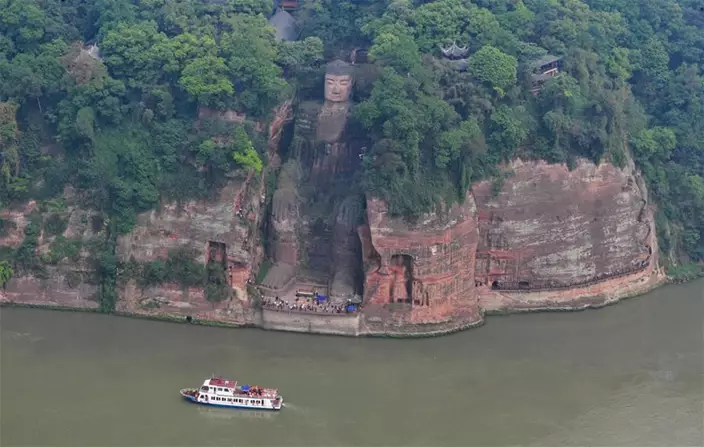
Photo taken on Dec. 3, 2016 shows a giant karst sinkhole in Zhenba County of Hanzhong City, northwest China's Shaanxi Province. (Xinhua/Tao Ming)

Photo taken on April 17, 2014 shows Leshan Giant Buddha in southwest China's Sichuan Province. (Xinhua/Xue Yubin)

Photo taken on April 17, 2014 shows Leshan Giant Buddha in southwest China's Sichuan Province. (Xinhua/Xue Yubin)

Tourists visit the Kuanzhai Lane Historic District in Chengdu, capital of southwest China's Sichuan Province, Jan. 28, 2017. (Xinhua/Xue Yubin)
Tourists visit the Kuanzhai Lane Historic District in Chengdu, capital of southwest China's Sichuan Province, Jan. 28, 2017. (Xinhua/Xue Yubin)

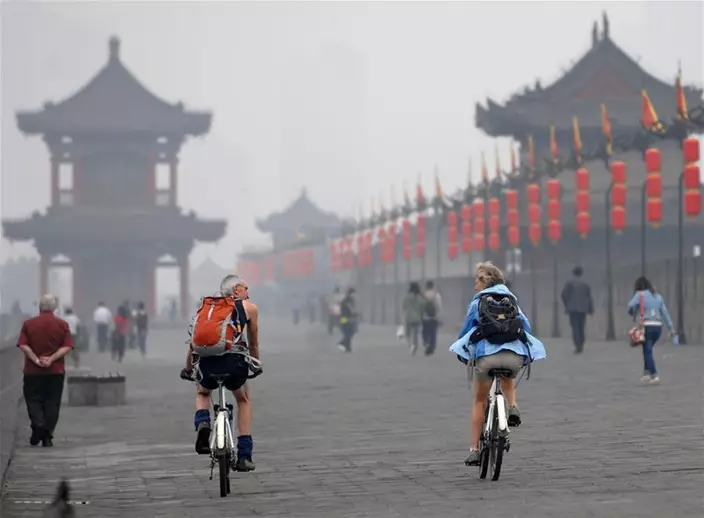
Foreign tourists visit the ancient city wall by bike in Xi'an, northwest China's Shaanxi Province, May 1, 2012. The ancient wall has a history of more than 600 years. (Xinhua/Li Yibo)

Foreign tourists visit the ancient city wall by bike in Xi'an, northwest China's Shaanxi Province, May 1, 2012. The ancient wall has a history of more than 600 years. (Xinhua/Li Yibo)

Photo taken on Oct. 21, 2015 shows Nanhu Lake scenic spot in Nanzheng County of Hanzhong, northwest China's Shaanxi Province. (Xinhua/Tao Ming)
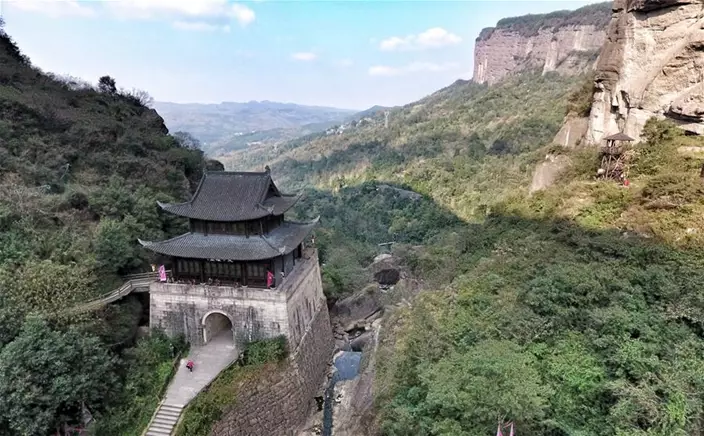
Photo taken on Oct. 21, 2015 shows Nanhu Lake scenic spot in Nanzheng County of Hanzhong, northwest China's Shaanxi Province. (Xinhua/Tao Ming)

Photo taken on Oct. 27, 2016 shows terra cotta warriors at Emperor Qinshihuang's Mausoleum Site Museum in Xi'an, northwest China's Shaanxi Province. (Xinhua/Li Yibo)

Photo taken on Oct. 27, 2016 shows terra cotta warriors at Emperor Qinshihuang's Mausoleum Site Museum in Xi'an, northwest China's Shaanxi Province. (Xinhua/Li Yibo)

Students from Tsinghua University take part in a snack contest in Xi'an, northwest China's Shaanxi Province, Nov. 7, 2014. The ancient wall has a history of more than 600 years. (Xinhua/Li Yibo)

Students from Tsinghua University take part in a snack contest in Xi'an, northwest China's Shaanxi Province, Nov. 7, 2014. The ancient wall has a history of more than 600 years. (Xinhua/Li Yibo)

An actor performs Sichuan Opera at Wuhou Shrine in Chengdu, southwest China's Sichuan Province, Aug. 19, 2012. (Xinhua/Xue Yubin)

An actor performs Sichuan Opera at Wuhou Shrine in Chengdu, southwest China's Sichuan Province, Aug. 19, 2012. (Xinhua/Xue Yubin)

An actor performs face changing of Sichuan Opera at a hot pot restaurant in Chengdu, southwest China's Sichuan Province, Nov. 24, 2017. (Xinhua/Xue Yubin)

An actor performs face changing of Sichuan Opera at a hot pot restaurant in Chengdu, southwest China's Sichuan Province, Nov. 24, 2017. (Xinhua/Xue Yubin)

A tourist takes photos of a model wearing costumes of Sichuan Opera at an ancient street in Chengdu, southwest China's Sichuan Province, July 16, 2011. (Xinhua/Xue Yubin)

A tourist takes photos of a model wearing costumes of Sichuan Opera at an ancient street in Chengdu, southwest China's Sichuan Province, July 16, 2011. (Xinhua/Xue Yubin)

Foreign tourists experience noodle cooking at a restaurant in Huanglongxi Township of Chengdu, southwest China's Sichuan Province, June 27, 2017. (Xinhua/Qiu Haiying)
Foreign tourists experience noodle cooking at a restaurant in Huanglongxi Township of Chengdu, southwest China's Sichuan Province, June 27, 2017. (Xinhua/Qiu Haiying)

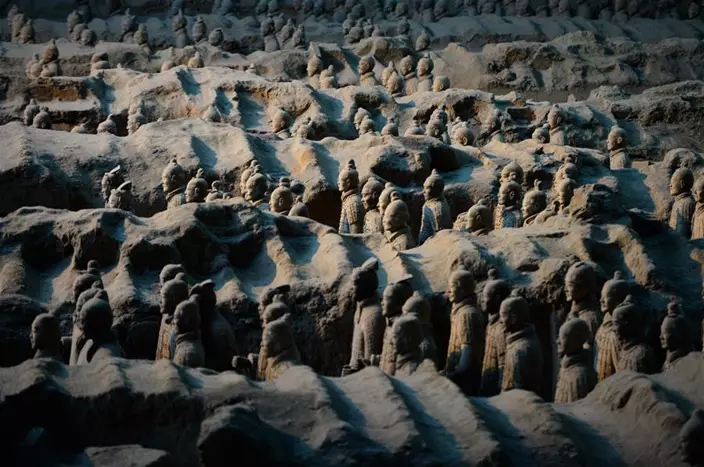
Photo taken on Oct. 27, 2016 shows terra cotta warriors at Emperor Qinshihuang's Mausoleum Site Museum in Xi'an, northwest China's Shaanxi Province. (Xinhua/Li Yibo)
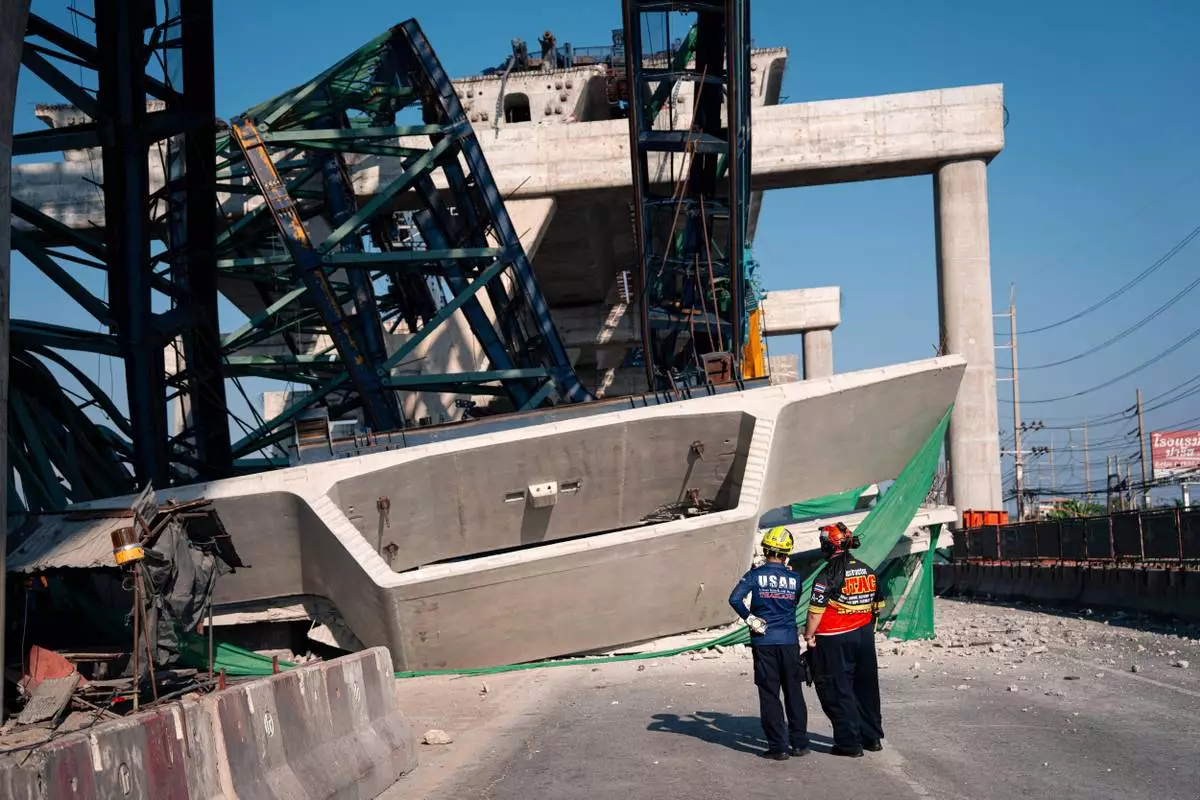

Photo taken on Oct. 27, 2016 shows terra cotta warriors at Emperor Qinshihuang's Mausoleum Site Museum in Xi'an, northwest China's Shaanxi Province. (Xinhua/Li Yibo)
Tourists view lanterns at Wuhou Shrine in Chengdu, southwest China's Sichuan Province, Jan. 28, 2014. (Xinhua/Xue Yubin)

Tourists view lanterns at Wuhou Shrine in Chengdu, southwest China's Sichuan Province, Jan. 28, 2014. (Xinhua/Xue Yubin)

Photo taken on March 25, 2016 shows rapeseed flowers and rural houses in Xinji Township of Nanzheng County in Hanzhong, northwest China's Shaanxi Province. (Xinhua/Tao Ming)

Photo taken on March 25, 2016 shows rapeseed flowers and rural houses in Xinji Township of Nanzheng County in Hanzhong, northwest China's Shaanxi Province. (Xinhua/Tao Ming)

Photo taken on Dec. 3, 2016 shows a giant karst sinkhole in Zhenba County of Hanzhong City, northwest China's Shaanxi Province. (Xinhua/Tao Ming)

Photo taken on Dec. 3, 2016 shows a giant karst sinkhole in Zhenba County of Hanzhong City, northwest China's Shaanxi Province. (Xinhua/Tao Ming)

Photo taken on April 17, 2014 shows Leshan Giant Buddha in southwest China's Sichuan Province. (Xinhua/Xue Yubin)

Photo taken on April 17, 2014 shows Leshan Giant Buddha in southwest China's Sichuan Province. (Xinhua/Xue Yubin)

Tourists visit the Kuanzhai Lane Historic District in Chengdu, capital of southwest China's Sichuan Province, Jan. 28, 2017. (Xinhua/Xue Yubin)

Tourists visit the Kuanzhai Lane Historic District in Chengdu, capital of southwest China's Sichuan Province, Jan. 28, 2017. (Xinhua/Xue Yubin)

The train service will provide a new choice for tourists to the two provinces.

Foreign tourists visit the ancient city wall by bike in Xi'an, northwest China's Shaanxi Province, May 1, 2012. The ancient wall has a history of more than 600 years. (Xinhua/Li Yibo)

Foreign tourists visit the ancient city wall by bike in Xi'an, northwest China's Shaanxi Province, May 1, 2012. The ancient wall has a history of more than 600 years. (Xinhua/Li Yibo)

Photo taken on Oct. 21, 2015 shows Nanhu Lake scenic spot in Nanzheng County of Hanzhong, northwest China's Shaanxi Province. (Xinhua/Tao Ming)

Photo taken on Oct. 21, 2015 shows Nanhu Lake scenic spot in Nanzheng County of Hanzhong, northwest China's Shaanxi Province. (Xinhua/Tao Ming)

Photo taken on Oct. 27, 2016 shows terra cotta warriors at Emperor Qinshihuang's Mausoleum Site Museum in Xi'an, northwest China's Shaanxi Province. (Xinhua/Li Yibo)

Photo taken on Oct. 27, 2016 shows terra cotta warriors at Emperor Qinshihuang's Mausoleum Site Museum in Xi'an, northwest China's Shaanxi Province. (Xinhua/Li Yibo)

Students from Tsinghua University take part in a snack contest in Xi'an, northwest China's Shaanxi Province, Nov. 7, 2014. The ancient wall has a history of more than 600 years. (Xinhua/Li Yibo)

Students from Tsinghua University take part in a snack contest in Xi'an, northwest China's Shaanxi Province, Nov. 7, 2014. The ancient wall has a history of more than 600 years. (Xinhua/Li Yibo)

Popular in Sichuan, Chongqing and Yunnan, Sichuan Opera has about 300 years of history. It features different singing styles from the eastern provinces of Jiangsu and Jiangxi, the northwestern folk song melodies of Shaanxi, and singing in the Sichuan dialect.

An actor performs Sichuan Opera at Wuhou Shrine in Chengdu, southwest China's Sichuan Province, Aug. 19, 2012. (Xinhua/Xue Yubin)

An actor performs Sichuan Opera at Wuhou Shrine in Chengdu, southwest China's Sichuan Province, Aug. 19, 2012. (Xinhua/Xue Yubin)

An actor performs face changing of Sichuan Opera at a hot pot restaurant in Chengdu, southwest China's Sichuan Province, Nov. 24, 2017. (Xinhua/Xue Yubin)

An actor performs face changing of Sichuan Opera at a hot pot restaurant in Chengdu, southwest China's Sichuan Province, Nov. 24, 2017. (Xinhua/Xue Yubin)

A tourist takes photos of a model wearing costumes of Sichuan Opera at an ancient street in Chengdu, southwest China's Sichuan Province, July 16, 2011. (Xinhua/Xue Yubin)

A tourist takes photos of a model wearing costumes of Sichuan Opera at an ancient street in Chengdu, southwest China's Sichuan Province, July 16, 2011. (Xinhua/Xue Yubin)

Foreign tourists experience noodle cooking at a restaurant in Huanglongxi Township of Chengdu, southwest China's Sichuan Province, June 27, 2017. (Xinhua/Qiu Haiying)

Foreign tourists experience noodle cooking at a restaurant in Huanglongxi Township of Chengdu, southwest China's Sichuan Province, June 27, 2017. (Xinhua/Qiu Haiying)

Photo taken on Oct. 27, 2016 shows terra cotta warriors at Emperor Qinshihuang's Mausoleum Site Museum in Xi'an, northwest China's Shaanxi Province. (Xinhua/Li Yibo)

Photo taken on Oct. 27, 2016 shows terra cotta warriors at Emperor Qinshihuang's Mausoleum Site Museum in Xi'an, northwest China's Shaanxi Province. (Xinhua/Li Yibo)

BANGKOK (AP) — Thailand’s construction industry is under intense scrutiny following a series of high-profile deadly accidents. These include a crane falling onto a moving passenger train this past week and the collapse of an office tower a year ago that killed nearly 100 workers.

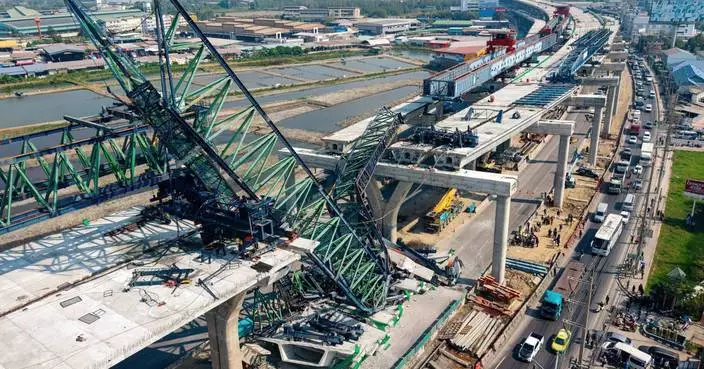
Public concern is particularly high in Bangkok due to the frequent and sometimes fatal construction accidents on major road projects. In the latest case, a construction crane collapsed on Thursday, killing two people, just a day after the train tragedy in which 32 people died.

Public outrage has centered on Italian-Thai Development, the contractor responsible for both sites where the past week's accidents occurred. The company, also known as Italthai, was also the joint lead contractor for the 33-story State Audit Office building, which toppled while under construction in March, killing about 100 people.

It was the only major structure in Thailand to collapse from an earthquake whose epicenter was in Myanmar, more than 1,300 kilometers (800 miles) away.

Twenty-three individuals and companies were indicted in that case, including Italthai’s President Premchai Karnasuta, on charges including professional negligence causing death and document forgery. Italthai, a major developer in Thailand which has won many government projects, has denied wrongdoing in that case as well as the more recent crane crashes.

Prime Minister Anutin Charnvirakul has responded to the latest incidents by ordering the Transport Ministry to terminate contracts with, blacklist and prosecute the companies involved. Unfinished projects will be funded by seizing performance bonds and bank guarantees, with the government reserving the right to sue for extra costs. Additionally, a “scorecard” system to keep track of contractors’ performance records should be enforced by early February.

Investigators can often find the technical cause of accidents, such as human error or equipment failure.

But critics say construction safety faces broader systemic problems, pointing to lax regulation, poor enforcement, and corruption. A lengthy investigation determined that the building collapse in March, though triggered by an earthquake, was fundamentally caused by flawed structural design and effort to evade regulations.

“I don’t think Thailand fails in terms of the body of knowledge in engineering or even in the technical aspects,” said Panudech Chumyen, a civil engineering lecturer at Bangkok’s Thammasat University. “I think there’s a failure in our system; there are so many gaps that I don’t know where we should begin to close them.”

He said the safety challenges range from laxity in law enforcement to red tape and the lack of integration in safety policies among different stakeholders in projects. He also pointed to a shortage of independent assessors without conflicts of interest, which often results in performance reports that do not reflect reality.

The involvement of Chinese companies in the building collapse, as well as troubled rail and road projects, has also drawn attention.

Wednesday’s train accident took place on a line that is part of a Thai-Chinese high-speed railway project linking the capital to northeastern Thailand. It is associated with an ambitious plan to connect China with Southeast Asia under Beijing’s Belt and Road Initiative, which has caused controversy in many of its activities around the world, including corruption scandals.

Concern over Chinese construction practices increased after the collapse last year of the State Audit Office project, in which the Chinese company China Railway No. 10 was co-lead contractor with Italthai. Its Bangkok representative, Zhang Chuanling, was charged with violating Thailand’s Foreign Business Act by using Thai nationals as nominee shareholders to hide Chinese control of its local affiliate.

Thais were outraged by the collapse. Many took to social media to post criticism and images of the so- called “tofu-dreg projects” or “tofu buildings,” a term used to describe shoddy buildings or infrastructure built too hurriedly or with payoffs to allow them to evade regulatory standards. The phrase was popularized to describe such a damage after the 2008 earthquake in Sichuan, China.

China’s ambassador to Thailand, Zhang Jianwei, said Thursday that China requires its companies to follow the rules when participating in overseas projects, and that Beijing is willing to “guide Chinese companies to actively cooperate with the Thai authorities’ investigation.”

AP researcher Shihuan Chen in Beijing contributed to this report.

Rescuers look at a construction crane that collapsed on the Rama 2 Road elevated expressway in Samut Sakhon province, Thailand on Thursday, Jan. 15, 2026. (AP Photo/Arnun Chonmahatrakool)

Rescuers look at a construction crane that collapsed on the Rama 2 Road elevated expressway in Samut Sakhon province, Thailand on Thursday, Jan. 15, 2026. (AP Photo/Arnun Chonmahatrakool)

Recommended Articles