When you weigh all life on Earth, billions of humans don't amount to much compared to trees, earthworms or even viruses. But we really know how to throw what little weight we have around, according to a first-of-its-kind global census of the footprint of life on the planet.
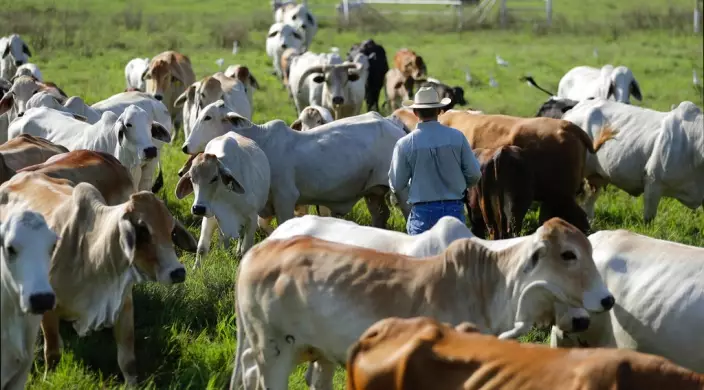
FILE - In this Sept. 22, 2017, file photo, John Locke works to move a herd to another field at his family's ranch in Glen Flora, Texas. (AP Photo/Eric Gay, File)
Humans only add up to about one ten-thousandth of the life on Earth, measured by the dry weight of the carbon that makes up the structure of all living things, also known as biomass.
The planet's real heavyweights are plants. They outweigh people by about 7,500 to 1, and make up more than 80 percent of the world's biomass, a study in Monday's Proceedings of the National Academy of Sciences said.
Bacteria are nearly 13 percent of the world's biomass. Fungi — yeast, mold and mushrooms — make up about 2 percent. These estimates aren't very exact, the real numbers could be more or less, but they give a sense of proportion, said study lead author Ron Milo, a biologist at the Weizmann Institute of Science in Israel.
"The fact that the biomass of fungi exceeds that of all animals sort of puts us in our place," said Harvard evolutionary biology professor James Hanken, who wasn't part of the study.
Still, humans have an outsized influence on its more massive fellow creatures. Since civilization started, humans helped cut the total weight of plants by half and wild mammals by 85 percent, the study said.
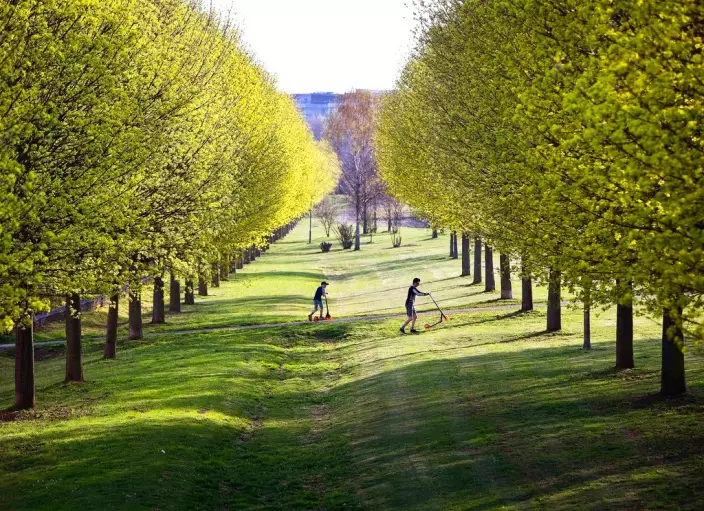
FILE - In this April 11, 2018, file photo, two boys push their scooters through a park with green blossoming trees in Frankfurt, Germany. (AP Photo/Michael Probst, File)
Now domesticated cattle and pigs outweigh all wild mammals by 14 to 1, while the world's chickens are triple the weight of all the wild birds. Instead of children's books about elephants and lions, a more honest representation of Earth's animals would be "a cow next to another cow, next to another cow next to a chicken," Milo said.
Milo and colleagues took earlier research that looked at biomass for different types of life, combined them, factored in climate, geography and other environmental issues, to come up with a planetwide look at the scale of life on the planet. Taking water out of the equation and measuring only dry carbon makes it easier for scientists to compare species. About one-sixth the weight of a human is dry carbon. Humans are about two-thirds water.
"Even though short in numbers, we have managed to throw a lot of sand in the air and mess up a lot of things," said noted Harvard biologist E.O. Wilson, who wasn't involved in the study.
The Associated Press’ most striking images from nature in 2025 show existence as fragile as an albino turtle hatchling among its peers or a cicada’s translucent wings.
Beyond the headlines and sometimes dangerous human impacts on their worlds, animals and other creatures persist.
A polar bear sprawls outside an abandoned research station on an island off Russia, surrounded by grass, not snow.
A raccoon eats peanuts on a boardwalk in Panama City.
Sheep are herded through central Madrid.
The photos show a world without us and without borders, one of extraordinary beauty in the everyday.
A hummingbird is poised to sip from a flower.
A pollen-flecked ladybug explores a dandelion.
A humpback whale surfaces with a splash.
All things end. An insect is trapped in a glistening carnivorous plant. Vultures fly over an unseen carcass in India. Eagles clash while hunting.
And then, as a baby bird peeks from among its parents’ feathers, life begins again.
Photo editing by Courtney Dittmar and Anne-Marie Belgrave.
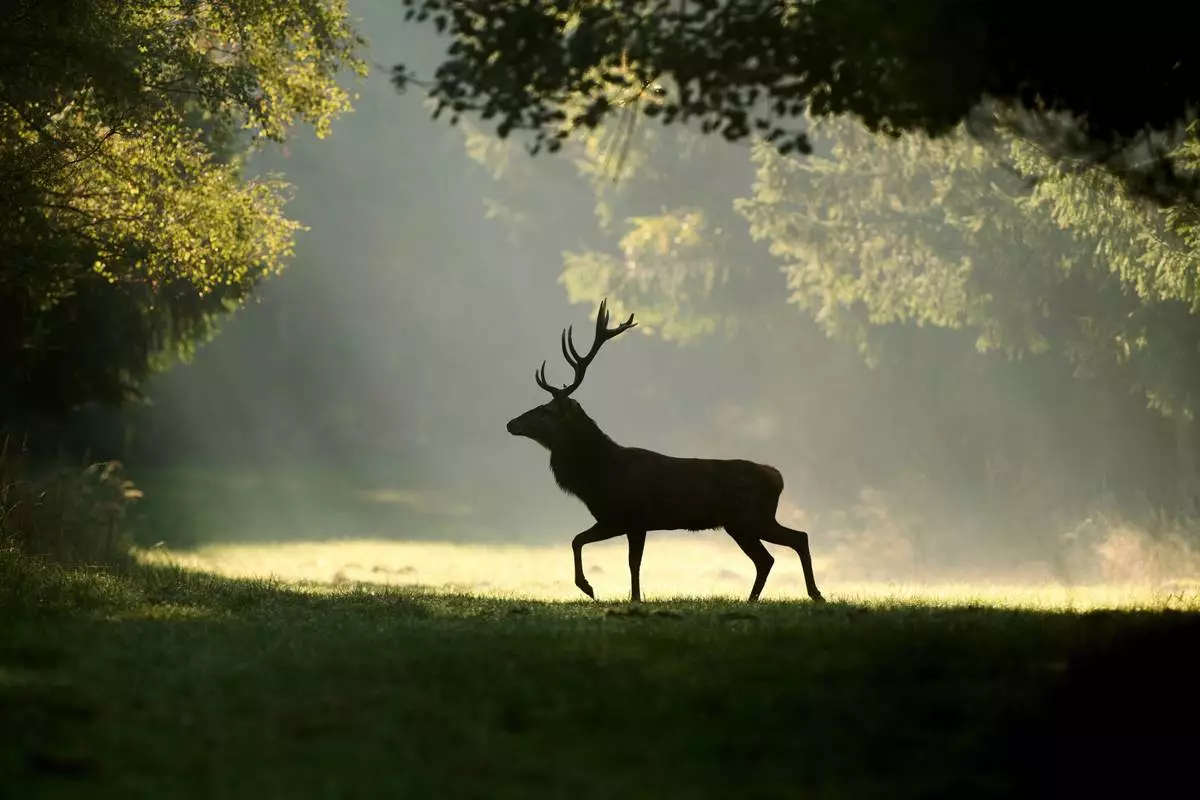
A stag is silhouetted as it walks through a forest in the Taunus region near Frankfurt, Germany, Oct. 1, 2025. (AP Photo/Michael Probst, File)
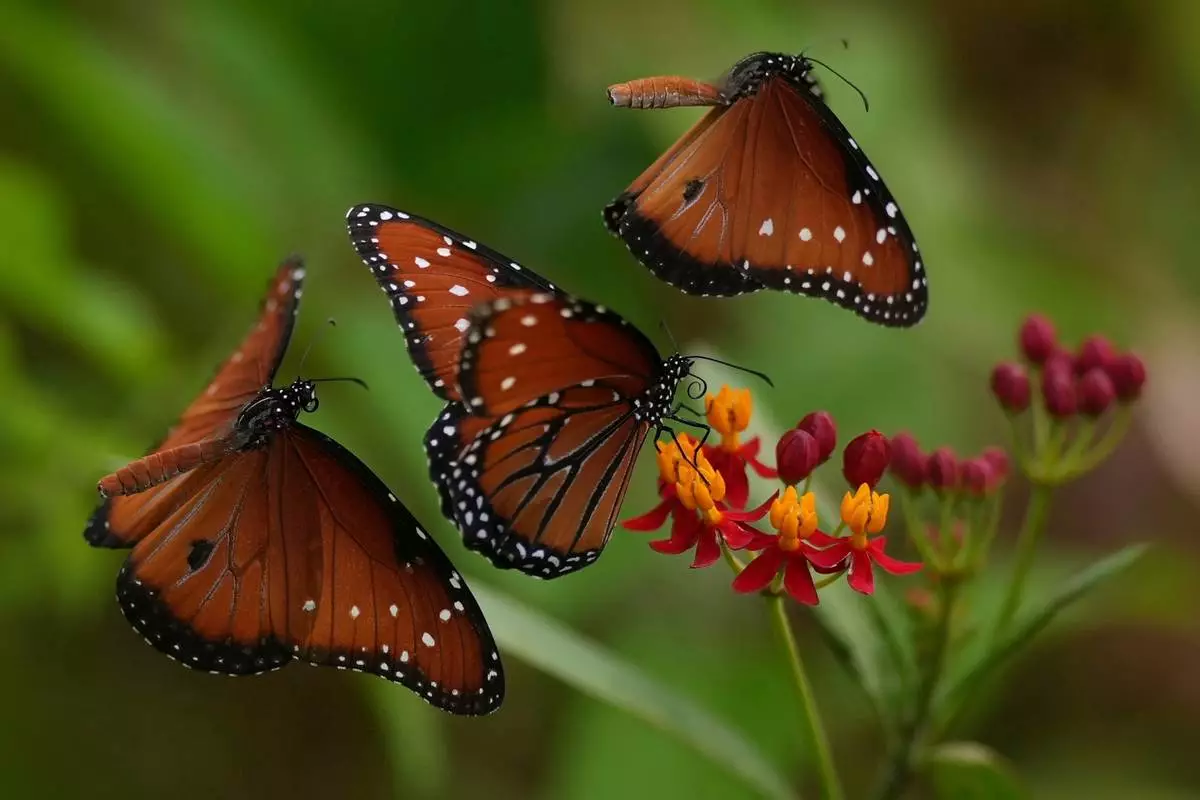
Butterflies gather around flowers along the Riverwalk, July 18, 2025, in San Antonio. (AP Photo/Eric Gay, File)

A peacock alights next to a pickup truck at Mack's Fish Camp, a family-owned airboat tour business and campground on the Eastern edge of the Everglades, May 28, 2025, near Miramar, Fla. (AP Photo/Rebecca Blackwell, File)
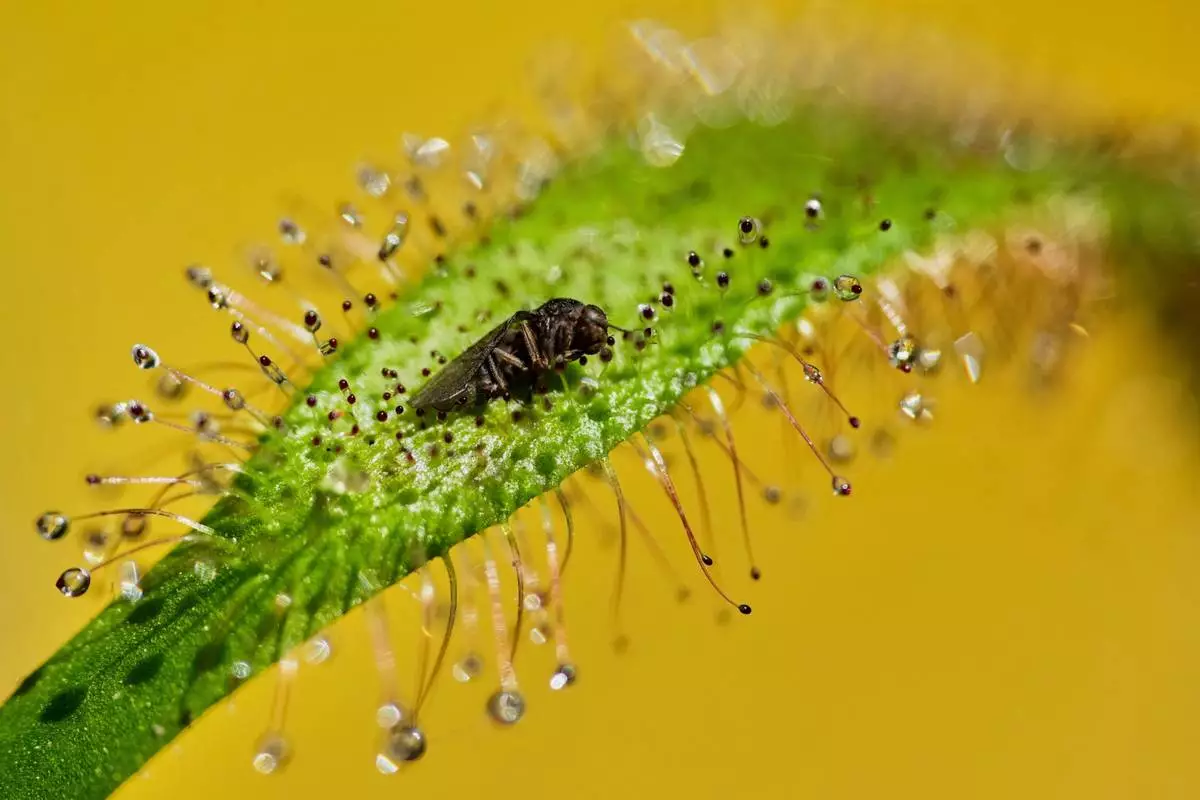
A Drosera capensis plant traps an insect at a carnivorous plant exhibit at the Botanical Garden in Bogota, Colombia, April 3, 2025. (AP Photo/Fernando Vergara, File)
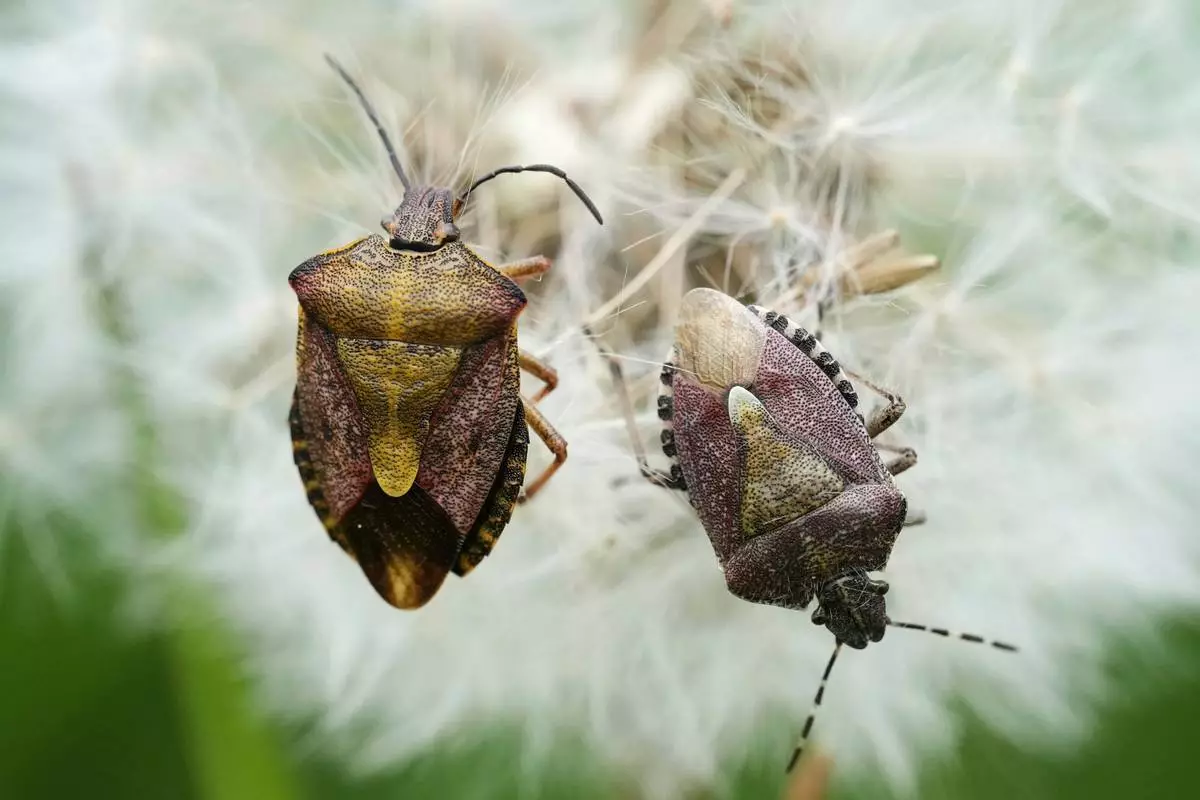
Brown marmorated stink bugs sit on a dandelion flower at a park in Tallinn, Estonia, May 25, 2025. (AP Photo/Sergei Grits, File)
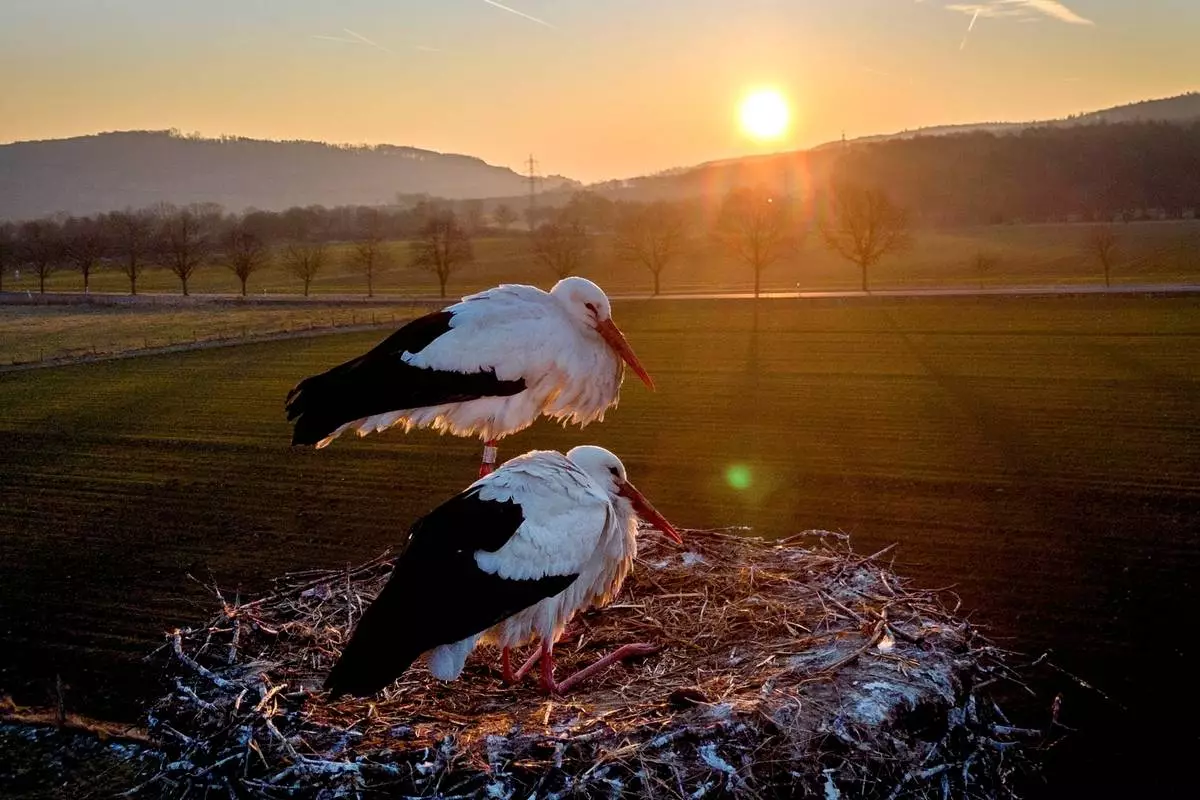
A stork couple is backdropped by the rising sun after a night of minus seven degrees Celsius (19.4 Fahrenheit) weather, on a field in Wehrheim near Frankfurt, Germany, Feb. 19, 2025. (AP Photo/Michael Probst, File)
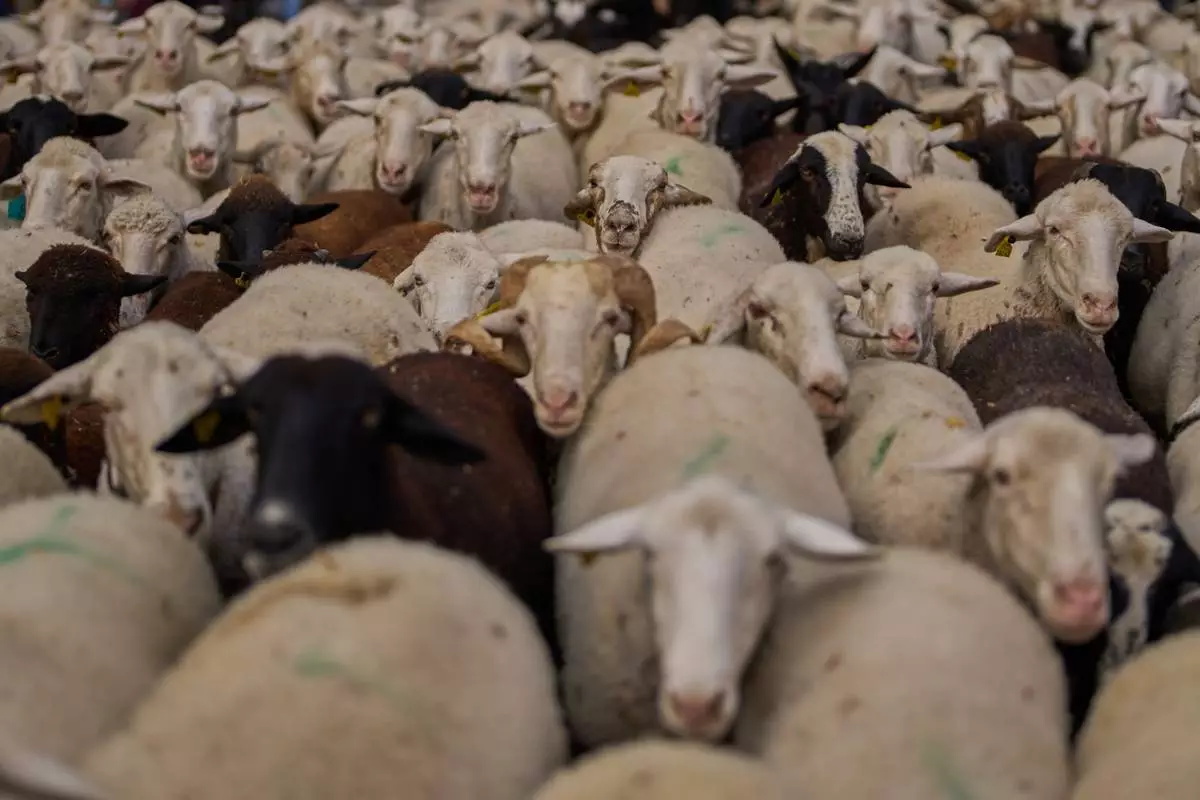
A herd of sheep is guided through central Madrid, Spain, as shepherds lead them through the streets in defense of ancient grazing and migration rights, Oct. 19, 2025, in Madrid, Spain. (AP Photo/Manu Fernandez, File)
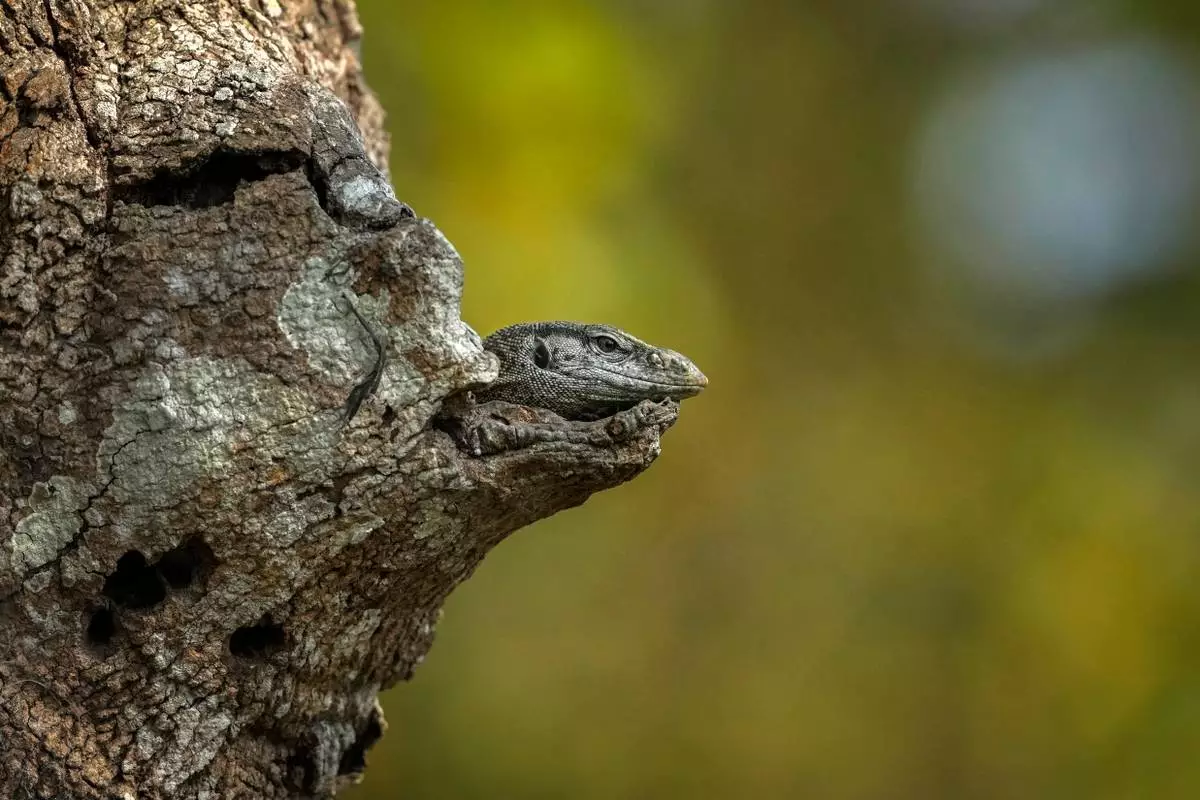
A Monitor Lizard rests on a tree inside the Kaziranga National Park in Kaziranga, India, March 4, 2025. (AP Photo/Anupam Nath, File)
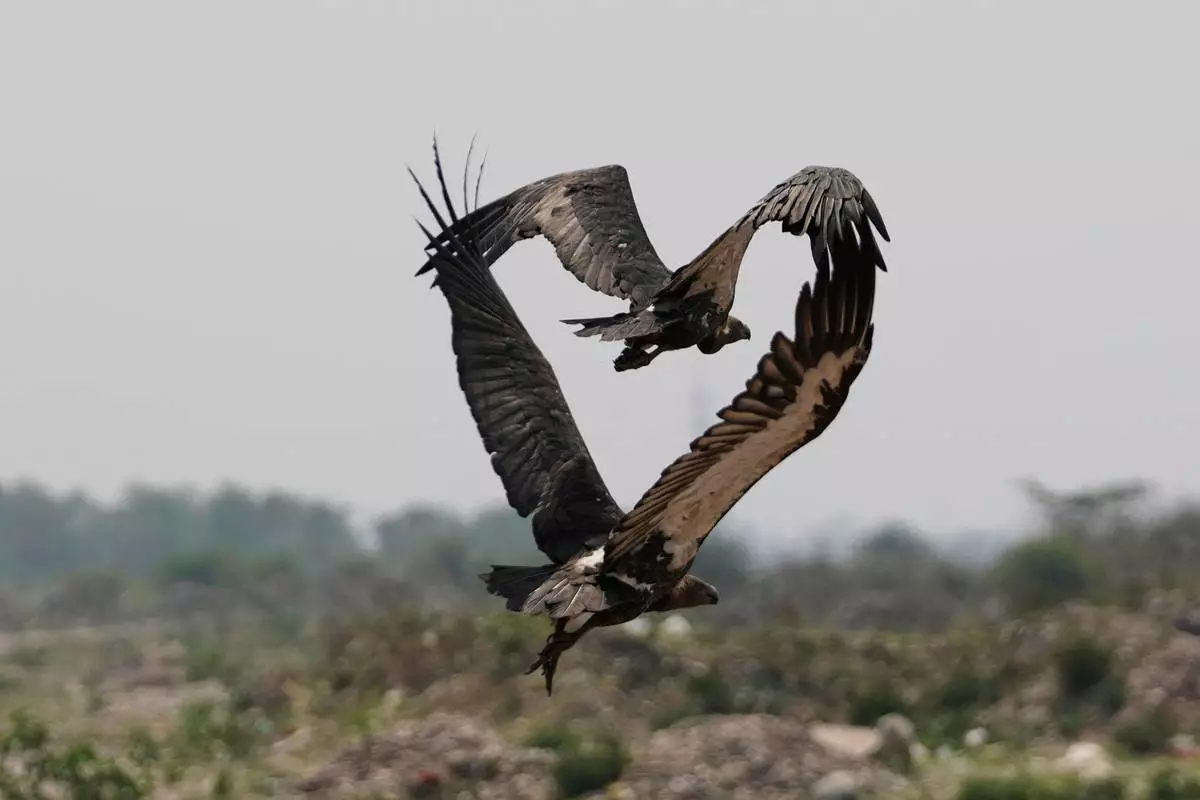
Vultures fly over the decomposed body of an animal, unseen, in Jammu, India, May 27, 2025. (AP Photo/Channi Anand, File)
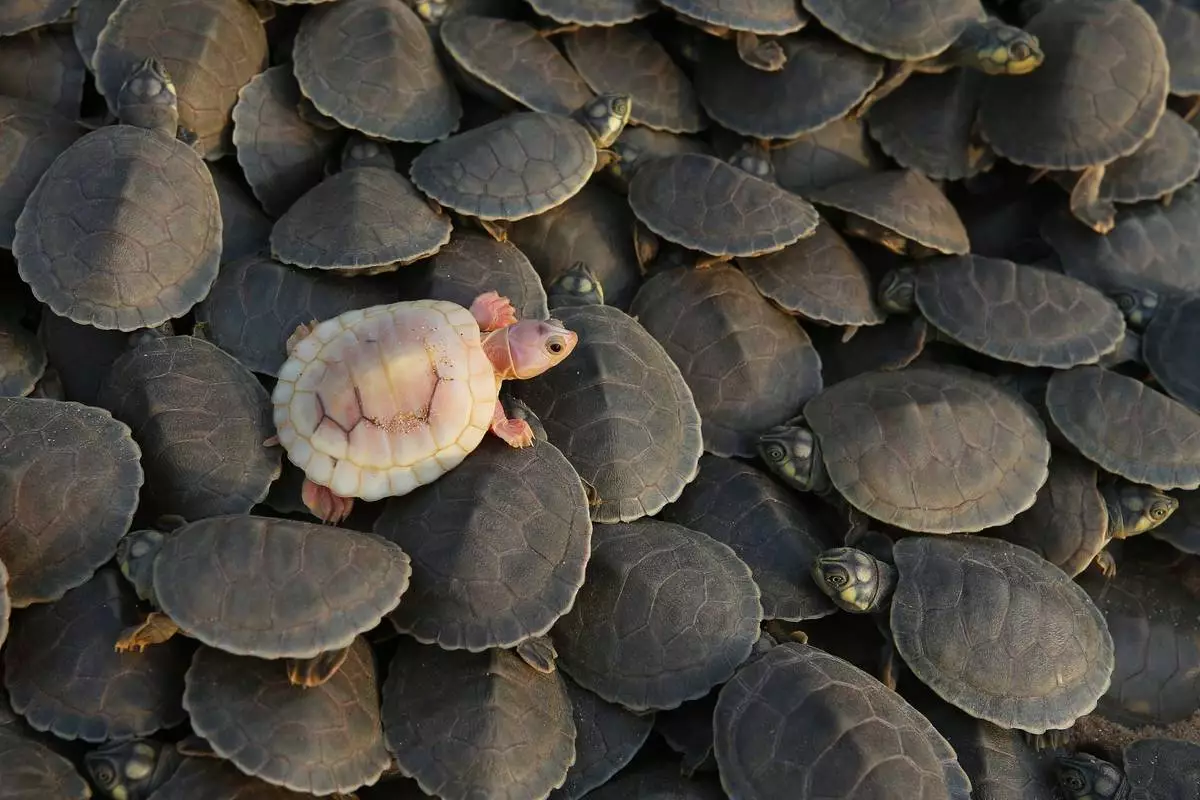
An albino turtle hatchling sits among other Arrau turtles (podocnemis expansa) ahead of their release at the Abufari Biological Reserve, in Tapaua, Amazonas state, Brazil, Nov. 17, 2025. (AP Photo/Edmar Barros, File)
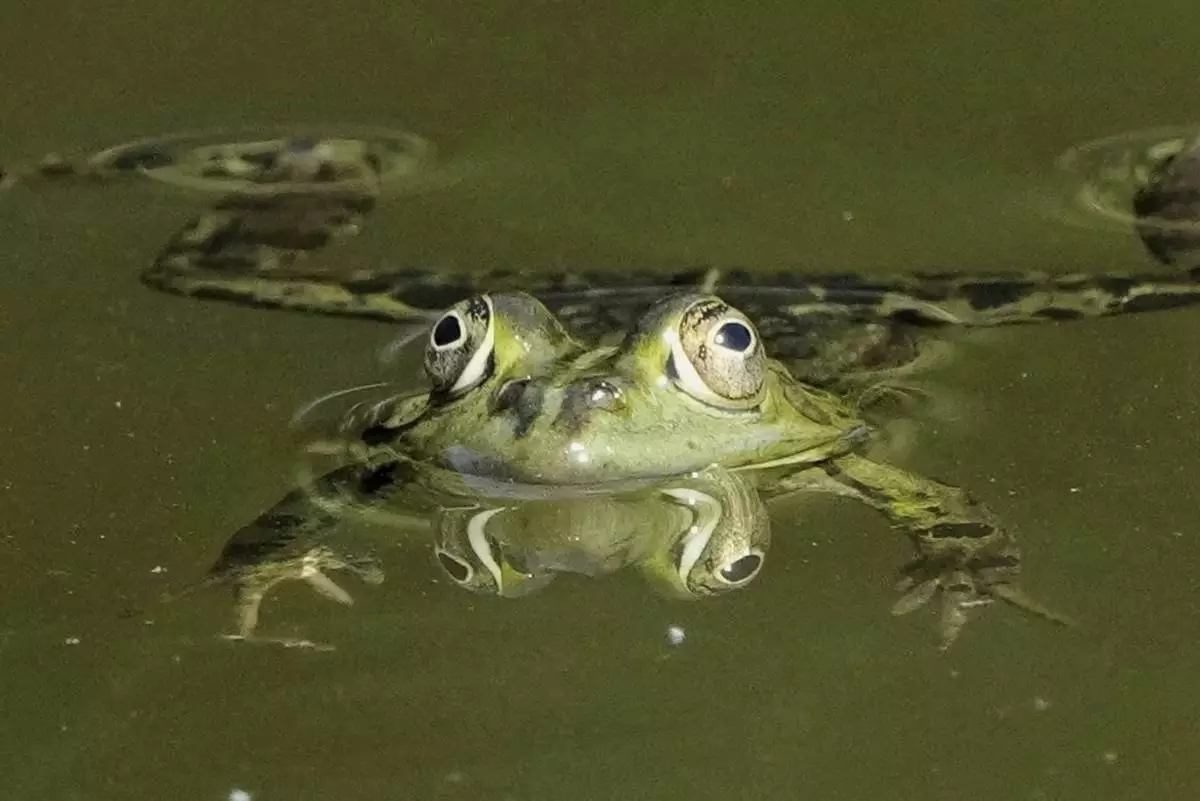
A frog swims in a pond behind the Bellevue Palace in Berlin, Germany, May 12, 2025. (AP Photo/Markus Schreiber, File)
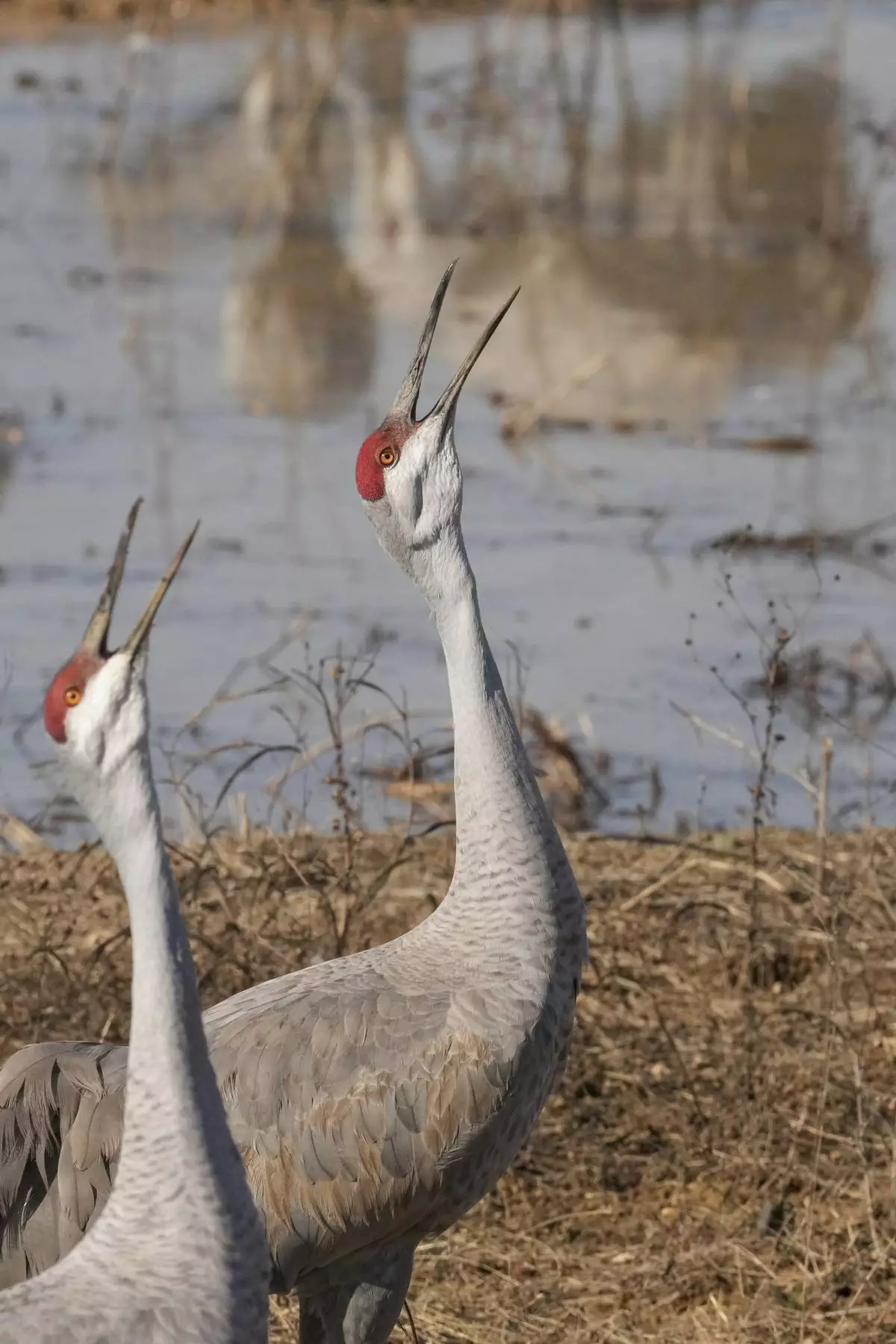
Sandhill cranes are seen at the Wheeler National Wildlife Refuge, Jan. 13, 2025, in Decatur, Ala. (AP Photo/George Walker IV, File)
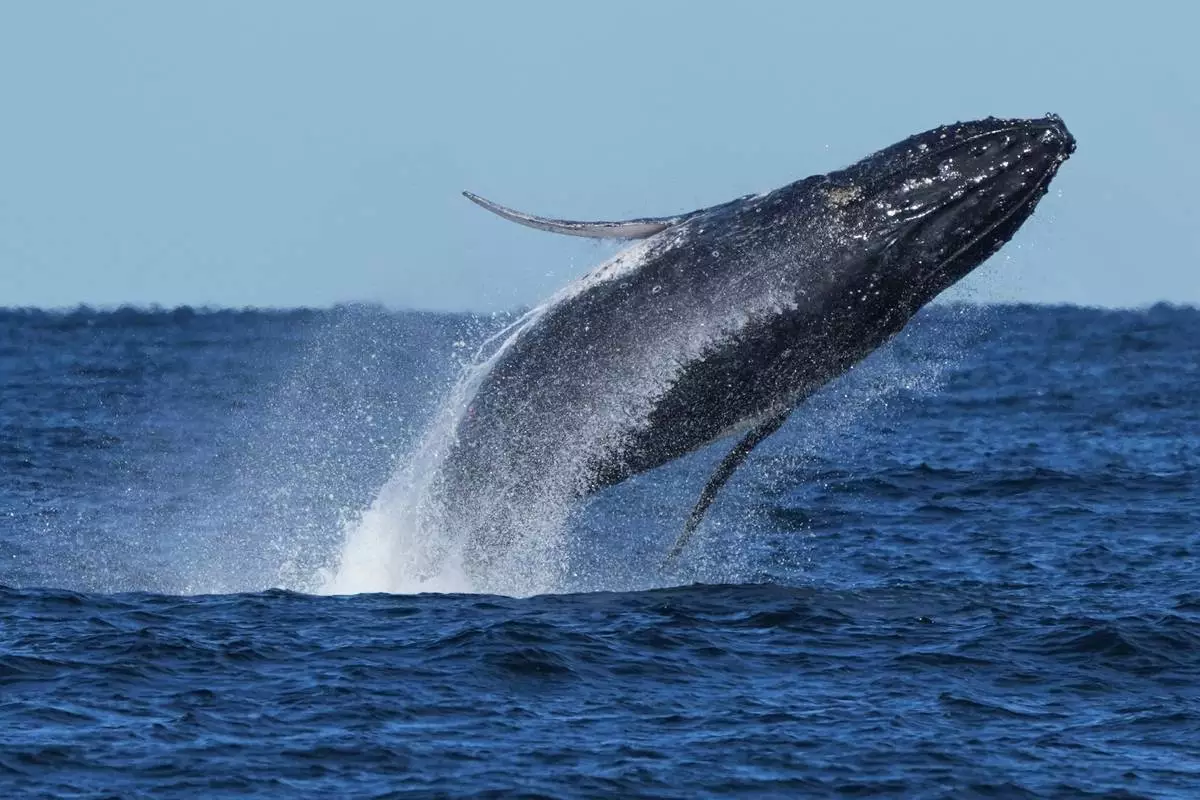
A humpback whale breaches off the coast of Port Stephens north of Sydney, Australia, June 18, 2025. (AP Photo/Mark Baker, File)
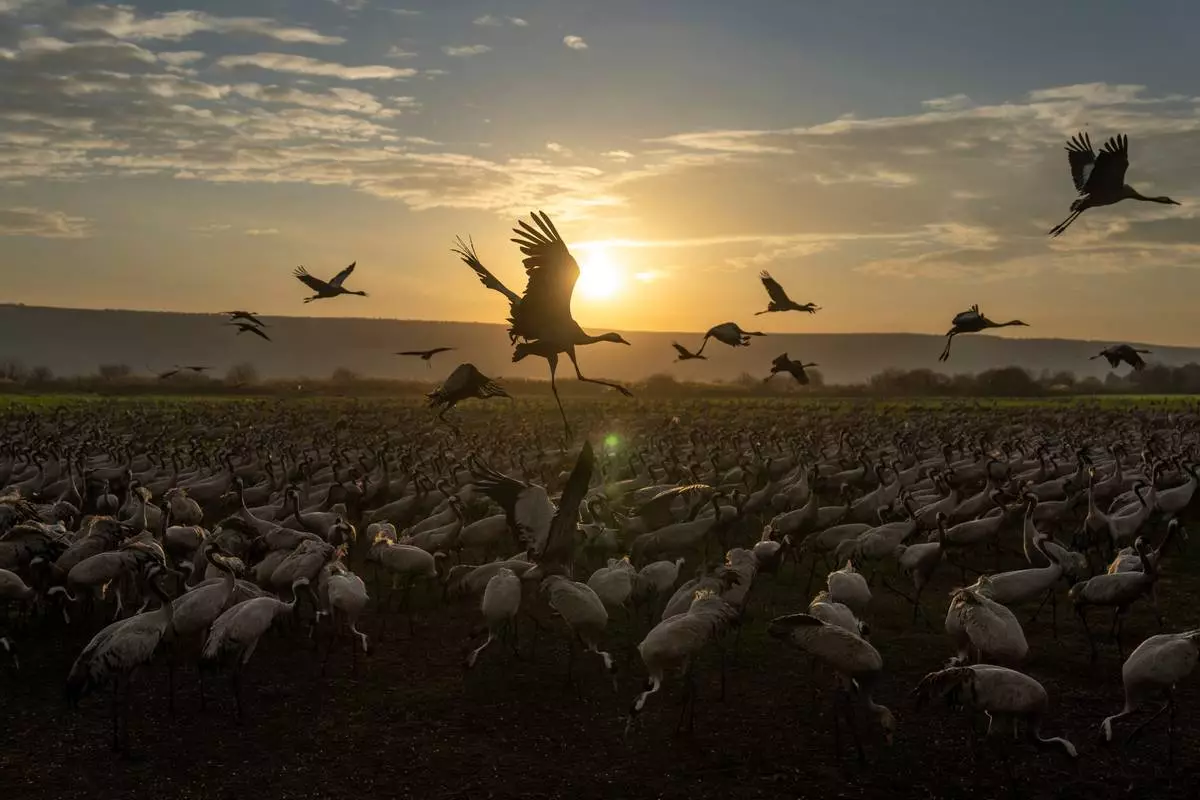
Migrating cranes flock at sunrise in Hula Lake conservation area, north of the Sea of Galilee, northern Israel, Jan. 23, 2025. (AP Photo/Ariel Schalit, File)
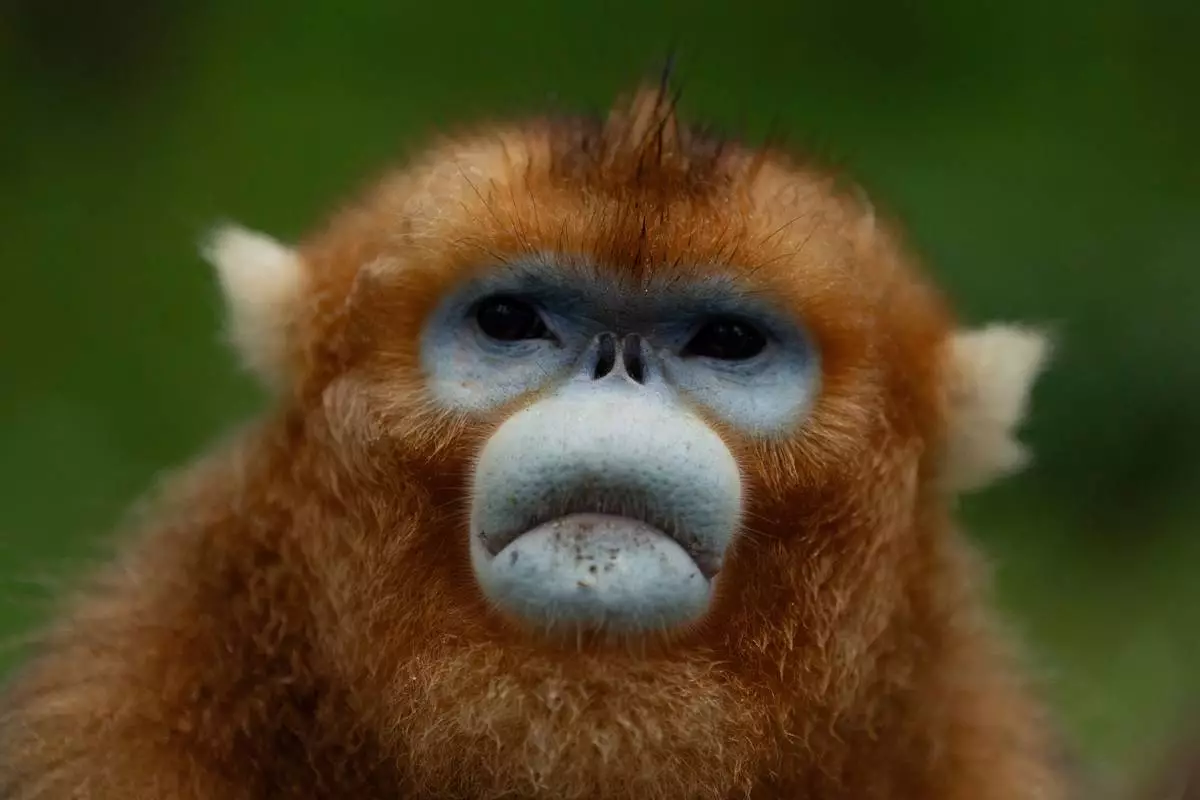
A golden snub-nosed monkey is seen in Shennongjia National Park in central China's Hubei province, June 18, 2025. (AP Photo/Ng Han Guan, File)
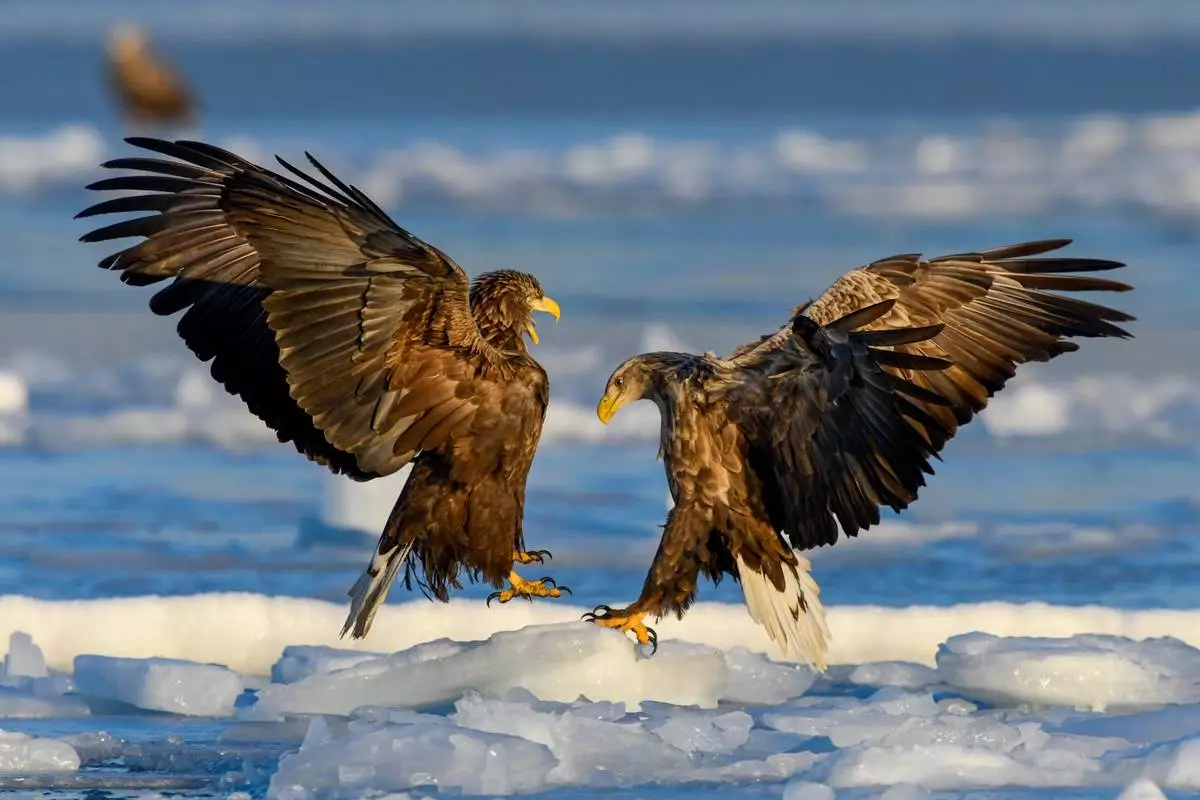
A couple of White-tailed eagles fight while hunting at the Bosfor Vostochny channel in Vladivostok, Russia, Feb. 10, 2025. (AP Photo/Anton Balashov, File)

A ladybug sits on a dandelion flower at a park in Tallinn, Estonia, May 25, 2025. (AP Photo/Sergei Grits, File)
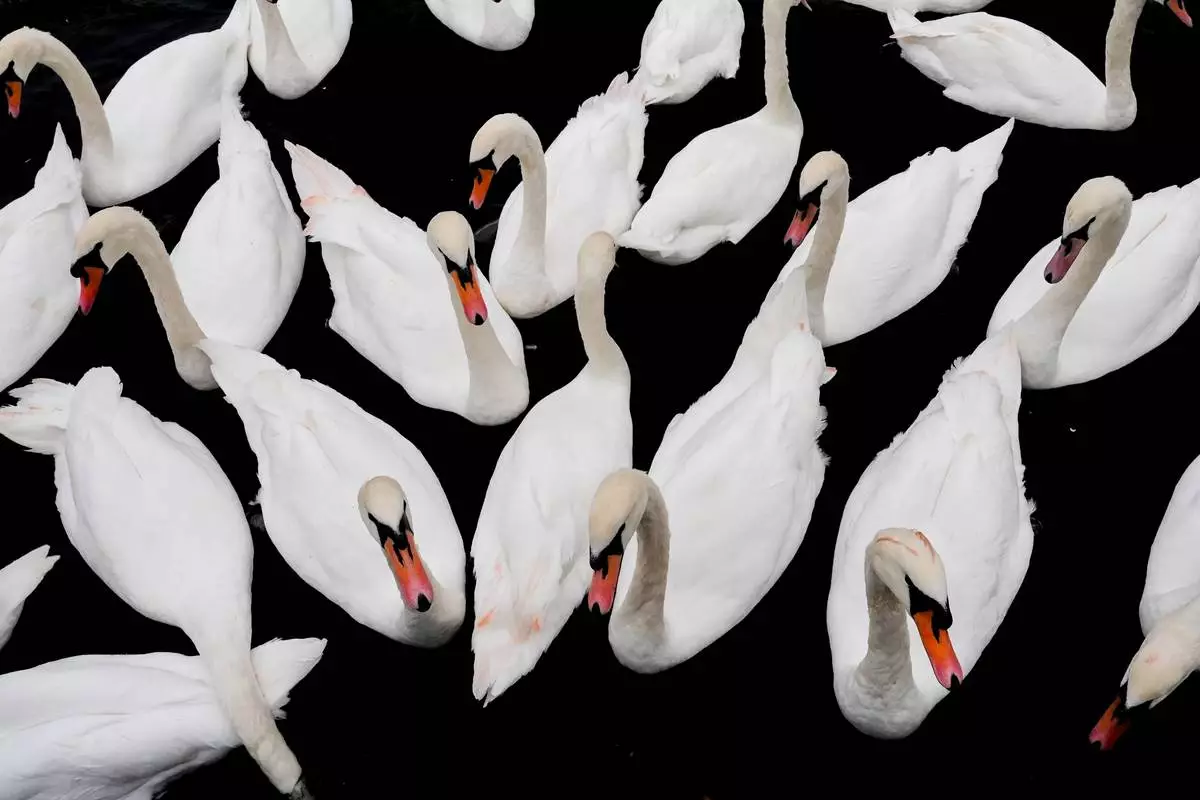
Mute swans float on the River Thames, Oct. 10, 2025, in Windsor, England. (AP Photo/Julia Demaree Nikhinson, File)
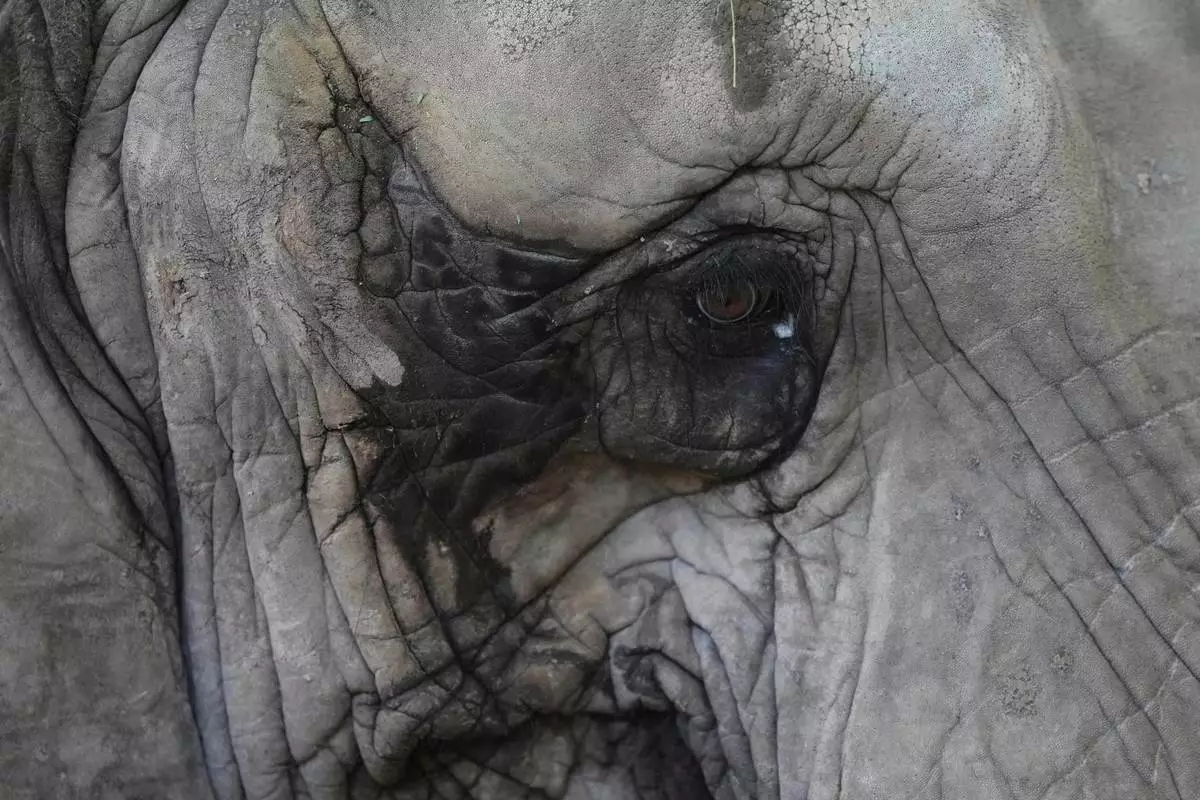
A female African elephant named Pupy stands in her enclosure at the Ecoparque in Buenos Aires, Argentina, March 25, 2025, as she is trained for her relocation to a sanctuary in Brazil. (AP Photo/Natacha Pisarenko, File)
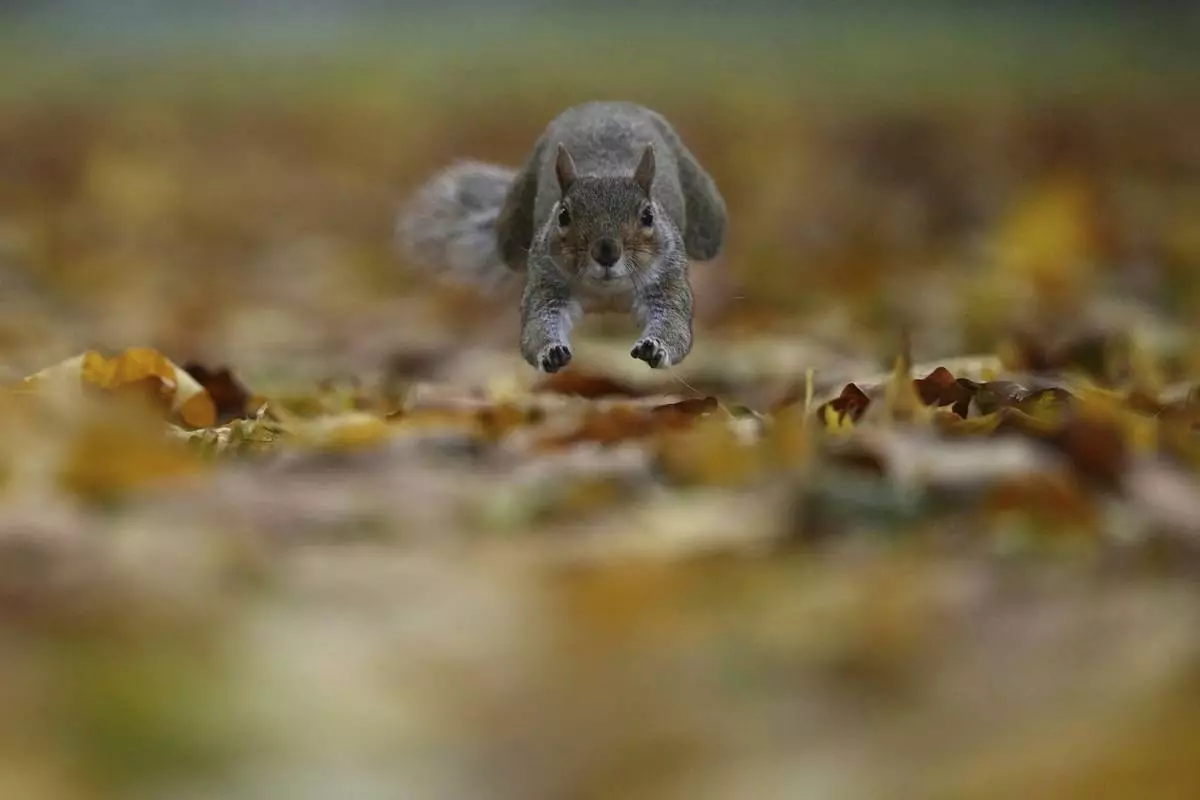
A grey squirrel jumps amongst autumn leaves in a London park, Nov. 4, 2025. (AP Photo/Kin Cheung, File)
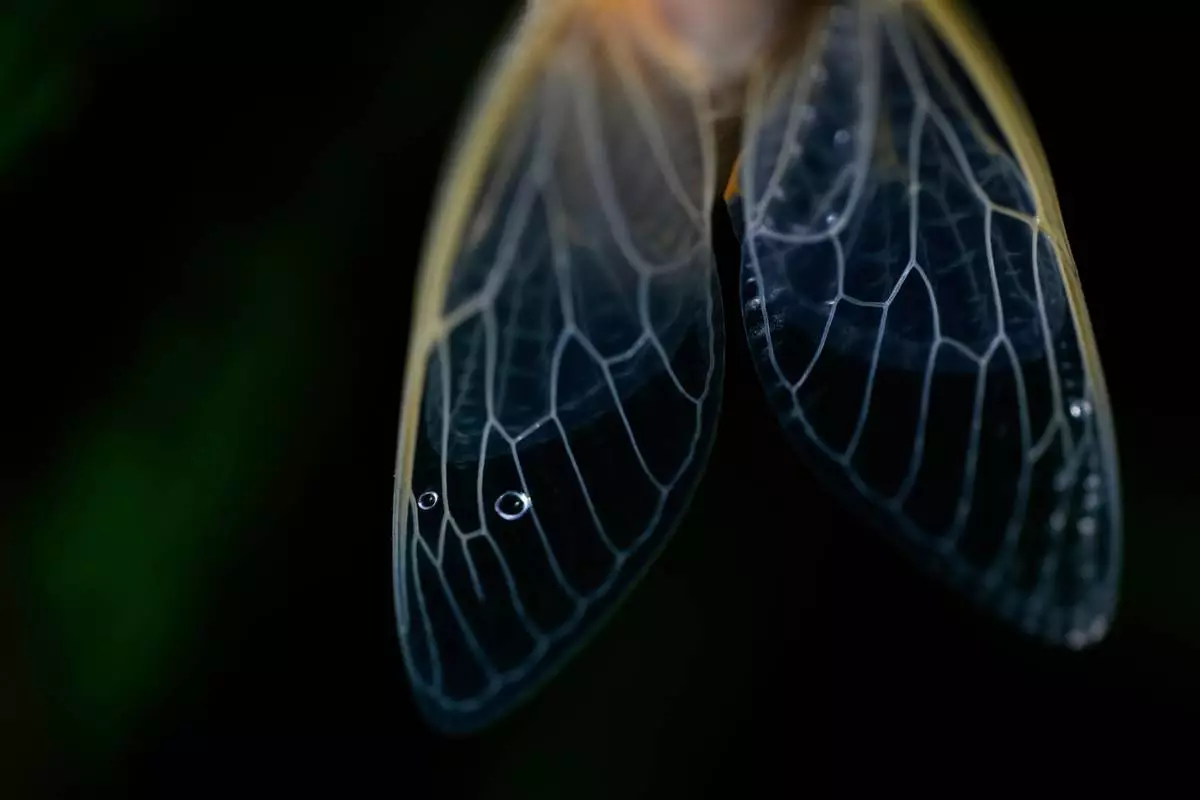
The veins of an adult periodical cicada's translucent wings are illuminated shortly after shedding its nymphal skin after a heavy rain, May 16, 2025, in Cincinnati. (AP Photo/Carolyn Kaster, File)
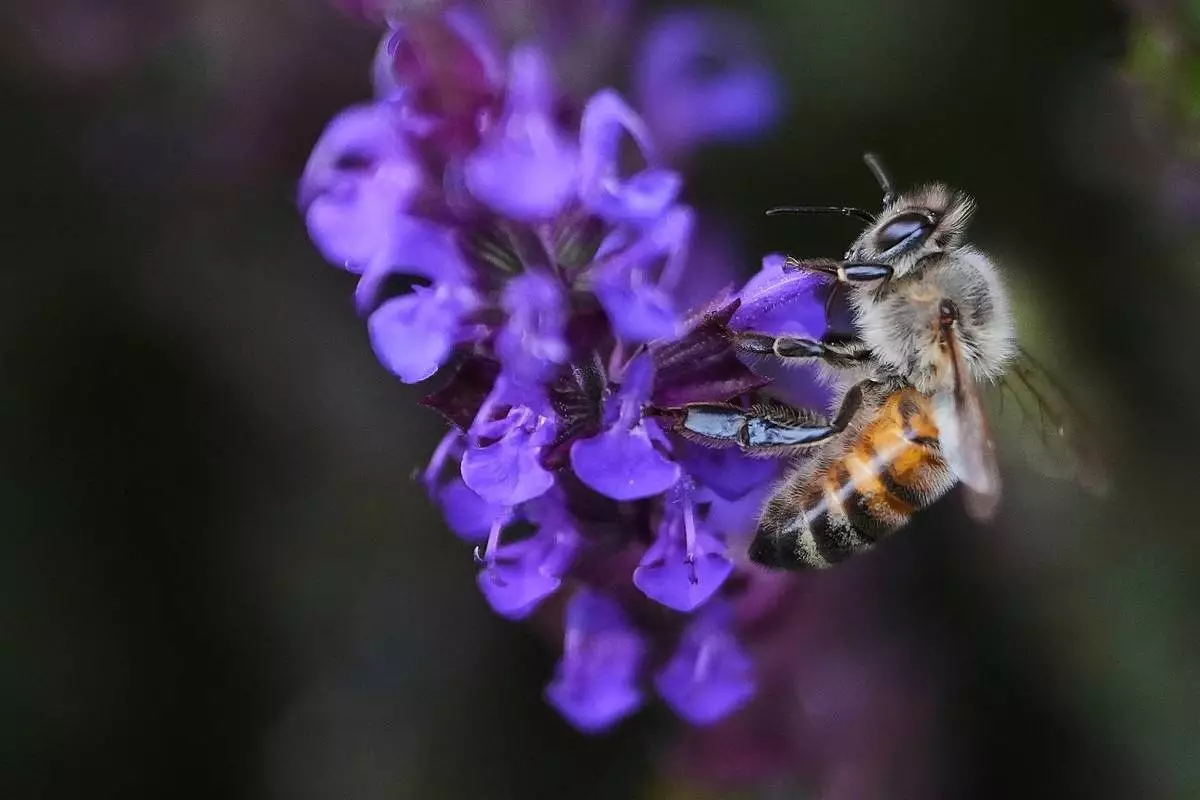
A bee collects pollen from a blue salvia, part of the blue, green, and white flower color scheme at the All England Lawn Tennis and Croquet Club, ahead of the Wimbledon Championships in London, June 25, 2025. (AP Photo/Kirsty Wigglesworth, File)
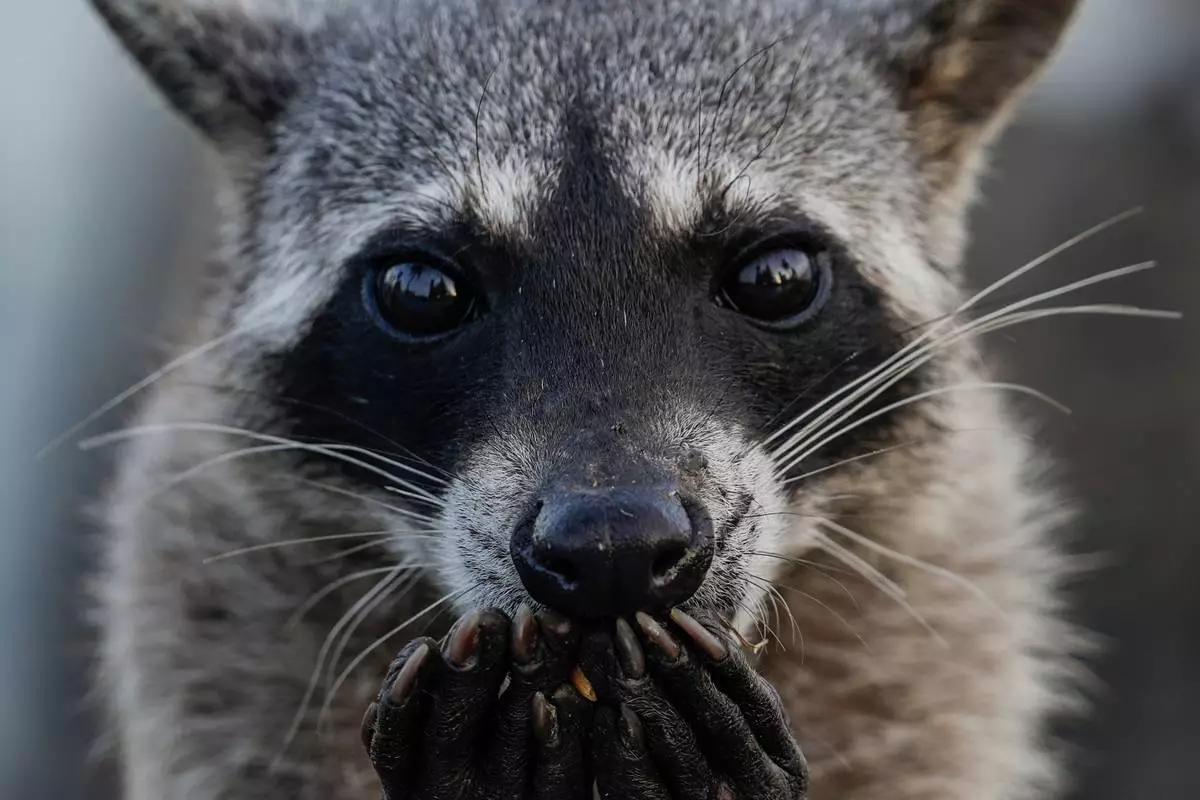
A raccoon eats peanuts on the boardwalk in Panama City, March 23, 2025. (AP Photo/Matias Delacroix, File)
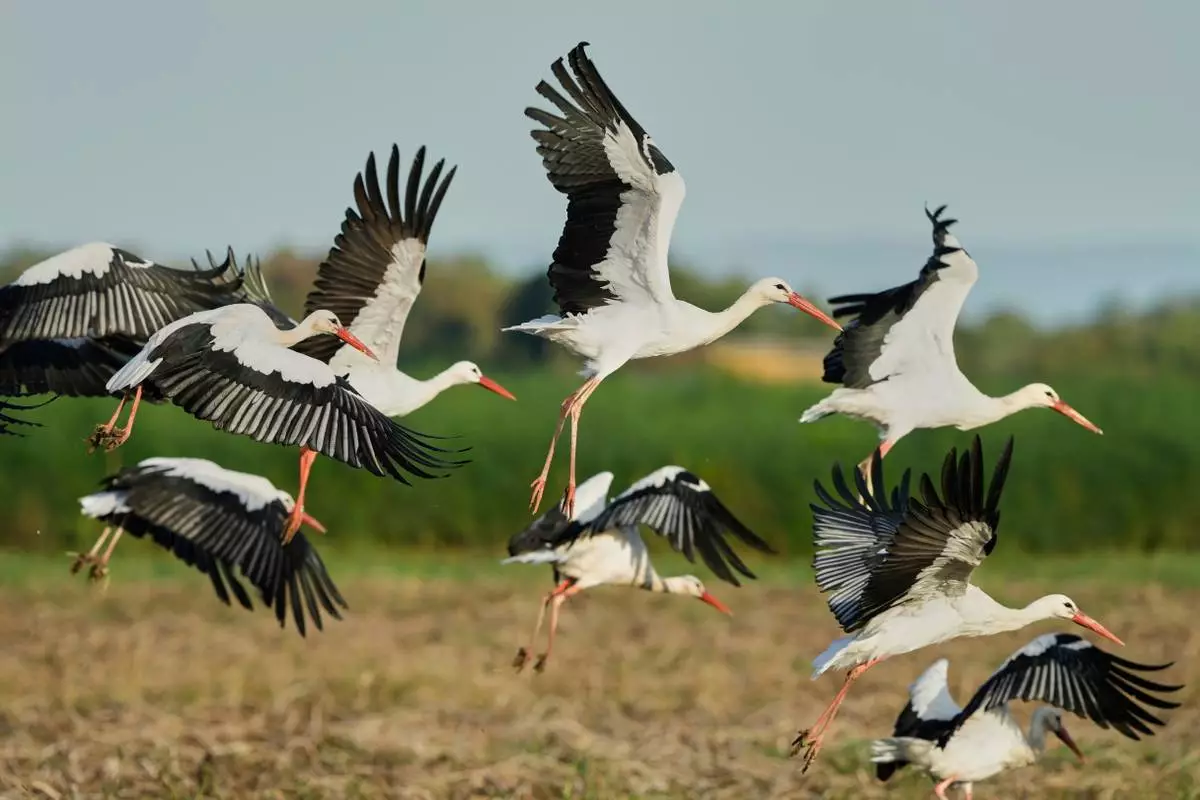
Storks fly over fields in Buettelborn near Frankfurt, Germany, Sept. 23, 2025. (AP Photo/Michael Probst, File)
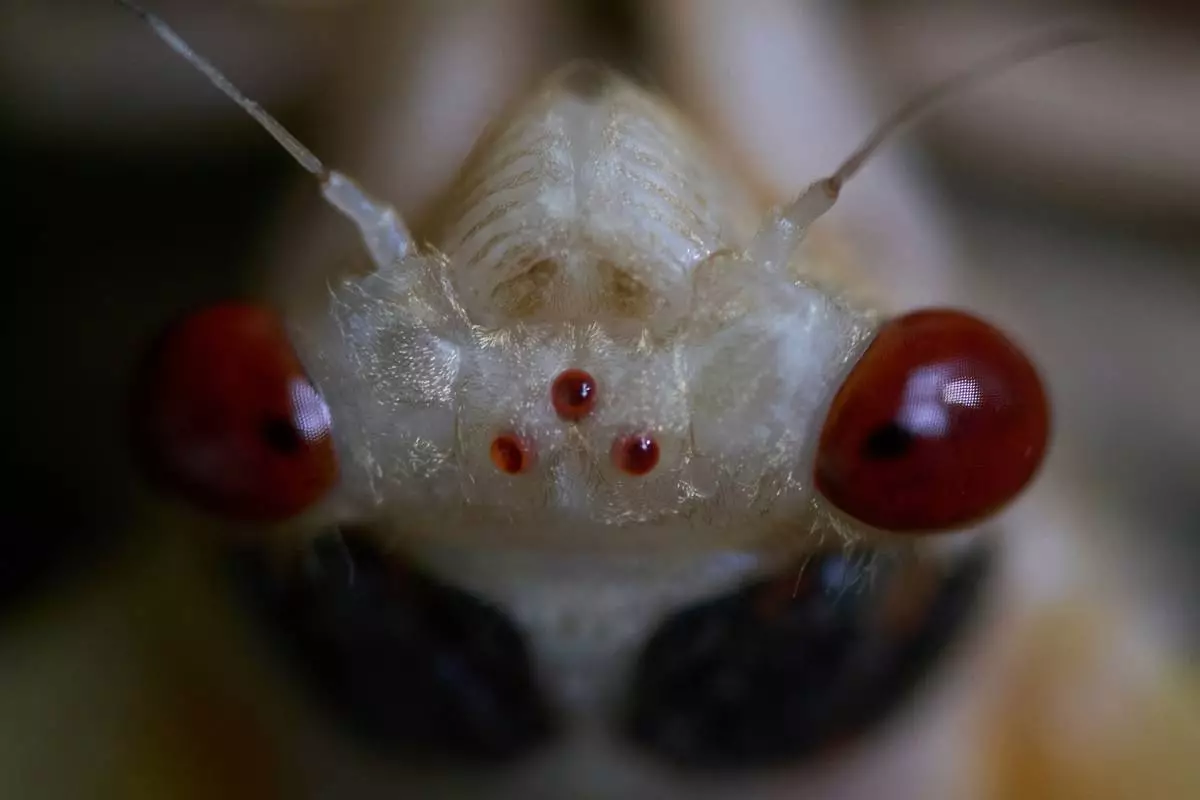
An adult periodical cicada, in the process of shedding its nymphal skin, is seen on May 20, 2025, in Cincinnati. (AP Photo/Carolyn Kaster, File)
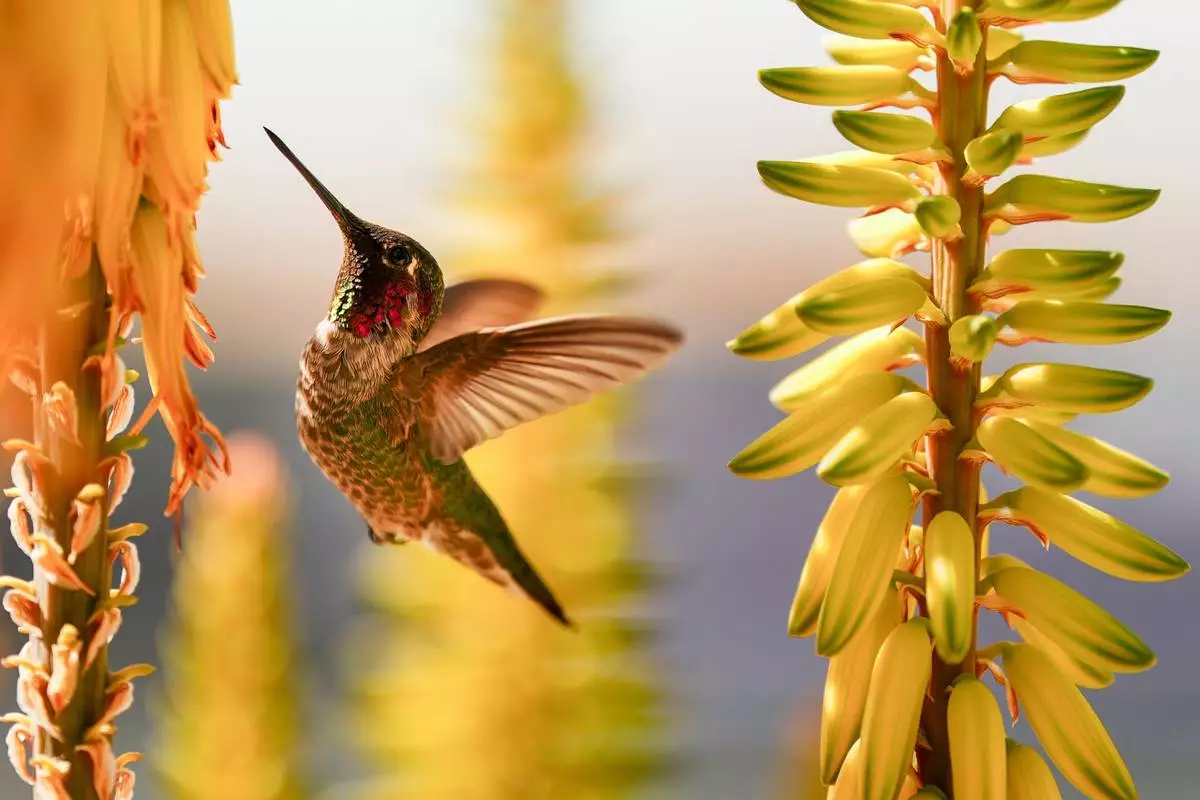
A hummingbird drinks from a flower in a garden on the outfield lawn before a spring training baseball game between the Kansas City Royals and the Athletics, Feb. 24, 2025, in Surprise, Ariz. (AP Photo/Lindsey Wasson, File)
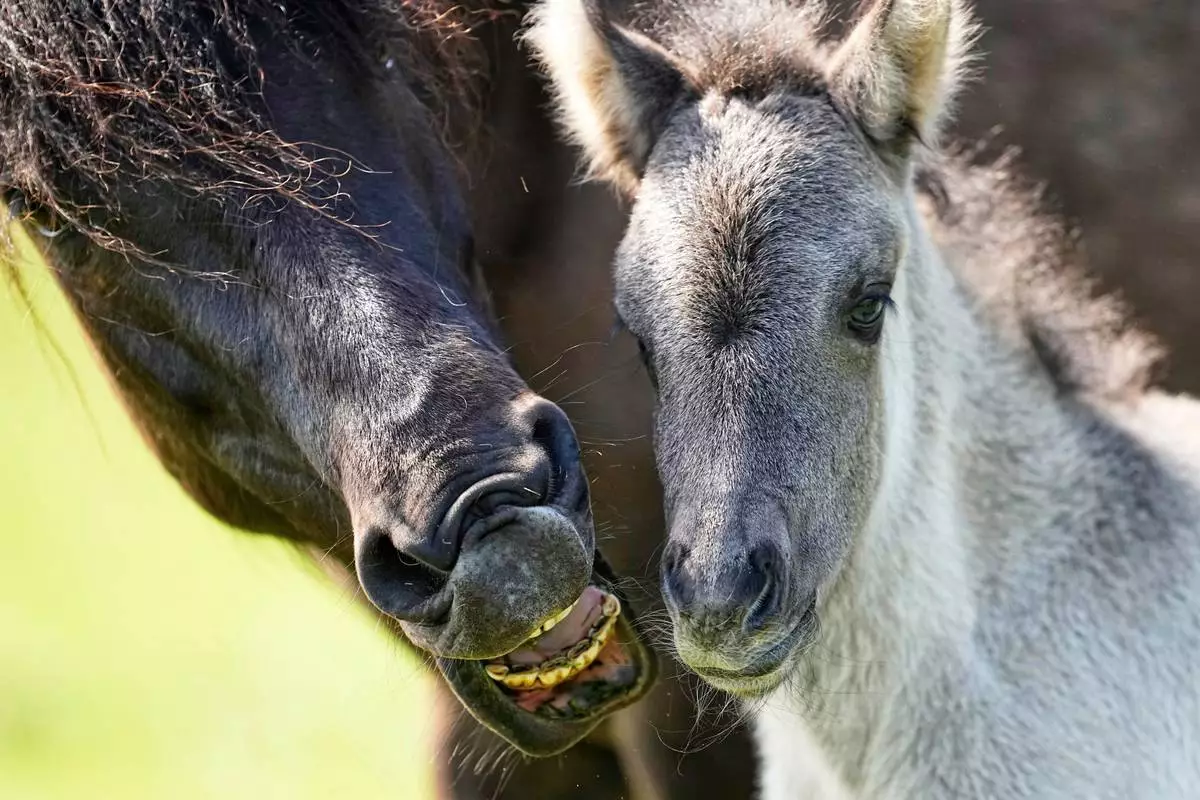
A young wild horse stands by its mother in a meadow near the city of Duelmen, Germany, where the herd lives in almost unmanaged feral conditions, April 19, 2025. (AP Photo/Martin Meissner, File)
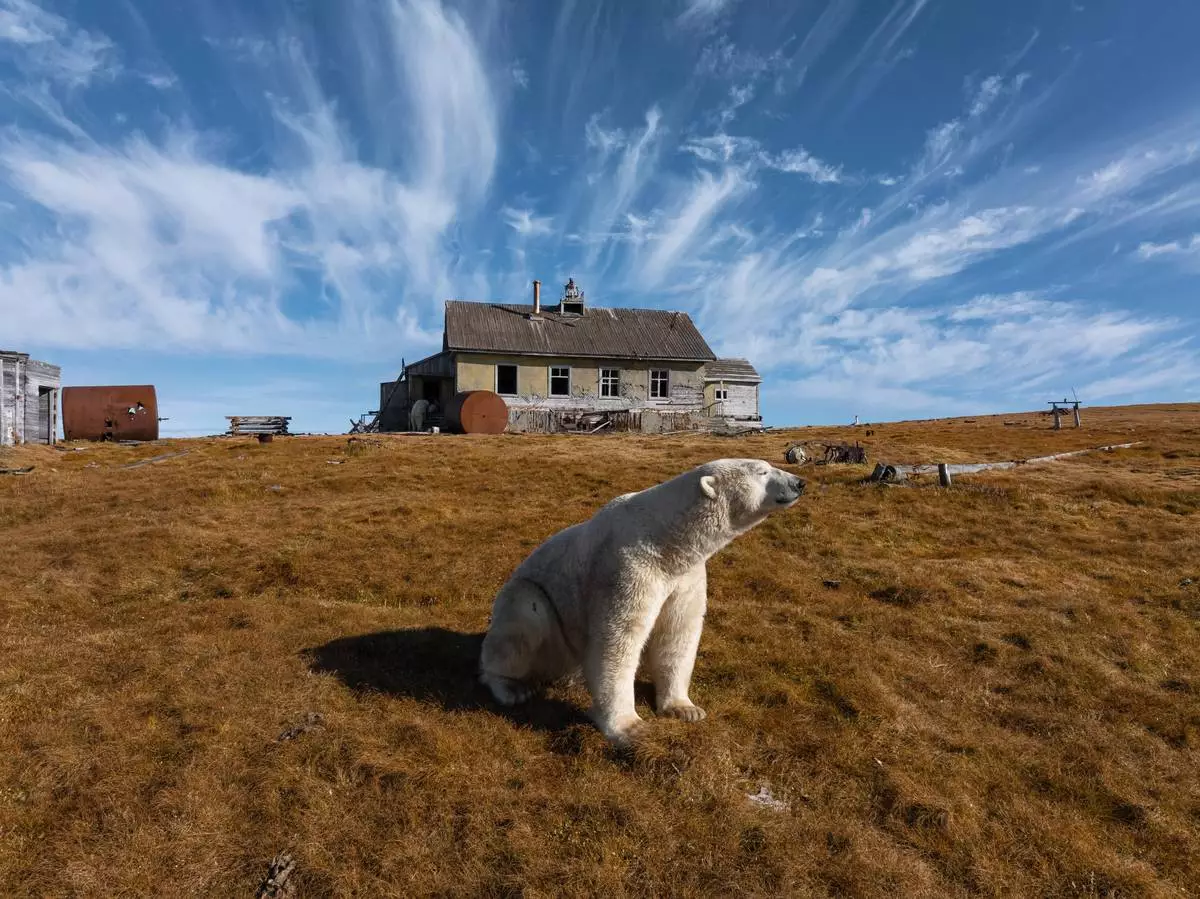
A polar bear is seen in front of an abandoned research station on Koluchin Island, off Chukotka, Russia, in the country's Far East, Sept. 14, 2025. (AP Photo/Vadim Makhorov, File)
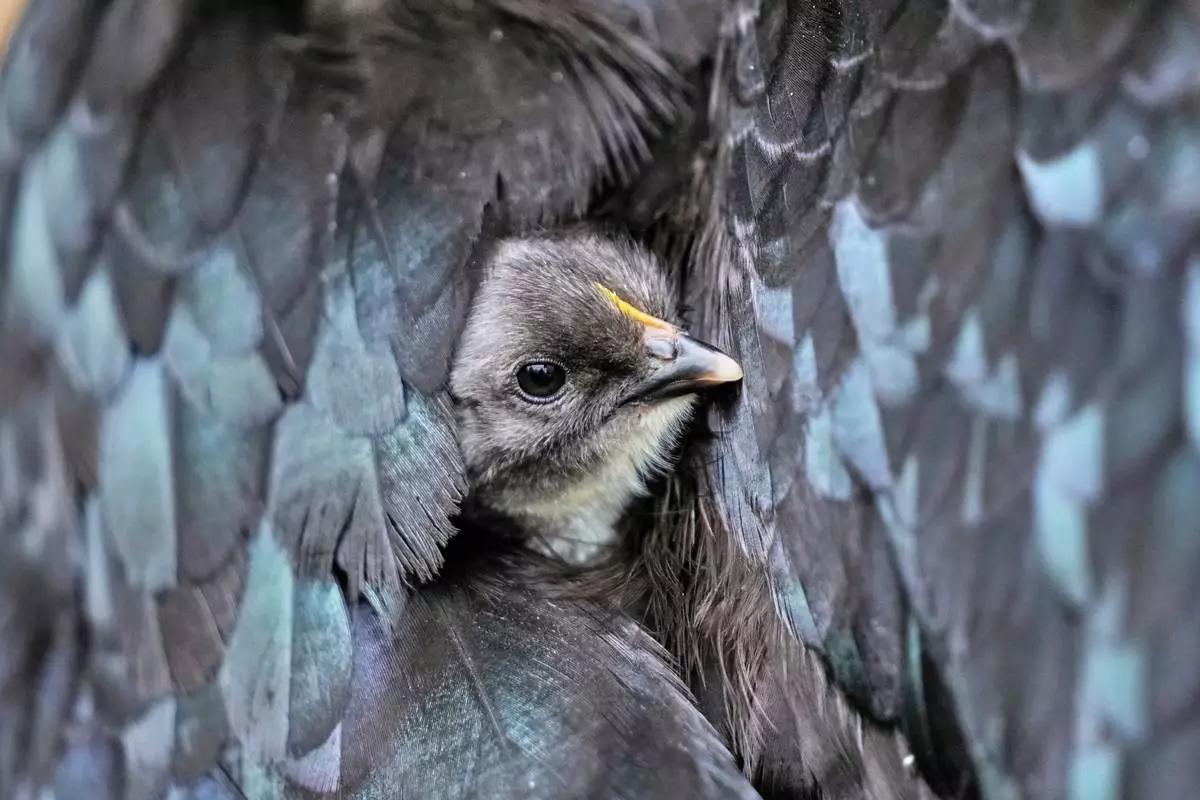
A newborn chick looks out of the feathers of its mother at a farm in Wehrheim near Frankfurt, Germany, July 14, 2025. (AP Photo/Michael Probst, File)