Elon Musk, owner of social media platform X (formerly Twitter), expressed his opposition to a potential ban on the video sharing app TikTok in a post on Friday.
Musk wrote in the post that the ban goes against freedom of speech and expression.
The U.S. House of Representatives has passed a bill which could potentially lead to the nationwide ban on short-video app TikTok, citing unfounded national security concerns due to its Chinese ownership.
It demands TikTok divest from its Chinese parent company ByteDance or be shut out of the American market. The bill is expected to go to the Senate for a vote next week.
TikTok has repeatedly denied that it has ever shared U.S. user data with Chinese authorities and vowed never to do so.
There are other concerns about the bill that it could give the U.S. president the authority to designate any application as a threat to national security simply by deeming it hostile.
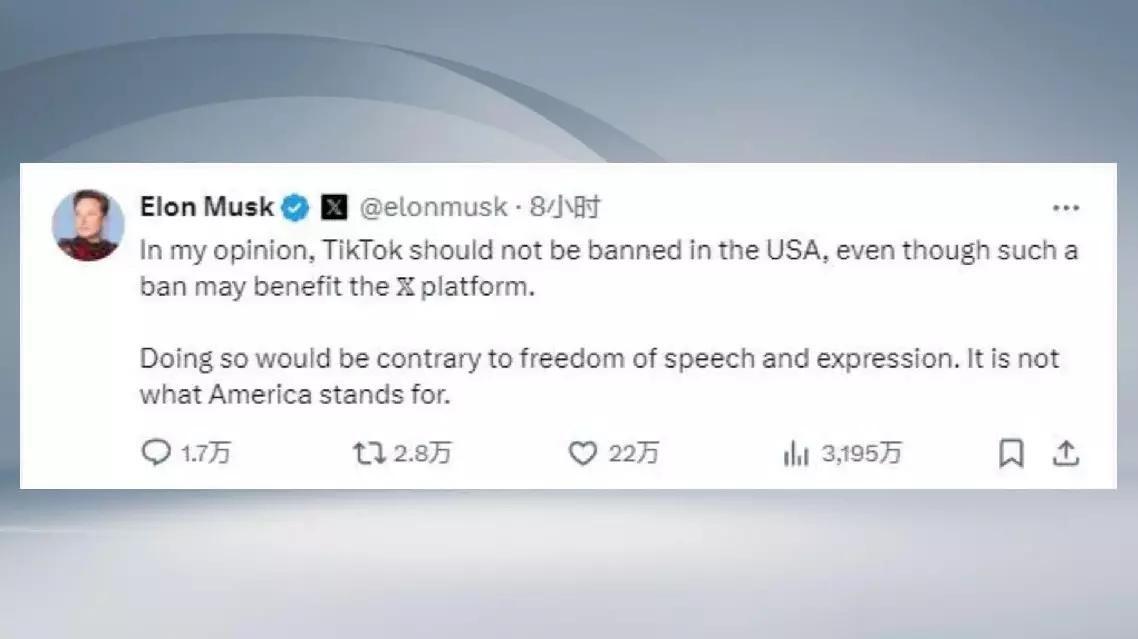
Elon Musk expresses objection to TikTok ban
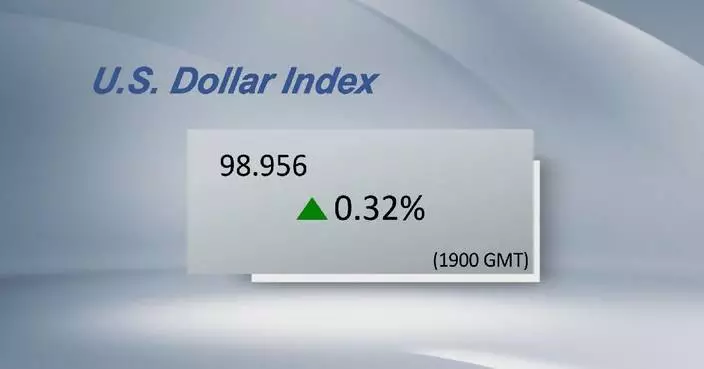
U.S. stocks ended mixed on Wednesday as investors digested a heavily divided Federal Reserve interest rate decision and continuous rise of crude oil prices.
The Dow Jones Industrial Average fell 0.57 percent to 48,861.81. The S and P 500 sank 0.04 percent to 7,135.95. The Nasdaq Composite Index increased 0.04 percent to 24,673.24.
Seven of the 11 primary S and P 500 sectors ended in the red. The utilities and materials sectors led the laggards, dropping 1.23 percent and 1.1 percent, respectively. Meanwhile, the energy and technology sectors led the gainers, rising 2.35 percent and 0.18 percent.
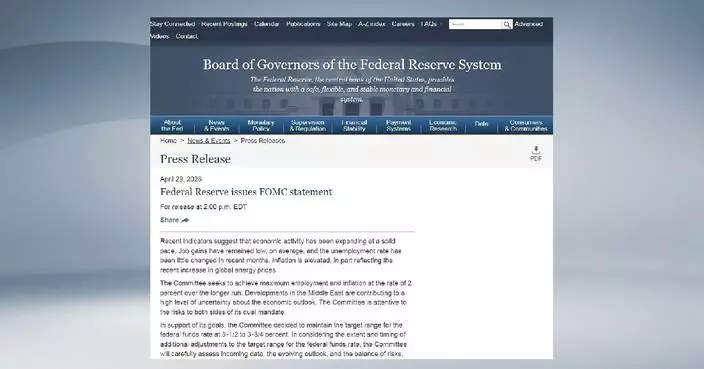
Monetary policy took center stage as the Federal Open Market Committee voted to keep the benchmark interest rate target unchanged on Wednesday, holding it in a range of 3.5 percent to 3.75 percent. The decision was notable for its split 8-4 vote, marking the first time since 1992 that four committee members dissented.
Both headline and core inflation have been above the 2 percent target for five years and looks set to break above 4 percent next month on gasoline and air fares, so it is understandable why markets and Fed officials are nervous, wrote ING bank on Wednesday.
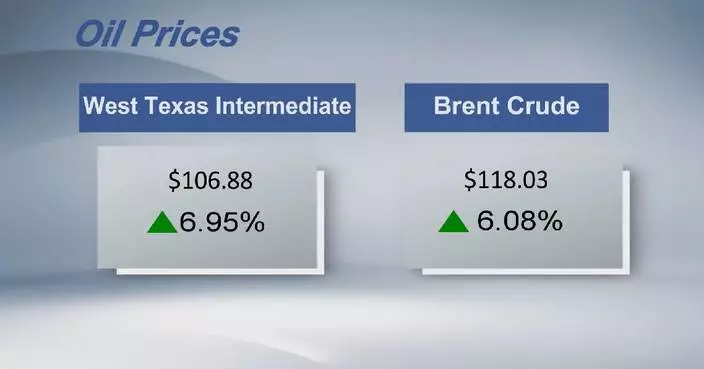
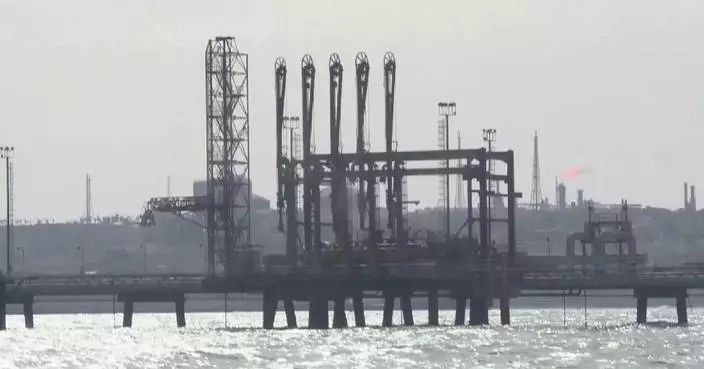
Oil prices spiked. West Texas Intermediate crude for June delivery surged 6.95 U.S. dollars, or 6.95 percent, to settle at 106.88 dollars a barrel on the New York Mercantile Exchange. Brent crude for June delivery jumped 6.77 dollars, or 6.08 percent, to close at 118.03 dollars a barrel on the London ICE Futures Exchange.
On the corporate front, Wall Street's spotlight heavily focused on the technology sector, with four members of the "Magnificent Seven" -- Alphabet, Amazon, Meta Platforms, and Microsoft -- scheduled to report quarterly results following Wednesday's closing bell.
In other notable post-earnings movements, NXP Semiconductors and Seagate Technology Holdings soared 25.5 percent and 11.1 percent, respectively. Visa and Starbucks both advanced more than 8 percent. Conversely, SoFi Technologies dropped over 15 percent, and Robinhood Markets sank 13.24 percent during the session.
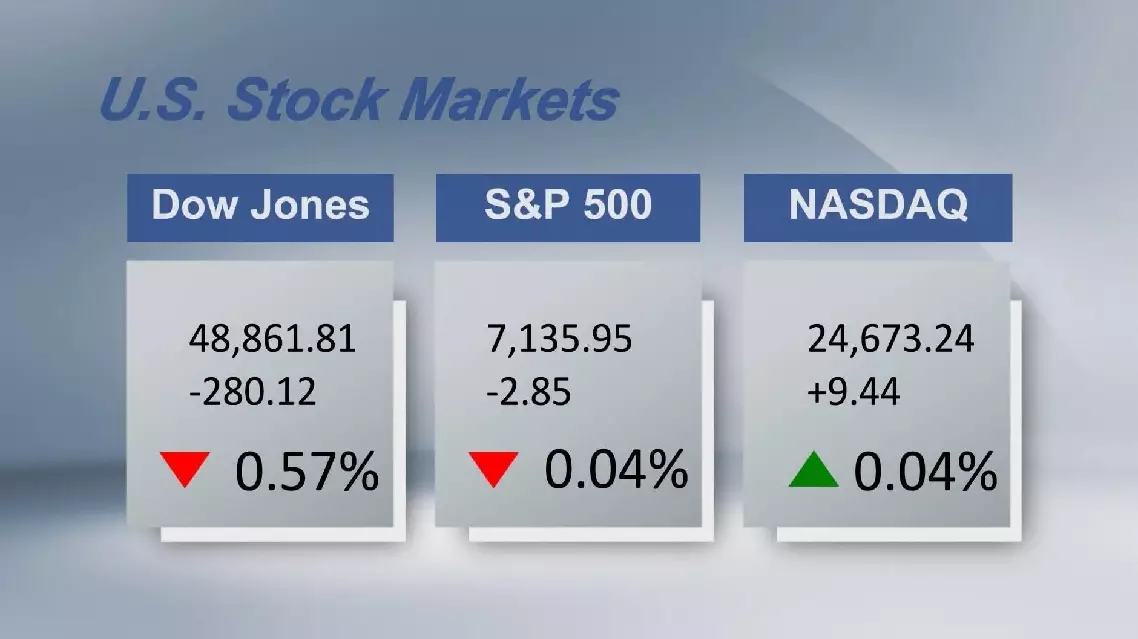
U.S. stocks mixed amid historic Fed dissent, surging oil prices