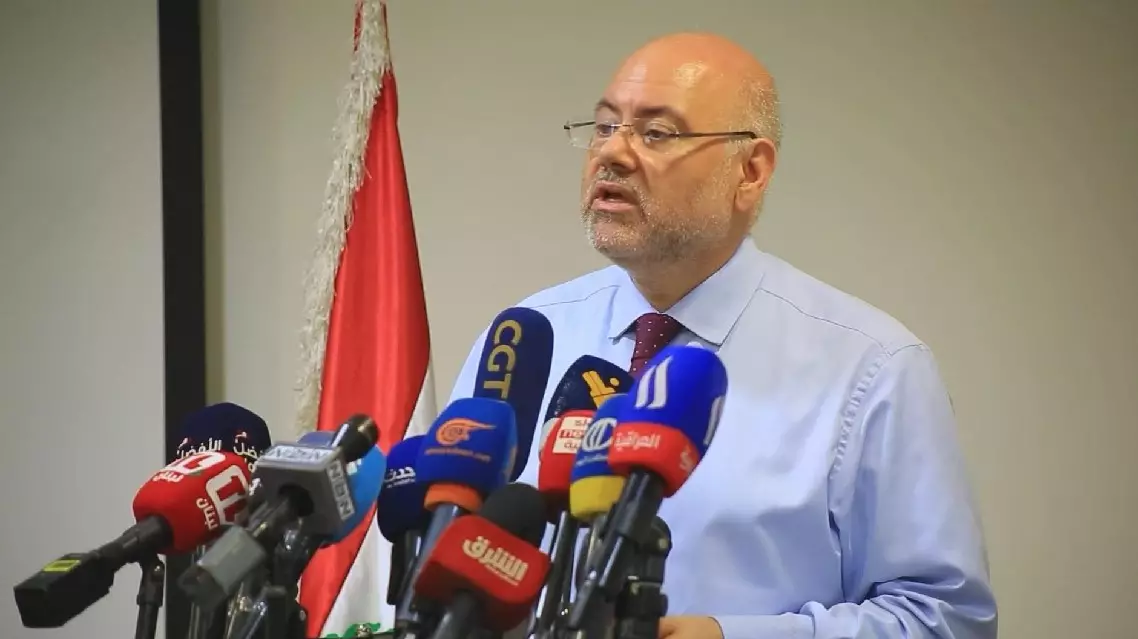
Hospitals and emergency services in Lebanon are stepping up their response to cope with the large number of wounded patients injured in the spate of pager blasts which shocked the country on Tuesday, Health Minister Firas Abiad told reporters following the attacks.
At least nine people were killed and about 2,800 others wounded, with around 200 reportedly in a critical condition, after pagers simultaneously exploded across Lebanon earlier in the day, the minister said.
"The majority of the injuries we are recording so far are to the face, hands, or abdomen area. There are also many eye injuries, many of these (patients) were directed to the operating rooms in hospitals to receive the necessary care. I also want to add that there was great coordination between the Ministry of Health's emergency room, as well as ambulatory services, hospitals, and doctors," Abiad said at a press briefing on Tuesday afternoon.
Lebanese Prime Minister Najib Mikati urged the mobilization of all departments of the Public Health Ministry to follow up on medical care for the wounded.
The health ministry's Emergency Operations Center issued an urgent statement requesting all hospitals across Lebanon to be on high alert and enhance preparedness to meet the massive need for emergency health services.
"Since the beginning of the incident, there has been communication between all partners, and everyone is doing their duty to the fullest. This allowed us to help those hospitals which received large numbers of patients, to re-distribute them (the patients) to other hospitals," said Abiad.
The ministry also asked all citizens to discard their pager devices immediately over safety concerns.
In a statement, Hezbollah said it is conducting security and scientific investigations to identify the reasons behind these explosions, adding that the group is "at the highest level of readiness to defend Lebanon and its people."
Israel has not claimed responsibility for Tuesday's blasts, but Hezbollah, Syria, Iran, Yemen's Houthis, Iraq, and the Arab League have all accused Israel of being behind the incidents.
During a phone call with his Lebanese counterpart Abdallah Bou Habib on Tuesday, Iranian Foreign Minister Seyyed Abbas Araghchi strongly condemned the targeting of Lebanese citizens in simultaneous pager explosions in the Arab state, calling it a "terrorist action by Israel."
Araghchi expressed solidarity and extended condolences to Lebanon, voicing Iran's readiness to provide assistance to treat the injured or transfer them to Tehran.
He pointed to the injury sustained by the Iranian Ambassador to Lebanon Mojtaba Amani in one of the explosions and thanked the Lebanese government for its immediate measures to treat the Iranian envoy.
The Lebanese foreign minister stressed that the country's government would pursue and investigate the "terrorist" incident.
Meanwhile, Jordan's Deputy Prime Minister and Foreign Minister Ayman Safadi held a phone call with Lebanese caretaker Prime Minister Najib Mikati following Tuesday's attacks. Safadi conveyed the instructions of King Abdullah II, saying that Jordan is willing to provide any necessary medical assistance to Lebanon's medical sector to help treat citizens injured in the explosions.
Safadi reaffirmed Jordan's position of supporting Lebanon's security, sovereignty, and stability, and expressed solidarity with Lebanon and its people, while stressing the need to prevent regional tensions from escalating.
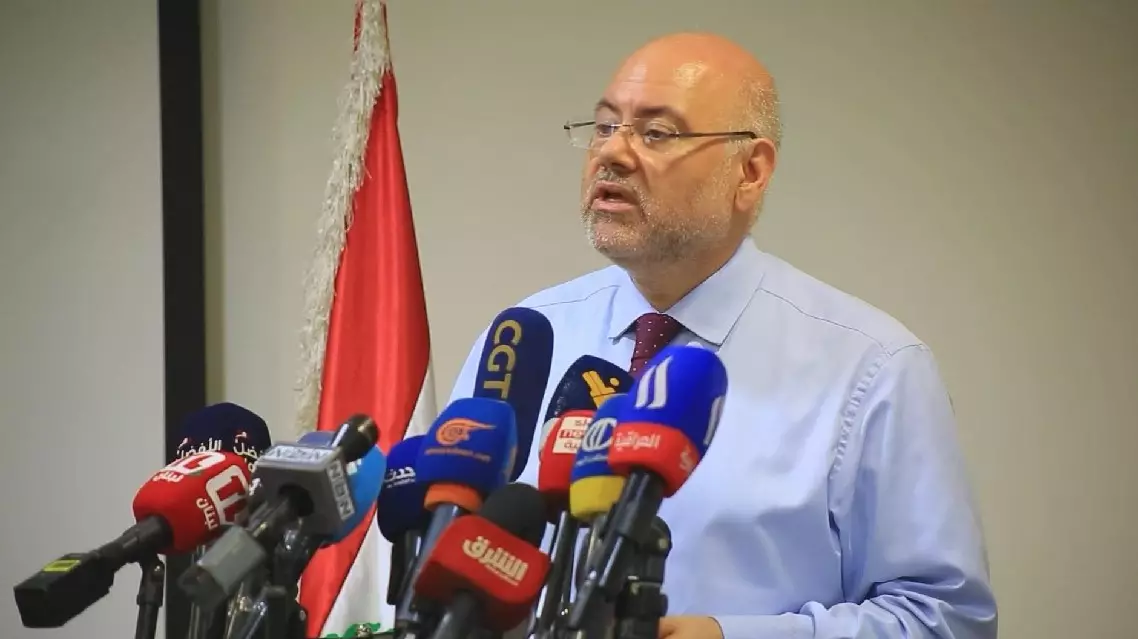
Lebanese hospitals step up emergency response to treat patients injured in pager blasts: official
Lebanese hospitals step up emergency response to treat patients injured in pager blasts: official