Multiple aerial bombs exploded on the periphery of Chinese peacekeeping troops' barracks in Lebanon, leaving some facilities damaged by shock waves and bomb fragments. No injuries were reported.
The blast happened on a hillside that lies about 700 meters away from the barracks, sending up billows of black smokes when the 22nd Chinese peacekeeping multi-role engineer contingent was having a physical training program, forcing them to rush into a shelter.
Click to Gallery
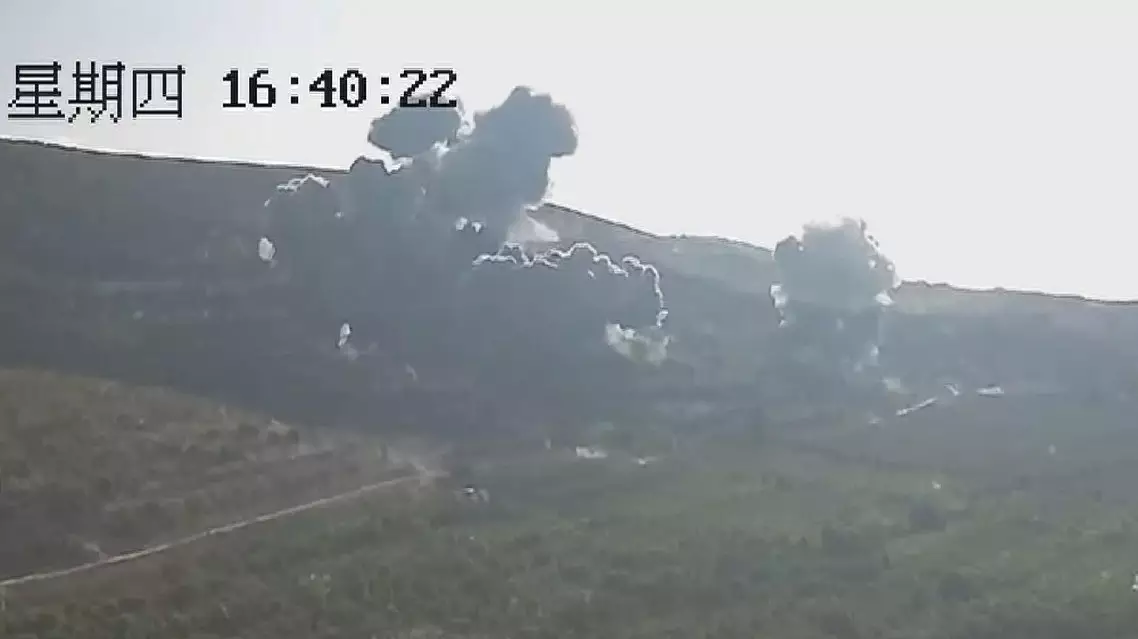
Multiple bombs explode near Chinese peacekeepers' barracks in Lebanon
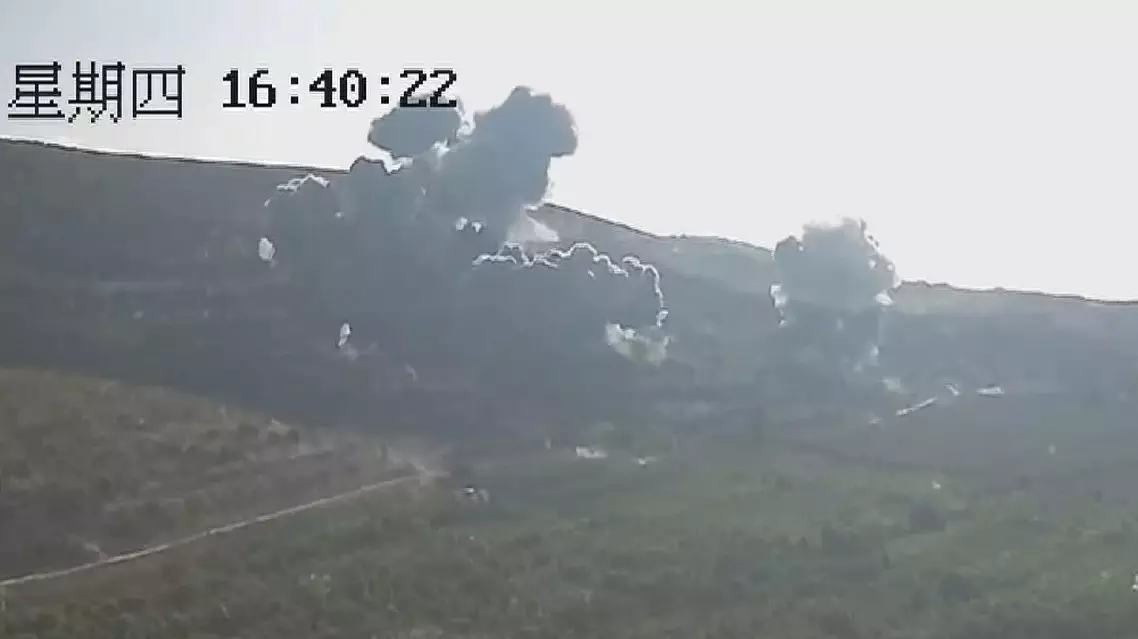
Multiple bombs explode near Chinese peacekeepers' barracks in Lebanon
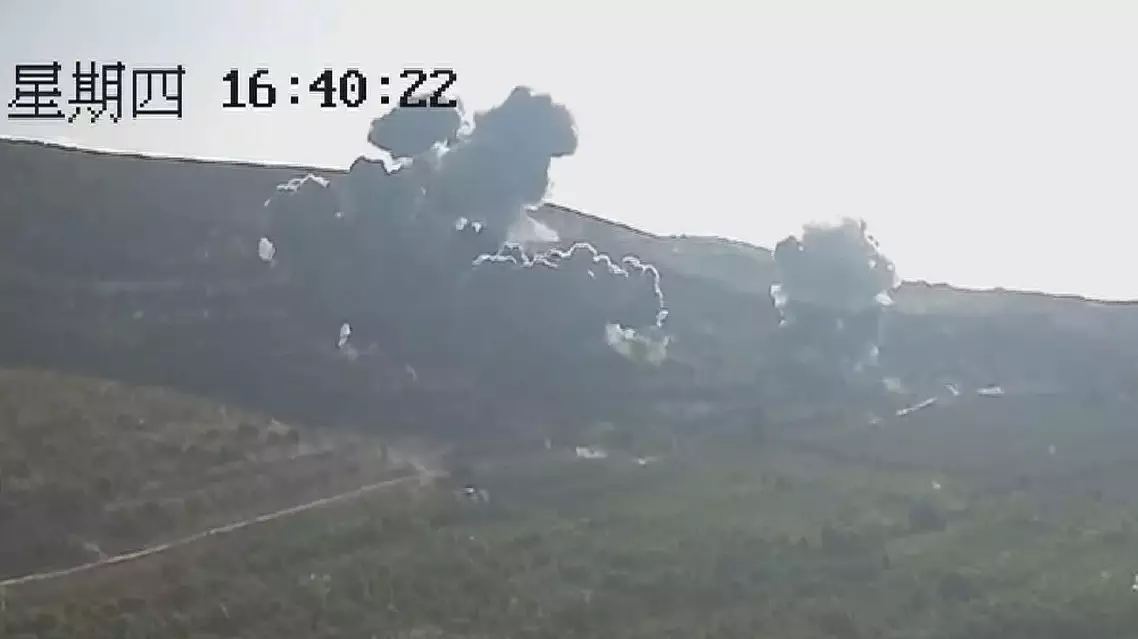
Multiple bombs explode near Chinese peacekeepers' barracks in Lebanon
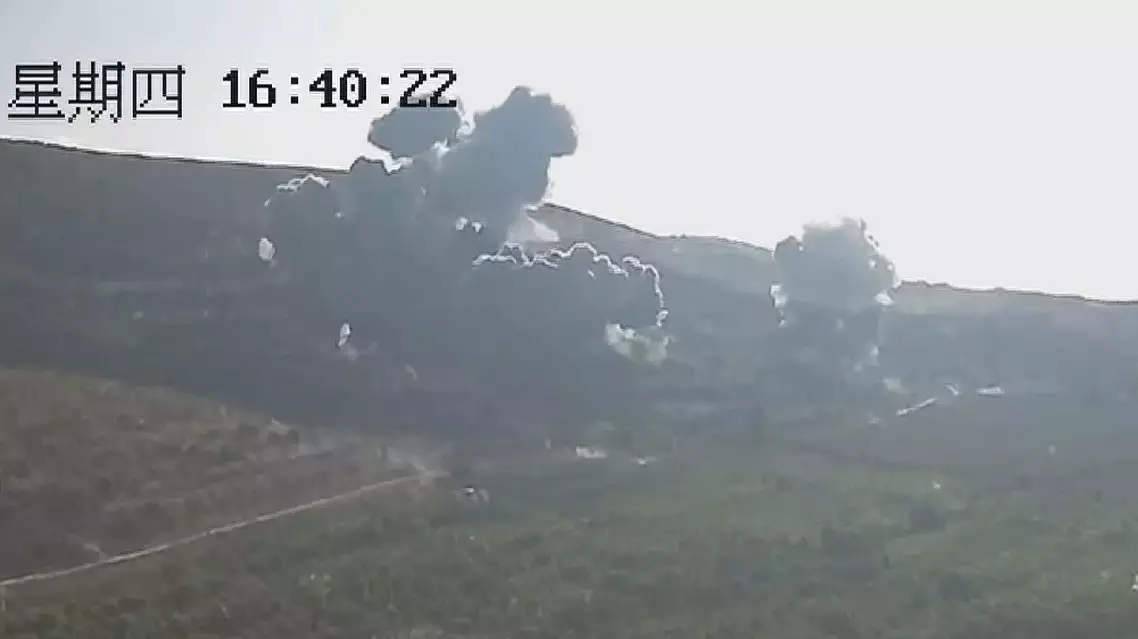
Multiple bombs explode near Chinese peacekeepers' barracks in Lebanon
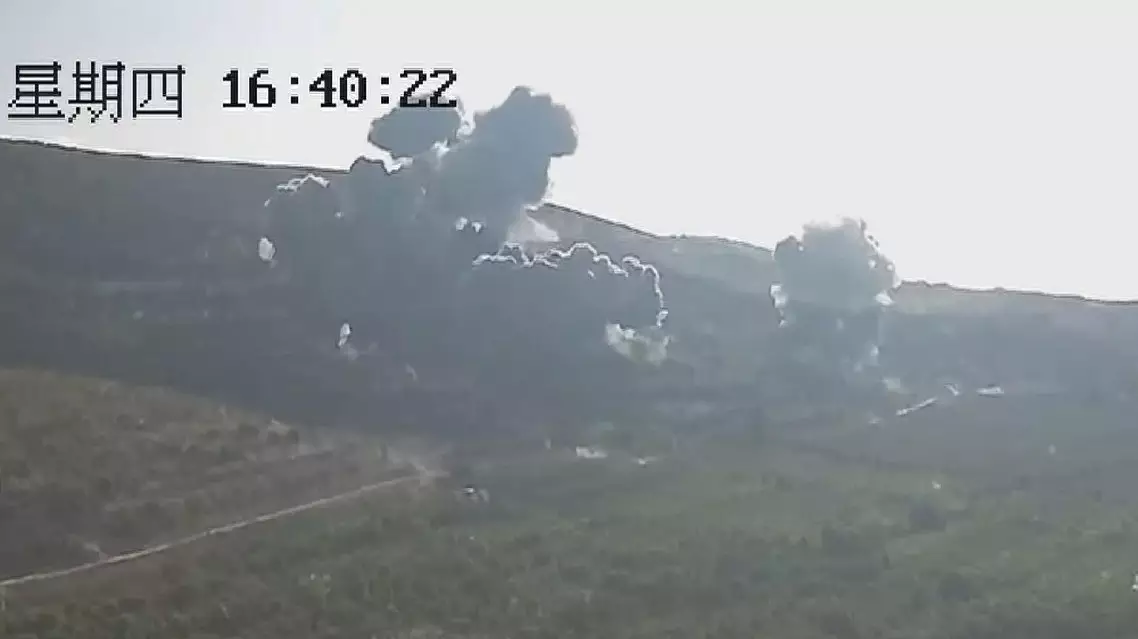
Multiple bombs explode near Chinese peacekeepers' barracks in Lebanon
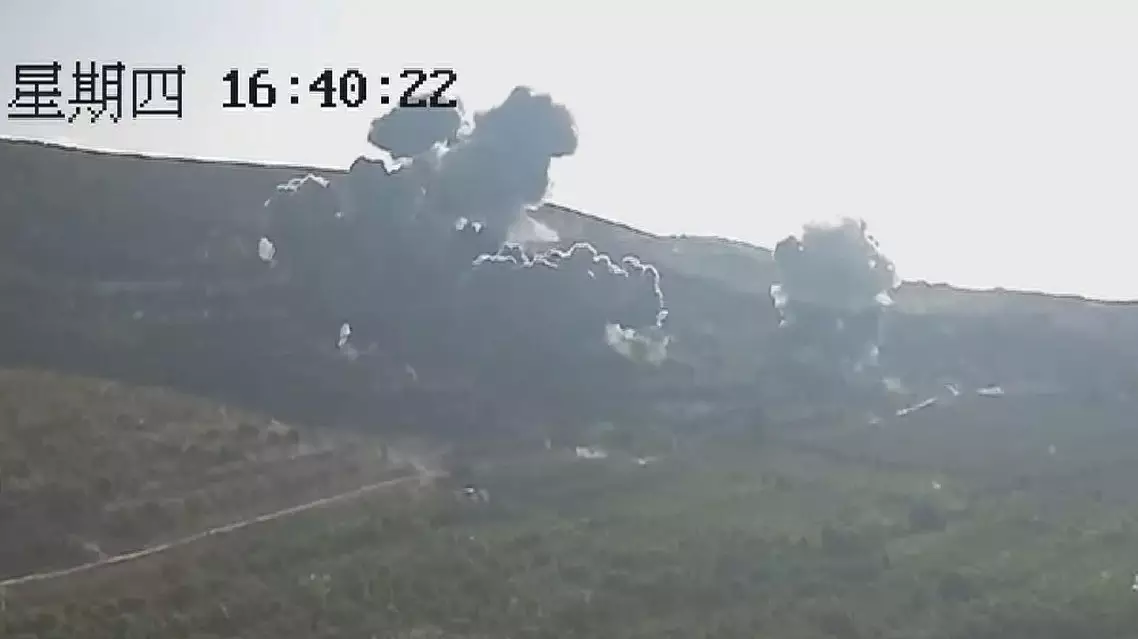
Multiple bombs explode near Chinese peacekeepers' barracks in Lebanon
The Chinese peacekeepers later found some doors, windows, ceilings, mirrors, and glasses damaged to varying degrees, with cement road surface pitted and tree branches broken.
The explosion came after Hezbollah has been trading attacks across the southern Lebanese border with Israel for nearly a year, since Israel launched its deadly offensive on Gaza in October.
Multiple bombs explode near Chinese peacekeepers' barracks in Lebanon
Multiple bombs explode near Chinese peacekeepers' barracks in Lebanon
Multiple bombs explode near Chinese peacekeepers' barracks in Lebanon
Multiple bombs explode near Chinese peacekeepers' barracks in Lebanon
Multiple bombs explode near Chinese peacekeepers' barracks in Lebanon
Multiple bombs explode near Chinese peacekeepers' barracks in Lebanon