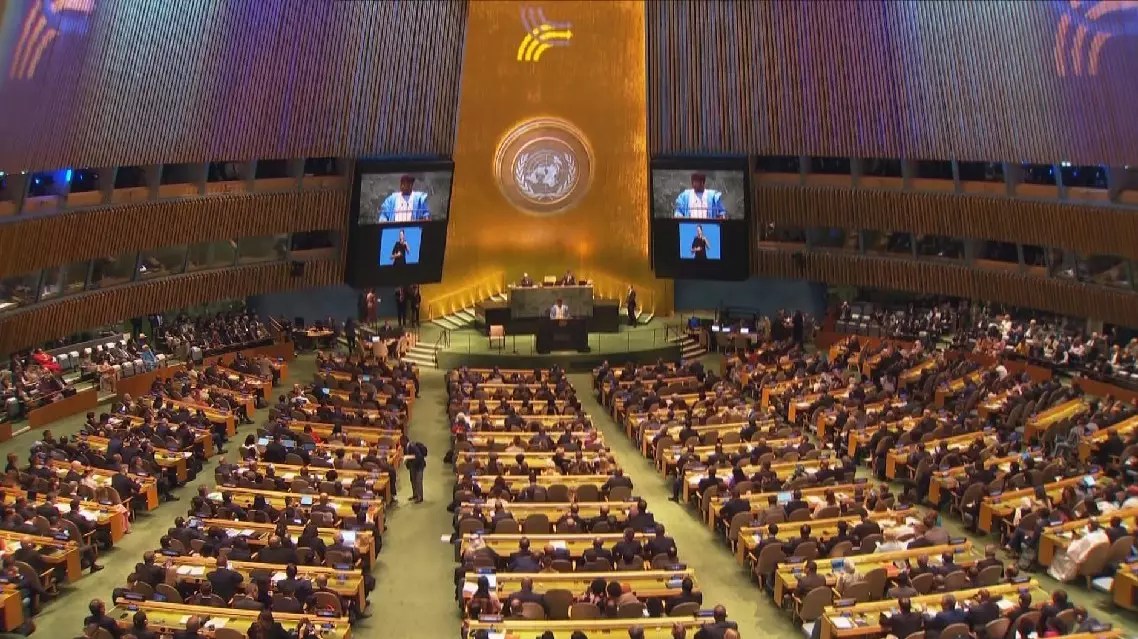
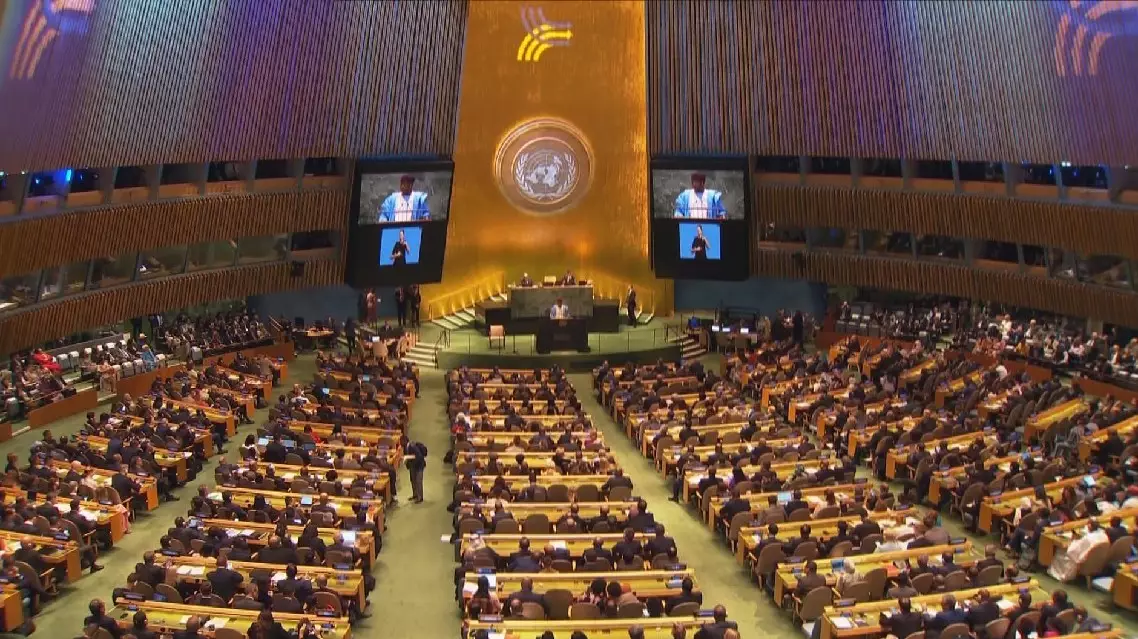
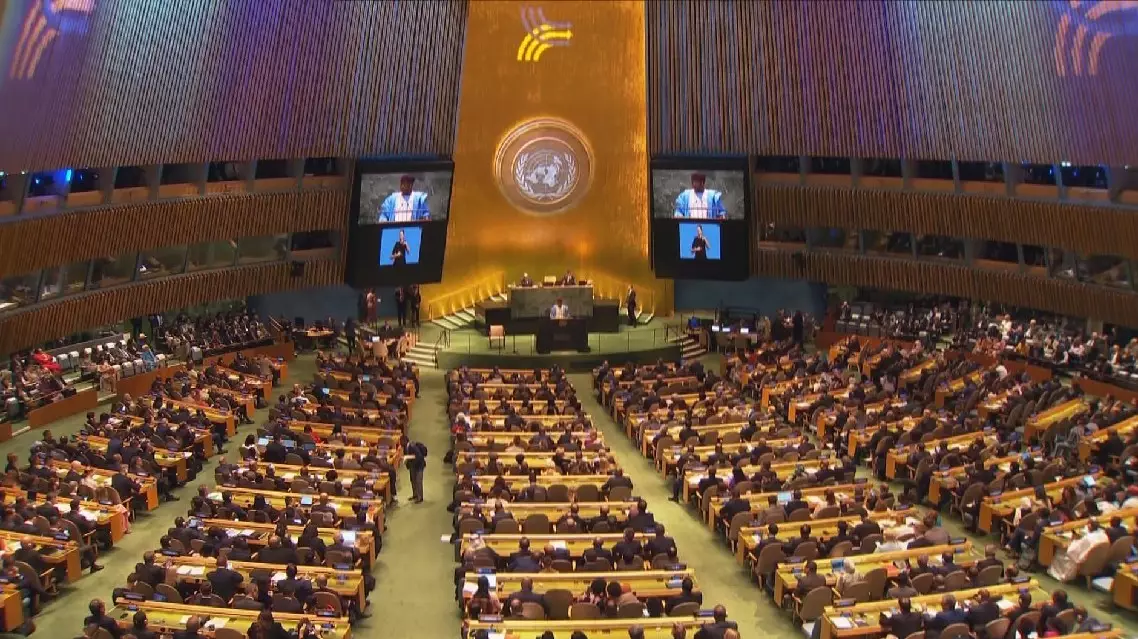
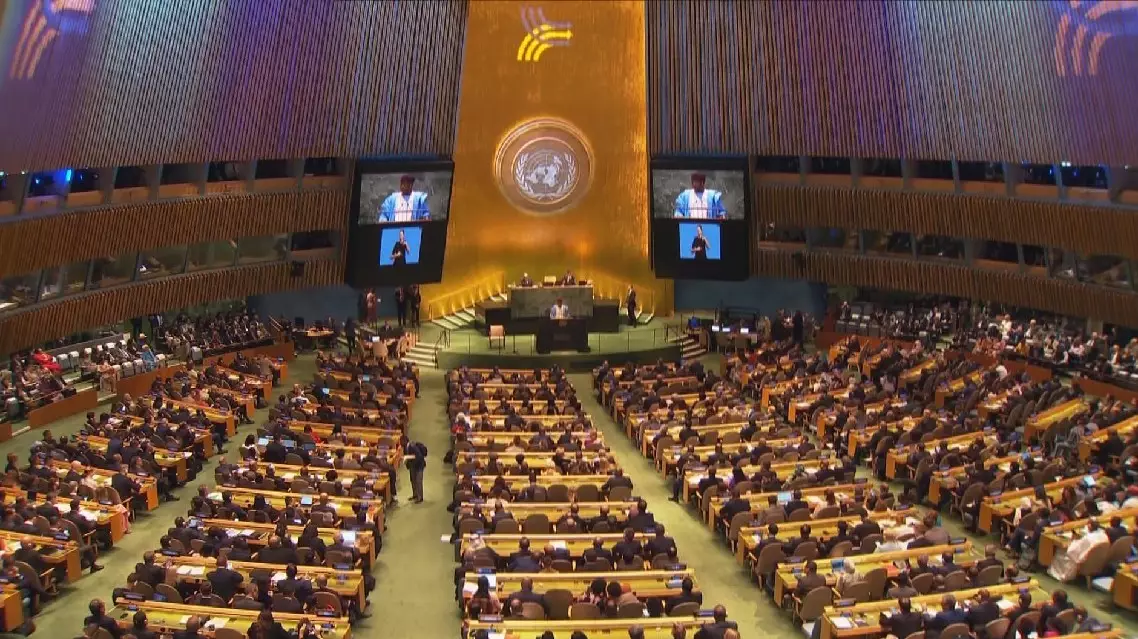
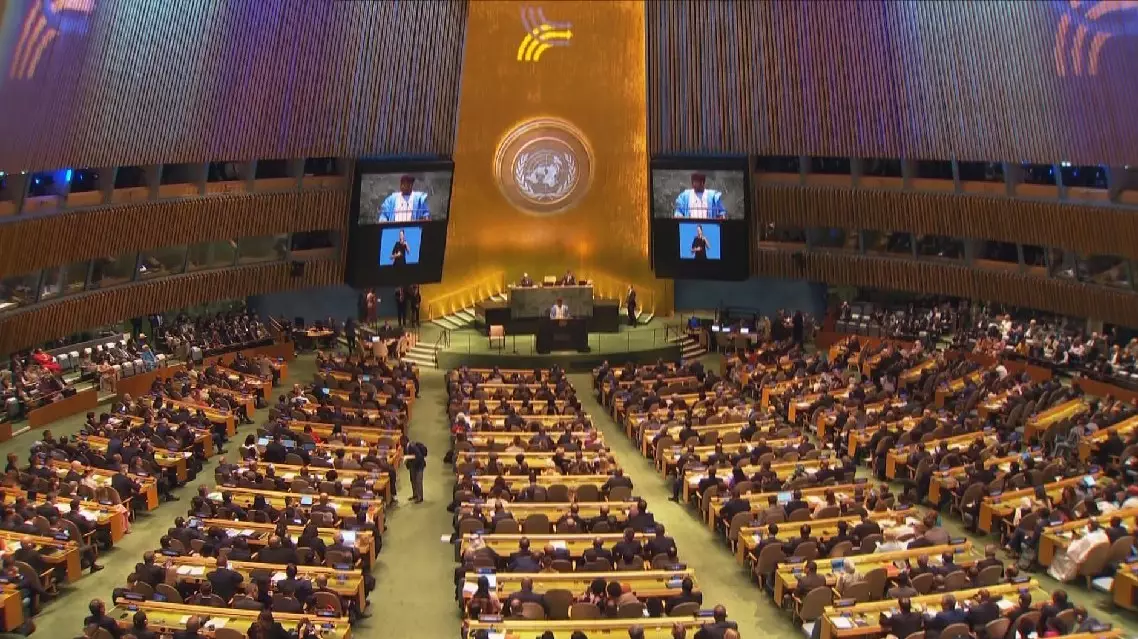
The Summit of the Future opened at the United Nations (UN) headquarters in New York on Sunday, with the adoption of a Pact for the Future, as well as its annexes, the Global Digital Compact and the Declaration on Future Generations, which cover a broad range of themes including peace and security, sustainable development, climate change, digital cooperation, human rights, gender, youth and future generations and the transformation of global governance. The Pact for the Future is the UN's master plan for tackling challenges that lie ahead for humanity, with 56 "actions" covering everything from peacekeeping to the potential threats posed by artificial intelligence. The pact underlines the "increasingly complex challenges" to world peace, notably the threat of nuclear war, with the document reiterating the UN's core tenets.
The pact promises to accelerate efforts to attain the 2030 Sustainable Development Goals (SDGs), which aim for the eradication of extreme poverty by 2030, an intensified battle against hunger, promotion of gender equality and education. Most of the objectives were set in 2005, but are far from being realized. Against that backdrop, and with poor countries particularly mobilized for change, the pact especially calls for "reform of the international financial architecture." "We stand at a crossroads of global transformation, facing unprecedented challenges that demand urgent, collective action," Philemon Yang, president the 79th UN General Assembly, said at the opening segment of the two-day summit.
Click to Gallery
Summit of Future hammers out consensus for upgrading UN to tackle challenges
Summit of Future hammers out consensus for upgrading UN to tackle challenges
Summit of Future hammers out consensus for upgrading UN to tackle challenges
Summit of Future hammers out consensus for upgrading UN to tackle challenges
Summit of Future hammers out consensus for upgrading UN to tackle challenges
"The commitments embodied in the pact and its annexes reflect the collective will of member states and must guide our actions and encourage us to promote international peace and security, invigorate implementation of the sustainable development goals, foster just and inclusive societies, and ensure that technologies always serve the common good of humankind. We must move forward together in a spirit of solidarity and multilateral cooperation," he said.
UN Secretary General Antonio Guterres said at the meeting that the world today is undergoing both transformation and upheaval, and a decisive first step must be taken to renew and reform international cooperation.
"We have taken the first step and now it is our shared responsibility to follow that path. It will require not just agreement but action. I urge action to end the wars that divide the world by prioritizing dialogue and negotiation and to reform the composition and working methods of the Security Council," Guterres said.
In 2020, the United Nations turned 75 and marked the occasion by starting a global conversation about hopes and fears for the future. This was the beginning of a process that would eventually lead, four years later, to the convening of the Summit of the Future, a major event this September, just before the annual high-level debate of the General Assembly.
More than 130 heads of state and government attended the Summit of the Future, which is taking place on Sunday and Monday, just ahead of the annual debate in the UN General Assembly.
Summit of Future hammers out consensus for upgrading UN to tackle challenges
Summit of Future hammers out consensus for upgrading UN to tackle challenges
Summit of Future hammers out consensus for upgrading UN to tackle challenges
Summit of Future hammers out consensus for upgrading UN to tackle challenges
Summit of Future hammers out consensus for upgrading UN to tackle challenges