HONOLULU (AP) — Hawaii’s Supreme Court will consider questions about issues that threaten to thwart a $4 billion settlement in last year’s devastating Maui wildfires.
A Maui judge last month agreed to ask the state high court questions about how insurance companies can go about recouping money paid to policyholders.
The Supreme Court issued an order Wednesday accepting the questions and asking attorneys on all sides to submit briefs within 40 days.
It was expected that the battle over whether the settlement can move forward would reach the state Supreme Court.
“It's still a big step even though it was expected,” Jake Lowenthal, one of the attorneys representing individual plaintiffs, said Thursday. He added that the fate of the settlement is riding on how the court answers the questions.
Insurance companies that have paid out more than $2 billion in claims want to bring independent legal action against the defendants blamed for causing the deadly tragedy. It is a common process in the insurance industry known as subrogation.
But Judge Peter Cahill on Maui ruled previously they can seek reimbursement only from the settlement amount defendants have agreed to pay, meaning they can’t bring their own legal actions against them. The settlement was reached on Aug. 2, days before the one-year anniversary of the fires, amid fears that Hawaiian Electric, the power company that some blame for sparking the blaze, could be on the brink of bankruptcy. Other defendants include Maui County and large landowners.
Preventing insurers from going after the defendants is a key settlement term.
“If they rule that the insurance companies do have an independent right to pursue their own suits against the same defendants then the settlement agreement is null and void, basically," Lowenthal said.
If the Supreme Court says that insurance companies can't do that, then the claims process can begin to get money to fire victims, he said.
One of the questions before the justices is whether state statutes controlling health care insurance reimbursement also apply to casualty and property insurance companies in limiting their ability to pursue independent legal action against those who are held liable.
Lawyers representing the insurance companies have said they want to hold the defendants accountable and aren’t trying to get in the way of fire victims getting settlement money.
Individual plaintiffs’ attorneys are concerned allowing insurers to pursue reimbursement separately will subvert the deal, drain what is available to pay fire victims and lead to prolonged litigation.
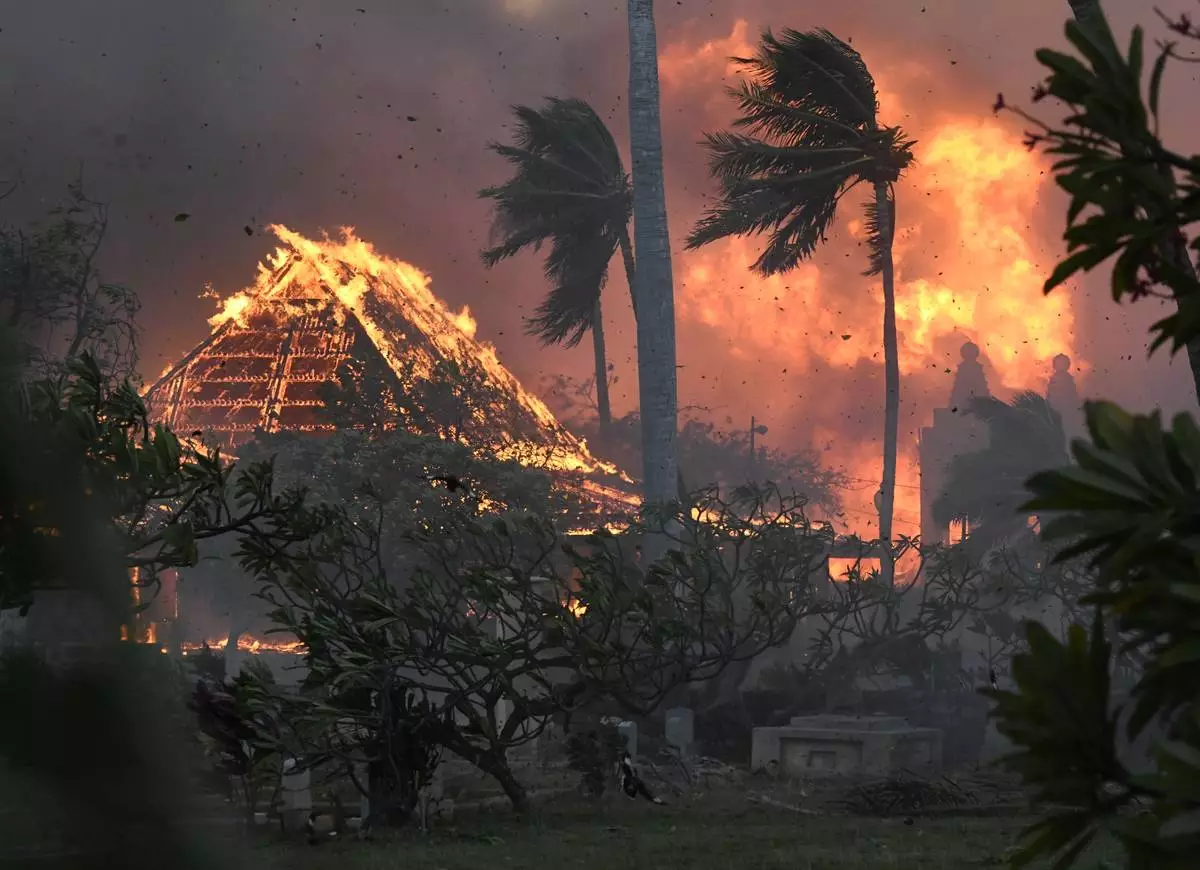
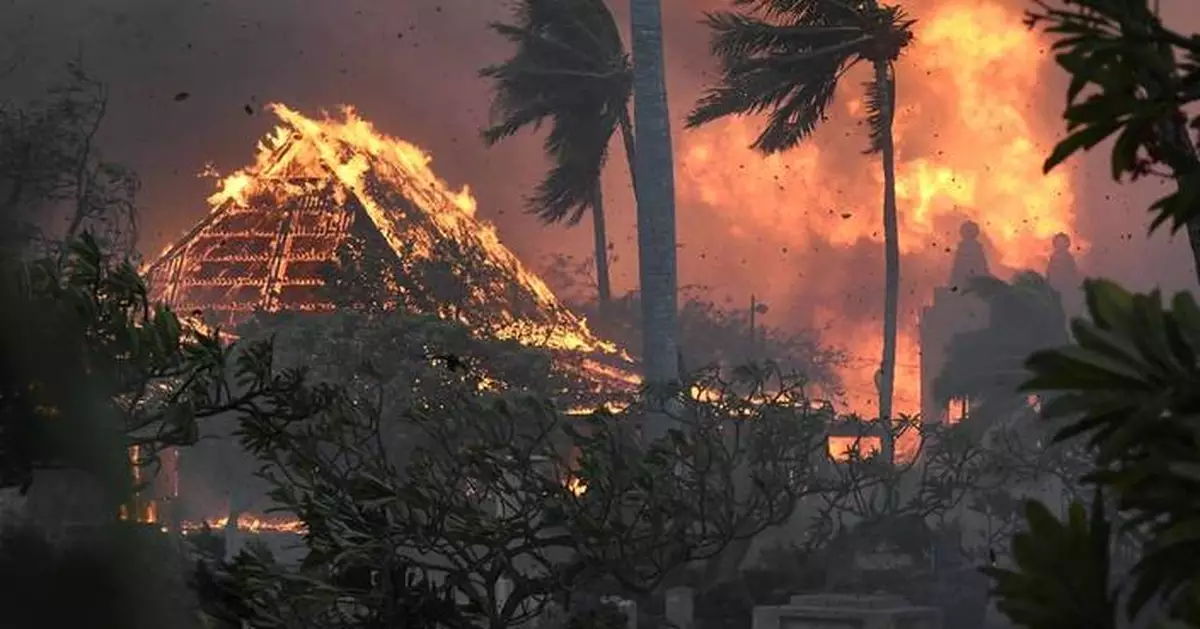
FILE - The hall of historic Waiola Church in Lahaina and nearby Lahaina Hongwanji Mission are engulfed in flames along Wainee Street on Aug. 8, 2023, in Lahaina, Hawaii. (Matthew Thayer/The Maui News via AP, File)
LONDON (AP) — Len Deighton, a prolific writer whose tough, stylish spy thrillers featured on bestseller lists for decades, has died. He was 97.
Deighton’s literary agent, Tim Bates, said he died Sunday. No cause of death was given.
Deighton’s first novel, “The IPCRESS File,” helped set the tone of cool and gritty 1960s thrillers and was made into a film starring Michael Caine that helped launch both author and actor to long and stellar careers.
“Len was a Titan,” Bates said Tuesday. "He was not only one of the greatest spy and thriller writers of the 20th century but also one of our greatest writers in any genre.”
Born to a working-class family in a wealthy part of London in 1929 — his father was a chauffeur and his mother a part-time cook — Deighton grew up with a keen eye for the intricacies and absurdities of Britain’s class system.
He served in the Royal Air Force as part of Britain’s then-mandatory national service, studied art and worked as a waiter, pastry chef and flight attendant before having success as a book and magazine illustrator. His designs included the first U.K. edition of Jack Kerouac’s “On the Road” in 1958.
He wrote “The IPCRESS File” to amuse himself during a vacation. The story of a secret agent confronted with duplicity and bureaucracy from his own side while investigating a Soviet kidnap ring, it was published in 1962 and went on to sell millions of copies.
The novel was adapted into a 1965 film, with Caine in a star-making performance as Deighton’s protagonist, a sardonic working-class sophisticate with a love of gourmet food. The character is unnamed in the book, though Caine’s character was given the name Harry Palmer.
Deighton’s depiction of espionage as a grubby, error-strewn business was a contrast to the glamour of Ian Fleming’s James Bond novels.
“I had never read a James Bond book,” Deighton said in a 1997 BBC interview, but by chance “The IPCRESS File” was published the month the first 007 movie, “Dr. No,” was released.
His book’s gritty mood, like the murky spy world of John le Carré’s fiction, chimed with the times, and Deighton said he benefited from a backlash against Bond’s huge success. He recalled a friend telling him that “You’re a blunt instrument that the critics have used to smash Ian Fleming over the head.”
Subsequent thrillers “Horse Under Water,” “Funeral in Berlin,” “Billion-Dollar Brain” and “An Expensive Place to Die” all featured the same hero. “Funeral in Berlin” and “Billion-Dollar Brain” were both also filmed with Caine in the starring role.
“Berlin Game,” published in 1983, was the first of 10 novels featuring the smart, cynical MI6 officer Bernard Samson. Along with “Mexico Set” and “London Match” it was adapted into the 1988 TV series “Game, Set and Match.”
Deighton set several novels around World War II, including “Bomber” (1970), which depicted the conflict in the air war from both British and German viewpoints, and “SS-GB” (1978), an alternative-history novel set in a Nazi-occupied Britain. It was made into a TV series in 2017.
Deighton wrote more than two dozen novels in all. The last book in his final trilogy, “Faith,” “Hope” and “Charity,” was published in 1996.
He also wrote historical nonfiction, including a book about the assassination of President John F. Kennedy, and “Fighter: The True Story of the Battle of Britain.”
Another passion was food. Deighton was food correspondent for The Observer newspaper in the 1960s and wrote several cookbooks aimed at men — a then-novel idea — including “Len Deighton’s Action Cook Book” (1965), with recipes illustrated like comic strips.
Deighton’s first marriage, to illustrator Shirley Thompson, ended in divorce. He later married Ysabele de Ranitz. They had two sons.
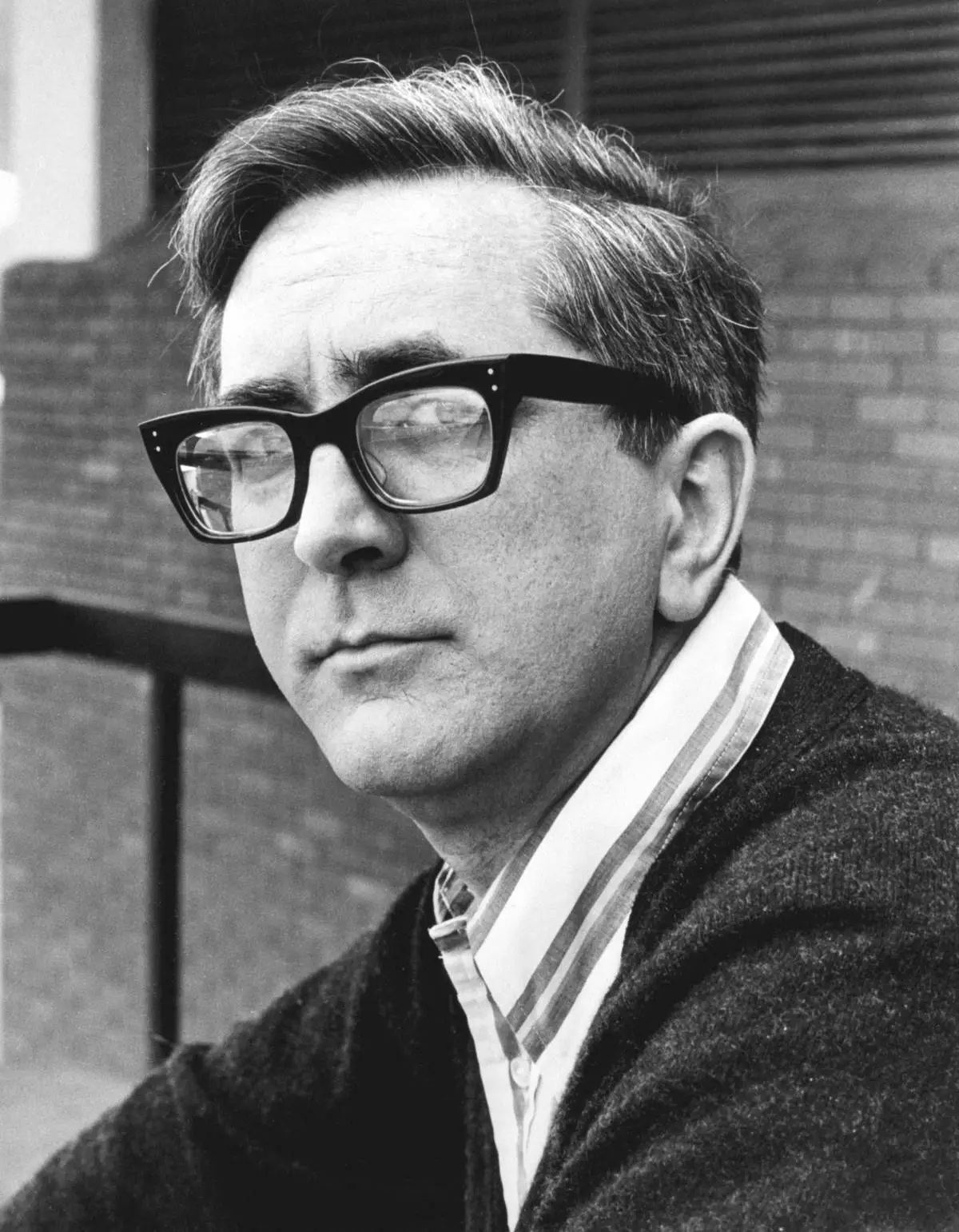
This Jan. 9, 1973 file photo shows British author Len Deighton who has died at the age of 97. (PA via AP)

FILE - Author Len Deighton, center, poses for a photo with actors Frank Windsor, left and Sam West, who appear in a Radio 4 dramatisation of Len Deighton's book, "Bomber Harris", Feb. 8, 1995. (Sean Dempsey/PA via AP, File)