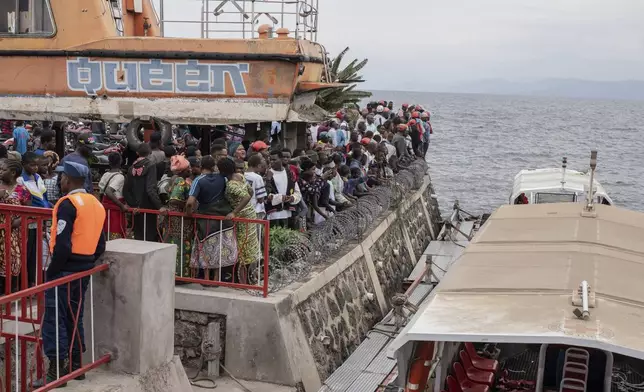
GOMA, Congo (AP) — At least 78 people died when an overcrowded boat capsized on Lake Kivu in eastern Congo on Thursday, a local governor said. A frantic search and rescue operation was underway hours later as many remained unaccounted for from the vessel, believed to have had 278 people on board.
Jean-Jacques Purusi, the governor of the South Kivu province, said the death toll was provisional and that the number of fatalities could rise further. He said that according to the information that local authorities had, there were 278 people on board.
Click to Gallery
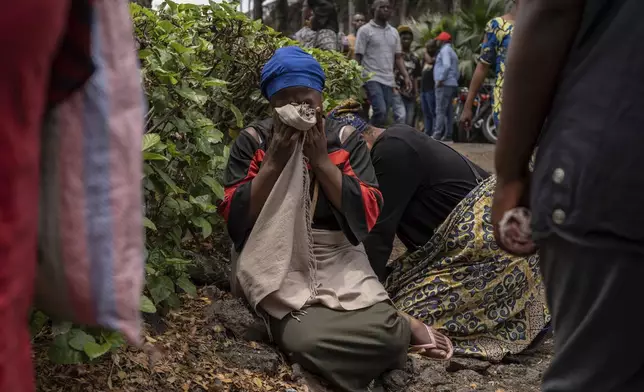
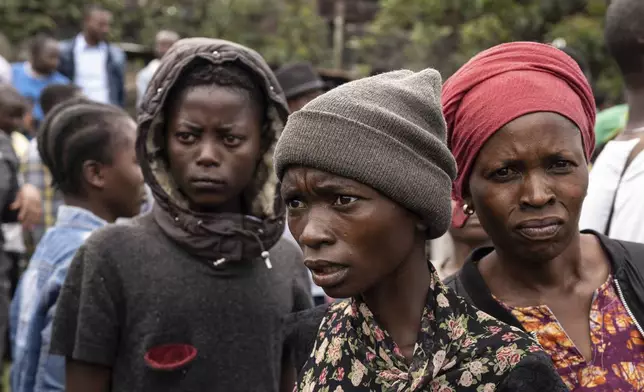
Women grieve at the port of Goma, Democratic Republic of Congo, after a ferry carrying hundreds capsized on arrival Thursday, Oct. 3, 2024. (AP Photo/Moses Sawasawa)
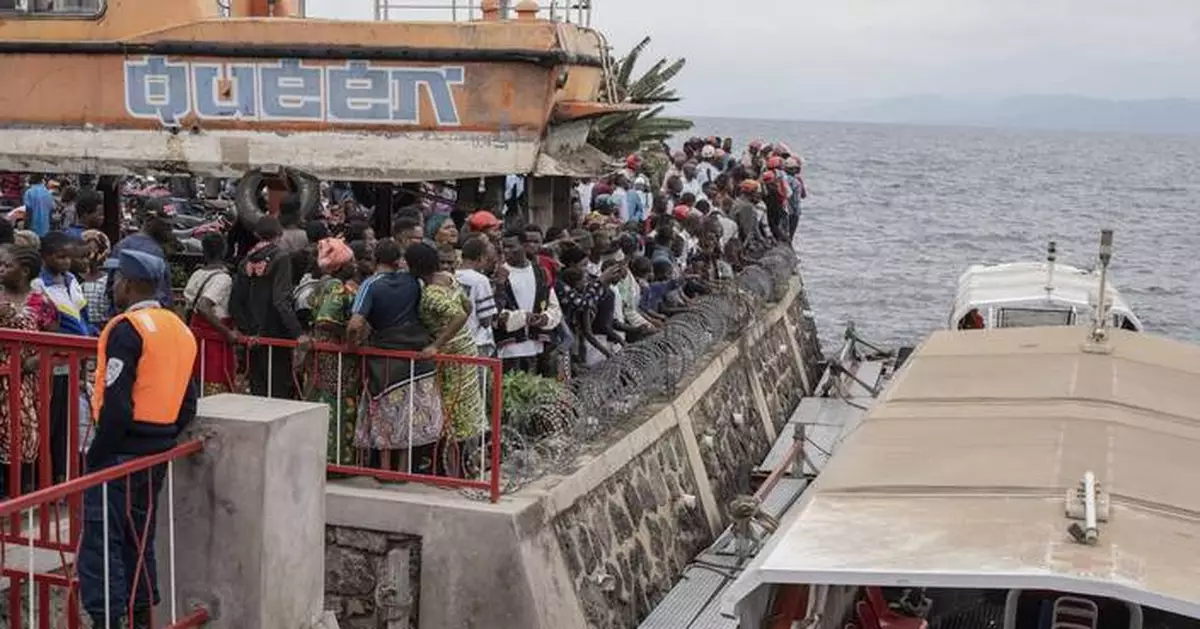
People gather at the port of Goma, Democratic Republic of Congo, after a ferry carrying hundreds capsized on arrival Thursday, Oct. 3, 2024, killing scores. (AP Photo/Moses Sawasawa)
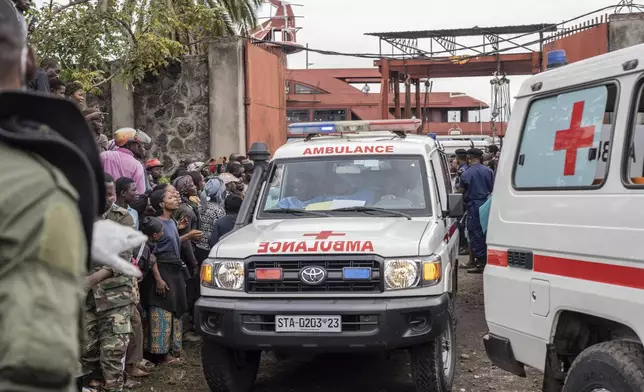
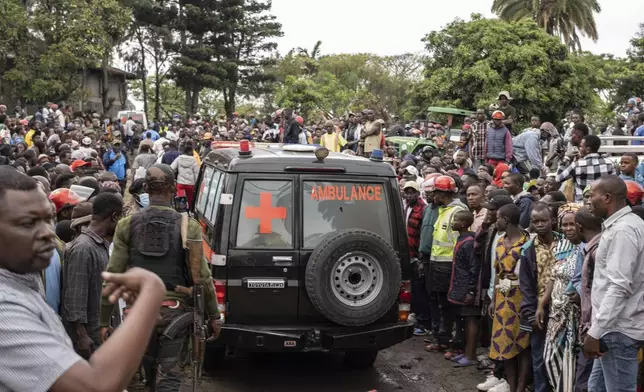
An ambulance carries victims away from the port of Goma, Democratic Republic of Congo, after a ferry carrying hundreds capsized on arrival Thursday, Oct. 3, 2024. (AP Photo/Moses Sawasawa)
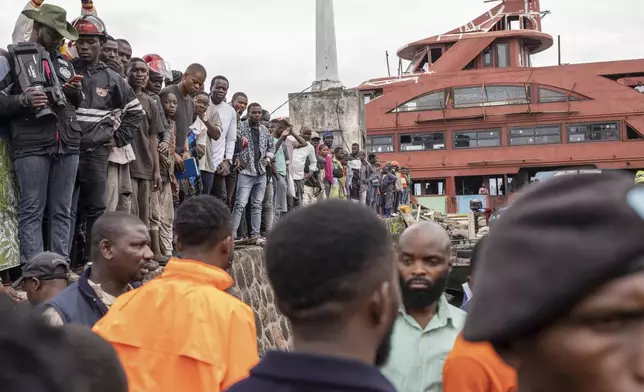
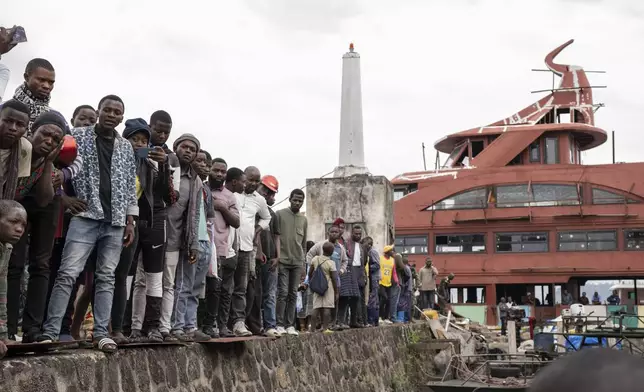
Onlookers gather at the port of Goma, Democratic Republic of Congo, after a ferry carrying hundreds capsized on arrival Thursday, Oct. 3, 2024. (AP Photo/Moses Sawasawa)
An ambulance carries victims away from the port of Goma, Democratic Republic of Congo, after a ferry carrying hundreds capsized on arrival Thursday, Oct. 3, 2024. (AP Photo/Moses Sawasawa)
People gather at the port of Goma, Democratic Republic of Congo, after a ferry carrying hundreds capsized on arrival Thursday, Oct. 3, 2024, killing scores. (AP Photo/Moses Sawasawa)
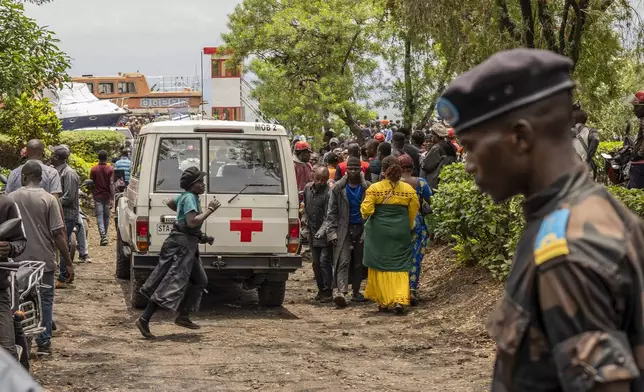
An ambulance arrives at the port of Goma, Democratic Republic of Congo, after a ferry carrying hundreds capsized on arrival Thursday, Oct. 3, 2024. (AP Photo/Moses Sawasawa)
People gather at the port of Goma, Democratic Republic of Congo, after a ferry carrying hundreds capsized on arrival Thursday, Oct. 3, 2024. (AP Photo/Moses Sawasawa)
The boat set off from the port of Minova, in South Kivu province, earlier in the day and was en route to Goma, in North Kivu province, Purusi said, speaking over the phone.
"We do not yet have (the full picture of) the whole situation but we will have it by tomorrow,” he told The Associated Press.
The boat sank while trying to dock just meters (yards) away from the port of Kituku, according to witnesses who said they saw rescue services recover at least 50 bodies from the water.
It was the latest deadly boat accident in the central African country, where overcrowding on vessels is often to blame. Maritime regulations also are often not followed.
Congolese officials have often warned against overloading and vowed to punish those violating safety measures for water transportation. But in remote areas where most passengers come from, many are unable to afford public transport for the few available roads.
“We will establish responsibilities and put in place a sanctions regime but also recommendations to improve navigation on the lake,” Purusi told the AP.
He added that a lack of adequate equipment — there were no life jackets on the vessel — likely contributed to the tragedy, as did the overcrowding and negligence. Also, there had been a strong storm in the morning in the area of the lake, he added.
In June, an overloaded boat sank near the capital of Kinshasa and 80 passengers lost their lives. In January, 22 people died on Lake Maî-Ndombe and in April 2023, six were killed and 64 went missing on Lake Kivu.
Witnesses of the Thursday tragedy said the boat was visibly overcrowded.
“I was at the port of Kituku when I saw the boat arriving from Minova, full of passengers,” Francine Munyi told the AP. “It started to lose its balance and sank into the lake. Some people threw themselves into the water.”
“Many died, and few were saved," she added. "I couldn’t help them because I don’t know how to swim.”
The victims’ families and Goma residents gathered at the port of Kituku, accusing authorities of negligence in the face of growing insecurity in the region.
Since the fighting between the armed forces and the M23 rebels made the road between the cities of Goma and Minova impassable, forcing the closure of the passage to trucks transporting food, many traders have resorted to maritime transport on Lake Kivu. It's an alternative considered safer than road traffic, which is threatened by insecurity.
But according to Elia Asumani, a shipping agent who works on this line, the situation has become dangerous:
“We are afraid," he told the AP. "This shipwreck was predictable.”
Bienfait Sematumba, 27, said he lost four family members.
“They are all dead. I am alone now,” he said, sobbing. “If the authorities had ended the war, this shipwreck would never have happened.”
The survivors, about 10 of them, were taken to Kyeshero hospital for treatment. One of them, Neema Chimanga, said she was still in shock.
“We saw the boat start to fill with water halfway," she recounted to the AP. “The door of the boat opened, and we tried to close it. But the water was already coming in, and the boat tilted.”
“I threw myself into the water and started swimming,” she said. "I don’t know how I got out of the water.”
Kamale reported from Kinshasa, Congo, and Pronczuk reported from Dakar, Senegal.
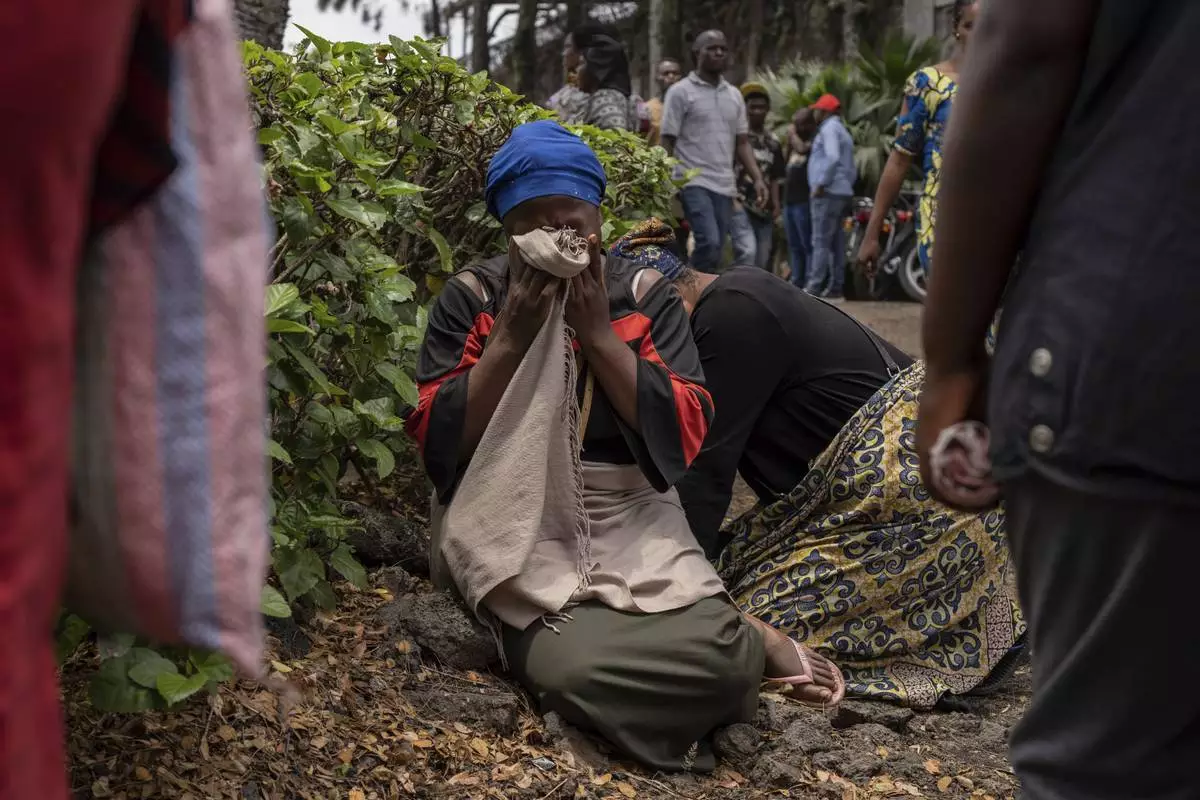
Women grieve at the port of Goma, Democratic Republic of Congo, after a ferry carrying hundreds capsized on arrival Thursday, Oct. 3, 2024. (AP Photo/Moses Sawasawa)
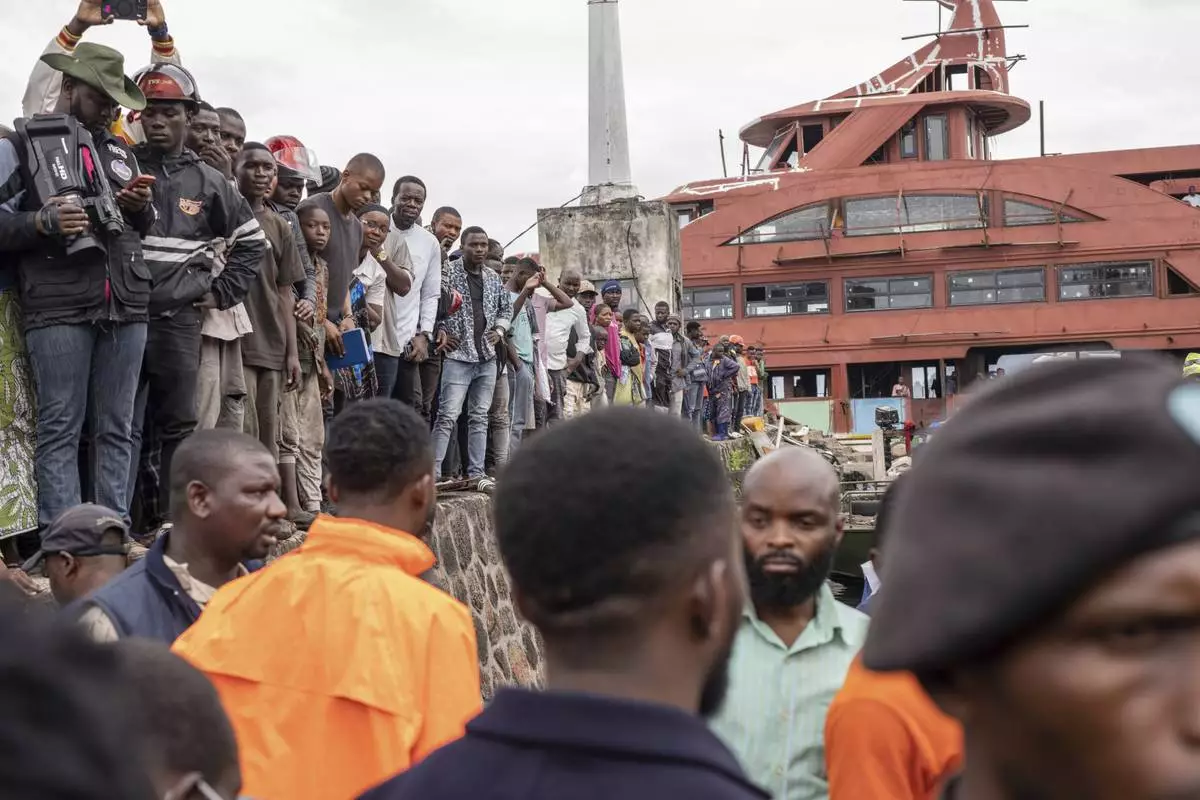
People gather at the port of Goma, Democratic Republic of Congo, after a ferry carrying hundreds capsized on arrival Thursday, Oct. 3, 2024, killing scores. (AP Photo/Moses Sawasawa)
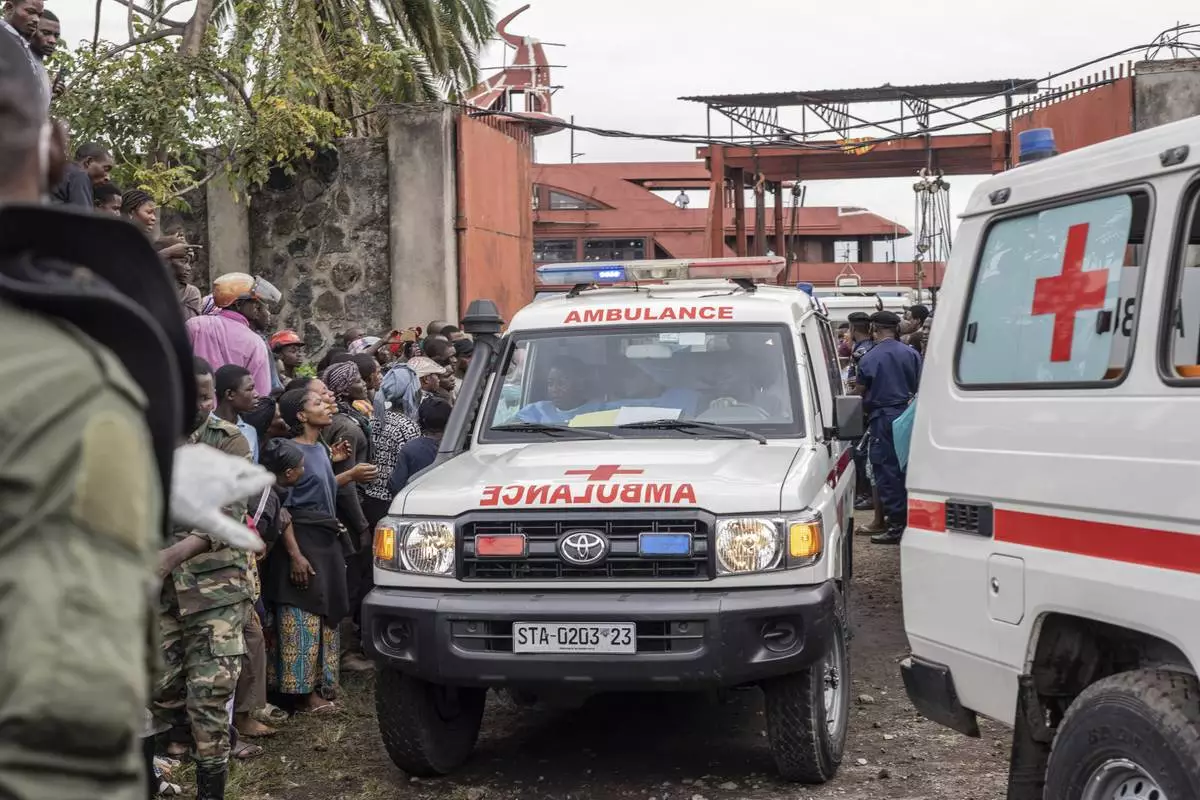
An ambulance carries victims away from the port of Goma, Democratic Republic of Congo, after a ferry carrying hundreds capsized on arrival Thursday, Oct. 3, 2024. (AP Photo/Moses Sawasawa)
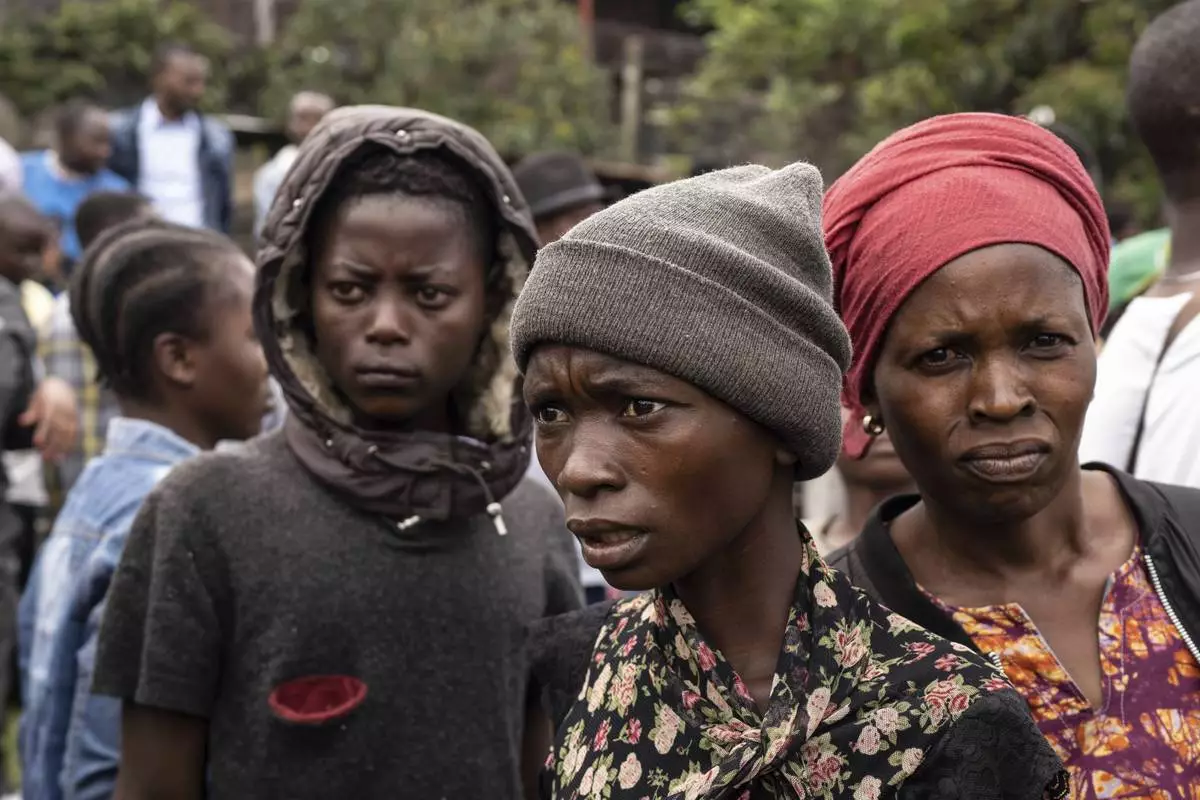
Onlookers gather at the port of Goma, Democratic Republic of Congo, after a ferry carrying hundreds capsized on arrival Thursday, Oct. 3, 2024. (AP Photo/Moses Sawasawa)
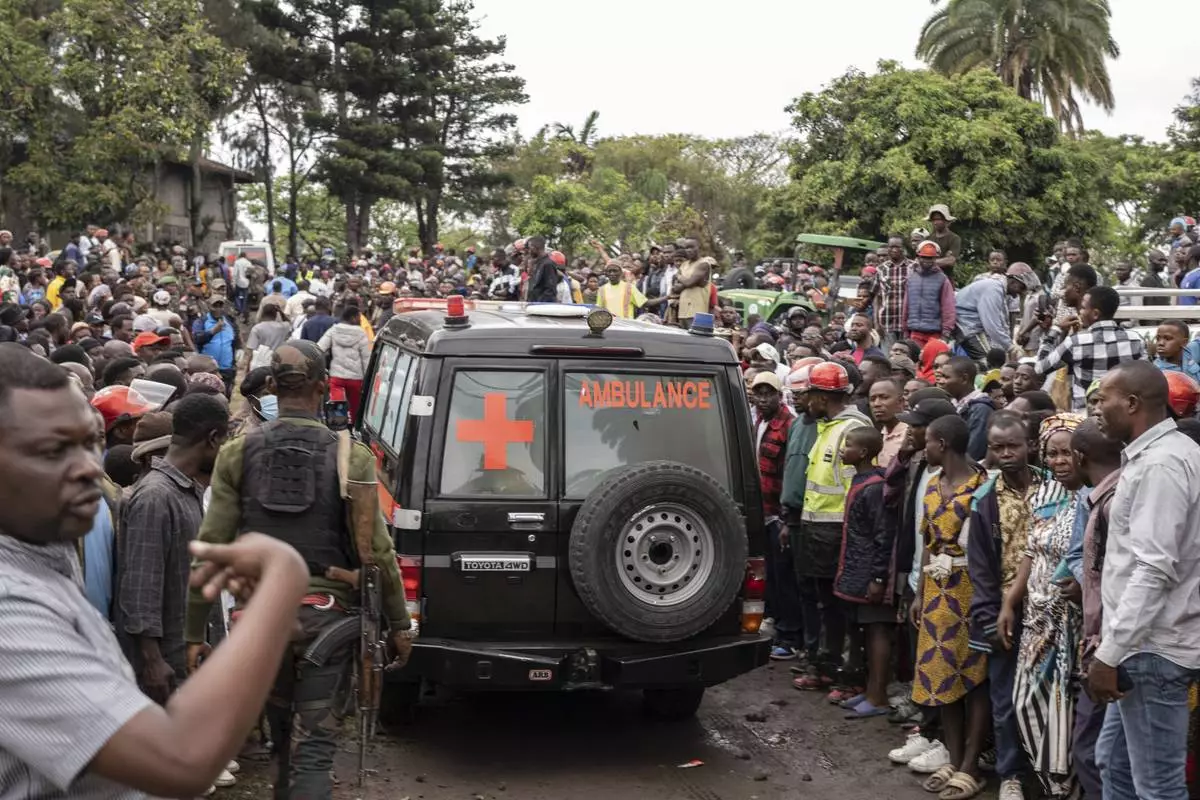
An ambulance carries victims away from the port of Goma, Democratic Republic of Congo, after a ferry carrying hundreds capsized on arrival Thursday, Oct. 3, 2024. (AP Photo/Moses Sawasawa)
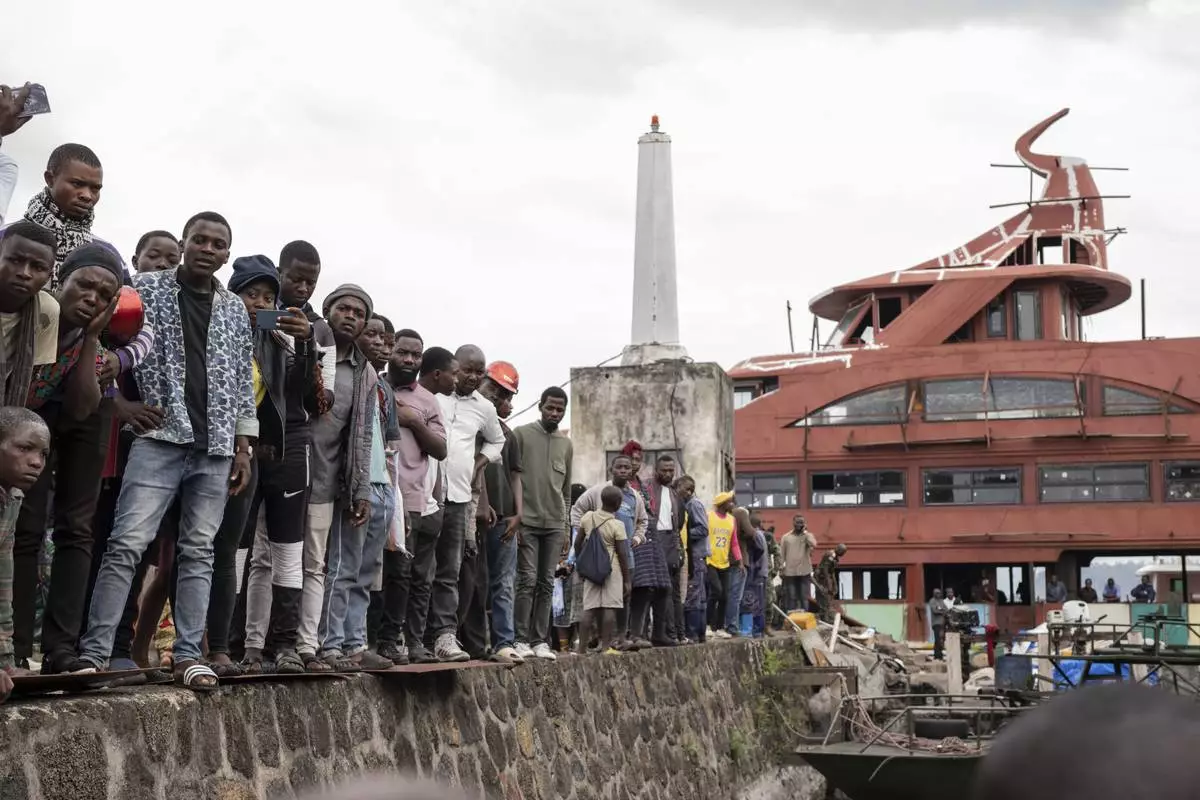
People gather at the port of Goma, Democratic Republic of Congo, after a ferry carrying hundreds capsized on arrival Thursday, Oct. 3, 2024, killing scores. (AP Photo/Moses Sawasawa)
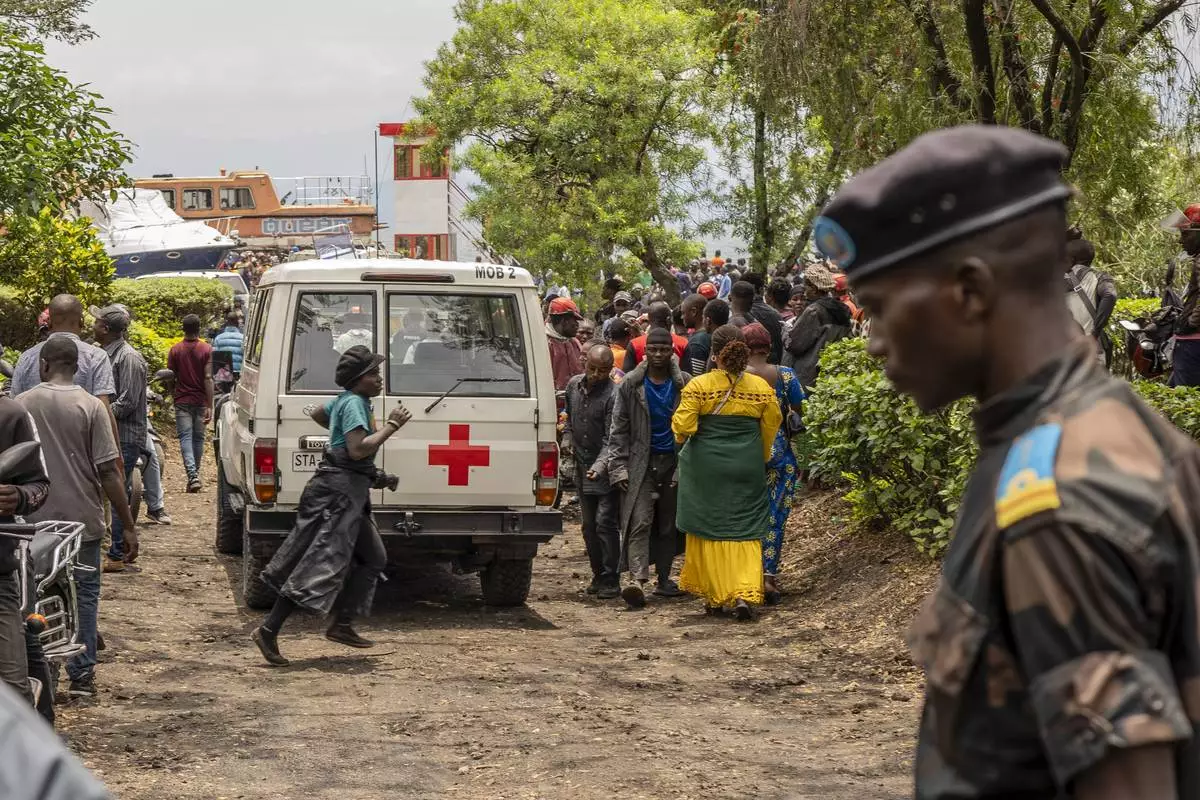
An ambulance arrives at the port of Goma, Democratic Republic of Congo, after a ferry carrying hundreds capsized on arrival Thursday, Oct. 3, 2024. (AP Photo/Moses Sawasawa)
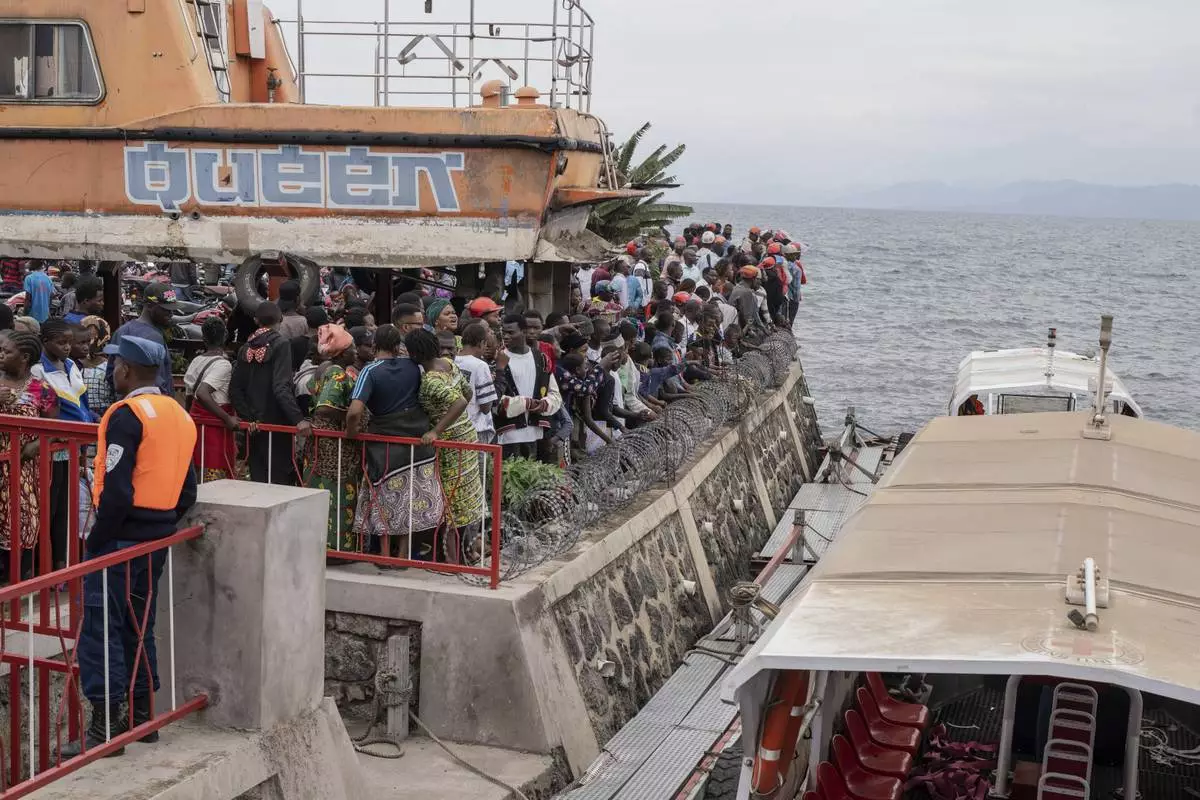
People gather at the port of Goma, Democratic Republic of Congo, after a ferry carrying hundreds capsized on arrival Thursday, Oct. 3, 2024. (AP Photo/Moses Sawasawa)
Federal immigration agents deployed to Minneapolis have used aggressive crowd-control tactics that have become a dominant concern in the aftermath of the deadly shooting of a woman in her car last week.
They have pointed rifles at demonstrators and deployed chemical irritants early in confrontations. They have broken vehicle windows and pulled occupants from cars. They have scuffled with protesters and shoved them to the ground.
The government says the actions are necessary to protect officers from violent attacks. The encounters in turn have riled up protesters even more, especially as videos of the incidents are shared widely on social media.
What is unfolding in Minneapolis reflects a broader shift in how the federal government is asserting its authority during protests, relying on immigration agents and investigators to perform crowd-management roles traditionally handled by local police who often have more training in public order tactics and de-escalating large crowds.
Experts warn the approach runs counter to de-escalation standards and risks turning volatile demonstrations into deadly encounters.
The confrontations come amid a major immigration enforcement surge ordered by the Trump administration in early December, which sent more than 2,000 officers from across the Department of Homeland Security into the Minneapolis-St. Paul area. Many of the officers involved are typically tasked with arrests, deportations and criminal investigations, not managing volatile public demonstrations.
Tensions escalated after the fatal shooting of Renee Good, a 37-year-old woman killed by an immigration agent last week, an incident federal officials have defended as self-defense after they say Good weaponized her vehicle.
The killing has intensified protests and scrutiny of the federal response.
On Monday, the American Civil Liberties Union of Minnesota asked a federal judge to intervene, filing a lawsuit on behalf of six residents seeking an emergency injunction to limit how federal agents operate during protests, including restrictions on the use of chemical agents, the pointing of firearms at non-threatening individuals and interference with lawful video recording.
“There’s so much about what’s happening now that is not a traditional approach to immigration apprehensions,” said former Immigration and Customs Enforcement Director Sarah Saldaña.
Saldaña, who left the post at the beginning of 2017 as President Donald Trump's first term began, said she can't speak to how the agency currently trains its officers. When she was director, she said officers received training on how to interact with people who might be observing an apprehension or filming officers, but agents rarely had to deal with crowds or protests.
“This is different. You would hope that the agency would be responsive given the evolution of what’s happening — brought on, mind you, by the aggressive approach that has been taken coming from the top,” she said.
Ian Adams, an assistant professor of criminal justice at the University of South Carolina, said the majority of crowd-management or protest training in policing happens at the local level — usually at larger police departments that have public order units.
“It’s highly unlikely that your typical ICE agent has a great deal of experience with public order tactics or control,” Adams said.
DHS Secretary Tricia McLaughlin said in a written statement that ICE officer candidates receive extensive training over eight weeks in courses that include conflict management and de-escalation. She said many of the candidates are military veterans and about 85% have previous law enforcement experience.
“All ICE candidates are subject to months of rigorous training and selection at the Federal Law Enforcement Training Center, where they are trained in everything from de-escalation tactics to firearms to driving training. Homeland Security Investigations candidates receive more than 100 days of specialized training," she said.
Ed Maguire, a criminology professor at Arizona State University, has written extensively about crowd-management and protest- related law enforcement training. He said while he hasn't seen the current training curriculum for ICE officers, he has reviewed recent training materials for federal officers and called it “horrifying.”
Maguire said what he's seeing in Minneapolis feels like a perfect storm for bad consequences.
“You can't even say this doesn't meet best practices. That's too high a bar. These don't seem to meet generally accepted practices,” he said.
“We’re seeing routinely substandard law enforcement practices that would just never be accepted at the local level,” he added. “Then there seems to be just an absence of standard accountability practices.”
Adams noted that police department practices have "evolved to understand that the sort of 1950s and 1960s instinct to meet every protest with force, has blowback effects that actually make the disorder worse.”
He said police departments now try to open communication with organizers, set boundaries and sometimes even show deference within reason. There's an understanding that inside of a crowd, using unnecessary force can have a domino effect that might cause escalation from protesters and from officers.
Despite training for officers responding to civil unrest dramatically shifting over the last four decades, there is no nationwide standard of best practices. For example, some departments bar officers from spraying pepper spray directly into the face of people exercising Constitutional speech. Others bar the use of tear gas or other chemical agents in residential neighborhoods.
Regardless of the specifics, experts recommend that departments have written policies they review regularly.
“Organizations and agencies aren’t always familiar with what their own policies are,” said Humberto Cardounel, senior director of training and technical assistance at the National Policing Institute.
“They go through it once in basic training then expect (officers) to know how to comport themselves two years later, five years later," he said. "We encourage them to understand and know their training, but also to simulate their training.”
Adams said part of the reason local officers are the best option for performing public order tasks is they have a compact with the community.
“I think at the heart of this is the challenge of calling what ICE is doing even policing,” he said.
"Police agencies have a relationship with their community that extends before and after any incidents. Officers know we will be here no matter what happens, and the community knows regardless of what happens today, these officers will be here tomorrow.”
Saldaña noted that both sides have increased their aggression.
“You cannot put yourself in front of an armed officer, you cannot put your hands on them certainly. That is impeding law enforcement actions,” she said.
“At this point, I’m getting concerned on both sides — the aggression from law enforcement and the increasingly aggressive behavior from protesters.”
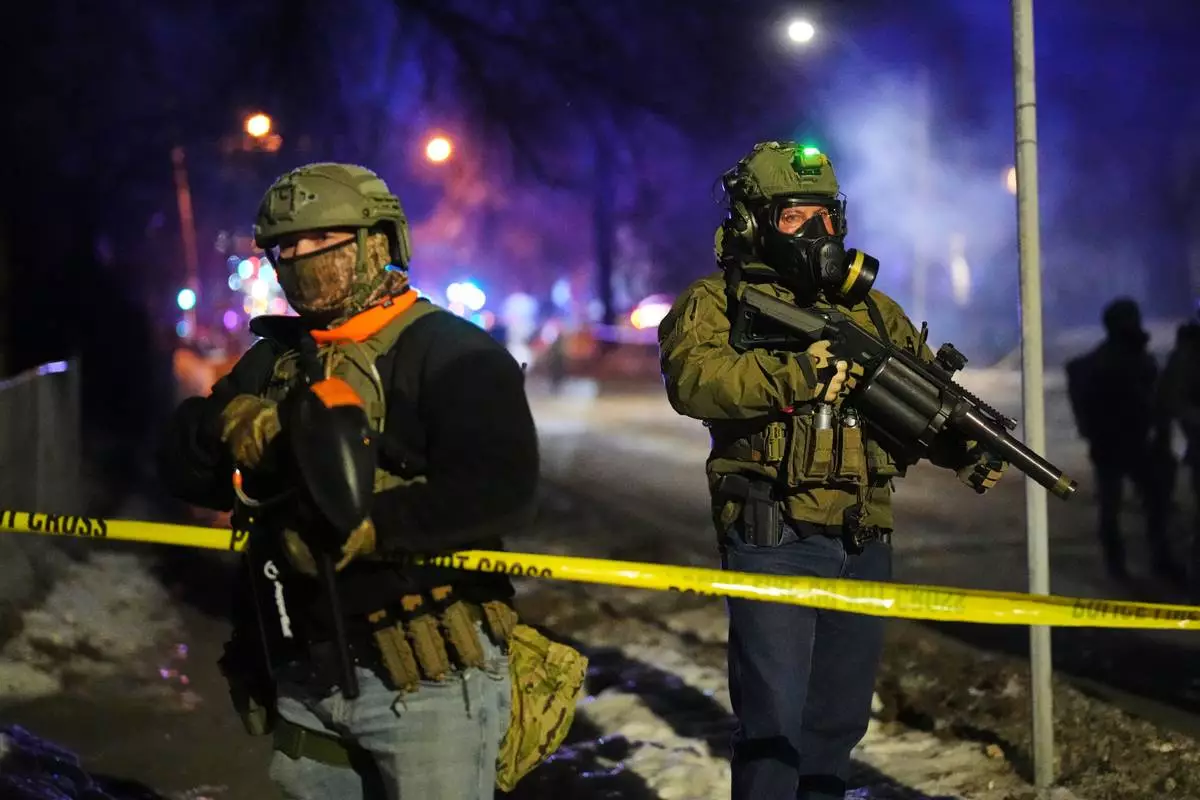
Law enforcement officers at the scene of a reported shooting Wednesday, Jan. 14, 2026, in Minneapolis. (AP Photo/Adam Gray)
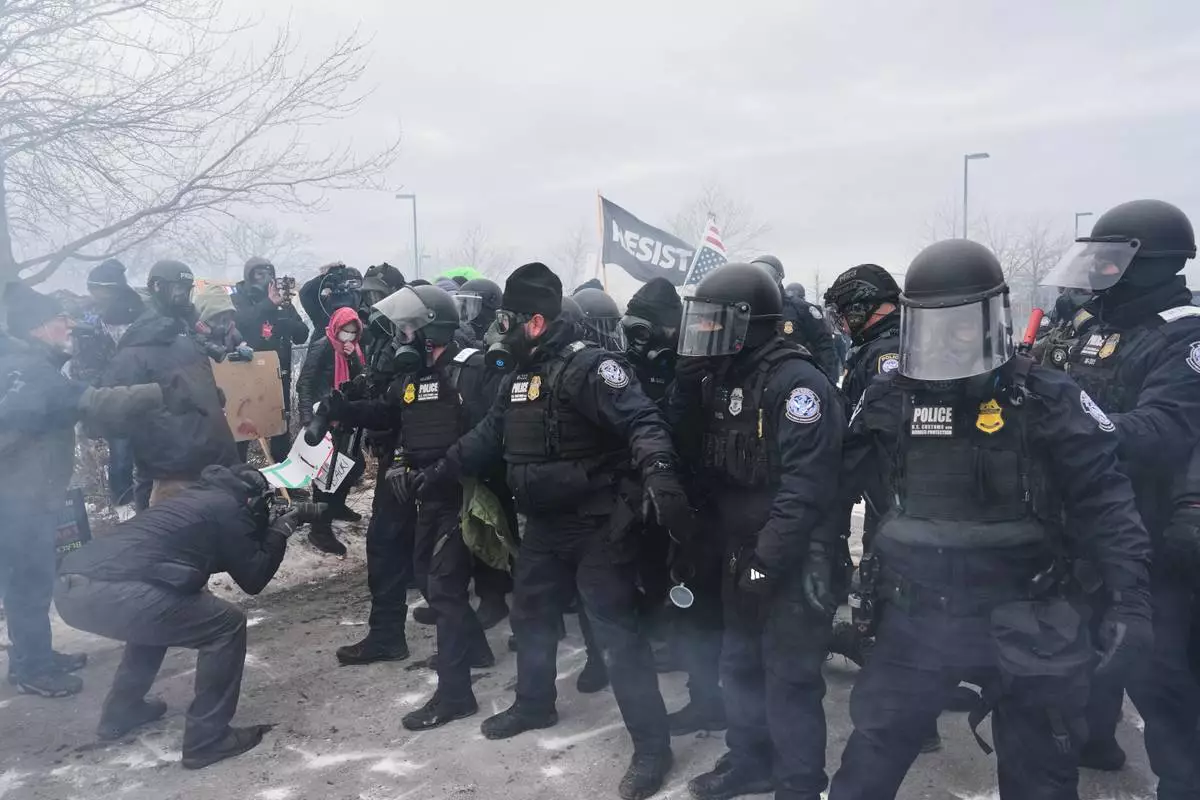
Federal immigration officers confront protesters outside Bishop Henry Whipple Federal Building, Thursday, Jan. 15, 2026, in Minneapolis. (AP Photo/Adam Gray)
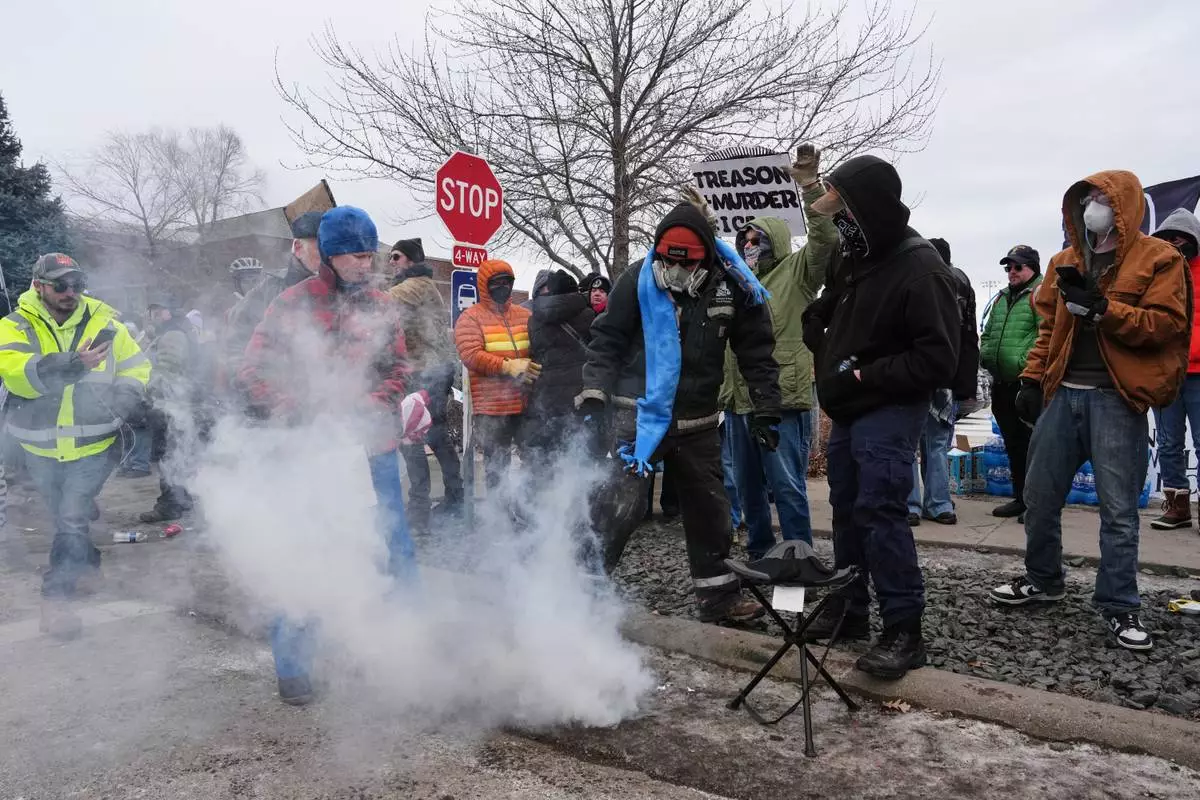
People cover tear gas deployed by federal immigration officers outside Bishop Henry Whipple Federal Building, Thursday, Jan. 15, 2026, in Minneapolis. (AP Photo/Adam Gray)
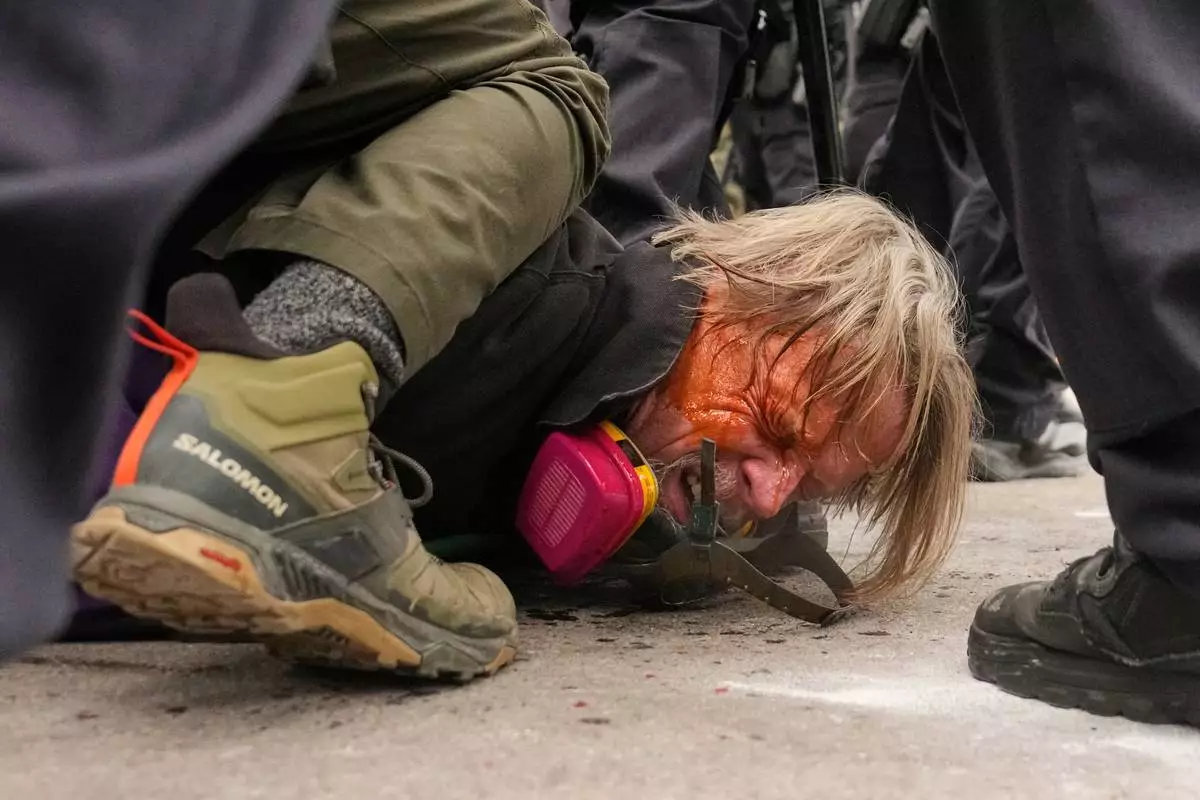
A man is pushed to the ground as federal immigration officers confront protesters outside Bishop Henry Whipple Federal Building, Thursday, Jan. 15, 2026, in Minneapolis. (AP Photo/John Locher)
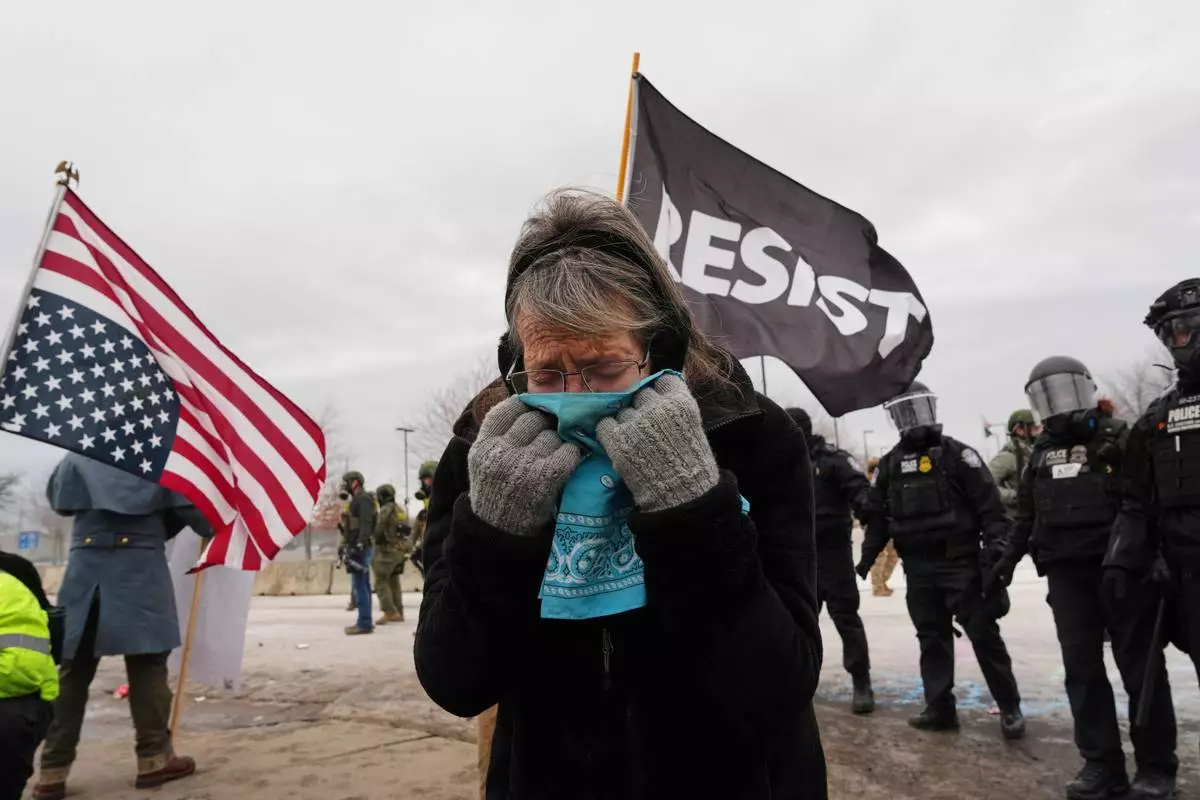
A woman covers her face from tear gas as federal immigration officers confront protesters outside Bishop Henry Whipple Federal Building, Thursday, Jan. 15, 2026, in Minneapolis. (AP Photo/Adam Gray)