China's e-commerce logistics index, which measures logistics operations within the e-commerce sector, came in at 114.4 points in September, up 0.2 points from August, according to data released Wednesday by the China Federation of Logistics and Purchasing (CFLP).
As consumer potential continues to be released and online shopping activity becomes more vibrant, the e-commerce logistics index has shown a month-on-month rise in September, experts said.
The sub-index for the sector's total business volume increased 0.7 points from the previous month to reach 131.2 points, data from the CFLP showed.
Regionally, the northeastern region recorded the largest increase in its total business volume index.
The rural e-commerce logistics business volume index, which had been in decline, has also begun to rise. In September, this index reached 129.4 points, an increase of 0.5 points from the previous month, with the western region showing the most significant rebound in its rural e-commerce business volume index.
Due to fewer extreme weather events in September compared to August, logistics companies improved their delivery efficiency through bulk shipments, warehousing goods, and direct dispatch delivery. As a result, both the logistics timeliness index and fulfillment rate index remained high.
"Leading logistics firms are leveraging digital and informational technologies to provide integrated services to their clients. The release effect of logistics in stimulating consumption has also been prominent," said Zhou Jianqin, director of the Logistics Management Department at the School of Economics and Management at Beijing Jiaotong University.
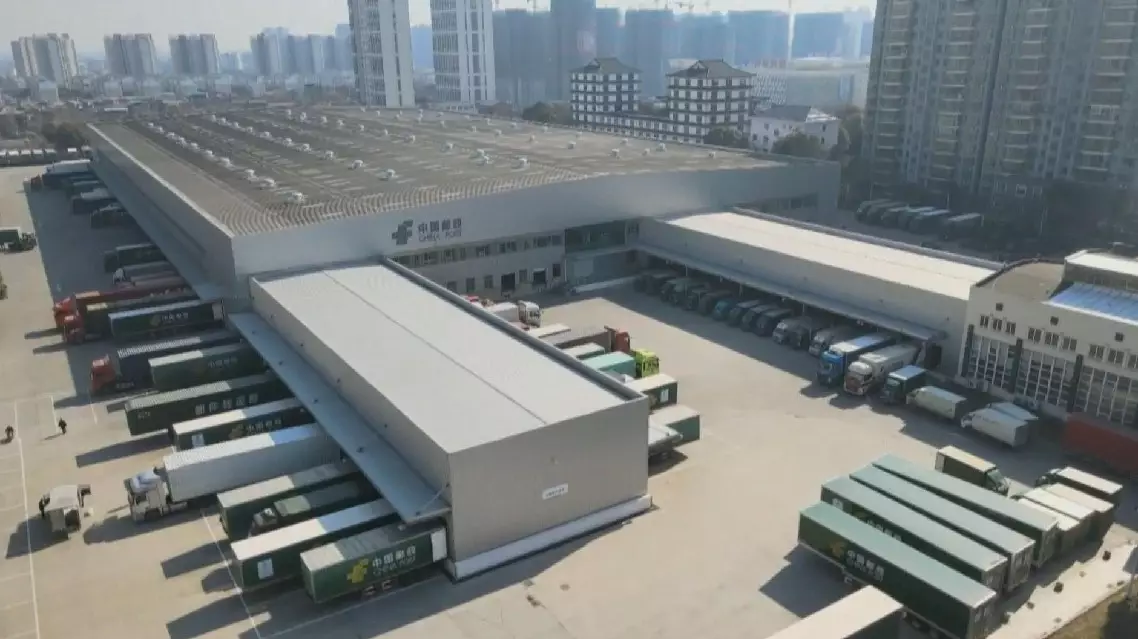
China's e-commerce logistics index on rise in September
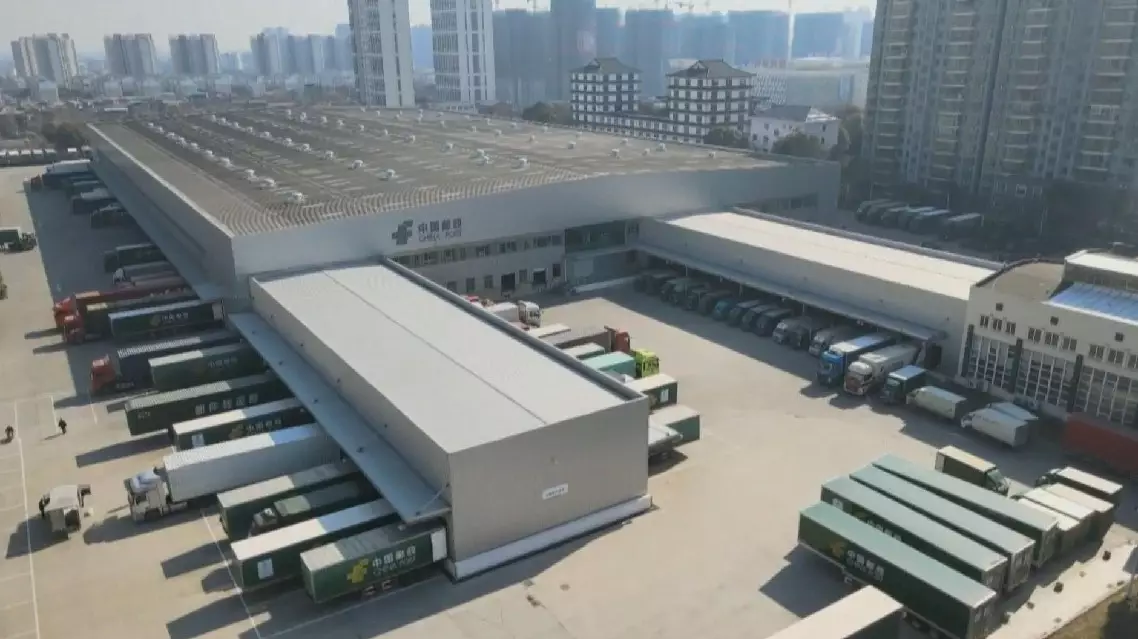
China's e-commerce logistics index on rise in September
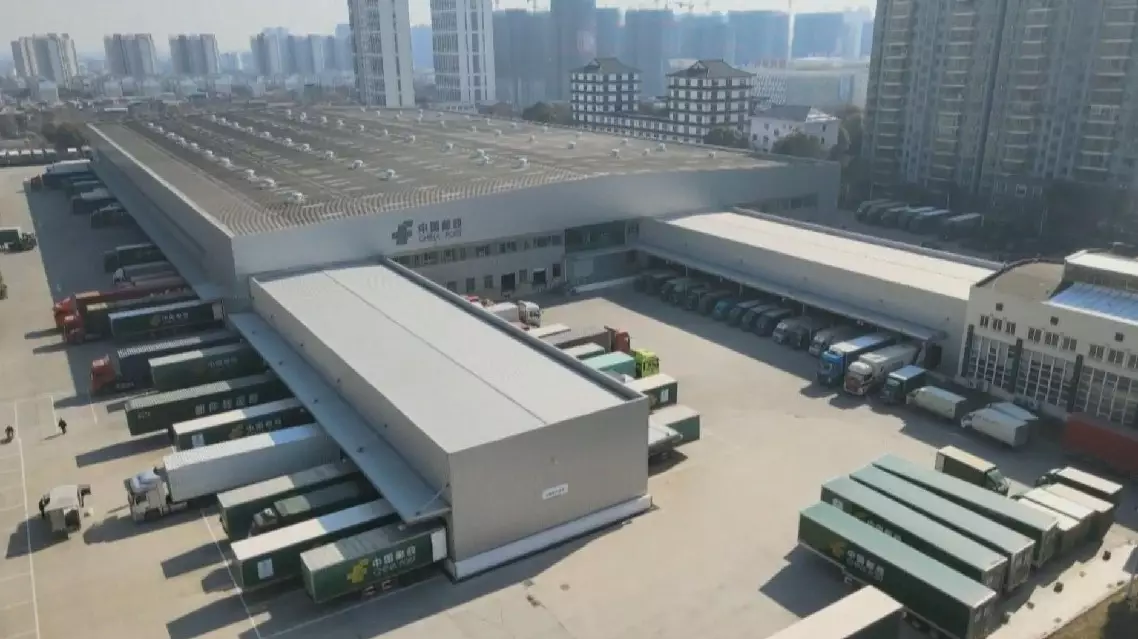
China's e-commerce logistics index on rise in September
Farmers in Gaza have been forced to find innovative ways to keep their livelihoods ticking over following the devastating conflict, with many now growing vegetables inside recycled tin cans after losing their land during the war.
Inside temporary greenhouses in southern Gaza, Palestinian farmers are growing mint and vegetables inside empty food cans recycled from aid supplies, after suffering severe shortages of essential agricultural materials.
Local farmers say they have been searching for simple alternatives to continue farming amid the widespread destruction, with many seeing their land and crop fields decimated.
"The idea came from the shortage of nylon in Gaza. We started using empty vegetable cans left behind by charity kitchens. We use them as an alternative to nylon and plant inside them," said Mohammad Zaarab, a Palestinian farmer.
Israel's designation of what Palestinians call the 'yellow zone' has swallowed up most of Gaza's available farmland, reducing usable agricultural land to only around six percent, while farmers continue to face the risk of Israeli fire during their work.
"We are exposed to gunfire in this area. Whenever they shoot at us, we hide until the firing stops. We work in fear and risk our lives while farming," said Shadi Zaarab, another farmer.
According to the United Nations, agriculture made up around 10 percent of Gaza's economy before the war, with more than 560,000 Palestinians relying on farming, livestock, or fishing for their livelihoods.
Gaza's Ministry of Agriculture says reusing empty food cans has become one of the few remaining ways for farmers to continue growing and providing food after the war that began in 2023 devastated much of the agricultural sector.
"Since October 7 [2023], about 86 percent of Gaza's agricultural land has been destroyed by the [Israeli] occupation. Farmers have turned to alternatives, especially for growing aromatic plants that Gaza's farmers traditionally relied on for production," said Ali Abu Amer, director of the Khan Younis Governorate under Palestine's Ministry of Agriculture.
The recycled can practice adopted by farmers also has some positive knock-on effect, as collecting and preparing empty food cans has also created limited work opportunities for unemployed youth amid the Israeli blockade.
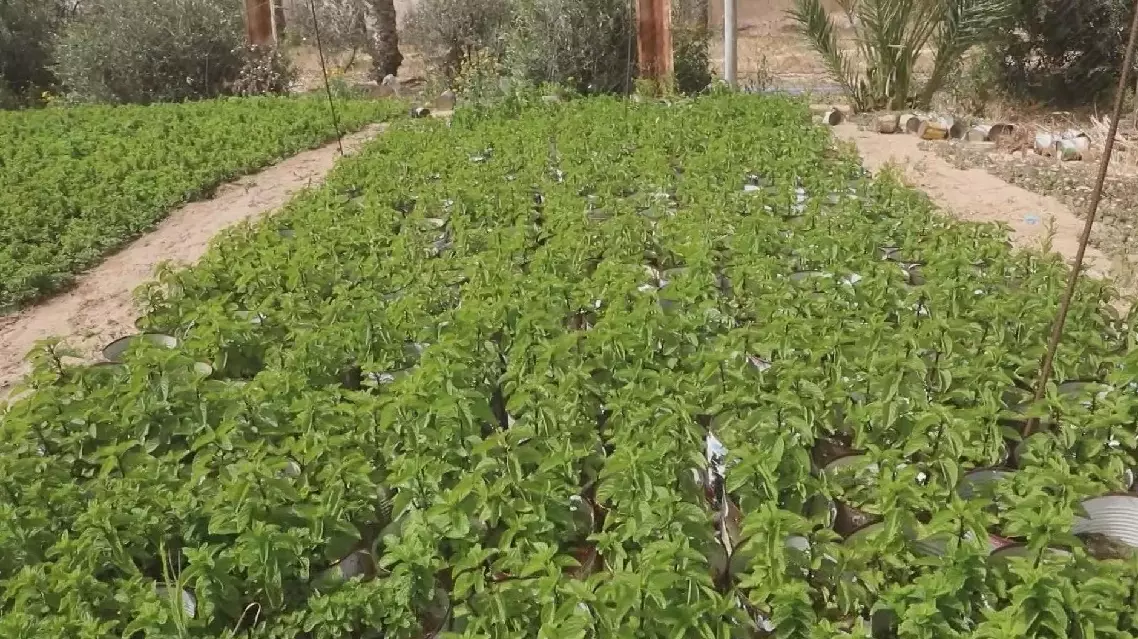
Gaza farmers turn to growing vegetables in recycled tin cans after losing land
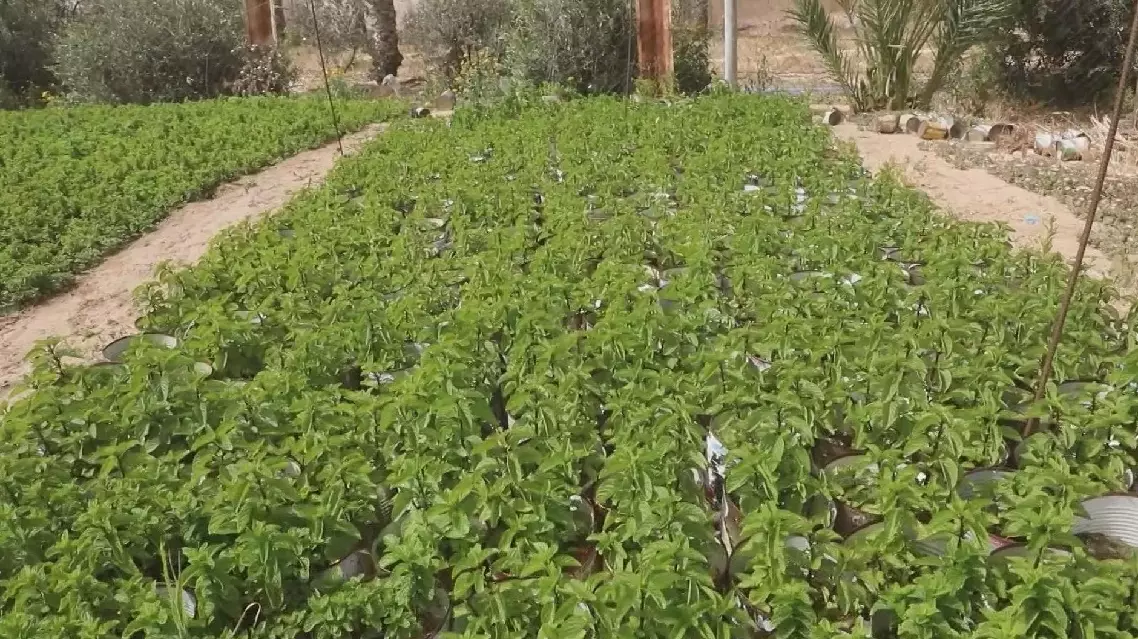
Gaza farmers turn to growing vegetables in recycled tin cans after losing land