UN Secretary-General Antonio Guterres on Friday hailed the substantial conclusion of Version 3.0 ASEAN-China Free Trade Area (FTA) upgrade negotiations, saying that it will promote global free trade and economic growth.
China and the Association of Southeast Asian Nations (ASEAN) announced on Thursday at the sidelines of the 27th ASEAN – China Summit in Vientiane, Lao the substantial conclusion of ASEAN-China Free Trade Area (ACFTA) 3.0 Upgrade Negotiations.
The construction of the China-ASEAN Free Trade Area was completed in 2010, and Version 3.0 FTA negotiations began in November 2022.
The upgraded FTA covers nine areas, including both existing areas of the China-ASEAN free trade agreement and emerging areas with huge potential for cooperation between the two sides, much to the delight of Southeast Asian businesses.
In response to a media query, the UN chief said at a press conference that the United Nations welcomes the agreement that promotes global free trade.
"We are totally committed to first of all, guarantee that we have only one global economy with one only set of rules, one global internet, and that fragmentation must be avoided at all costs. So what brings people together within this global economy, all the agreements that are made in order to increase free trade, in order to create conditions for economic growth to be boosted. All these (China-ASEAN) agreements are from all these perspectives, all is welcome," Guterres said.
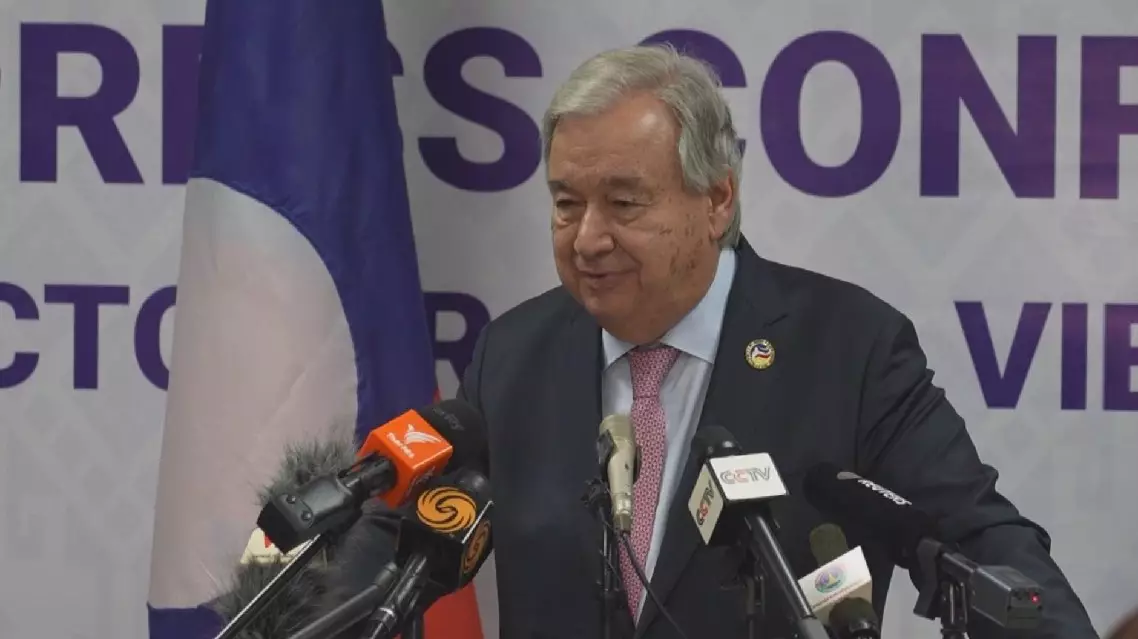
UN chief hails substantial conclusion of Version 3.0 China-ASEAN FTA upgrade negotiations
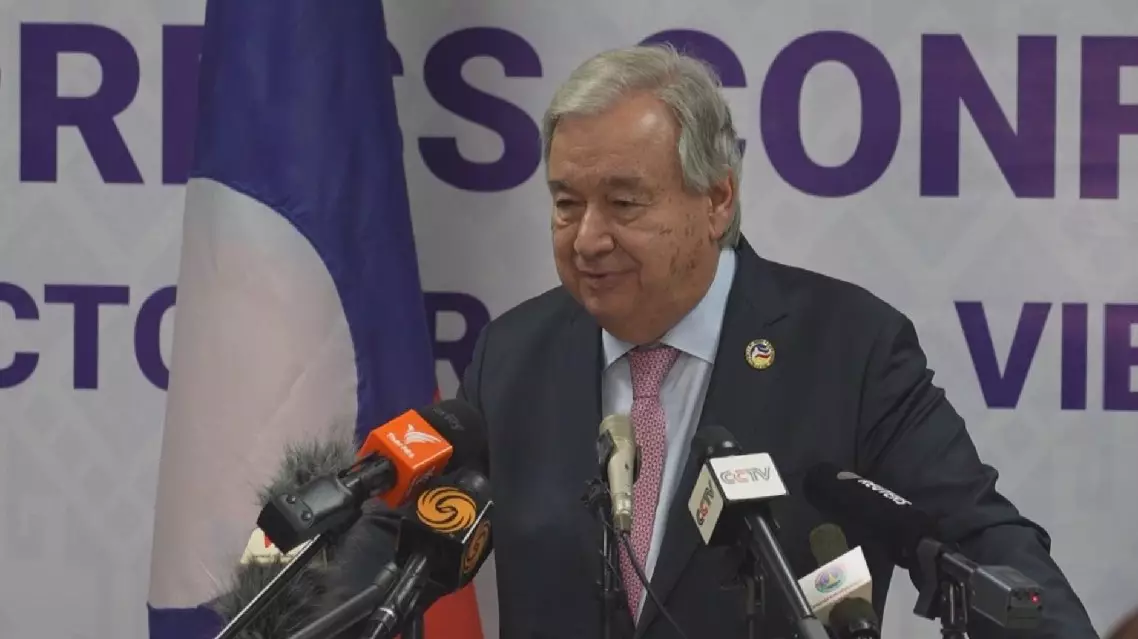
UN chief hails substantial conclusion of Version 3.0 China-ASEAN FTA upgrade negotiations
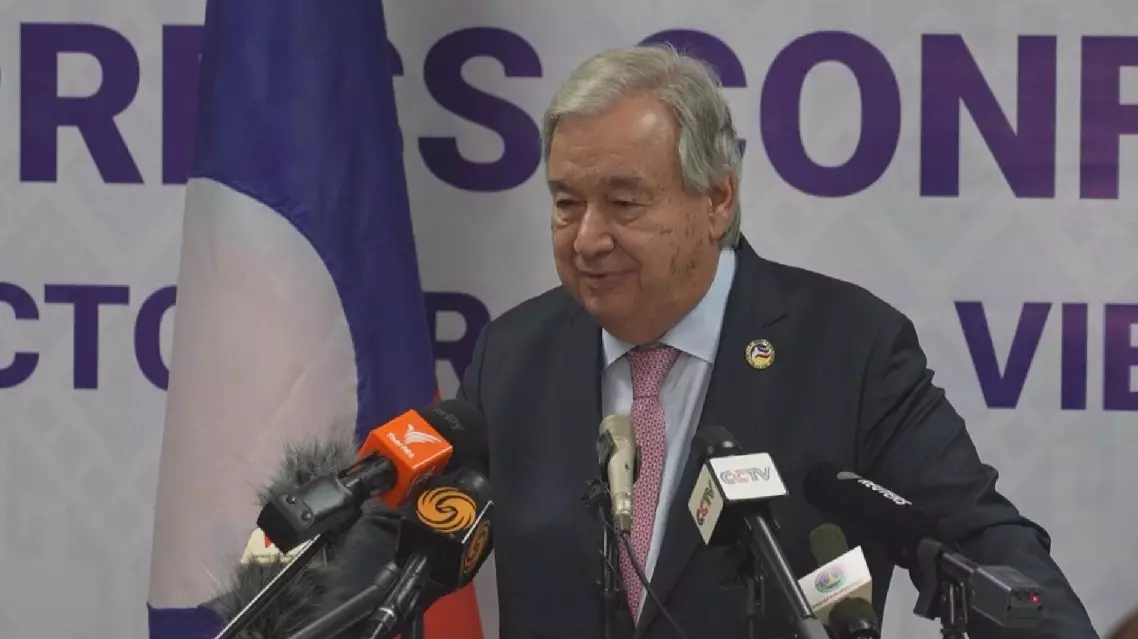
UN chief hails substantial conclusion of Version 3.0 China-ASEAN FTA upgrade negotiations
The total value of goods imports and exports in the Yangtze River Delta in east China reached 13.16 trillion yuan (about 1.97 trillion U.S. dollars) in the first eight months of 2026, up 18.8 percent year on year, according to Shanghai Customs on Tuesday.
The figure marks a record high for the same period in history and represents 18 consecutive months of positive growth. The Yangtze River Delta covers Shanghai Municipality, Jiangsu Province, Zhejiang Province and Anhui Province.
The region's share of China's total foreign trade rose to 37.8 percent, cementing its role as the ballast of the nation's trade. Each province and the municipality advance in coordination, each with distinctive drivers of trade growth.
Shanghai has leveraged its strengths as a port hub and a highland of institutional opening-up, with exports of AI-related products surging more than 90 percent and imports of energy products such as crude oil maintaining double-digit growth.
Jiangsu Province, backed by its comprehensive manufacturing system, has formed a complete export chain from core components to finished products, with exports of key competitive categories such as integrated circuits and vessels growing rapidly.
Zhejiang Province has fully leveraged the private sector as the main force, with private enterprises accounting for 82.6 percent of imports and exports, while technology-intensive, high-value-added products have become the core driver of trade growth.
Anhui Province's monthly imports and exports have stayed above the 100-billion-yuan mark for six consecutive months. In the first eight months, both the volume and value of its automobile exports doubled, ranking first nationwide.
Overall, the region's emerging industries have posted standout performances in overseas markets, with exports of four key categories of robots, including surgical robots, reaching 16 billion yuan (around 2.4 billion U.S. dollars), a threefold increase year on year.
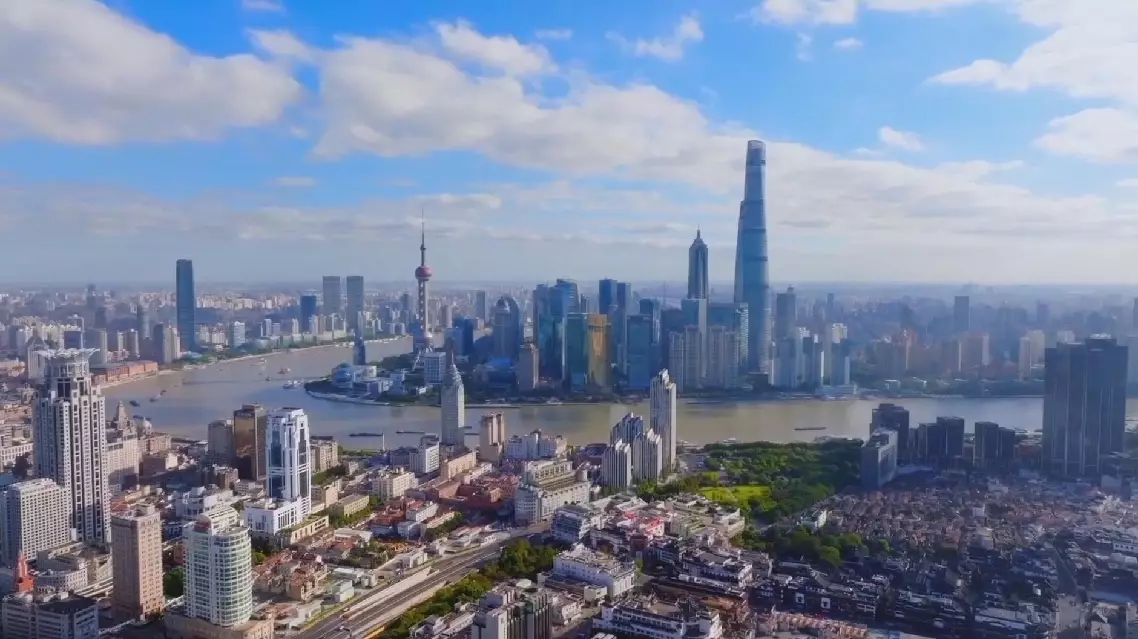
China's Yangtze River Delta reports record-high foreign trade in Jan-Aug period