The financial data released Friday by the People's Bank of China -- the nation's central bank -- show that the overall financial aggregates has expanded at a relatively fast pace since the beginning of this year with the social financing conditions remaining accommodative.
The M2, a broad measure of money supply that covers cash in circulation and all deposits, increased by 9 percent year on year to 349.22 trillion yuan (about 50.64 trillion U.S. dollars) by the end of last month, according to the People's Bank of China.
Friday's data also show that the outstanding aggregate financing to the real economy stood at 451.4 trillion yuan (65.45 trillion U.S. dollars) at the end of last month, growing 8.2 percent year on year.
The aggregate financing to the real economy was 9.6 trillion yuan (1.39 trillion U.S. dollars) in the first two months, which was 316.2 billion yuan (45.85 billion U.S. dollars) more than the same period last year.
Experts said that this year's macro policies have been more proactive and effective, supporting a rapid growth in the total financial volume.
In terms of monetary policy, at the beginning of this year, the central bank rolled out a number of additional policy measures including lowering the interest rates of structural policy tools.
Meanwhile, it maintained ample liquidity in the banking system and the social financing conditions were in a relatively relaxed state.
The net financing of government bonds of this year has reached 11.9 trillion yuan (1.73 trillion U.S. dollars), hitting a record high, said Zhang Yu, chief macro-economy analyst of the Hua Chuang Securities. She also said that in the first two months of this year, the scale of treasury bond issuance and local government bond issuance rose by about 12 percent and 8.5 percent respectively compared to the previous year, providing favorable support for the scale of social financing.
Experts said that the financing demands are significantly growing as companies resume operations after the Spring Festival holiday. Along with the launch of new policies during the 2026 annual sessions of the National People's Congress and the Chinese People's Political Consultative Conference National Committee earlier this month, and the accelerated start of implementation of major projects for the "15th Five-Year Plan" (2026-2030) period for national socioeconomic development, the demand for supporting financing is expected to be unleashed steadily, and the total financial volume is anticipated to maintain a reasonable growth trend.
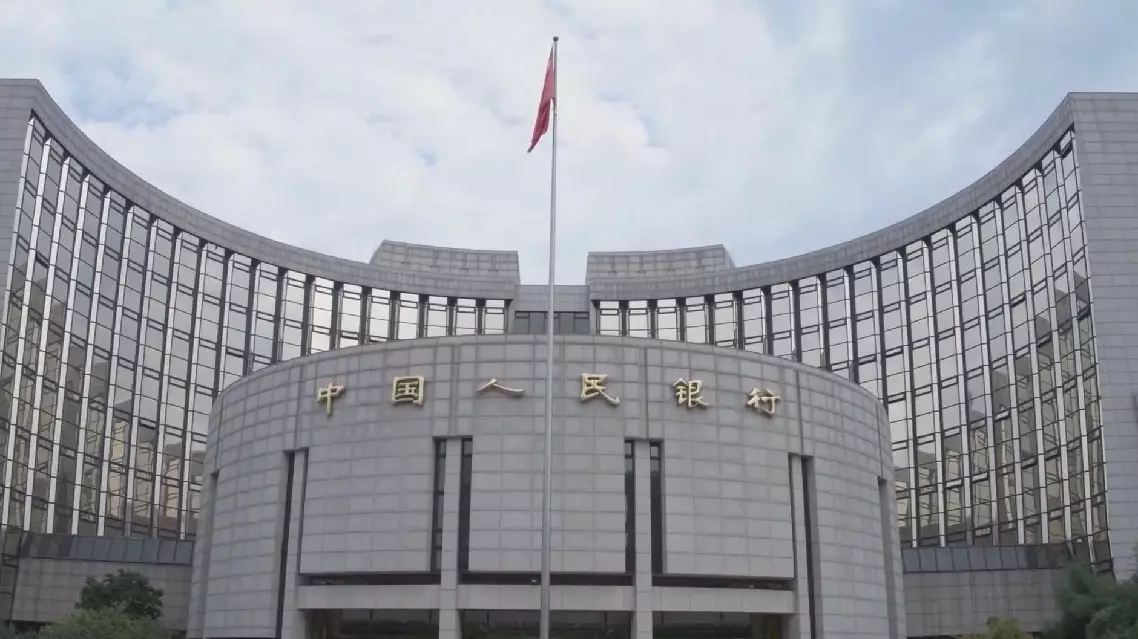
Central bank data reflect financial aggregates expand at fast pace in China