China will include artificial cochlear implants in its centralized procurement to ease the burden on both the medical insurance fund and patients, the National Healthcare Security Administration announced recently.
China's cochlear implant rate remains low, with only around 50,000 implants performed annually.
High treatment costs mean that, even cochlear implant is covered by medical insurance in some places, patients often bear a significant portion of the expense.
Yan Qinghui, deputy director of the administration, said they will include expensive medical supplies including artificial cochlea in its centralized procurement going forward.
"Next, the medical insurance department will press on with expanding the scope of and improving the quality of the national centralized procurement of medicines. We will continue to extend its coverage and carry out a new round of national centralized procurement of medicines and high-value medical consumables. We will include artificial cochlea and other high-value medical consumables in the centralized procurement," he said.
Since 2018, China's national bulk procurement of medicines has reduced drug prices by over 50 percent on average through a volume-based group purchasing strategy.
The high cost of cochlear implant has been a major barrier to its insurance coverage, but if bulk procurement leads to significant price reductions, more regions will likely cover it in medical insurance.
This will bring tangible benefits of lower prices and insurance coverage to hearing-impaired patients, especially children under the age of three, a crucial period for auditory development.
Early treatment through affordable implants could significantly improve the outcomes in hearing and speech trainings for these children.

China to include cochlear implants in centralized procurement to ease patient burden
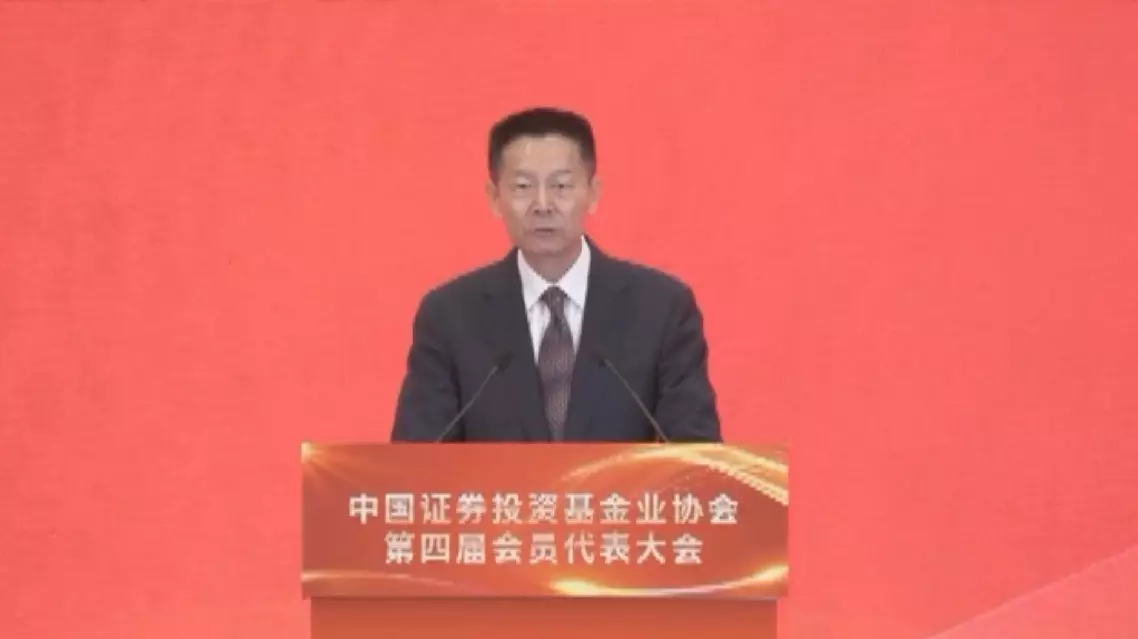
China Securities Regulatory Commission's (CSRC) chairman Wu Qing vowed to further improve the supervision of program trading on Saturday, as China's public funds are shifting focus from scale expansion to delivering better returns for investors.
Addressing the third council meeting of the Asset Management Association of China (AMAC), Wu noted that the fund industry is playing a vital role in supporting a multi-tiered capital market, helping investors manage their assets, and driving the growth of the real economy.
According to the latest AMAC data, the total assets managed by the fund industry reached 85.29 trillion yuan as of the end of April. This includes 39.36 trillion yuan in public funds, 7.85 trillion yuan in private securities funds, 15.33 trillion yuan in private equity and venture capital funds, 12.85 trillion yuan in private asset management business, and 2.39 trillion yuan in asset-backed securities.
"Public funds are continuously adjusting their development philosophy. They are strengthening governance standards, reinforcing the alignment of interests with investors, and implementing reforms such as lowering overall fee rates, standardizing performance benchmarks, and optimizing performance evaluations. It is undergoing a major shift from a focus on scale to a focus on returns," Wu said.
In the private fund sector, more than 20,000 institutions have been phased out. Over the past five years, private equity and venture capital funds have provided 5.25 trillion yuan in innovation capital to unlisted companies, an amount equal to 90 percent of domestic equity financing during the same period.
On program trading, Wu said that regulators have already introduced a series of rules, including transaction reporting requirements, enhanced monitoring systems and stricter oversight of abnormal trading.
"We will conduct further in-depth research and continue to improve the institutional arrangements for program trading regulation. We will place greater emphasis on fairness and standardization, strengthen targeted supervision, effectively prevent the abuse of technological advantages, and resolutely crack down on illegal activities such as market manipulation and disruption of market order," he said.
China securities regulator calls for fairer program trading as public funds focus more on return