Gold prices in Japan surged to a historical high of 14,088 yen (about 94.27 U.S. dollars) per gram, fueled by the ongoing turbulence in the Middle East and the yen's depreciation.
As of Thursday, gold retail prices in Japan had reached new highs for the second consecutive day. The futures price of gold has surged to 85.85 U.S. dollars per gram, making another record. Prices for silver and platinum have also seen an uptick.
A main factor contributing to the rise in gold prices is the ongoing tensions in the Middle East, which spurs investors to seek safer assets and boosts the demand for gold.
The continued depreciation of the yen against the U.S. dollar is also playing a crucial role, as it has led investors to speculate that the Japanese government may intervene in the foreign exchange market. Although the Bank of Japan has not yet taken any intervention measures, nervousness in the market has already begun to surface.

Gold prices hit record high in Japan
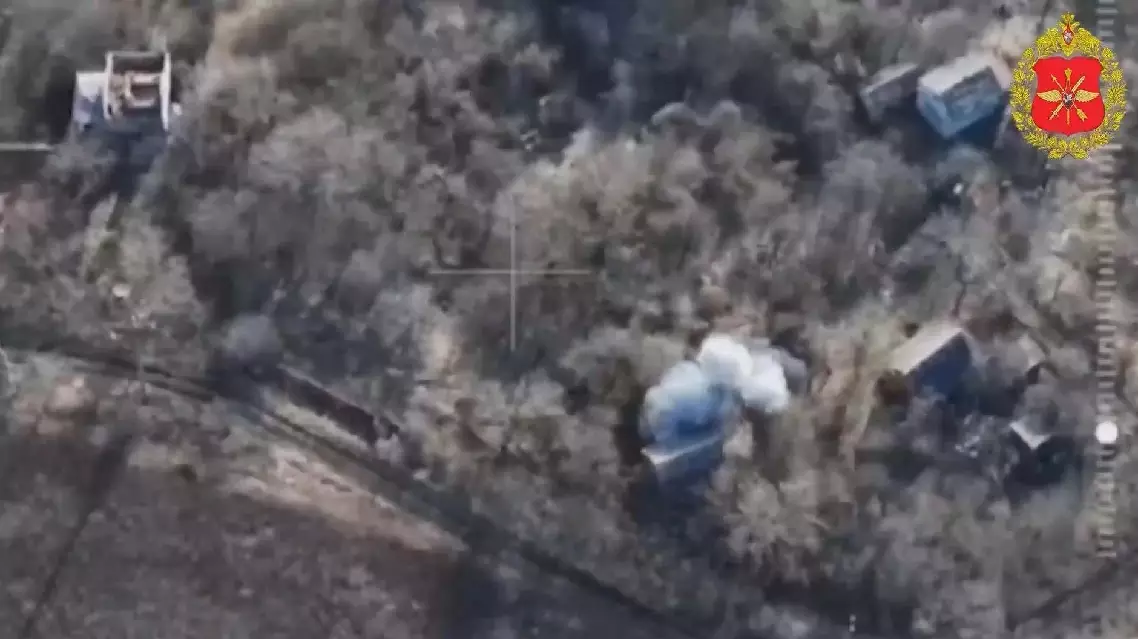
Russia reported on Saturday that its forces attacked several Ukrainian military targets over the past day, while Ukraine on the same day claimed it hit Russian oil facilities.
The Russian Defense Ministry said in its latest report that over the past 24 hours, the Russian forces conducted strikes on Ukrainian energy and transport infrastructure, drone storage sites and fuel depots, temporary deployment points of Ukrainian armed formations and foreign mercenaries in 145 locations. The ministry said Russian air defense forces shot down 568 drones over the past day.
Meanwhile, the General Staff of the Armed Forces of Ukraine reported on the same day that a total of 151 combat engagements were reported on the battlefield over the past day. It said the Ukrainian forces launched attacks on multiple Russian troops and an equipment concentration area and drone control points, and shot down 2,104 operational-tactical level Russian drones. The Ukrainian forces also hit four key Russian oil facilities on Saturday, said the report.
Ukraine's Security Service (SSU) said in a social media post on Saturday that it had hit three Russian warships in Crimea. The SSU said that the hit warships included the Russian Navy's large landing ships Yamal and Azov,and a third warship of an unspecified type. Other reports said that a Russian Project 21980 anti-sabotage boat "may have been hit."
According to the SSU, Ukraine also launched drones to attack Russia's communication systems, a radar station, and an oil base in Crimea.
Russia has not responded to these reports.
Russia claims striking multiple Ukrainian targets; Ukraine reports hitting Russian oil facilities