The educability of the human mind, in contrast to vague notions of intelligence, may present a better picture of what sets the species apart, said Leslie Valiant, winner of the 2010 A.M. Turing Award, who explored the concept in his recent book.
Valiant is a distinguished computer scientist and computational theorist. Born in 1949, he has achieved global recognition for his groundbreaking work in theoretical computer science.
He revolutionized the field of machine learning by developing the Probably Approximately Correct (PAC) model, laying the foundation for computational learning theory.
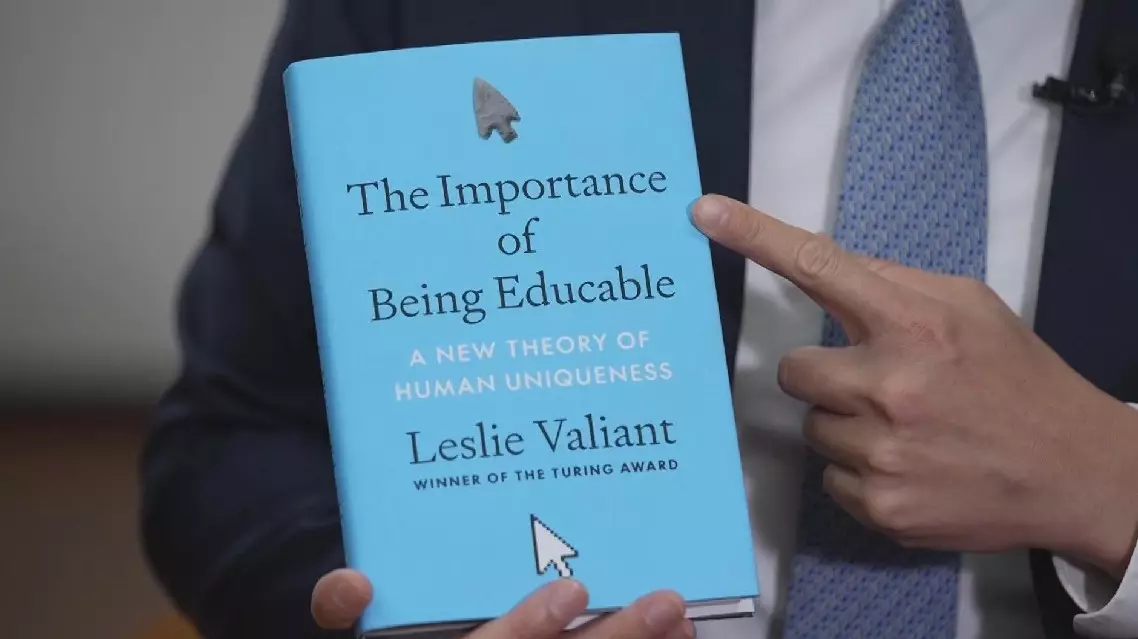
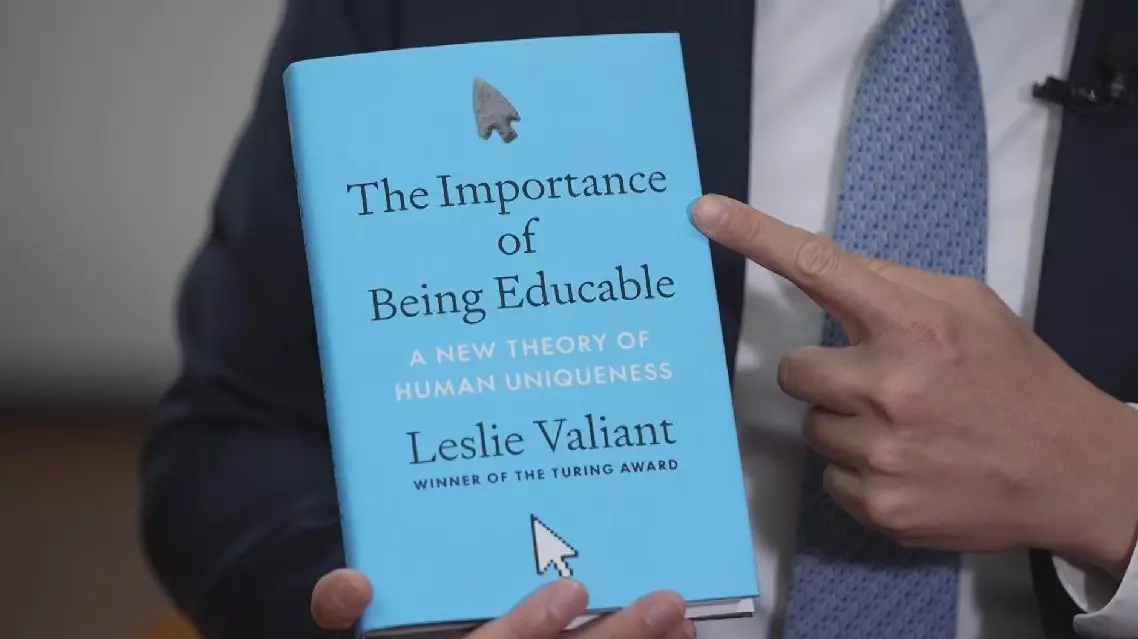
In a recent interview with China Media Group (CMG) in Beijing, he discussed his new book titled 'The Importance of Being Educable: A New Theory of Human Uniqueness', which was published on April 16, 2024 and presents a new exploration of the human ability to absorb and apply knowledge.
"I think the word intelligence is not well defined. When psychologists or experts on intelligence are asked what intelligence is, they just disagree. And also, we use it in a vague way, but when we, for example, want to build a machine to imitate what we do, then we have to be more specific on what capability it is that's being executed. Just saying let it be intelligent doesn't say anything, so educability as a complex thing, but it's based on learning, and learning is something which we can define much better," he said.
Valiant's book argues that the ability and the opportunity to be educable is increasingly important for humans in this day and age of artificial intelligence. Through understanding the basic capabilities of learning, people can better understand themselves and understand “what machines would be able to do, because, in general, when we build machines, we just make them imitate us.”
When asked about the unsolved puzzles about the human brain and the human thought process that he dedicates himself to learning more about, Valiant said that these are open questions raised in the book.
"I'm suggesting that this notion of educability, which is defined in the book as important, but it's an empirical question whether it's useful. So, can you make a test which tests for educability, which is somehow more useful than current IQ tests. And very basically, a test for educability is different, because if you go into the test for most other tests, you are tested for some previous knowledge or some previous trade, while in educability, you are really tested on how well you can take up information during the test," he said.
In Valiant's theory, educability is not predetermined or predestined. Even though there are differences and variations, it can be trained and acquired. Above everything, he underscored, it is a trait shared by all.
"I think all humans are educable, and this gives us enormous powers of changing ourselves, enormous powers of learning new things. And I think most of our behavior is governed by what we learned in life. There may be, obviously, some genetic component of what we are better at, but being educable gives us this enormous capability to just keep learning. And the fact that humans like learning is kind of self-evident, that you know, people look at their cell phone all the time, they watch movies, they read books, and often they don't even care whether what the movie is real or fiction. We do have a thirst for absorbing information, so the model of a human as someone who always wants to be educated to learn more things and organize their brains with the new knowledge, I think it's a pretty obvious view of humans," he said.
Being educable makes people keep learning new things: scientist
Being educable makes people keep learning new things: scientist