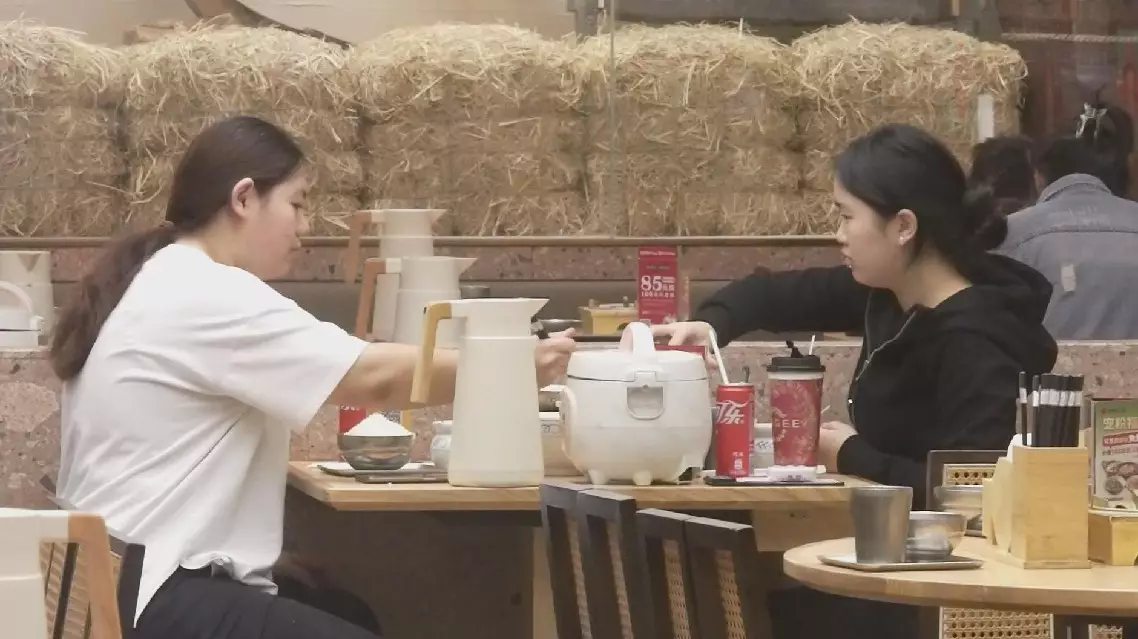
Restaurant revenues in China reached 3.94 trillion yuan (about 550 billion U.S. dollars) in the first three quarters of 2024, showing a 6.2 percent growth, according to the National Bureau of Statistics.
Data indicates that almost 1.32 million restaurants were registered across China in the first half of 2024, with over 4,800 new registrations in Beijing alone.
In a newly opened mall called Super Hops-On in Beijing's Changping District, 30 percent of its existing stores are dedicated to food services.
"About 20 percent of our restaurants are regional firsts, with some being national or Beijing firsts," said marketing director Li Yihui.
Except for new fancy restaurants occurring in Beijing, smaller and everyday dining establishments are also becoming more popular.
A local "hulatang" (spicy soup) restaurant, which can yield an average daily revenue exceeding 20,000 yuan, adjusted its flavors to better meet Beijing customer expectations.
"We've reduced the spice level slightly to cater to local tastes and extended operating hours to match people's work schedules," said Jiao Wen, manager at Fangzhongshan Hulatang.
To meet diverse dining preferences, many restaurants have also launched fast-turnover outlets near office spaces and delivery-only kitchens.
China's catering sector revenue reaches 3.94 trln yuan in first 3 quarters
Hungary's wine industry is now confronting a critical threat to its harvest as the country has been gripped by prolonged periods of extreme weather, including scorching temperatures and persistent droughts since the start of summer.
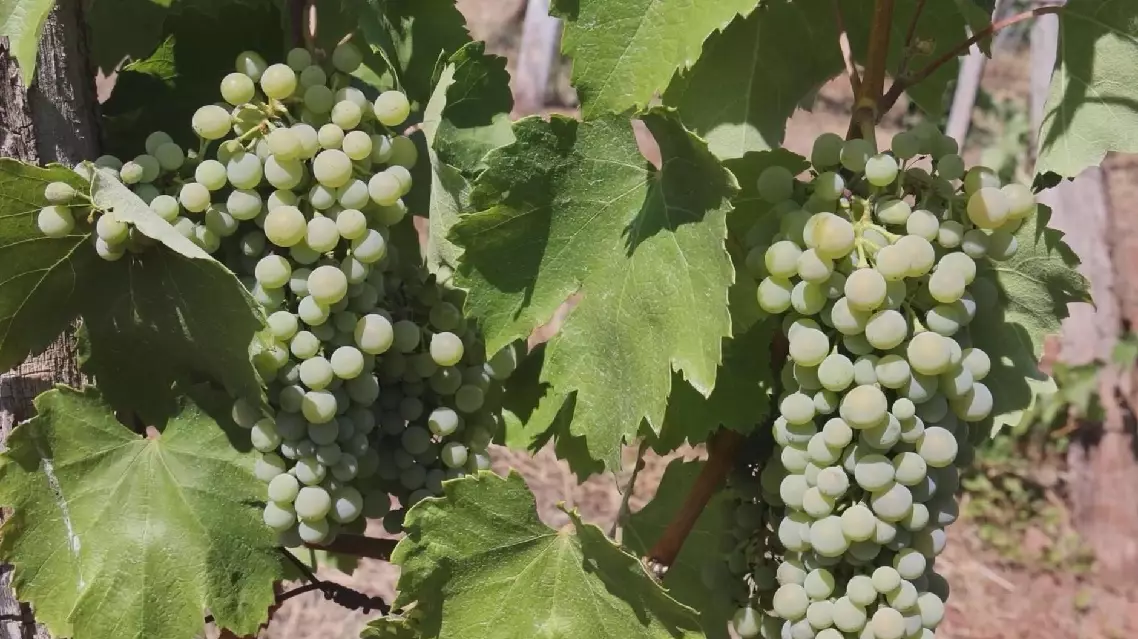
The intense heat and extended dry spell have seen water levels of the Danube River -- the lifeblood of the Hungarian agriculture sector -- repeatedly fall to historic lows, placing widespread pressure on the farming industry and spelling bad news for winemakers. Experts anticipate this year's grape yield could fall by around 30 percent compared to previous years.
In the traditional wine-producing region of Balatonfured in western Hungary, companies are feeling the impacts first-hand. The ongoing drought has severely degraded soil moisture, leaving the vines water-stressed and limiting grape development.
"As the soil dries out, the vines become increasingly dependent on rainfall. Without timely rain, the tiny grapes can't grow to the right size, and in extreme heat with little rain, the vines may prioritize survival over reproduction, sacrificing fruit development," said Attila Jasdi, the owner of the Wine Cellar Ltd Jasdi Csopak, a firm which was established back in the mid-19th century.
Echoing these concerns, agricultural economist David Hollosi also stressed that such conditions threaten both the quality and quantity of the harvest.
"The current situation has brought multiple challenges to the grape-growing industry. The impact of heat waves can damage grape quality, affecting not only yield but also altering the internal composition of the fruit. The harvested grapes often fail to reach their previous quality," he said.
Locally, farmers and vintners face a shrinking window for optimal picking, as ripening occurs much earlier than usual.
"Two years ago, during the harvest season, we encountered a similar situation. The moisture content of the grapes was decreasing almost daily, which meant that as the harvest progressed, the berries were shrinking, leading to a lower yield and poorer quality of wine," said Jasdi.
"(When I was a child) the harvest usually took place in mid-to-late October or early November. However, due to climate change and rising temperatures, the harvest season has started much earlier. Winemakers often begin harvesting as late as the end of Wine Week in late August," said Istvan Boka, the mayor of Balatonfured.
Beyond the drought, insiders also warn the industry faces alarming threats from pests and diseases.
"The wine industry is currently facing significant challenges. We are confronting three particularly thorny issues: climate change, changing wine consumption habits, and a grape disease known as golden vine caused by phytoplasma, for which there is currently no effective treatment. Therefore, local producers face enormous challenges. Some problems have solutions, others are difficult to solve. But viticulture and winemaking have never stopped, and we remain committed to addressing all these challenges," said Peter Csiszar, wine district curator for the Csopak and environs region within the Balatonfured-Csopak wine district.
Hungary's wine industry under threat amid record heatwave