The 3rd International Summit on the BeiDou Navigation Satellite System (BDS) and its applications kicked off Thursday in Zhuzhou City of in central China's Hunan Province, as authorities aim to boost the industry by expanding the use of satellite networks and strengthening international cooperation.
The two-day summit has attracted more than 1,800 Chinese and international researchers, entrepreneurs and officials. Exhibitors have also set up booths to showcase BDS use in various sectors, including smart logistics and intelligent transportation.
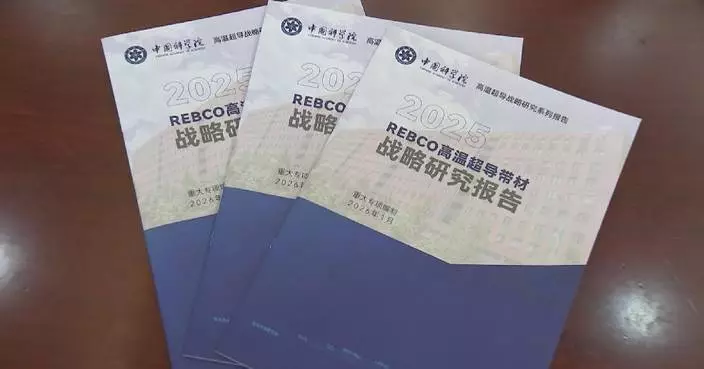
BDS services and related products have been exported to more than 130 countries, providing users with diversified choices and better application experience and promoting industrial development, according to a bluebook on the development of the BeiDou network, which was released during the opening ceremony of the summit.
China's BDS program was initiated in 1994 with the construction of BDS-1 and BDS-2 completed in 2000 and 2012, respectively. When BDS-3 was completed and put into service on July 31, 2020, China became the third country in the world to have an independent global navigation satellite system.
According to the White Paper on the Development of China's Satellite Navigation and Location Services Industry (2024), the total value of China's satellite navigation and location services industry reached 536.2 billion yuan (about 75.2 billion U.S. dollars) in 2023, an increase of 7.09 percent over the previous year.

China hosts summit to boost use of homegrown BeiDou navigation system
Hong Kong's Hang Seng Index ended slightly higher on Monday while Japan's Nikkei 225 saw a decline, according to Timothy Pope, a market analyst for China Global Television Network (CGTN).
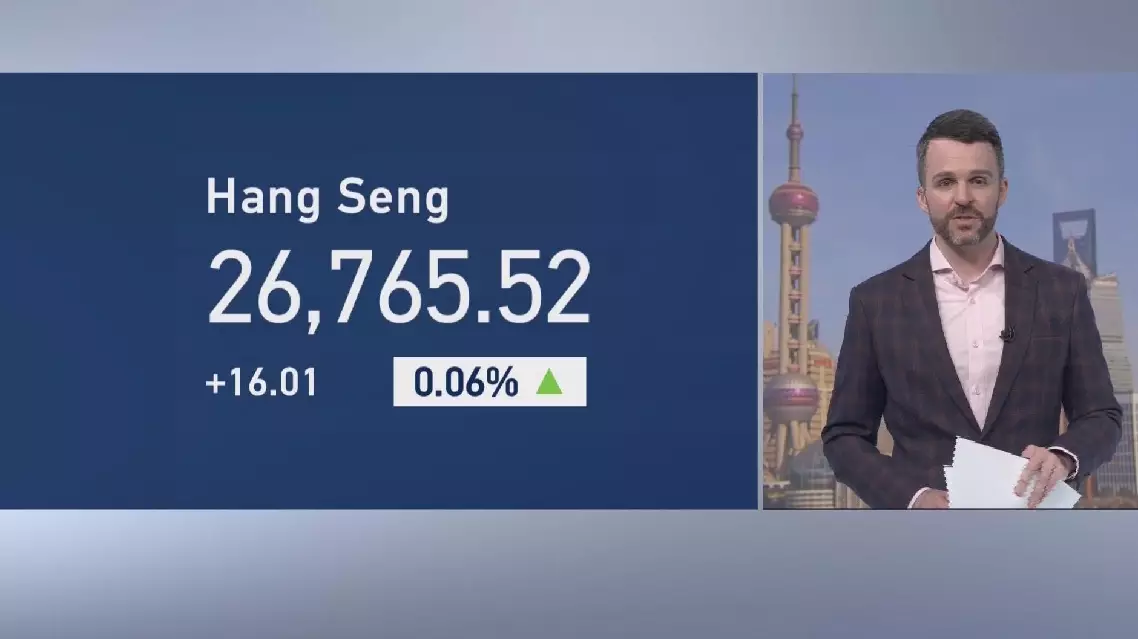
The Hang Seng Index went up 0.06 percent to close at 26,765.52 points on Monday and the benchmark Nikkei stock index, the 225-issue Nikkei Stock Average, dropped by 1.79 percent to end at 52,885.25 points.
"The Hang Seng managed to claw back some earlier losses and end the session flat. The big supporting factor in Hong Kong was also Chinese energy and metals stocks. I said miners were going gangbusters, well, Zijin Mining surged to a record high at one point today, adding 7.8 percent, but closed 4.4 percent higher, paring those gains a little bit. Zijin mines copper as well as gold and announced today that an expansion of a Chinese copper mine project was now up and running. Its Hong Kong shares have risen almost 18 percent since the start of this year, and its Shanghai stock has also made some pretty comfortable double digit gains. The downside in Hong Kong today was also the same story as the Chinese mainland - it was tech. The Hang Seng Tech Index shed 1.2 percent by the end of the session," he said.
Popo said the decline in the Tokyo market was caused by fears of a joint Japanese-US currency intervention.
"Over in Tokyo the Nikkei 225 was down 1.8 percent as investors were on guard for a potential joint Japanese-US currency intervention. The Japanese Prime Minister said all necessary steps would be taken to act against abnormal market moves, but she was fairly non-specific. The yen surged on Friday after the New York Fed reportedly conducted a rate check, and it was up again today to a more than three-month high. The intervention would be to stem yen declines, but it's not clear if that threat has been averted as yet. But Japan's exporter heavy markets were down on the currency gains today, automaker stocks like Nissan and Honda traded significantly lower, as did the tech investor Softbank, it was one of the Nikkei's heaviest decliners. Conversely, of course, it was good for importer stocks, but those gains didn't do nearly enough to outweigh the very broad-based losses that we saw in Monday's session in Tokyo," he said.
Hong Kong stock markets edge higher, Tokyo stocks decline amid currency fluctuations: analyst