Authorities in China emphasized the need for smart technologies to improve airspace monitoring and management to promote the low-altitude economy, as revealed by officials at an aviation conference that kicked off on Friday in Beijing.
A three-day aviation conference was hosted by the China Air Transport Association (CATA).
At the event, officials of the Civil Aviation Administration of China said the administration has planned to leverage new technological innovations to integrate the flight service guarantee systems in a bid to ensure the smooth development of the low-altitude economy.
Hu Zhenjiang, deputy head of the administration, said that the global major aviation accident rate stands at 0.21 per million flights, indicating a relatively stable safety level.
However, as flight volumes continue to grow, achieving a lower accident rate will entail smart technologies to keep safety risks within acceptable limits, Hu said.
"We need to leverage the advantages of new technologies in precision, foresight and coordination to enhance our predictive capabilities for safety operations. We should strengthen the monitoring, control and management throughout the entire lifecycle of aircraft and significantly improve our emergency response capabilities and standards so as to promote high-quality development in the industry by ensuring high levels of safety," he said.
Hu also noted that ensuring safety in low-altitude flights is a world-class challenge.
With the exponential growth of low-altitude flight operations, it is essential to build new intelligent infrastructure, advanced support systems and regulatory frameworks to achieve effective monitoring, avoidance and control in low-altitude flight.
"The Civil Aviation Administration of China will encourage relevant departments to promote the integration of flight service guarantee systems with the help of technological innovations. This will efficiently link low-altitude flight elements such as route planning, airborne obstacle avoidance, airspace management and traffic control. The administration aims to explore the integration of manned and unmanned flights and gradually achieve the digitalization and intelligence of low-altitude mission execution, resource allocation and safety oversight, thereby ensuring the safe development of the low-altitude economy," Hu said.
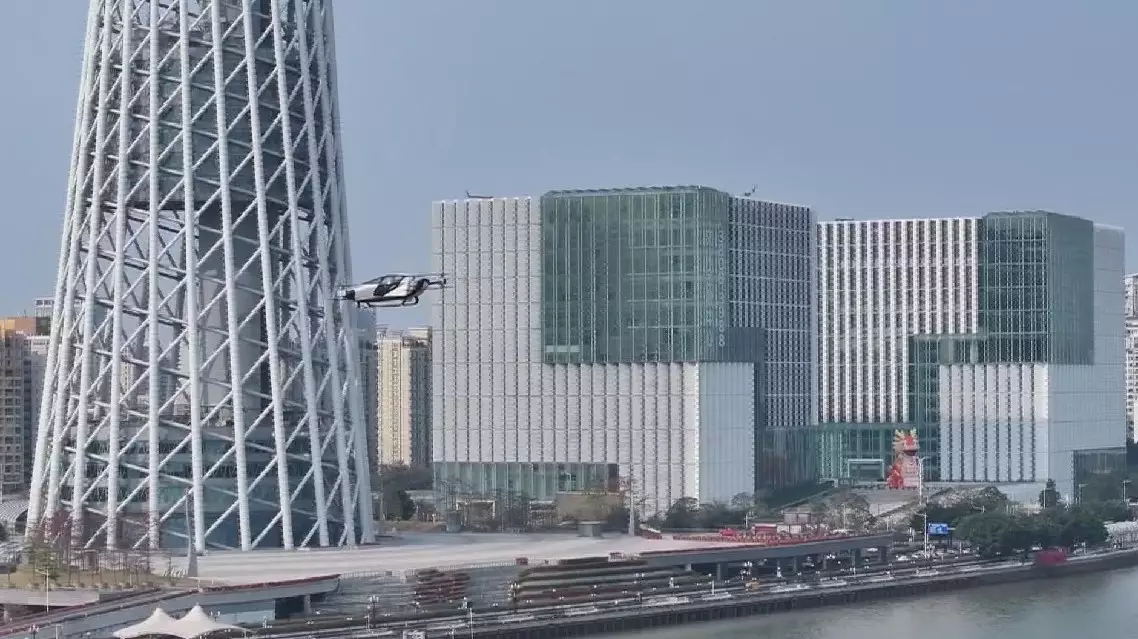
China introduces tech-driven strategies to boost low-altitude economy and ensure safety
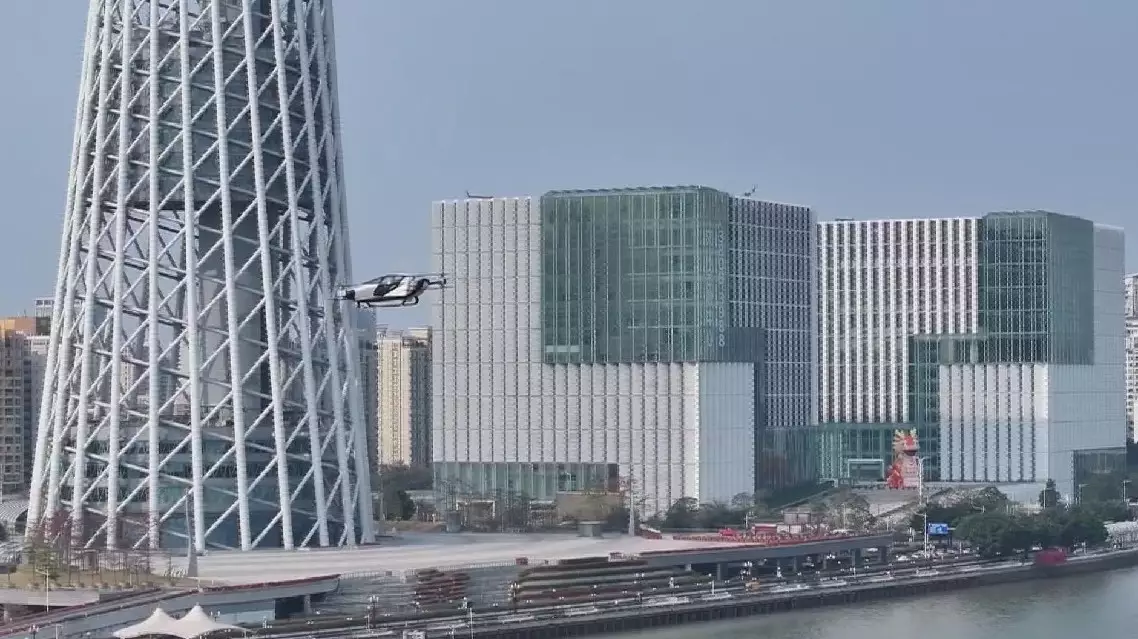
China introduces tech-driven strategies to boost low-altitude economy and ensure safety