China's natural wetlands have welcomed flocks of rare migratory birds in late October, as these scenic and well-preserved areas provide ideal stopovers or destinations for the winter migration of these feathered creatures.
Black-necked cranes, a species under national first-class protection, typically begin their southward winter migration from northwest China's Qinghai Province in mid to late October.
An extensive wetland on the border of Ulan County and Gonghe County in the province offers a suitable environment for more than a hundred black-necked cranes to stop, forage, and rest during their migration. Here, they can refresh themselves before continuing their journey south.
Currently, there are over 2,600 black-necked cranes across Qinghai, an increase of more than 1,400 compared to 10 years ago, according to the Forestry and Grassland Bureau of Qinghai Province.
Meanwhile, a coastal wetland in east China's Lianyungang City has welcomed various species of rare migratory birds, such as the oriental white stork and the Eurasian spoonbill, which have arrived to spend their winter here.
Situated along the East Asian-Australasian flyway, this 233,000-hectare wetland, with abundant natural and ecological resources, has become an ideal winter habitat. In recent years, the local government has enhanced its efforts in the ecological restoration of coastal wetlands, effectively attracting a large number of migratory birds to the area.
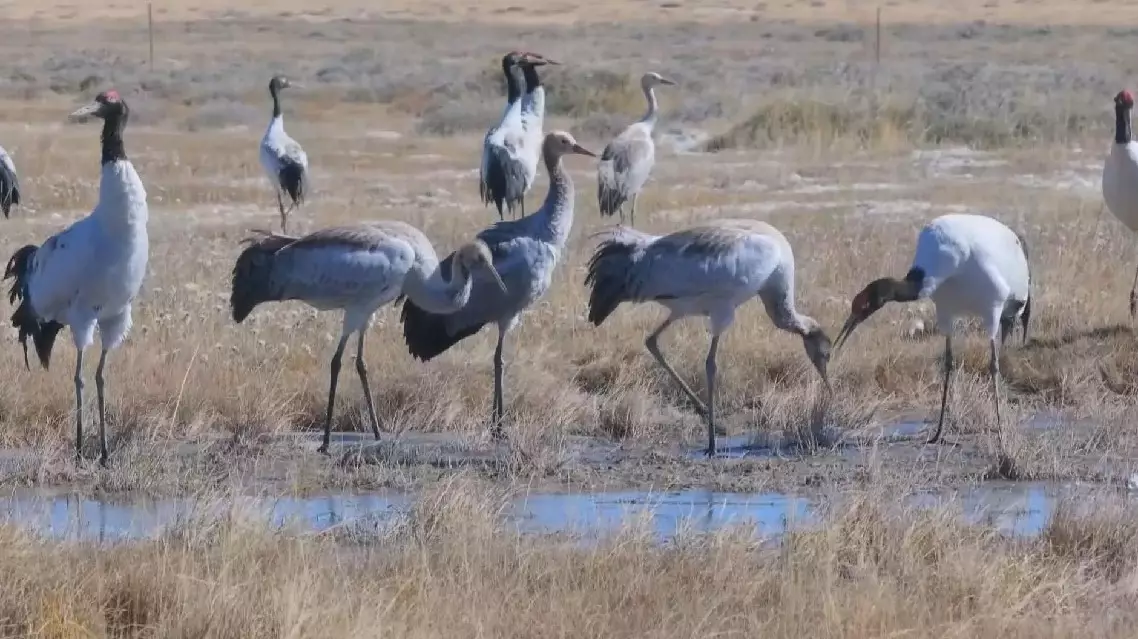
Migratory birds spotted in China's natural wetlands
A spokesperson for the International Maritime Organization (IMO) said on Monday that the situation in waters near the Strait of Hormuz remains volatile, urging vessels in the area to take maximum caution.
"The situation continues to be volatile. Ships should take maximum caution and not take risks without security guarantees," the spokesperson said in a statement.
According to the information released on the IMO website, as of April 19, a total of 24 attacks on ships in the affected waters had been confirmed, resulting in the deaths of 10 seafarers.
The IMO, the United Nations specialized agency responsible for maritime safety and security, as well as the prevention of marine and atmospheric pollution by ships, has called for de-escalation, dialogue, and multilateral cooperation regarding the situation in the Strait of Hormuz.
Meanwhile, Iranian Foreign Ministry spokesperson Esmail Baghaei said on Monday that with the U.S. repeatedly violating ceasefire deals and posing threats to Iran’s ports and vessels, a unilateral return to normal shipping remains out of reach.
Also on Monday, the U.S. Central Command claimed in a social media post that the U.S. forces have directed 27 vessels to turn around or return to Iranian ports since its blockade on navigation through the Strait starting April 13.
However, according to a report released from Lloyd's List on Monday, at least 26 vessels involved in Iranian shipping had managed to break through the U.S. blockade.
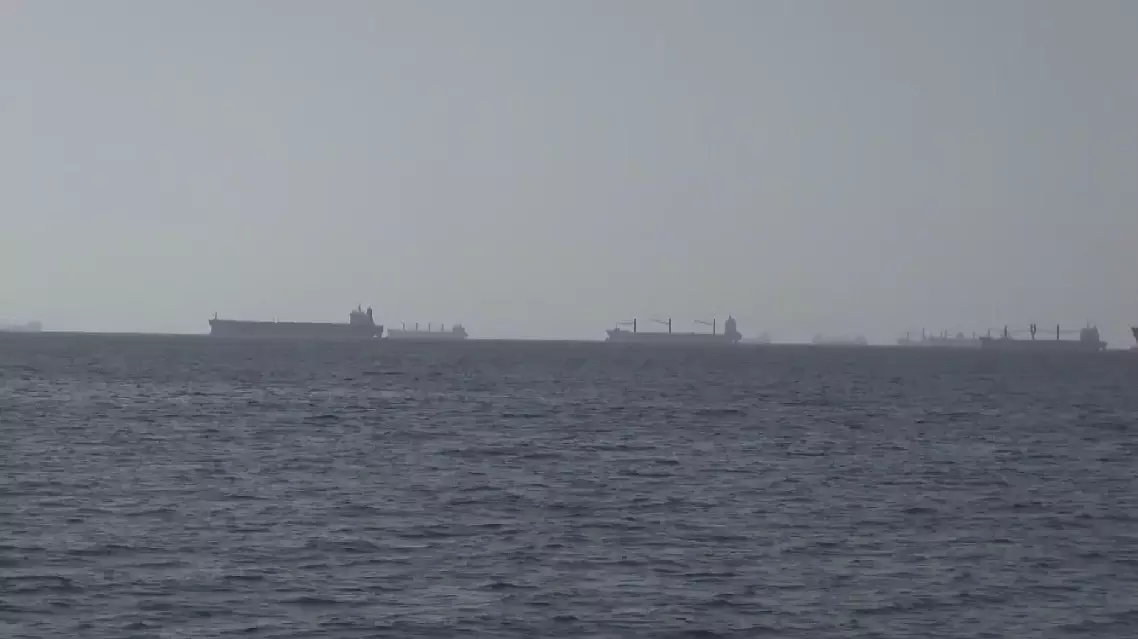
IMO urges ships near Strait of Hormuz to be on maximum alert