Classes have been suspended and trapped workers were saved as downpours from Typhoon Trami impacted inland counties in China's southernmost island province of Hainan.
Trami, the 20th typhoon of the year, made landfall in Vietnam on Sunday morning, causing significant disruptions and raising concerns over safety and flood risk on the island.
Due to heavy rainfall, the Baisha Li Autonomous County Education Bureau issued a notice on Tuesday, prompting all primary and secondary schools, as well as kindergartens in the county, to suspend classes starting Tuesday afternoon. The specific date for the resumption of classes will be announced later.
"During the class suspension period, we will require all schools and kindergartens to continue implementing various flood control measures to ensure the safety of individuals," said Mai Jiale, director of the elementary education office under the Baisha Li Autonomous County Education Bureau.
In Tunchang County, heavy rainfall has resulted in significant flooding, submerging roads in several towns.
On Tuesday afternoon, the local fire department rushed to carry out a rescue operation after receiving an emergency call about 14 workers trapped by the rising waters.
"We measured the water depth with a pole and found it to be more than two meters—almost three meters—while the 14 trapped workers were standing on the shelves of the warehouse. The situation is urgent, as the water current is very strong, making it difficult for our boat to maintain a steady position," said Mo Xiqian, deputy head of a local fire rescue station.
All trapped workers were evacuated to a safe place.
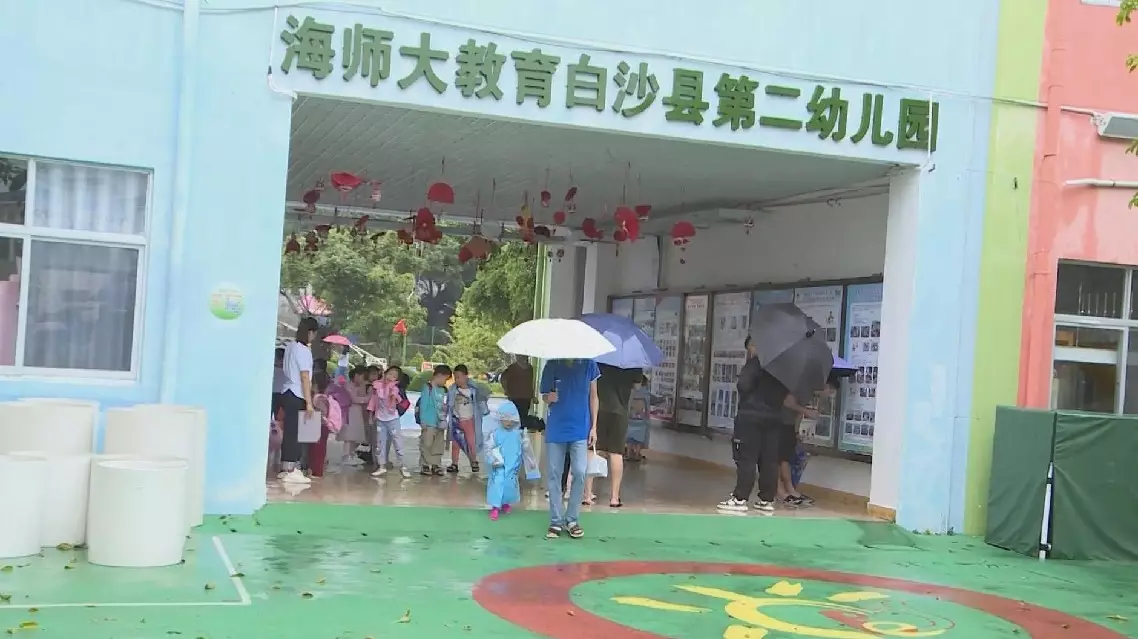
Classes suspended, trapped workers saved in Hainan amid downpours brought by Typhoon Trami
South China's Guangdong is seeing a surge in winter tourism, as visitors from around the world flock to the province, drawn by its mild climate, supportive travel policies, and increasingly diverse tourism experiences.
One of Guangdong's most popular winter attractions is its hot springs. Just an hour's drive from Guangzhou city proper, Conghua District is home to what are known as the "rare hot springs", naturally rich in radon, which is believed to offer health benefits. For many visitors, these natural, mineral-rich waters provide a welcome escape from colder temperatures.
Guangdong is home to many hot spring resorts. And the business model is clearly evolving. They are not just selling the views, they are selling the whole experience.
Dusit Devarana Hot Springs and Spa is China's first hot spring joint venture, backed by state-owned investors and run by a premium resort group from Thailand.
"It's peaceful, the air is clear, the water is nice — it feels like Southeast Asia," said Mrs. Ye, a tourist in the resort.
That Southeast Asian influence is evident in both the service and the Northern Thai-style architecture, with custom-made decorations imported straight from the Land of Smiles.
For travel agencies, a warm winter is reshaping demand — with families and group travel leading the way.
Tourists now prefer hotels with shared spaces for gatherings, said Che Qianhui, marketing director of local travel agency Day Day Holiday. Government consumption vouchers are also driving demand, Che said. The top voucher offers 300 yuan off a 1,500-yuan purchase, including some hotels — and they're usually snapped up within five minutes, she added.
The resort is expected to receive large crowds during the upcoming Spring Festival, which falls on February 17, 2026.
"During the Spring Festival, we expect occupancy between 90 and 100 percent. Over the New Year holiday, our rooms were fully booked, with more than 700 visitors to the hot springs every day. We've added family activities and cultural experience offerings, moving beyond a simple health retreat. About 70 percent of new revenue now comes from regions north of the Yangtze River in China, and there are also international visitors from Europe, the Middle East, and Africa," said Shao Yingda, general manager of Dusit Devarana Hot Springs and Spa in Conghua.
To attract more tourists, Guangdong has issued 20 million yuan (2.9 million U.S. dollars) in vouchers. The wider ripple effect could generate around 200 million yuan in total economic activity.
However, vouchers and promotions can only go so far. Across China — and around the world — traditional tourism destinations face the same challenge: how to stay fresh, stand out from similar offerings, and remain competitive over time. That puts the focus on policy design, sustainability, and how to attract international visitors.
"Globally, when per capita GDP surpasses 10,000 U.S. dollars, it enters a leisure stage. Yet many tourism products still focus on traditional sightseeing. International tourists cannot simply be seen as an extension of domestic travelers. Domestic and international travelers have different needs, and destinations must offer customized, in-depth experiences to compete globally," said Li Yaoqi, professor and director of the Cultural and Tourism Consumption Research Center of Sun Yat-sen University.
With growing policy support for both domestic and international travel, this winter is shaping up to be more than just a seasonal getaway. It's also a test of how tourism adapts to changing demand.
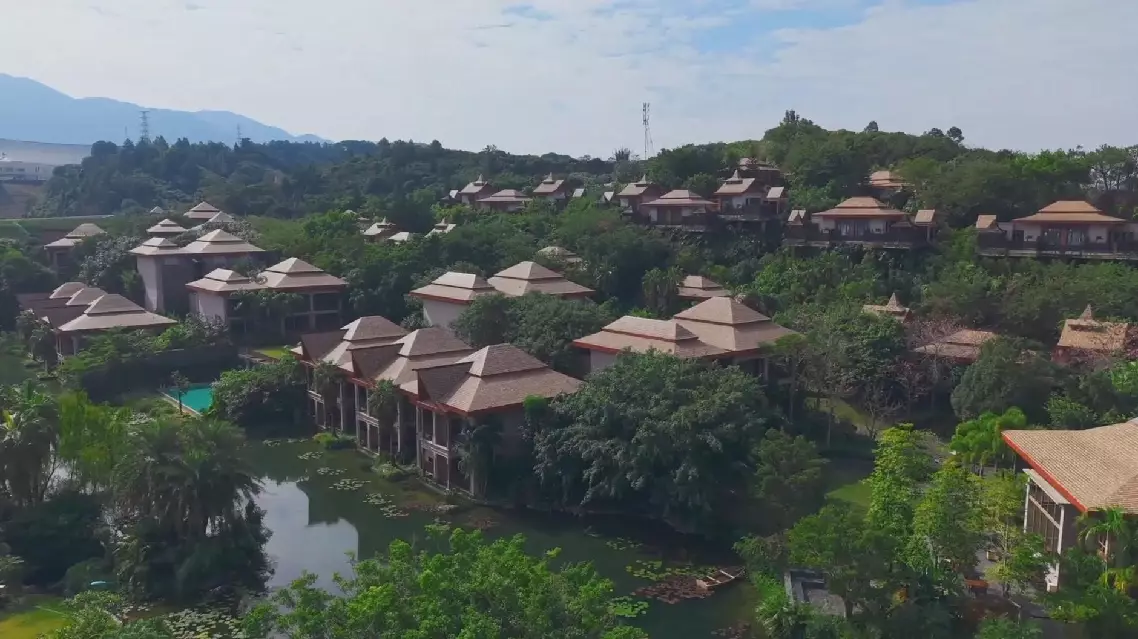
Mild climate, policy support, new experiences attract more tourists worldwide to Guangdong