Peruvians remain fiercely proud of their country's most famous furry friend, the alpaca, with the beloved mammal serving not only as a fluffy symbol of the South American country's culture and traditions, but also deeply intertwining with its economy.
Known as a national treasure, images of the alpaca appear everywhere in Peru, with the popular creature featuring on items of clothing and being a favorite cuddly stuffed animal toy. Its close cousin, the vicuna, even adorns Peru's coat of arms.
Native to the Andes mountains in Peru's highlands, alpaca are highly prized for their fleece, which are used to make everything from simple ponchos to high fashion garments.
At Mundo Alpaca, a small museum and boutique in Peru's capital Lima, the displays tell the story of the camelid herbivore and the people who raise them. While exposing the history and tradition of the alpaca industry in the country, the museum also promotes the textile richness of Peru and the Andes.
Another reason the animal is so revered is for its cherished fleece. With more than 20 natural colors, alpaca wool offers many product options, as well as being a very practical clothing option, especially in the colder climates.
Museum manager Eduardo Ruiz pointed out one eye-catching poncho which he said is truly suitable to be worn in all seasons.
"This is very soft and it's warm, because Alpaca lives in the highlands. So it could be for all [seasons]. It adapts to all the weathers, so it could be ready for winter, for summer," he said.
The alpaca industry is a major economic force in Peru, with exports last year totaling more than 200 million dollars, with China, Italy and the United States serving as the top export destinations.
The South American country accounts for about 80 percent of the total global alpaca fiber production, helping support the livelihoods of more than 80,000 Peruvian families, including many ranchers who reside in the highlands.
"The people in the highlands sell the alpaca [fiber], so we can use it. So it's like, we are helping each other," said Ruiz.
But the alpaca offers more than just a series of highly-sought after products, it is also seen as the central symbol of Peru's heritage, and remains a source of great national pride, according to Ruiz.
"When you use and you wear alpaca, it is something that you are very, very proud of here," he said.
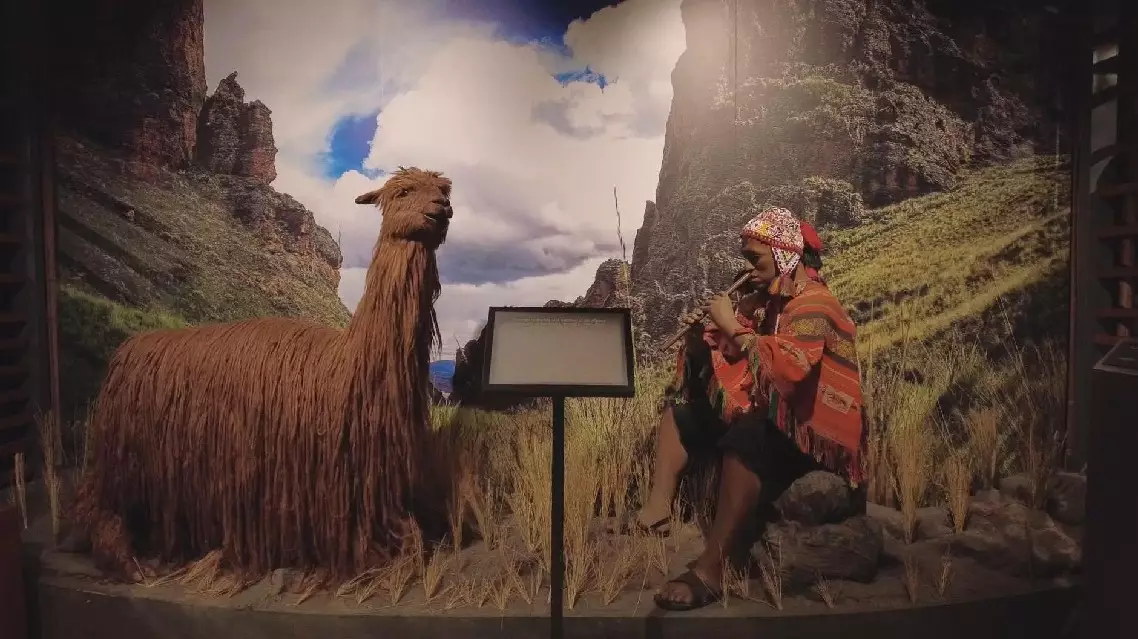
Peru's beloved Alpaca plays vital role in country's culture, economy

A veteran agricultural scientist and deputy to the National People's Congress (NPC), China's national legislature, shared his decades-long mission to reduce the country's reliance on food imports and safeguard its food security by developing high-yield, disease-resistant wheat varieties.
Gao Derong, a researcher from the Lixiahe Regional Institute of Agricultural Sciences in east China's Jiangsu Province, detailed his relentless pursuit of better wheat varieties while taking a question at a press conference on the sidelines of the ongoing "two sessions", a major event in China's political calendar.
He has dedicated more than 30 years to wheat breeding and succeeded in the fight against Fusarium head blight, a serious fungal disease of cereals, including wheat and other small-grain crops, by implanting "disease-resistant genes" inside seeds.
"After 30 years of countless and repeated trials, we finally developed our first Fusarium head blight resistant variety in 2021. It exhibits strong disease resistance and high yield, with a yield of up to 600 kg per mu (0.066 hectare) in a demonstration plot. This means farmers can use fewer pesticides, produce more wheats, and secure a more stable harvest," said Gao.
Addressing the tight rotation schedule in the rice-wheat rotation system in south China, his team developed time-smart varieties like "Yangmai 25," which can be sown as late as December and still achieve a yield of 6,00 kg per mu.
"We have also cultivated a high-quality weak-gluten wheat variety tailored for biscuits and pastries, reversing China's long-standing reliance on imports. These grain varieties, like elite guard teams, help us hold our rice bowl firmly and contribute to securing our food security," Gao said.
As an NPC deputy, Gao extends his research from the lab to the field, gathering farmers' concerns alongside experimental data.
"My duty as a deputy is also written in the fields. 'Can we construct high-standard farmland at an accelerated pace?' 'Can we have more targeted agricultural subsidies?' These are the voices I often heard in the fields, which I carefully recorded like experimental data and transformed into suggestions," he said. Gao said he will continue working to enable the land to yield more grain, help farmers increase their incomes, and contribute to ensuring national food security.
This year's "two sessions," the annual meetings of China's top political advisory body and national legislature, opened in Beijing Wednesday and Thursday, respectively. As the world's second-largest economy embarks on the inaugural year of its 15th Five-Year Plan (2026-2030) period, these gatherings will serve both as a review of past achievements, and as a strategic compass guiding the nation's future development.
NPC deputy vows to fortify China's food security through seed innovation