Chinese businesses are exploring new opportunities for inclusive growth in emerging markets like Latin America, as global business leaders gathered in Peru for the Asia-Pacific Economic Cooperation (APEC) CEO Summit this week.
This year's APEC CEO Summit took place in Lima from Wednesday to Friday, bringing together over 1,000 chief executives, thought leaders, and government representatives to share insights and exchange views on the region's economic development under the theme "People, Business, Prosperity."
Wang Yangbin, chairman of Vobile Group, a global leader in digital content protection, launched a startup in Silicon Valley and has since established a strong foothold in the U.S. market. Now, despite rising protectionism in the world, he is advocating for the expansion of Chinese media industry into new markets to achieve inclusive growth and unlock more potential.
"China is at the forefront of many technological fields globally. As for inclusive growth, in a global media landscape, I believe Chinese media deserves greater inclusiveness, broader market access, and more value in the world," said Wang, in an interview during the summit.
Wang also sees potential for intellectual property protection businesses in Latin America, as the Chinese media industry continues to expand and grow in the region.
"Intellectual property protection is a globally recognized principle, with the industry valued at nearly 3 trillion U.S. dollars worldwide, (partly driven) by the huge media industry. Chinese companies in this field are actually developing well in Latin America and countries along the Belt and Road Initiative," he said.
Ten years ago, Chinese Presdient Xi Jinping first proposed the vision of building a China-Latin America community with a shared future, charting the course for the development of China-Latin America relations in the new era.
The vision has pointed the way forward for deepening ties between China and the region. Reflecting on his business growth overseas, Wang shared his thoughts on the importance of openness, inclusiveness, and mutual interest in following such a vision.
"Sometimes, it's important for our company to align with the bigger picture. Every industry has its own path, but I believe the path we're on is mainly tied to the peaceful rise of the Chinese nation. As China rises, we have the opportunity to trade with many countries for mutual benefit. As a beneficiary of China's reform and opening-up, I’m confident in opening our business to the world. There are people who share our vision and are willing to grow with us, benefiting together," said Wang.
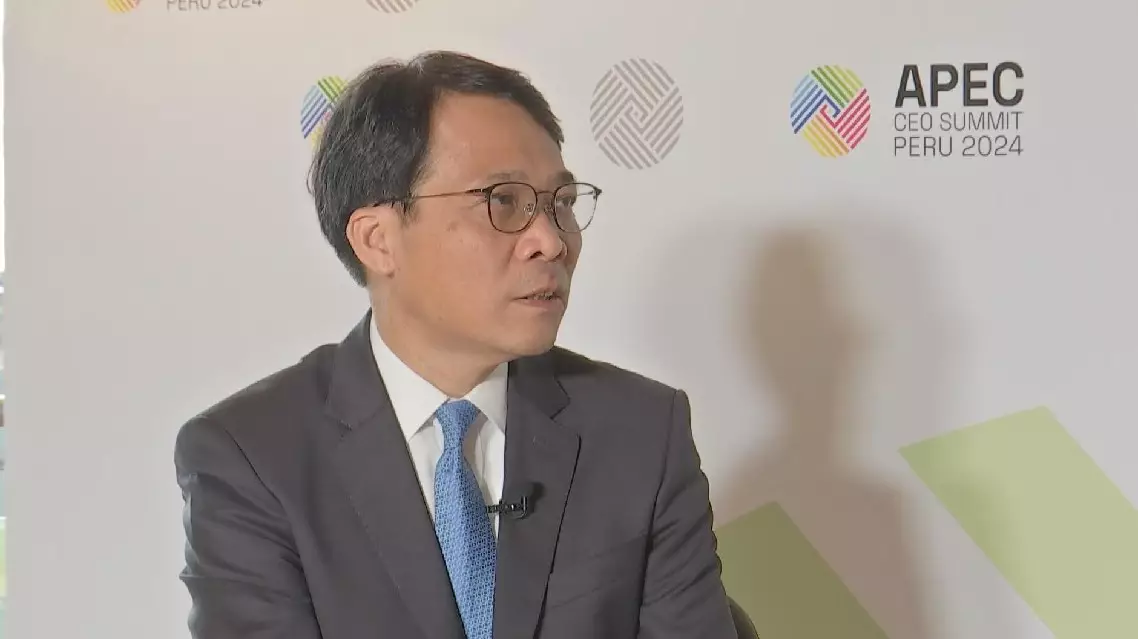
Chinese entrepreneur eyes inclusive growth in Latin America
China will continue to implement a series of more proactive and effective macro policies in 2026 to keep driving the country's economic development, said one of the drafters of the government work report, which was submitted Thursday to the country's top legislature for deliberation.
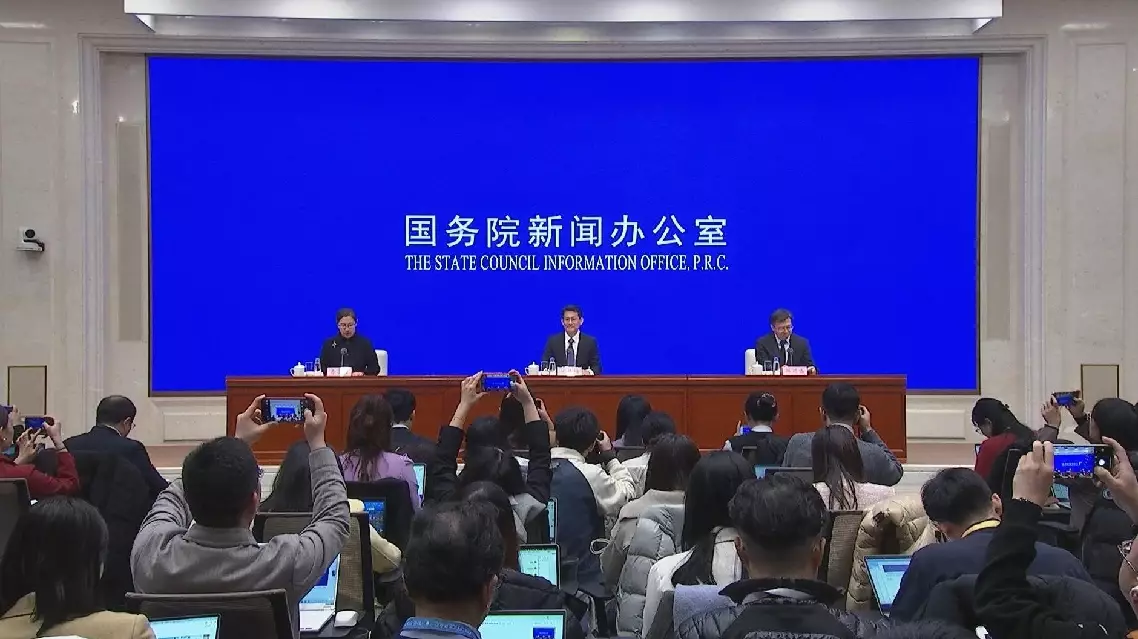
Chen Changsheng, also deputy director of the Development Research Center of the State Council, made the remarks at a press conference held in Beijing on Thursday.
Chen said one of the reasons for continuing implementing more proactive and effective macro policies is to respond to the external environment.
In 2026, China is facing significant uncertainty both at home and abroad, and the country is also confronting strong supply and weak demand, with a gap in its aggregate demand remaining, he said.
Chen said it is necessary for the country to step up policy adjustment and use the certainty of macro policies to offset the uncertainty.
"Compared with other countries around the world, China's overall government debt ratio, particularly that of the central government, remains relatively low. There is still room for cuts in required reserve ratios and interest rates. Besides, there is also room for innovation in the policy mix. At the same time, continuing these policies also aims to send a signal to the society of continuing regulation through macro policies," said Chen.
Chen said China's macro policies will be implemented with greater intensity and wider scope in 2026.
"The deficit-to-GDP ratio remains at 4 percent, a relatively high level in history. The net increase in the deficit stands at 230 billion yuan (over 33 billion U.S. dollars). The scale of newly added government debt comes in at 11.89 trillion yuan, also a record high. Additionally, this year's general budget is expected to exceed 30 trillion yuan. More importantly, its net increase will reach 1.27 trillion yuan. All these demonstrate the stability of our macro and fiscal policies. Similarly, monetary policy will continue to be appropriately accommodative. Besides, we will flexibly employ policies such as cuts to required reserve ratios and interest rates to ensure ample liquidity. We will also implement policies such as policy-based monetary and financial tools with greater intensity and wider scope, with an aim to reduce financing costs across the whole society and support the real economy," said Chen.
The macro policies will also be more targeted and effective, he said.
"In terms of fiscal policy, special emphasis has been placed on deepening zero-based budgeting reforms, with the inefficiently and poorly used funds to be reallocated to more effective areas. The reform had been implemented for a period of time last year and had achieved some results. This year, efforts will be intensified. Additionally, we will further optimize the expenditure structure and make better use of existing funds to boost consumption, invest in people, and increase spending in people's wellbeing. Structural monetary policies will be improved to support small and medium-sized enterprises (SMEs), tech enterprises, and the expansion of domestic demand," said Chen.
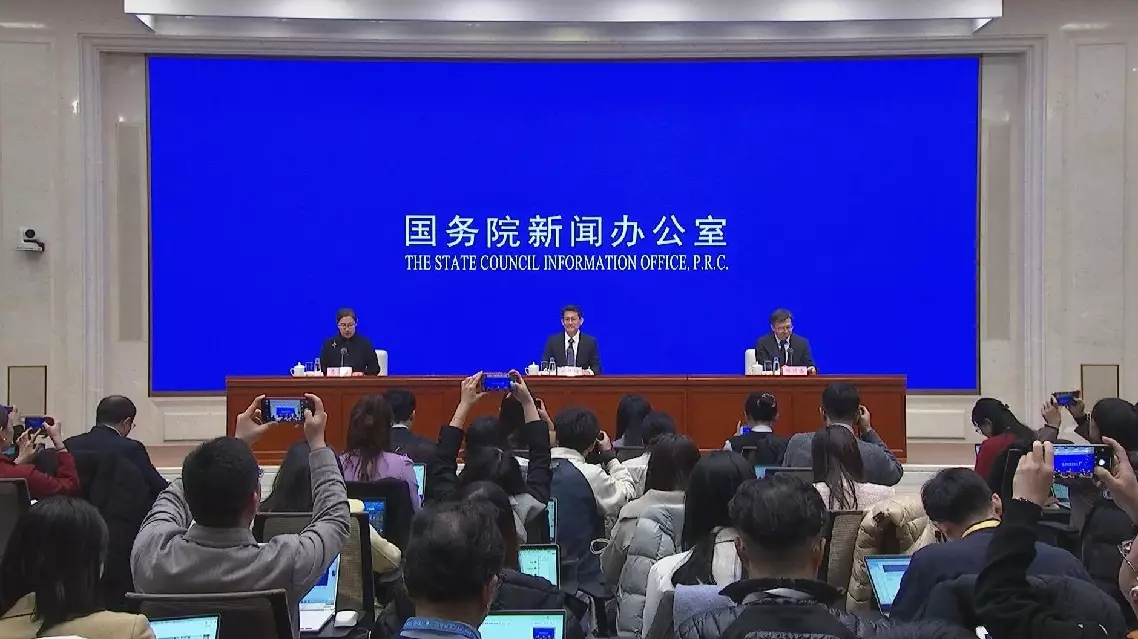
China to continue implementing more proactive, effective macro policies to drive economic growth in 2026: official
China to continue implementing more proactive, effective macro policies to drive economic growth in 2026: official