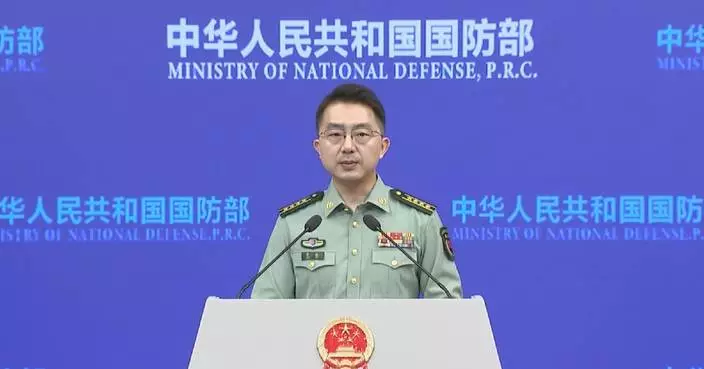
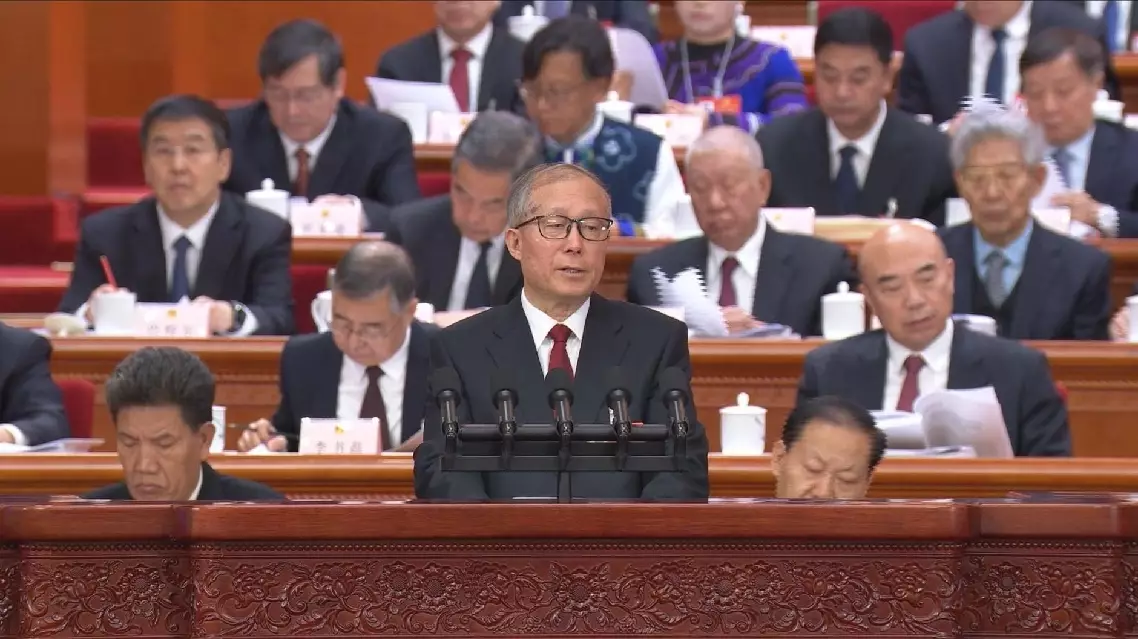
Li Hongzhong, vice chairman of the National People's Congress (NPC) Standing Committee, on Thursday delivered explanatory remarks on a draft law on promoting ethnic unity and progress submitted to the fourth session of the 14th NPC for deliberation.
He stressed that the draft law aims to lay a solid legal foundation for forging a strong sense of community for the Chinese nation, which is of vital importance to promote ethnic unity and mobilize people of all ethnic groups to build a great country and advance national rejuvenation on all fronts through Chinese modernization.
The draft law adopts a unique "preamble plus seven chapters" structure, comprising a total of 64 articles. Its chapters cover general provisions, building a shared spiritual homeland, promoting interactions and integration, driving common prosperity and development, safeguards and supervision, legal responsibilities, and supplementary articles.
The draft law has undergone two rounds of deliberation by the 14th NPC Standing Committee in September and December 2025.
China's top legislature opened its annual session on Thursday morning at the Great Hall of the People in Beijing, with Chinese President Xi Jinping and other Party and state leaders present alongside more than 2,700 NPC deputies. This year's NPC session is scheduled to run till March 12.
China's draft law on promoting ethnic unity, progress submitted to NPC annual session for deliberation
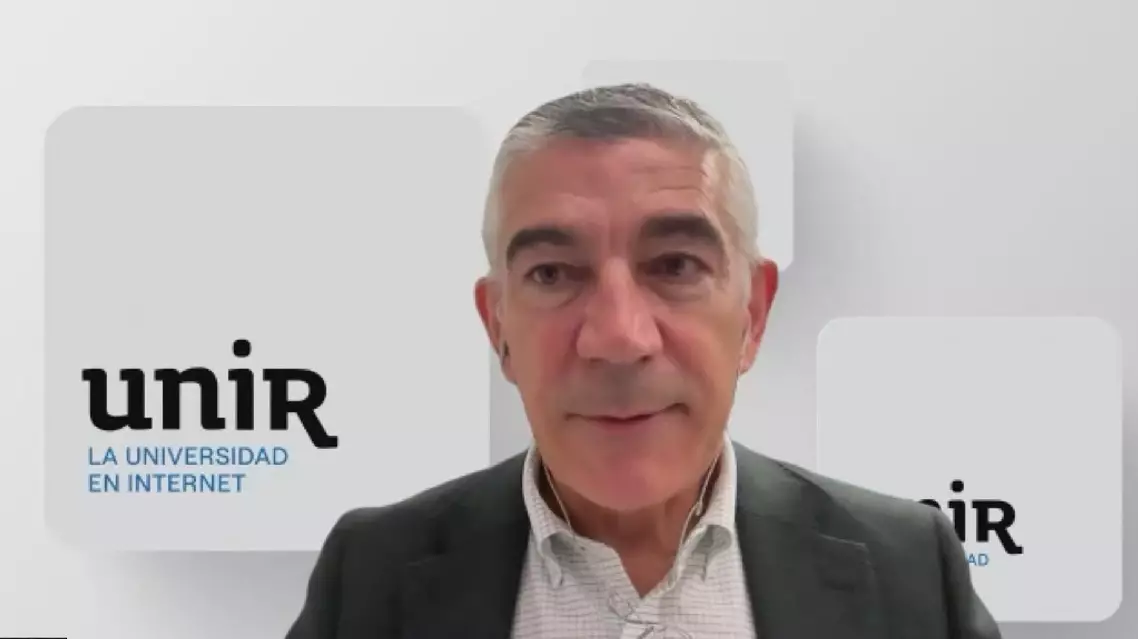
A Spanish infectious diseases expert on Friday downplayed the risks of large-scale spreading of the deadly hantavirus, citing the current situation and precautionary measures already taken to prevent further outbreaks.
The Dutch-operated, hantavirus-hit expedition cruise ship MV Hondius is currently heading toward Spain's Canary Islands, following a rare outbreak that has resulted in three deaths. At least five cases of hantavirus have been confirmed out of eight suspected cases.
The strain is identified as the Andes virus, which is notable because it is known to spread between humans.
Vicente Soriano, the expert, said the virus can spread relatively easily in confined environments such as cruise ships. However, he added that the Spanish government's decision to bring the vessel to the Canary Islands and impose strict quarantine measures upon arrival is currently the best way to control its spread.
Health authorities in the Canary Islands have been placed on standby and have designated specific medical reception areas.
"It is difficult to predict what will happen after they arrive in the Canary Islands, or how many people are infected. But what we do know is that this is not expected to trigger an emergency outbreak. Among the few cases, there may be some asymptomatic individuals, and what will need to be done then is to place them in isolation," said Soriano.
Soriano believes it is unlikely that the outbreak will escalate to a state of emergency, as hantavirus is not entirely unknown and infection typically requires close contact with patients showing severe symptoms. Once cases are identified, they should be promptly isolated to effectively prevent the virus from spreading.
"The confirmed patients have already been evacuated and sent back to their home countries. Asymptomatic individuals will be taken to medical centers or hotels for nasal swab and blood tests. If they remain in good health after one week, with no fever and normal test results, they will be sent back to their places of residence in Spain or their countries of origin. I believe these measures are the right approach to prevent further spread of the outbreak and to bring it under control," he said.
Hantavirus is primarily transmitted to humans through contact with infected rodents such as rats and mice. Infection can occur through inhaling contaminated dust, touching contaminated surfaces, or exposure to rodent droppings. In rare cases, certain strains, such as the Andes virus, can spread between humans through close contact.
Large-scale hantavirus outbreaks unlikely: expert