Concerns over the risks posed by artificial intelligence have loomed large over a U.S. trial pitting Elon Musk against Sam Altman, co-founders of OpenAI, even as the court has focused on a business dispute rather than the technology itself.
The trial centers on OpenAI's 2015 founding as a nonprofit that later evolved into a for-profit venture.
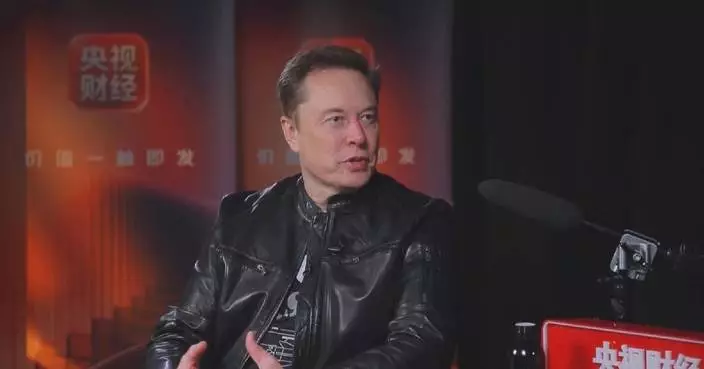
Musk, co-founder of OpenAI, filed the case in August 2024, accusing his fellow co-founder Altman of breaking promises to keep the company a nonprofit. Musk is seeking 150 billion U.S. dollars in damages and the removal of Altman and Greg Brockman, another OpenAI co-founder and president of the company.
Altman, in turn, accused Musk of trying to hobble the ChatGPT maker for the benefit of his own AI company xAI.
In week two of the trial in Oakland, California, Brockman disclosed his stake in OpenAI is now worth nearly 30 billion dollars, while facing questions over financial ties to Altman.
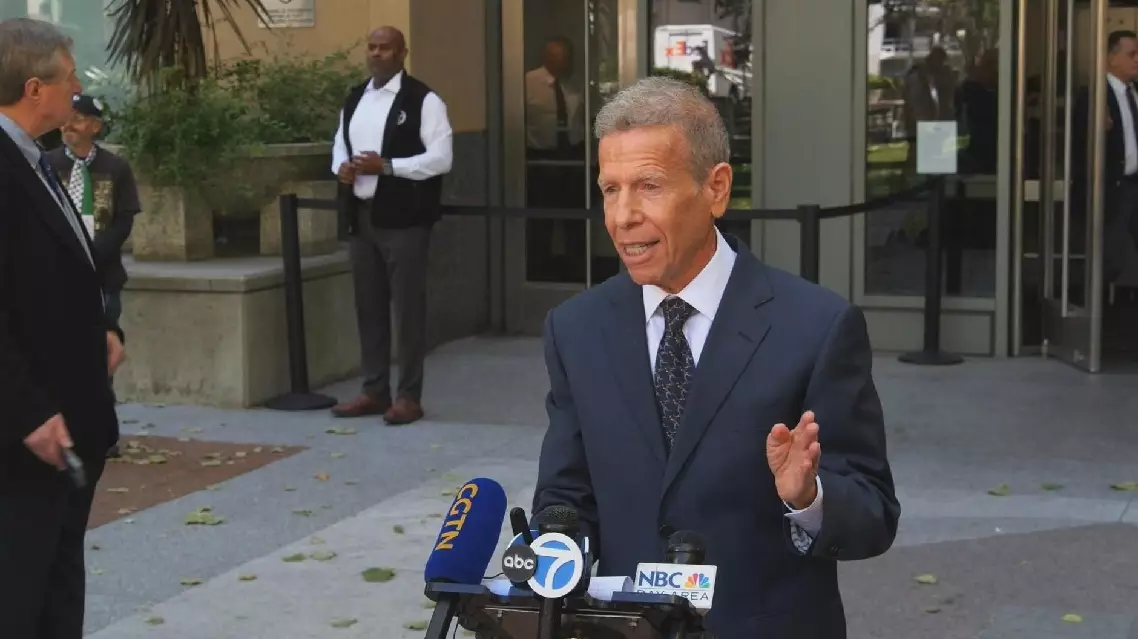
"In 2024, they decided to increase the share of all the other profit participants, including employees like Greg Brockman and we presume to be Sam Altman in the future by 20 percent annually. The chance of the nonprofit ever receiving that residual slice is almost non-existent," said Musk's attorney Marc Toberoff.
When asked whether only a minute fraction of profits is going toward OpenAI's nonprofit business, OpenAI's attorney bristled.
"It's an enormous, absolute amount of value that's been created for the nonprofit -- 200 billion dollars and counting. And what's important and what's missed in the rhetoric of our adversary is that that value could not have been created, but for the steps that have been taken in connection with the for-profit project," said William Savitt, the attorney representing OpenAI.
Outside the courthouse, the group StopAI held a mock-funeral, citing names of children who they say were harmed using ChatGPT, as well as highlighting workers who they say will lose their jobs due to the technology.
"I actually hope that Musk wins. And if he does win, because that's going to help dampen OpenAI, which is far ahead of xAI," said Phoebe Thomas Sorgen, the protest organizer.
Musk invested roughly 40 million dollars in OpenAI and was on the board, but according to Brockman's testimony, angrily stormed out when he was told others would not agree to his demand for control of the company.
OpenAI also alleges Musk was well-aware of plans for for-profit restructuring.
"Another damaging moment is there was actually a document in 2017, which outlined the restructuring and mentioning for-profit structure. And they ask him why did you sign it? He was like, 'Oh I looked at it very carefully. I scanned through it and I didn't pay attention to the details,'" said Ahmed Banafa, author of "Artificial Intelligence in Operations".
Banafa said that Musk has so far given only 0.06 percent to charity of his estimated 800 billion dollar net worth.
That's why he finds it hard to believe Musk's noble claim: OpenAI is stealing from a charity, so he'll use his lawsuit winnings to protect OpenAI's original nonprofit mission.
"There's so many companies that are looking at this, especially startup, and see this trial. So can somebody come from outside and change the structure of my company and fire the top two officers in my company," said Banafa.
Altman has yet to take the stand, but is expected to testify in the next week or two before the trial wraps up. The case will then go to deliberations by a nine-member jury. But their verdict is merely an advisory one. Ultimately, the judge will make the final ruling on who should be held liable and if monetary damages or remedies are required.
AI risks loom as Musk takes OpenAI to court