The World Food Programme (WFP) has urged safe passage for food aid to Sudan's North Darfur and South Kordofan states, which are experiencing most fierce conflict, massive displacement and looming famine.
For the first time in months there are multiple WFP convoys of food aid heading to Zamzam in North Darfur, where famine was confirmed, and Kadugli in South Kordofan, according to a statement released by the WFP on social media on Thursday.
Sudan has been gripped by a devastating conflict between the Sudanese Armed Forces and the Rapid Support Forces (RSF) since mid-April 2023.
The government said on Wednesday that 28.9 million people in Sudan need humanitarian assistance due to the ongoing civil war, among whom 16.9 million are in need of life-saving humanitarian assistance, requiring about 840,000 metric tons of assistance in the next two months.
Since April this year, both sides of the armed conflict in Sudan have engaged in a protracted struggle for control over North Darfur State, with the capital city, Al-Fashir, becoming the focal point of the dispute.
The ongoing fighting has resulted in a serious humanitarian disaster in the region. Both parties have repeatedly launched large-scale shelling in Al-Fashir city, causing significant damage to civilian infrastructure, including markets and residential areas, and resulting in numerous civilian casualties.
Most local medical facilities have ceased operations, leading to an extreme shortage of medical supplies. Many injured patients have lost their lives due to the inability to receive timely medical care.
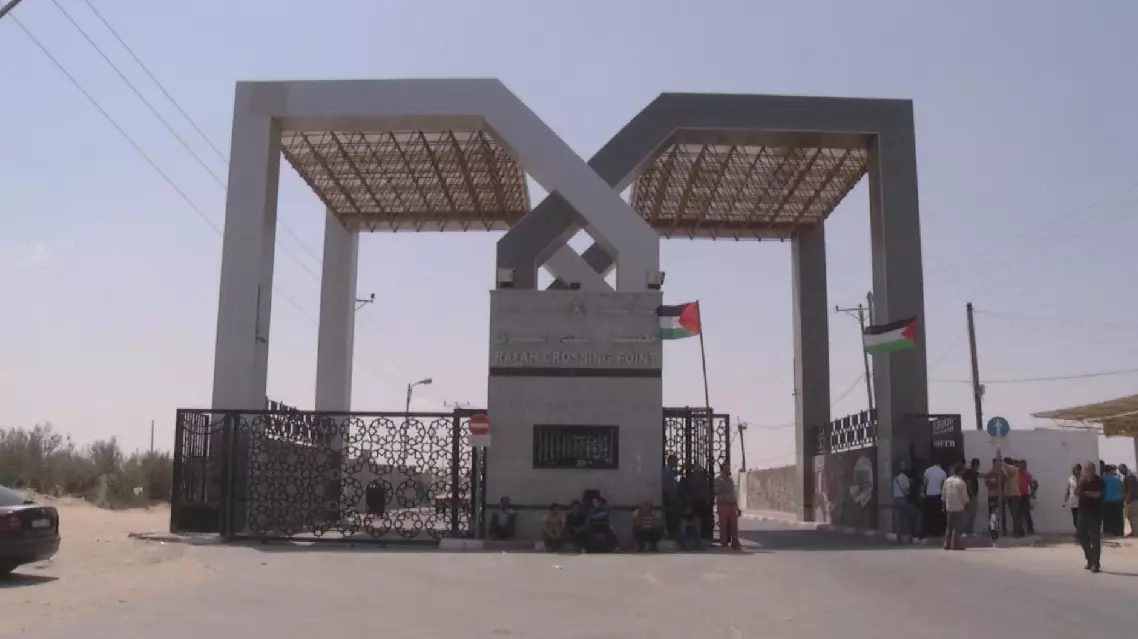
On Wednesday, the Sudanese government decided to extend the opening of the Adre border crossing with Chad for three months to facilitate the delivery of humanitarian aid to the war-affected population in the country.
"I lost my brother, my brother, until now I don't know where he died or not. I don't know where. And also I have [lost] my child. Until now I never see them, I don't know where. I ask the people [on the] Internet where is my family," a relocated Sudanese resident said while interviewed in a camp near Chad–Sudan border.
According to UN estimates, about 25.6 million people -- more than half of Sudan's population -- face acute hunger amid the ongoing conflict, including over 755,000 on the brink of famine.
Since April of this year, the conflict in Al-Fashir has displaced over 410,000 residents, while the total number of displaced individuals in the Darfur region exceeds 5 million.
Among them, approximately 700,000 have crossed the border into the neighboring Chad to seek refuge.
"Every one of us suffering and lost a couple of his family. Some of them are dead, some of them till now they didn't found where there. They didn't have something to eating or to drinking or to make themselves healthy and whatsoever. This is a major problem that we are suffering in this camp," another displaced Sudanese resident said.
According to the WFP's statement, the food assistance including nutritional supplies for children and other relief materials will be delivered to approximately 50,000 people.
"The message is these convoys have to reach their final destination. We have to get to these populations. We're asking everybody involved along those roads to give us free passage so that we can assist these populations," said Alex Marianelli, WFP's deputy country director in Sudan.
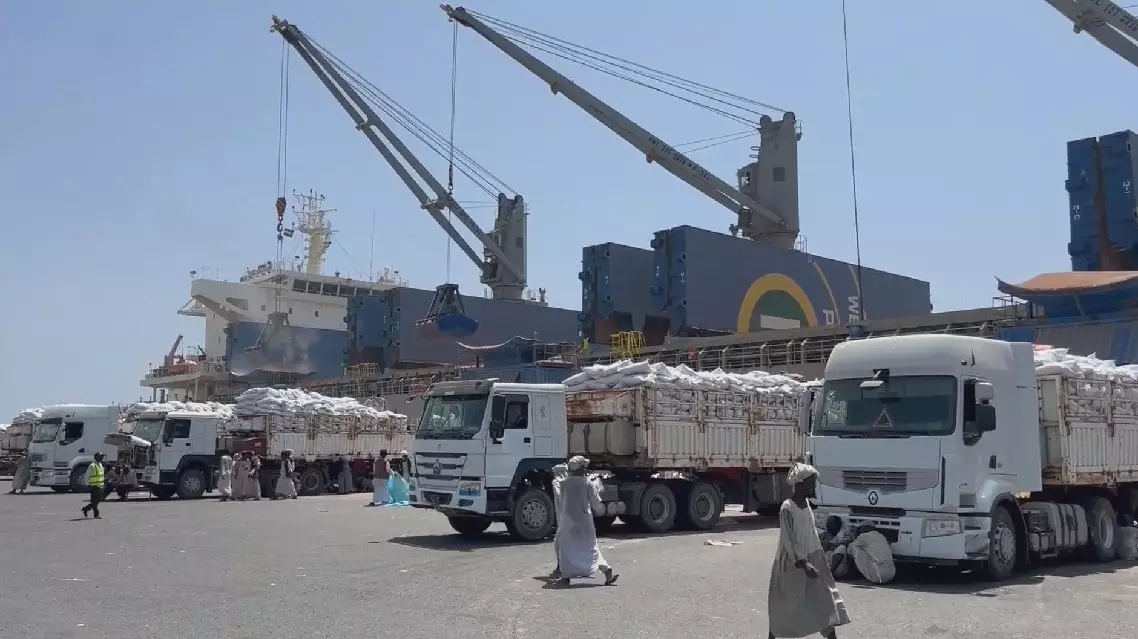
WFP urges safe passage for food aid to war-affected Sudanese states