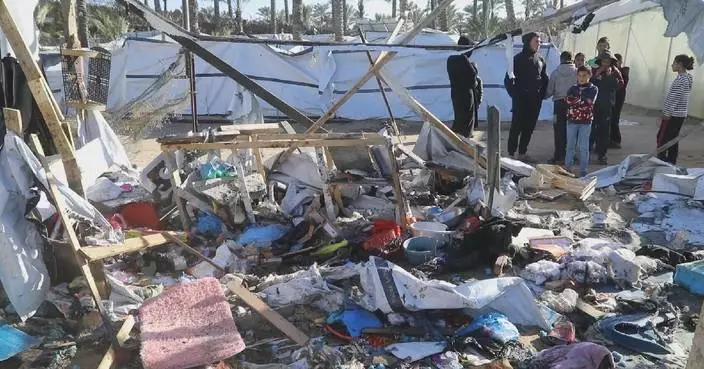
Japan's core consumer price index (CPI) for October, excluding fresh food, rose 2.3 percent from a year earlier, reaching 108.8, according to a report released by the country's Ministry of Internal Affairs and Communications on Friday.
This marks the 38th consecutive month of year-on-year increases since September 2021.
The report also revealed that price increases in three major consumption categories -- food, cultural and recreational services, and furniture and household products -- contributed 0.92, 0.39, and 0.18 percentage points, respectively, to the October CPI rise, becoming the main factors driving inflation.
Meanwhile, the rise in household electricity and gas costs continued to slow due to the government's reintroduction of the subsidy program.
Among the ten consumer categories tracked, only education services saw a slight year-on-year decline in prices, marking a unique deviation from the broader inflationary trend.
Some economists have noted that while the rice shortage in many parts of Japan this summer was alleviated by the arrival of new rice, prices remain high, significantly contributing to the rise in consumer prices.
Rice prices in October surged 58.9 percent year-on-year, marking the largest increase since comparable records began in 1971, according to data from the Ministry of Internal Affairs and Communications.
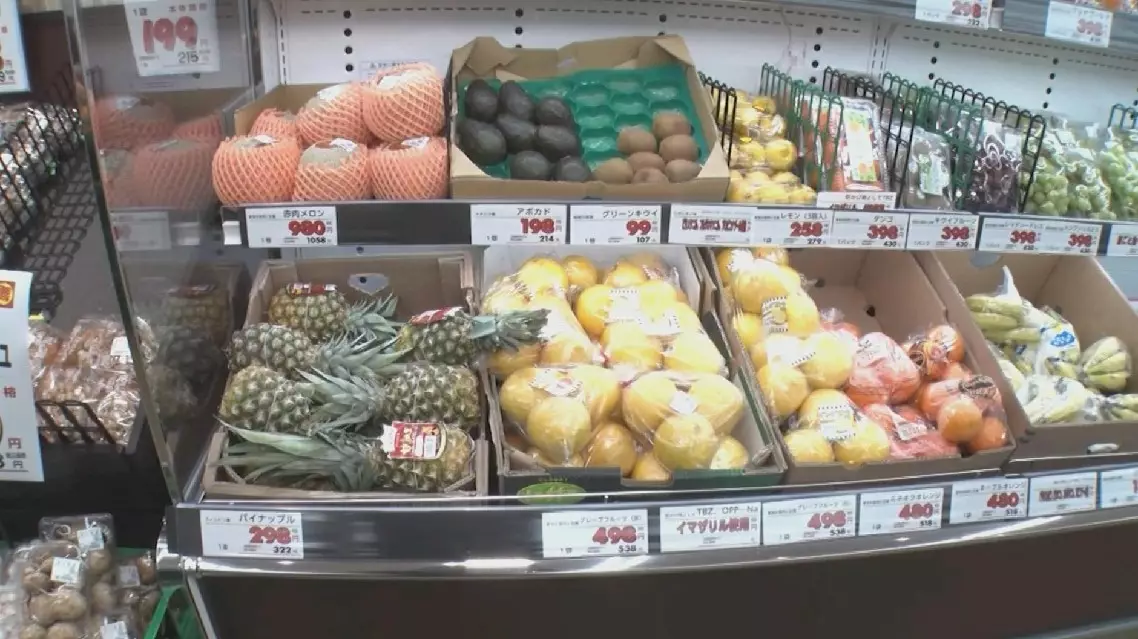
Japan's core CPI rises for 38th consecutive month in October
The second round of U.S.-brokered talks between Russia and Ukraine concluded in Abu Dhabi, the United Arab Emirates (UAE) on Thursday, with both sides agreeing to a large-scale prisoner exchange but failing to achieve substantive breakthroughs on core issues such as territorial arrangements and a ceasefire.
According to Ukraine, the talks were conducted trilaterally before moving to group consultations. Ukraine's National Security and Defense Council Secretary Rustem Umerov said the Ukrainian delegation sought a "dignified and lasting peace," without disclosing specific outcomes.
Kyrylo Budanov, the head of Ukraine's presidential office, said the trilateral negotiations had been truly constructive, thanking the U.S. and the UAE for their mediating roles.
Russia's presidential special envoy Kirill Dmitriev said on Thursday that there was progress and a positive movement forward in peace talks with Ukraine.
The talks ended with no joint political or security statement, underscoring persistent differences between Russia and Ukraine on key matters, including territorial disputes, ceasefire arrangements, and security guarantees.
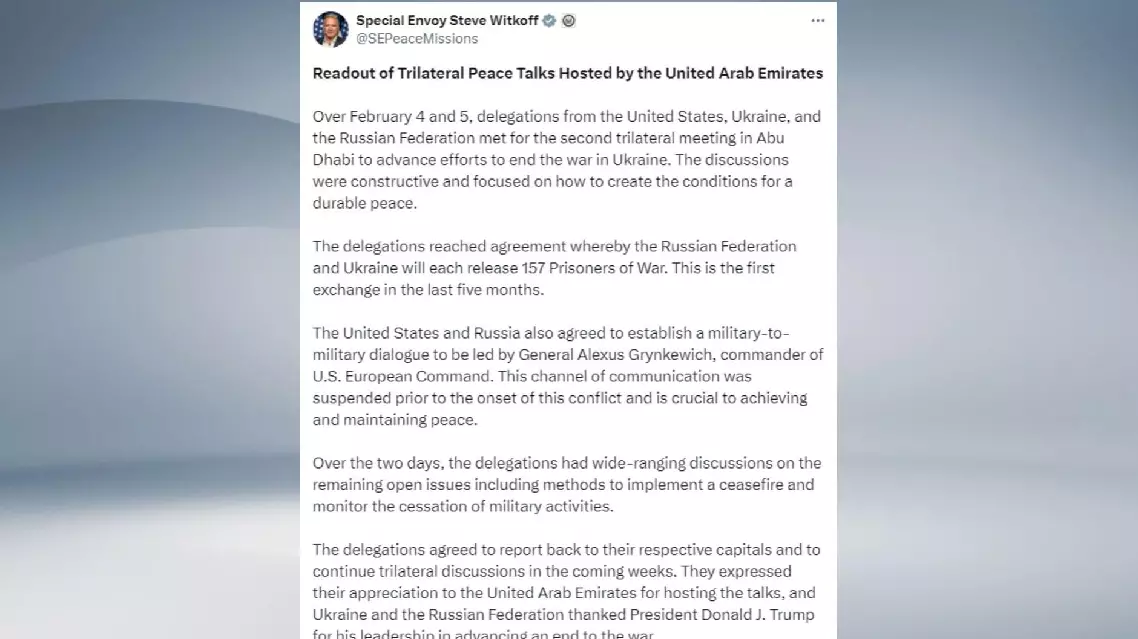
U.S. President Donald Trump's special envoy Steve Witkoff said representatives from the three countries reached a consensus on a prisoner swap.
In a readout of the talks he posted on social media, Witkoff described the discussions as constructive and focused on how to create the conditions for a durable peace.
The delegations had wide-ranging discussions over the past two days on the remaining open issues, including methods for implementing a ceasefire and monitoring the cessation of military activities, according to Witkoff.
He added that the United States and Russia had agreed to establish a military-to-military dialogue to be led by commander of U.S. European Command Alexus Grynkewich.
Following the talks, Russia and Ukraine conducted their first large-scale prisoner exchange in nearly five months, with each side returning 157 detainees. Ukrainian President Volodymyr Zelensky said those released included both military personnel and civilians.
Zelensky also said Thursday that the next peace talks with the delegations of the U.S. and Russia will be held soon. "Further meetings are planned in the near future, likely in the United States," Zelensky said in his evening address.
However, no timetable or arrangements for a next round of talks were announced, highlighting continued uncertainty in the political settlement process.
The second round of talks began on Wednesday. The previous meeting of the trilateral working group on security issues took place from Jan 23 to 24 in Abu Dhabi. It marked the first trilateral engagement since the escalation of the conflict in February 2022, although no concrete agreement or joint statement was announced afterward.
In a statement issued earlier, the United Arab Emirates (UAE) Ministry of Foreign Affairs welcomed cooperation between Russia and Ukraine on the prisoner exchange, saying it demonstrated the UAE's role as a reliable mediator in easing the crisis and promoting constructive dialogue.
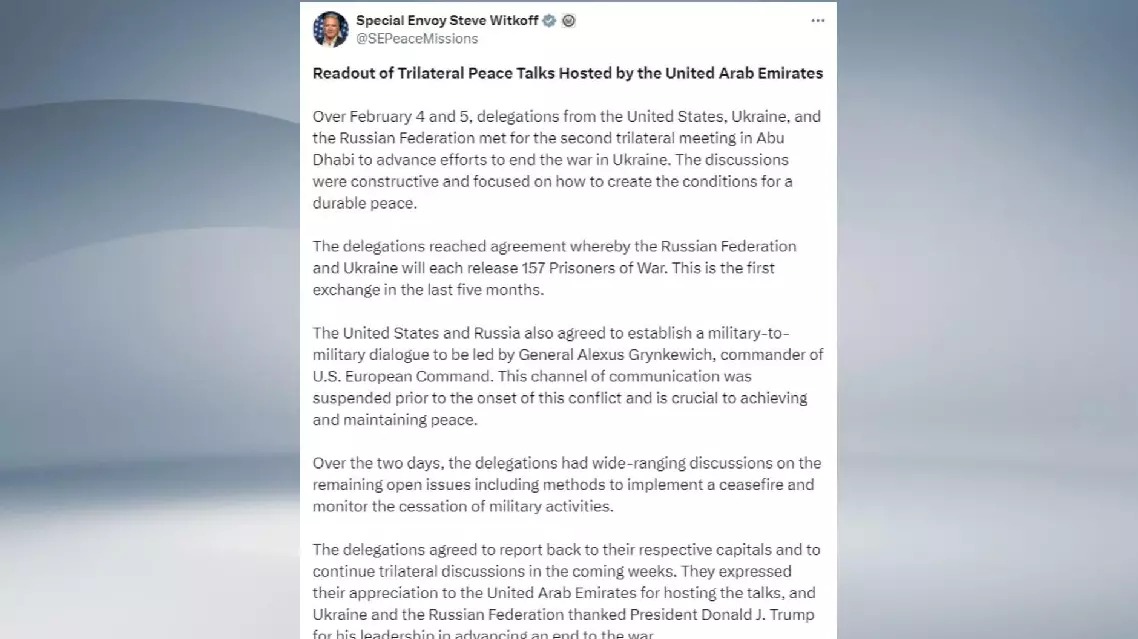
2nd round of Russia-Ukraine talks ends in UAE with prisoner swap deal, key differences unresolved
2nd round of Russia-Ukraine talks ends in UAE with prisoner swap deal, key differences unresolved