Skip to Content Facebook Feature Image

China unveils list of 236 Soviet Union aviation martyrs during WWII

China

China

China

China unveils list of 236 Soviet Union aviation martyrs during WWII

2024-11-23 17:34 Last Updated At:20:47

China on Friday released a list of 236 Soviet Union aviation martyrs who gave their lives during the Chinese People's War of Resistance Against Japanese Aggression, according to the Nanjing Anti-Japanese Aviation Martyrs Memorial Hall in east China's Jiangsu Province.

Published on the official website of the Dr. Sun Yat-sen Mausoleum Administration Bureau, the list discloses the names, military positions and dates of birth and death of these Second World War martyrs.

After Japan's full-scale invasion of China in 1937, the Soviet Union was at the forefront of aiding China in air battlefields. Together with the Chinese, they fought against the invading Japanese forces, forging a deep bond through mutual support and friendship. Over 200 Soviet fighters sacrificed their lives on Chinese soil.

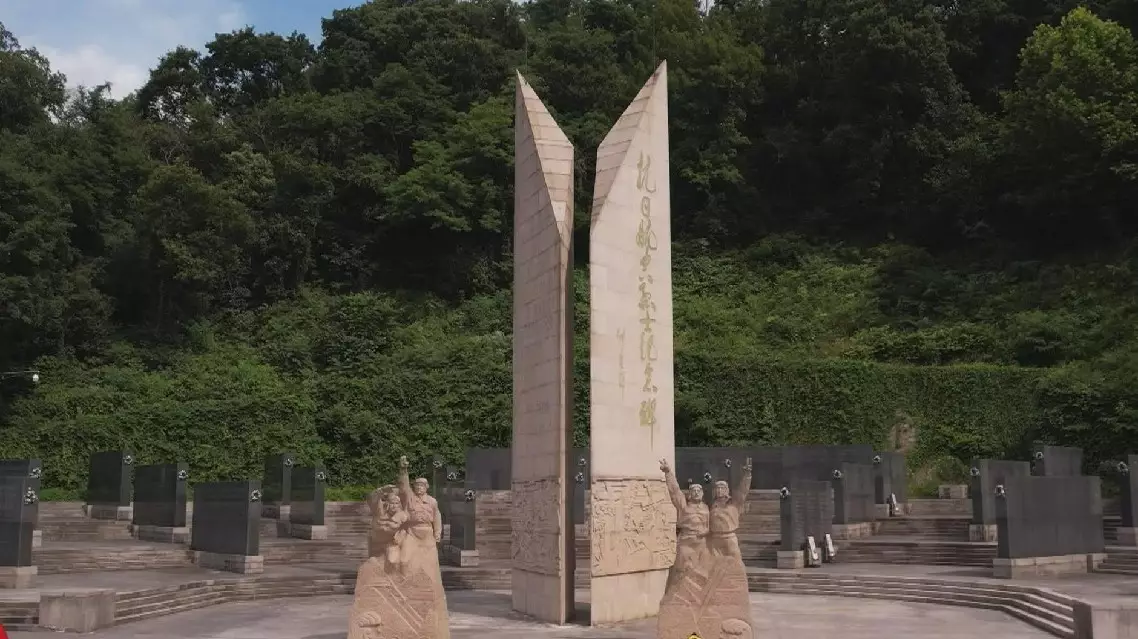
Currently, the names of 236 of these heroes are engraved on the monument in the Nanjing Anti-Japanese Aviation Martyrs Memorial Hall. The list was compiled and confirmed in 1995. However, information on most of them remains scarce due to limited historical records.

"We hope to harness the power of various sectors of society to help us gather more information about Soviet Union aviation martyrs. This will assist us in identifying those heroes who are currently not recognized on the memorials," said Dou Ruoqi, a staff member at the memorial hall.

In April, the memorial hall published information about 1,468 Chinese aviation martyrs. After verification and comparison, the information concerning 18 of them has been corrected.

In September, the memorial hall published a list of 2,590 American aviation martyrs during the war and added the name and information of an American pilot who died in China.

The Nanjing Anti-Japanese Aviation Martyrs Memorial Hall is the first memorial hall in China dedicated to international aviation martyrs during the war.

It houses a rich collection of historical materials documenting the joint efforts of air forces of China, the Soviet Union, the United States, and other countries during World War II to resist the Japanese invasion of China.

The names of nearly 4,300 heroes have been engraved on the monument in the memorial hall.
China unveils list of 236 Soviet Union aviation martyrs during WWII
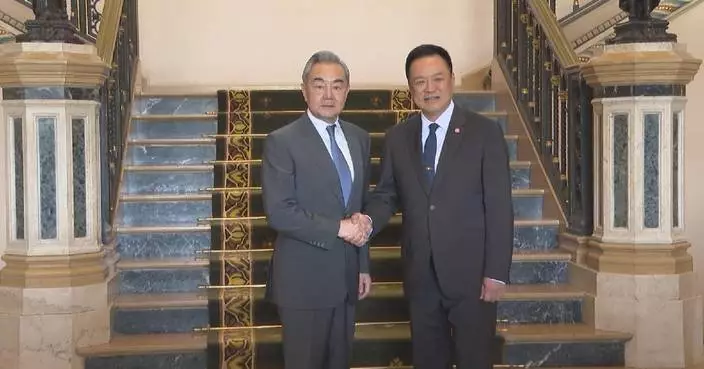
China unveils list of 236 Soviet Union aviation martyrs during WWII

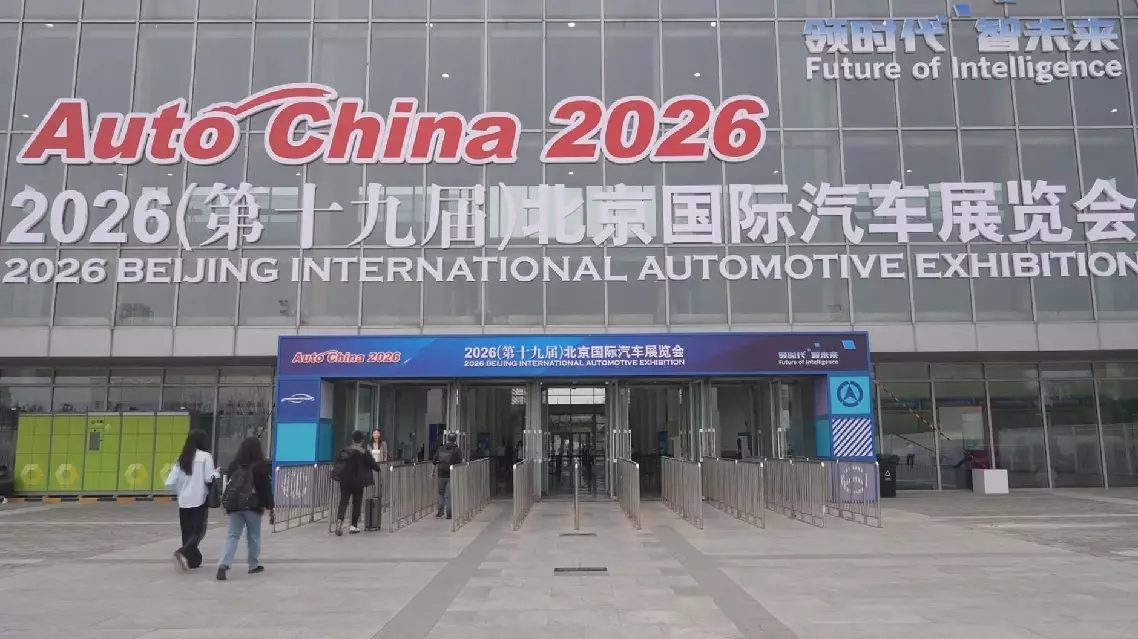
Chinese automakers are seizing the lead in electric vehicles and self-driving technology, areas that will shape the future of the auto sector, executives said at Auto China 2026 in Beijing.

Running from Friday to May 3, Auto China 2026, the world's largest auto show, brings together more than 2,000 domestic and international automakers and suppliers, featuring 1,451 vehicles and a record number of debut models and concept cars.

As global carmakers gather in force, Chinese brands are carving out a commanding presence powered by breakthroughs in artificial intelligence and in-car technology.

Zhu Jiangming, founder of Chinese EV maker Leapmotor, described autonomous driving and intelligent systems as the industry's defining frontier.

"We brought two of our latest models, both equipped with smart driving assistance systems. Intelligent driving is the future. China's intelligent vehicle sector, in scale and across the core parts supply chain, is overwhelmingly leading the world," said Zhu.

The rapid rise of Chinese EV brands is built on a key advantage: a comprehensive power battery supply chain, said Yang Hongxin, chairman and CEO of Svolt Energy Technology.

"China's experience in developing NEV power batteries lies in the coordinated advancement of materials, design, manufacturing and application control technologies. Breakthroughs in only one single area are far from enough to sustain the whole industry, so all sectors must advance in synergy," he said.

Behind these synchronized advancements, Yang added, are national-level support and regulation.

"Second, backed by strong national policy support, sufficient market volume, and scale, we are able to verify technological maturity and accelerate large-scale production and industrial application. Third, we take the lead with unified standards. Authorities have rolled out increasingly stringent regulations on battery safety and recycling, ensuring sound and orderly industrial development. These core factors have underpinned China's remarkable success in the new energy and battery sector, offering valuable lessons and references for the global market," he said.

Entrepreneurs highlight self-driving, battery technologies at Auto China 2026

Entrepreneurs highlight self-driving, battery technologies at Auto China 2026

Recommended Articles