Coffee enterprises in southwest China's Yunnan Province, which claims the country's largest coffee cultivation, are working in full swing to meet with booming domestic and global demands.
As a new harvest season has begun, workers are picking fresh coffee cherries in the plantation of a coffee enterprise in Pu'er City, Yunnan.
After preliminary processing, these cherries will become green coffee beans and 360 tons of them will be shipped to Germany a month later. "Our coffee export volume this year is more than 3,000 tons, nearly 2,000 tons more than the same period last year," said Deng Jialu, general manager of the enterprise.
Pu'er City exported 19,000 tons of coffee in the first 10 months of this year, a year-on-year increase of 376.9 percent.
Baoshan City, another leading coffee producer in Yunnan, has also multiplied its coffee export volume this year. A key driver of the increase is the rising price of green coffee beans at the international market. Together with green coffee beans is the significant growth of the export volume of highly processed coffee products.
In the packaging workshop of a coffee enterprise in Baoshan, about 40 tons of coffee powder have been packed and are ready for shipment to Europe. The export profit of highly processed coffee products is about 15 percent higher than that of green coffee beans.
"Selling the highly processed products to the international market marks that the processing technology of our coffee enterprises in Yunnan is being greatly improved. Only by improving our deep-processing technology can we become more capable of bargaining," said Li Xiaobo, chairman of the Coffee Association of Yunnan.
To expand coffee exports, local customs authorities have issued 31 certificates of origin to coffee enterprises in Baoshan, which will exempt them of tariffs of about 500,000 yuan (about 69,000 U.S. dollars).
Meanwhile, China's domestic coffee market is also unleashing its consumption potential. Many coffee processing enterprises are expanding their production capacity to meet with the new demands.
A coffee enterprise in Baoshan with an annual production capacity of over 6,000 tons built a new production line in April. But ever increasing new clients have booked the orders up to next February, and the enterprise is now building a new factory.
"In the past few years, our coffee sales have kept growing at a growth rate of 15 to 20 percent every year. This year we have added 17 new clients to our backlog. A new factory with an annual production capacity of 12,000 tons is under construction and expected to go into production next May," said Huang Wei, chairman of a coffee enterprise in Baoshan.
According to Kunming Customs statistics, from January to October this year, Yunnan's coffee export volume and value ranked first in China.
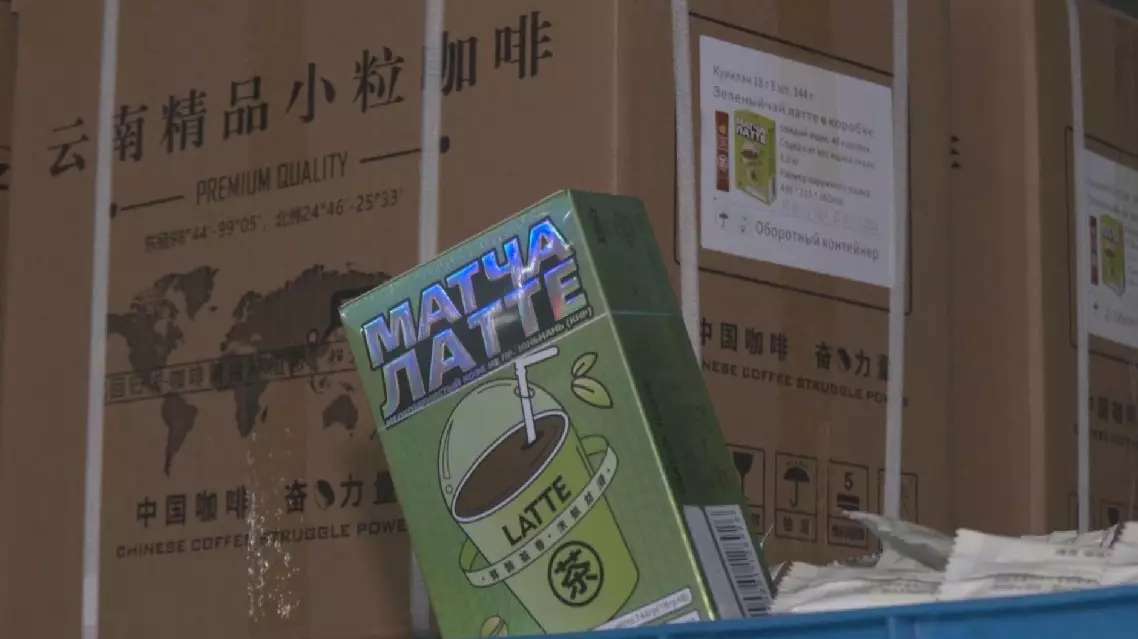
Yunnan coffee producers work in full swing to meet domestic, global demands