A lighthearted scene of two giant panda cubs playfully wrestling with each other has been captured on camera at the Chengdu Research Base of Giant Panda Breeding in southwest China's Sichuan Province.
In the footage recorded at the Moonlight Delivery House for Giant Pandas and Star Giant Panda Nursery House, a litter of panda cubs tried to pile atop the other and knock each other out of their playground, while others were learning to crawl and climb.
The base witnessed a "panda baby boom" between July and September this year, so most of this year's newborn cubs are only a few months old.
The Chengdu Research Base of Giant Panda Breeding is a world-renowned institution for the conservation of giant pandas. The base is famous for its work in protecting and breeding giant pandas, red pandas and other endangered wild animals exclusive to China as well as its educational outreach programs. It is now a major tourist attraction.
The video footage was filmed on Oct 16 and 21, and was released on the iPanda channel on Nov 17 and 18.
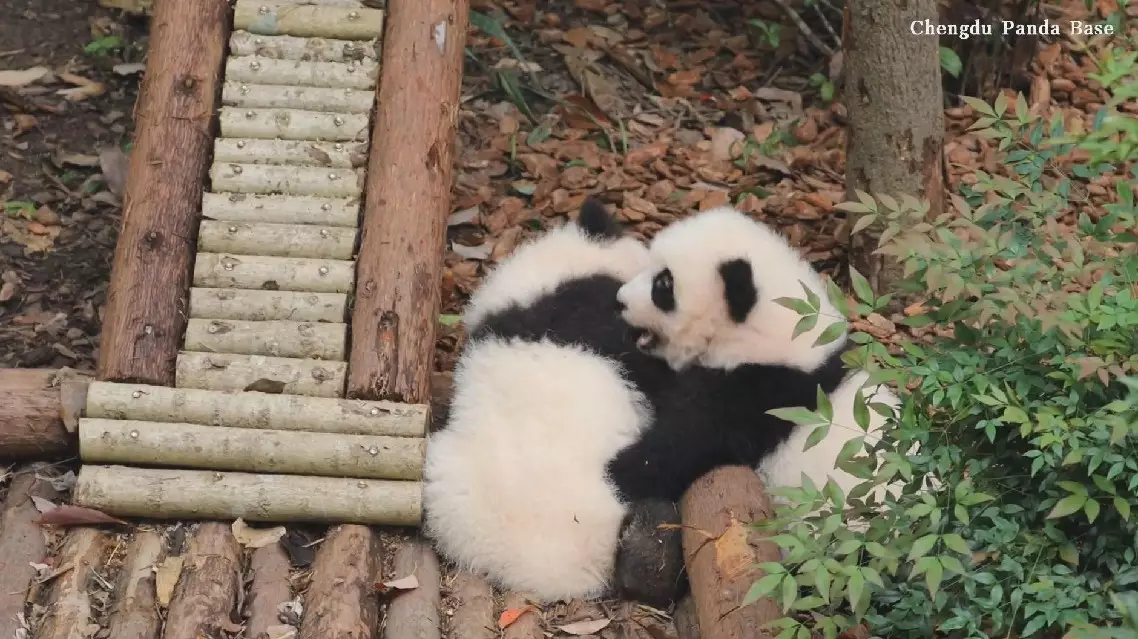
Adorable giant panda cubs caught on camera wrestling with each other
High in the Himalayas, Lhasa, the capital of southwest China's Xizang Autonomous Region, has quietly become one of the country's most caffeinated cities, signaling a fresh business wave in this ancient cultural hub.
With more than 800 coffee shops now serving a population of under one million, the city hosts roughly one cafe for every 1,200 residents, giving it one of the highest cafe densities in the country.
But this is not simply a transplant of Western coffee culture. On Barkhor Street in Lhasa's old town, a historic Buddhist pilgrimage circuit, baristas are stirring centuries-old yak cheese into espresso -- a blend that mirrors the city's transformation from a spiritual center into a modern regional hub.
"We have got this great Xizang-style vibe. There are plenty of cafes in Lhasa, but we are special. Locals -- even 80-year-olds -- come here for Americanos. Plus, lots of tourists, including foreigners, come just to check us out," the owner of Senxia Coffee, a local hotspot, said, revealing the secret behind his cafe's pull.
That dedication to innovation and presenting Xizang's culture through every cup have earned the shop a loyal following.
"I make a trip here once a year. It is my fourth year coming. The taste never changes, but they always have a new special to try -- and it is always great!" said a tourist from the eastern municipality Tianjin.
"It's very unique, I like it a lot. It's good coffee and it's a very nice place. The courtyard here is different than a courtyard in Germany would be," a German tourist offered similar praise.
In 2025, Lhasa's GDP crossed the 100-billion-yuan (about 14.7 billion US dollars) mark creating fertile ground for entrepreneurs, who found coffee as a light-asset business easy to start with -- small footprint, fast setup, easy to brand.
Amid intense competitions, businesses loyal to their hometown and home culture wins, Senxia's owner said.
"There are tons of entrepreneurs here. Local college grads are coming back to start businesses, and friends from inland are moving here to do the same. So the competition is actually fierce. With so many cafes around, we feel pretty lucky to have made it, and we have definitely got our own unique vibe," he said.
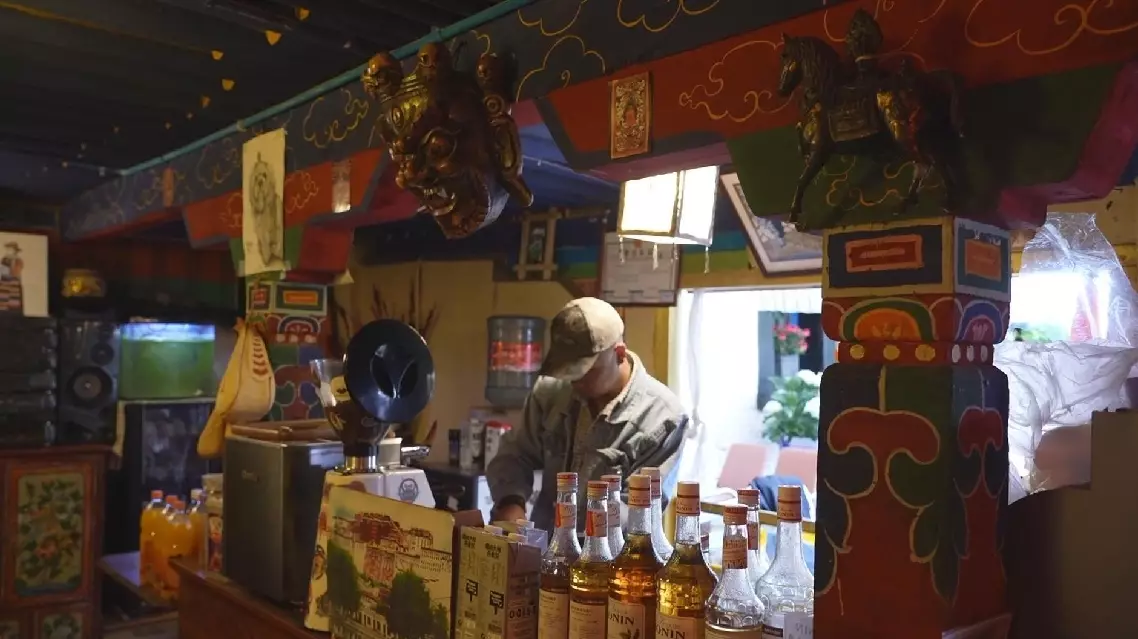
Lahsa sees booming coffee scene infused with local culture
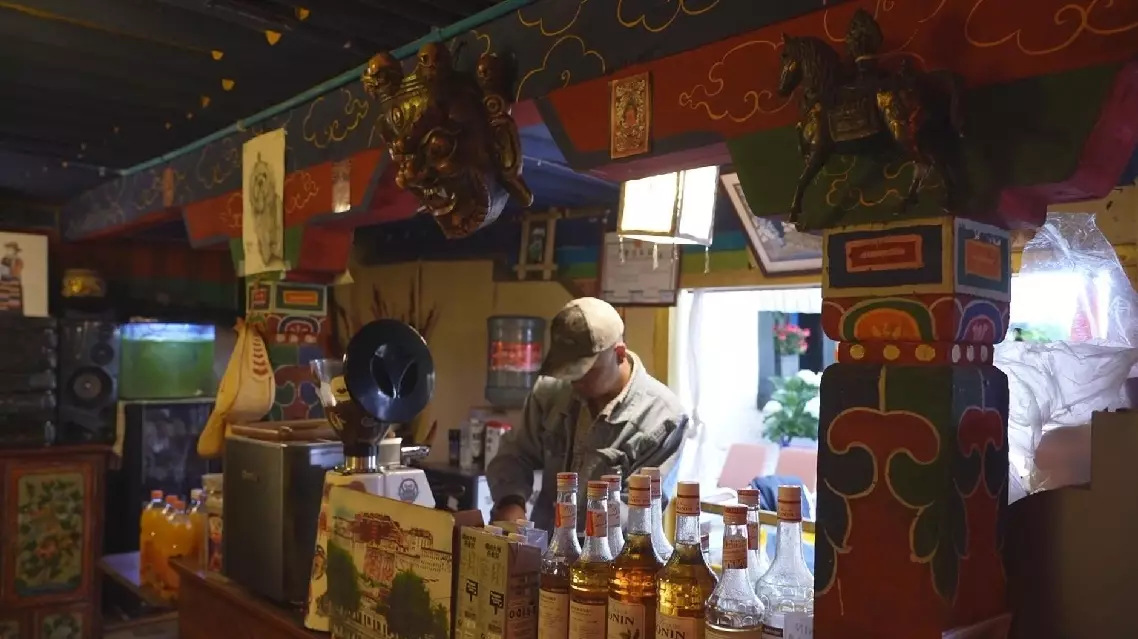
Lahsa sees booming coffee scene infused with local culture