The ongoing second China International Supply Chain Expo (CISCE) in Beijing has seen heated discussions among global participants about China's new western land-sea corridor.
Themed "Connecting the World for a Shared Future", the expo runs from Tuesday to Saturday. As the world's first national-level exhibition focusing on supply chains, it has attracted close to 700 exhibitors from 69 countries and international organizations this year.
Click to Gallery
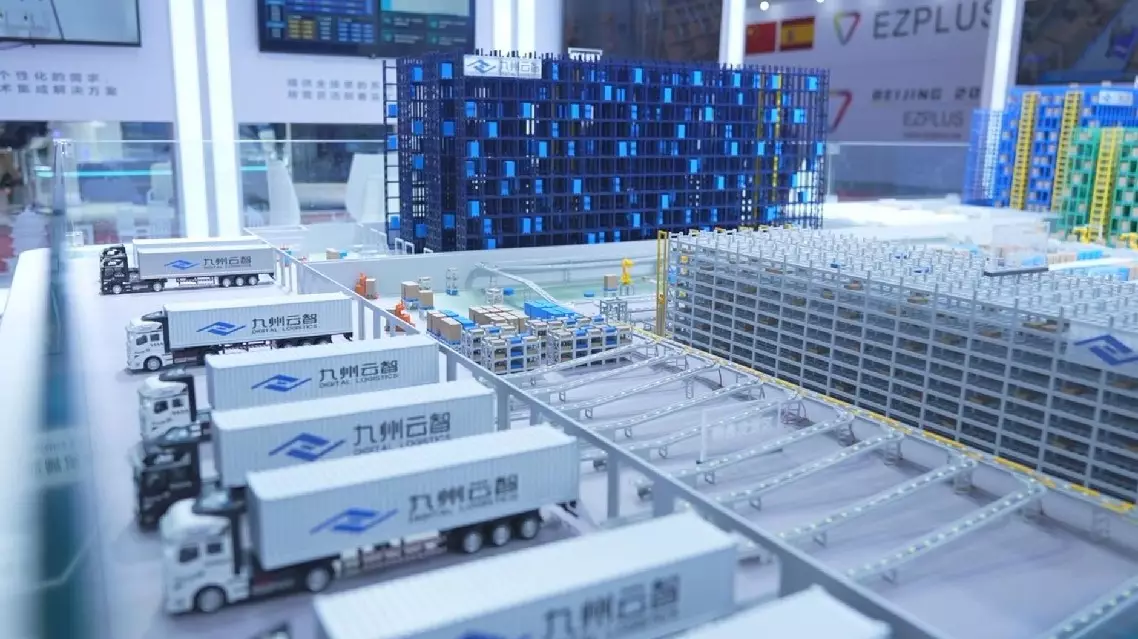
China's new western land-sea corridor draws attention at supply chain expo
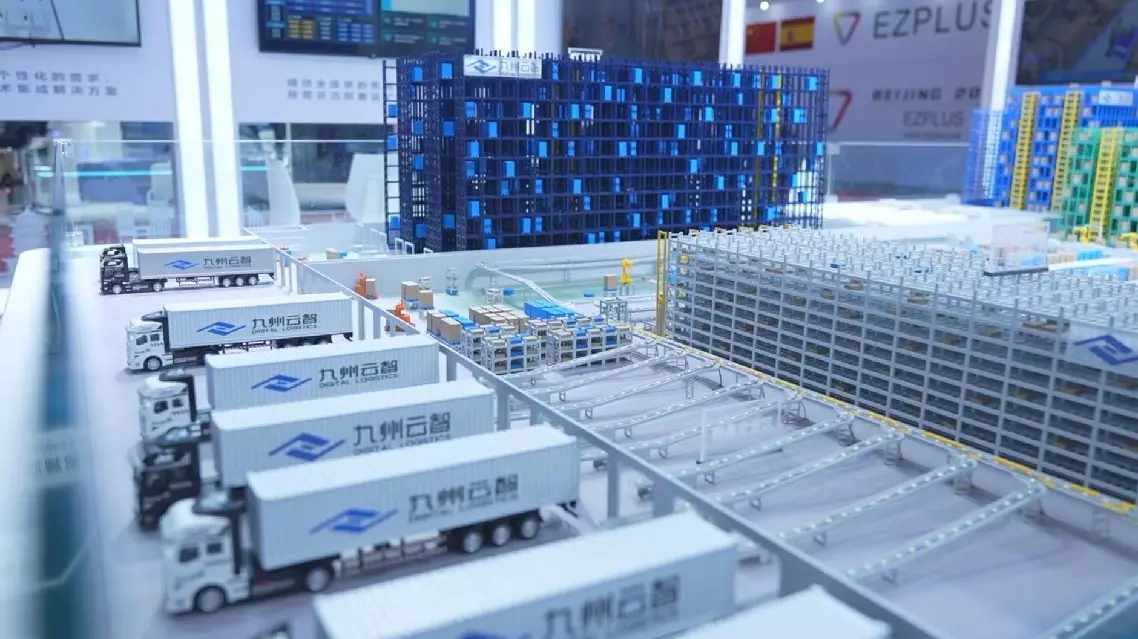
China's new western land-sea corridor draws attention at supply chain expo
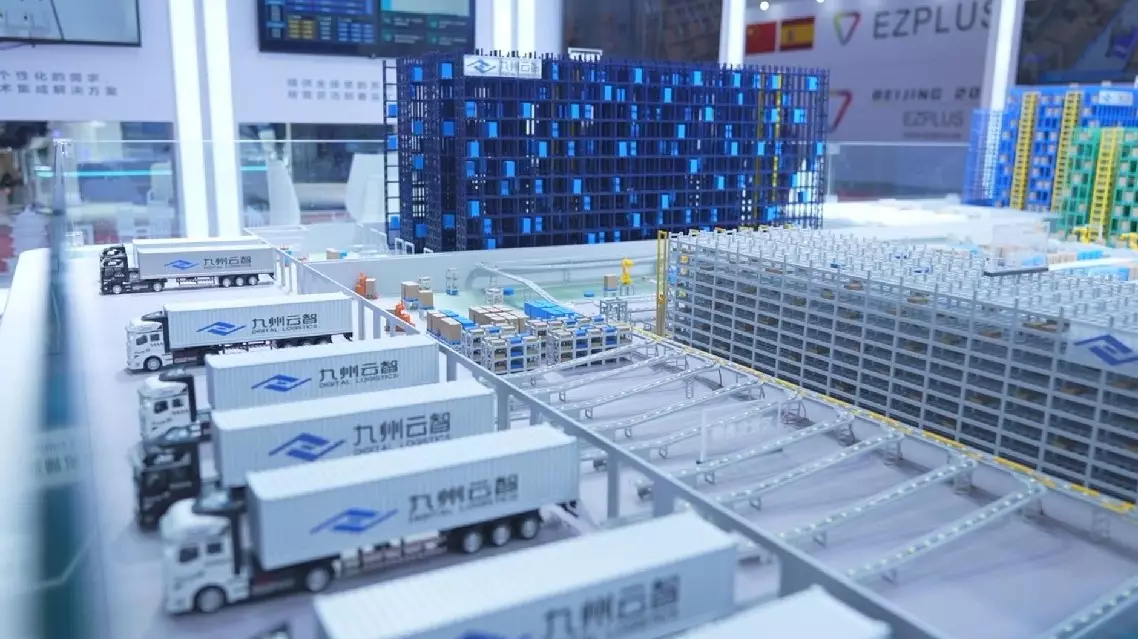
China's new western land-sea corridor draws attention at supply chain expo

China's new western land-sea corridor draws attention at supply chain expo
Among them is Maersk, a Danish logistics company, which provides trade services for global customers.
"We found we need to offer our customers as someone who can control the entire supply chain with great visibility. And if something goes wrong, we can actually find a plan B and help them out," said Jens Eskelund, North Asia chief representative of the company.
Eskelund spoke highly of China's role in the global supply chain and its rapid development over the past few decades.
"China has been on a fantastic ride, in particular, since China joined WTO in 2001. And today, China accounts for about one third of all containers exported in the whole world," Eskelund said.
Anchored in China's Chongqing and with key western provincial-level regions as critical nodes, the New International Land-Sea Trade Corridor employs a blend of rail, sea and road transport to connect with global destinations.
As a landmark project of the Belt and Road Initiative, this corridor is key to accelerating the development of China's less-developed western region.
"Trade growth and international connectivity have grown somewhat slower in inland cities. So it makes a lot of sense now that you begin to look at how you can make sure that these large and very dynamic cities in China's interiors are also getting connected to international trade lines," Eskelund said.
After five years of construction, the corridor now connects to 523 ports across 124 countries and regions.
In the first 10 months, China's total trade via the new western land-sea corridor amounted to 1.15 trillion yuan (about 158 billion U.S. dollars), up 8.8 percent year on year and exceeding the national average growth rate by 3.6 percentage points.
"In terms of the land-sea corridor, this is a new concept. So we're in the formative stage, but by having this kind of focus, and we're already discussing what we can do. And therefore, from west China point of view, there's an imperative, there's an incentive. It can break the inertia and make us do things," said John Mclean, chairman of China-UK Business Development Center.
"For the Maritime Silk Road and Belt and Road countries, the trade with them, the supply chain with them, actually, we are seeing a lot of changes. What we're seeing is that the Belt and Road countries' doors are actually opening up more and more. So, actually, I think this is something that we could leverage on in terms of the Belt and Road countries," said Benjamin Wong, head of transport and logistics, and industrials of Invest Hong Kong.
China's new western land-sea corridor draws attention at supply chain expo
China's new western land-sea corridor draws attention at supply chain expo
China's new western land-sea corridor draws attention at supply chain expo
China's new western land-sea corridor draws attention at supply chain expo