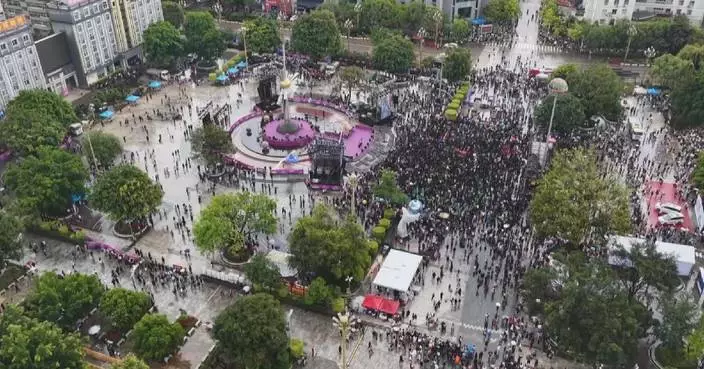
Archaeologists have wrapped up their 2024 mission at the ancient site of Luxian County in Tongzhou District of Beijing, dating back to the Han Dynasty (206 B.C. - 220 A.D.), and discovered ancient wells, roof tiles, and other relics.
The ancient site of Luxian County was discovered by archaeologists in 2016 during the preliminary archaeological survey for the construction of Beijing's sub-center. Since then, archaeological excavations have been carried out annually and in phases.
The ancient site of Luxian County has an overall layout that is roughly square, with sides measuring about 560 meters and a total area of approximately 350,000 square meters.
During this year's excavation, four more Han Dynasty water wells were discovered, bringing the total number of Han Dynasty wells cleared to over 200. This marks the first archaeological excavation and documentation of a Han Dynasty well cluster in the Beijing area.
"These two wells are both made of wood. This one is a wooden plank well, with a ceramic well ring built underneath. The wooden planks are vertical. Whether horizontal or vertical, the wooden planks essentially serve the dual purpose of filtration and support. As we saw earlier, there is also a brick well, which shows that during the Han Dynasty, the techniques used by residents to construct wells were quite advanced and varied," said Xu Min, assistant curator of the Beijing Archaeological Research Institute.
In addition, archaeologists have unearthed a variety of artifacts, including roof tiles, pottery, bronze items, jade and stone tools, as well as animal and plant remains. These findings provide valuable reference material for further understanding the production and daily life of people during that time.
According to the Beijing Archaeological Research Institute, the ancient site of Luxian County is currently the earliest and only known Han Dynasty city site in Tongzhou District.
It marks the first large-scale discovery of Han Dynasty handicraft remains in Beijing, providing important data for understanding and reconstructing the pottery, metalworking, and other handicraft production at the Luxian site. This discovery has pushed forward the history of Tongzhou's city construction by more than 2,000 years
According to the Beijing Municipal Forestry and Parks Bureau, the site will be developed into a park. Currently, the construction of phases one and two has been completed, and the park is ready for opening. It is expected to be open to the public next year.
"After the site park opens, visitors will be able to see reconstructed scenes of Han Dynasty production and daily life within the park. In the museum, various artifacts unearthed from the ancient site of Luxian County will also be on display. Additionally, at the archaeological excavation site, visitors can observe and even experience the excavation process, providing a more direct understanding of archaeology and cultural relics," said Sun Meng, research curator of the Beijing Archaeological Research Institute.
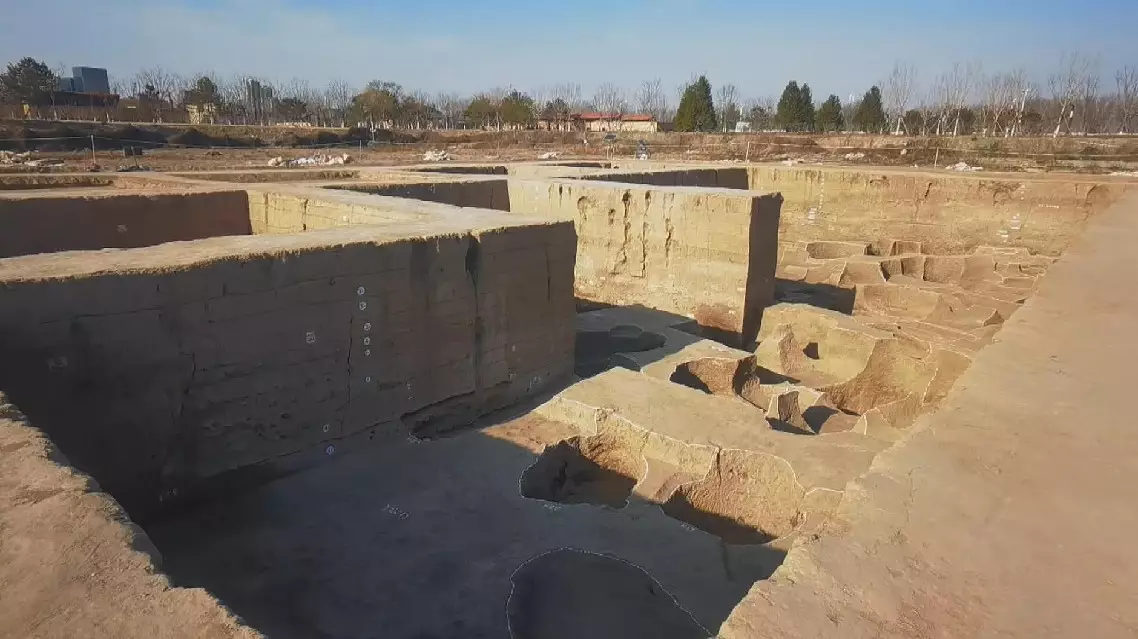
Han Dynasty well cluster discovered in ancient county ruins in Beijing
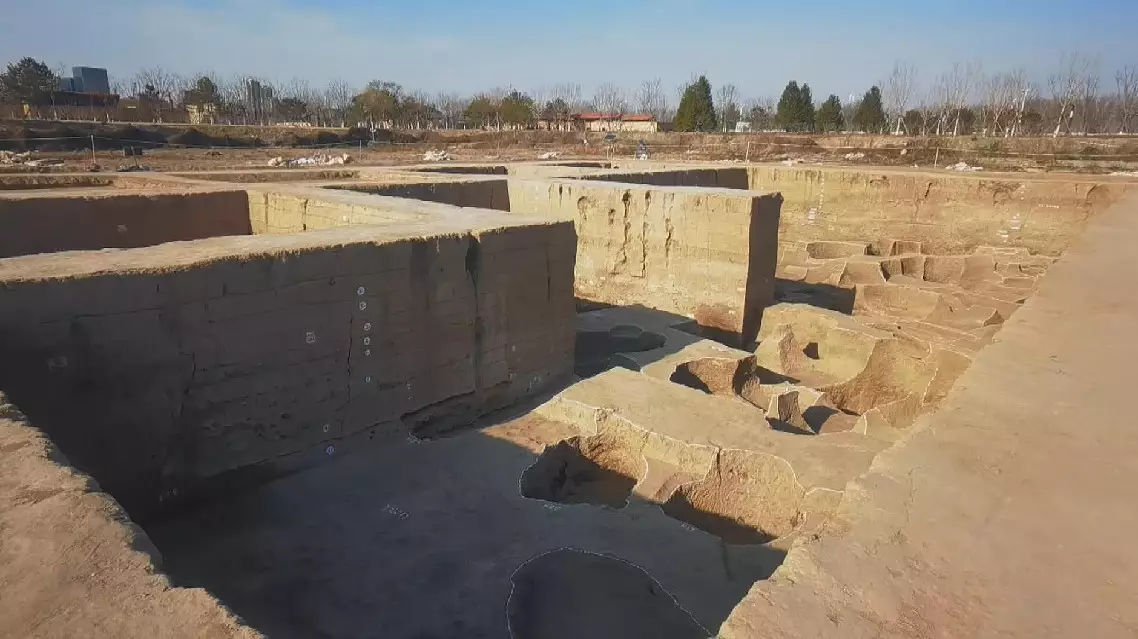
Han Dynasty well cluster discovered in ancient county ruins in Beijing