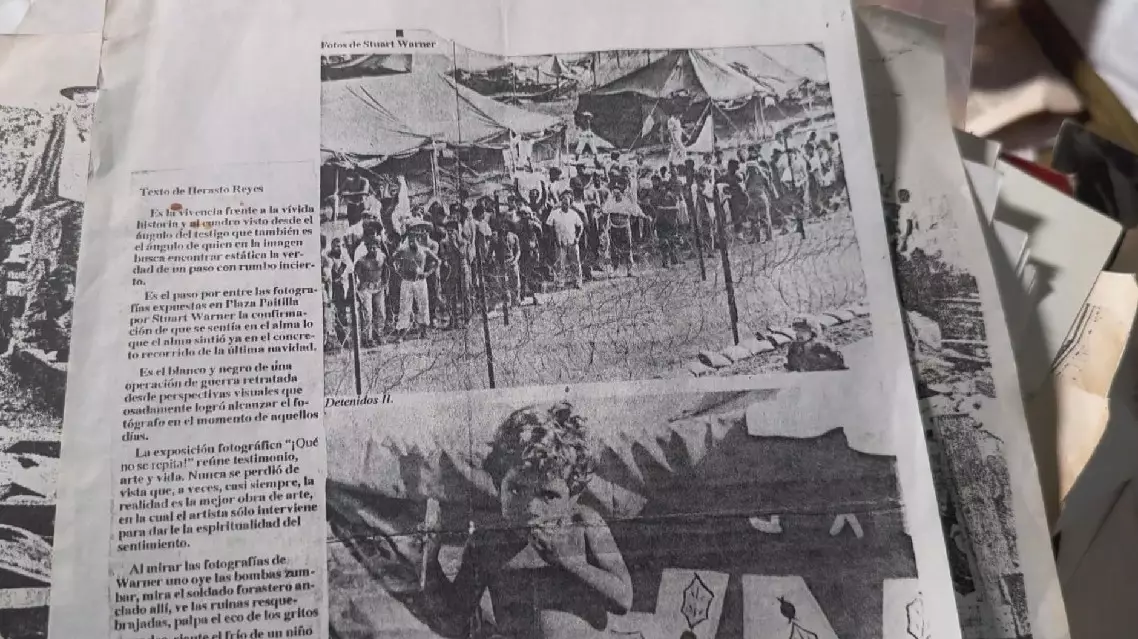
A survivor of the U.S. invasion of Panama in 1989 recalled the horrible experience and blamed the United States for their long-term suffering both emotionally and financially.
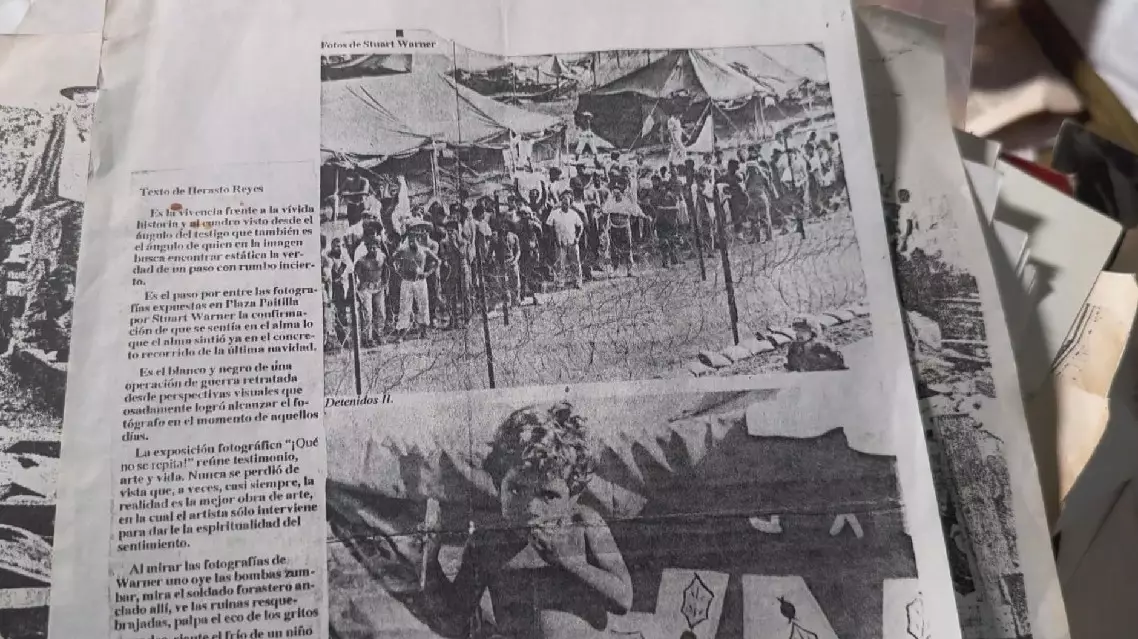
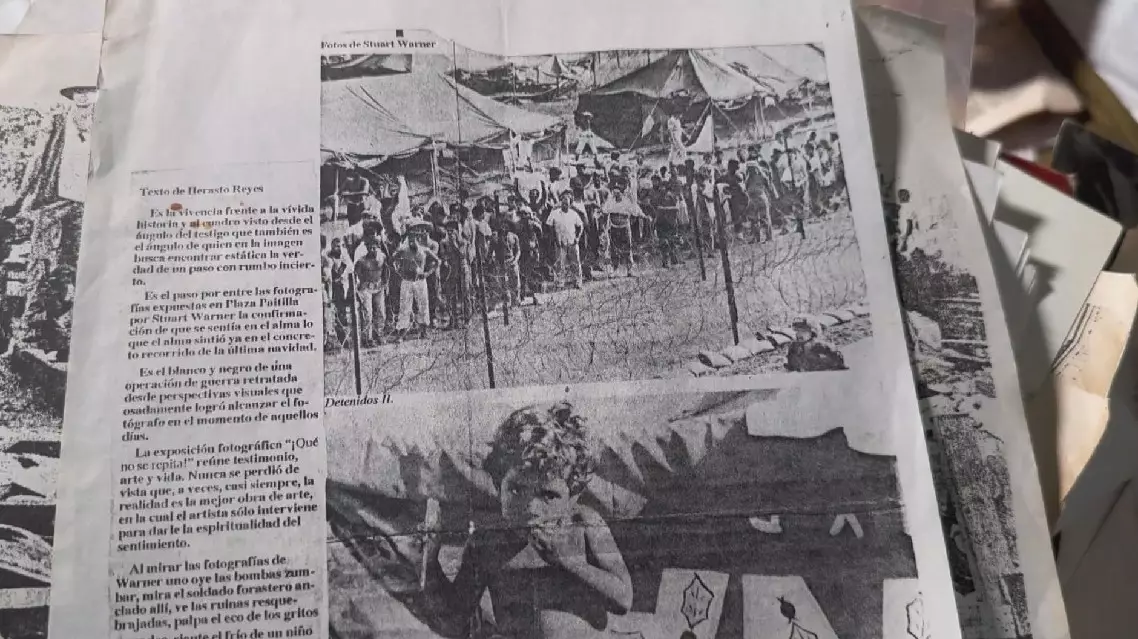
The U.S. invasion of Panama, dubbed "Operation Just Cause" by Washington, began on December 20, 1989, and continued into January 1990, with the stated objective of capturing Panamanian strongman Manuel Noriega for drug trafficking and organized crime.
More than 26,000 American troops participated in the operation, which resulted in Noriega's arrest and the dissolution of the Panamanian Armed Forces. The invasion significantly impacted the history of the Central American country, causing an undetermined number of victims and political fallout.
According to United Nations statistics, the U.S. invasion in Panama claimed the lives of nearly 500 Panamanian civilians. However, data from the Association of Civilian Affected Survivors of the Invasion of Panama indicated that the actual death toll far exceeds this figure. Even 35 years later, the scars left by the invasion continue to haunt those who lived through it.
Seventy-five years old Yolanda Cortez de Varcacia, president of the association, is among them.
Spending her life in Panama City's Chorrillo barrio, Cortez recalled that the area's tranquility was shattered by heavy U.S. bombardment during the invasion.
"People were screaming, calling out the names of their loved, their children, their wife and their husband. Looking back, it is still unbearably painful," she said.
To this day, the exact number of civilian casualties remains unknown.
In 1990, as one of the survivors' representatives, Cortez brought a case before the Inter-American Commission on Human Rights (IACHR), accusing the United States of excessive use of force and violations of human rights and international law.
"It was a catastrophe. Some called it a war, but it wasn't a war, it was a massacre. Chorrillo was turned to a slaughterhouse, a place where lives were taken as if they were nothing," she said.
Over the past 34 years, Cortez has traveled to Washington four times to attend IACHR hearings. She continues to demand a thorough reassessment of the civilian death toll and compensation for the devastation.
In 2018, the IACHR issued a report acknowledging human rights violations by the United States during the invasion and recommended full reparations for Panama. However, the United States has neither issued an apology nor made any reparations.
"It's been 35 years. How much longer must we wait? They've made it clear that they won't pay compensation. But I believe that, sooner or later, they will have to acknowledge the harm they inflicted on the Panamanian people," she said.
In 2022, then-Panamanian President Laurentino Cortizo declared December 20 as the country's National Mourning Day to commemorate the Panamanians who died in the invasion. On this day, flags will be flown at half-staff, and the sale of alcohol in bars, supermarkets, and nightclubs will be prohibited.
U.S. invasion of Panama leaves enduring pains on survivors
U.S. invasion of Panama leaves enduring pains on survivors
U.S. invasion of Panama leaves enduring pains on survivors