China plans to further strengthen housing policies next year to curb falling prices and boost demand, aiming at long-term market stabilization.
The Central Economic Work Conference, held from Dec 11 to 12 in Beijing, set the tone for 2025, focusing on continued and enhanced efforts to stabilize the real estate market. This includes rolling out additional measures and deepening the impact of existing policies to address persistent challenges in the housing sector.
The emphasis on "sustained effort" reflects a strategic push to not only introduce new policies but also intensify their implementation to ensure lasting market stabilization.
Central to these efforts will be proactive fiscal policies and more accommodative monetary policies, which aim to make housing more affordable for potential buyers, thus expanding the purchasing potential of both first-time and upgrading buyers.
"I think greater efforts are needed to turn the current brief recovery in the real estate market into a lasting trend. So, the sustained and strengthened efforts highlighted at the Central Economic Work Conference essentially emphasize the need to thoroughly implement the previously announced policies to make this shift happen," said Zhang Qiguang, vice president and secretary-general of the China Real Estate Association, a non-profit social organization, based in Beijing, that promotes research and discussions on the development and reform of the real estate sector.
The Conference also called for tighter control over new land supply and a focus on making good use of existing land resources as well as commercial and office properties. It further emphasized advancing the disposal of existing housing inventory.
Zhang explained that the shift in focus from new housing to existing properties is largely driven by changes in the real estate market's supply-demand dynamics, stressing that inventory reduction is key to managing risk and addressing oversupply.
"Inventory reduction is critical and remains the biggest challenge facing us now. The Central Economic Work Conference granted local governments greater autonomy in determining the buyers of existing properties, setting acquisition prices, and deciding the intended use of the housing. Additionally, we need to properly address the funding sources for inventory digestion. Our existing policy tools include local government special-purpose bonds and the re-lending facility of the People's Bank of China (PBOC). We hope that local governments will utilize these tools to effectively reduce housing inventory," Zhang said.
Additionally, the Conference reaffirmed its commitment to further advancing the renovation of shanty towns in cities and dilapidated houses, and fully unleashing the potential in people's demand for buying their first homes or improving their housing conditions.
The Ministry of Housing and Urban-Rural Development had earlier announced plans to renovate one million more shanty towns and dilapidated homes, expanding the scope of these renovations from 35 mega-cities and cities with over three million permanent residents, to nearly 300 prefecture-level cities and above.
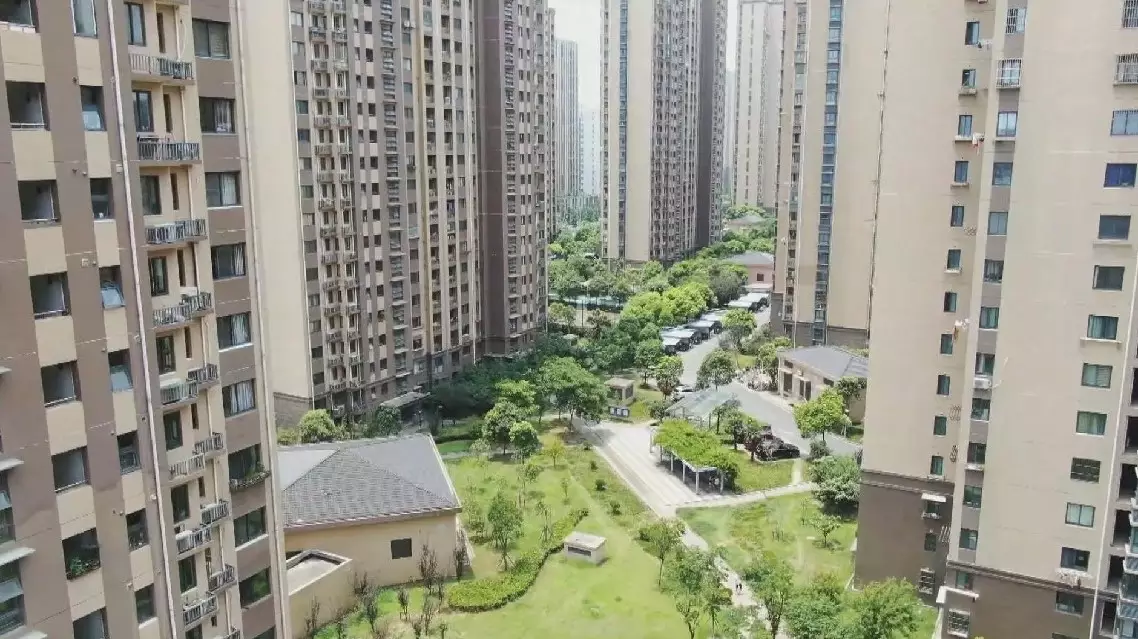
China to strengthen housing policies for market stabilization next year